
If you want to bring a touch of the tropics into your home, the Birds of Paradise plant is a stunning choice. But caring for this beautiful plant can feel tricky if you’re not sure where to start.
What if you could unlock simple, effective tips that keep your plant thriving and blooming year-round? In this guide, you’ll discover exactly how to care for your Birds of Paradise so it grows strong, vibrant, and full of life. Ready to become your plant’s best friend?
Let’s dive in.
Choosing The Right Location
Choosing the right location for your Birds of Paradise plant is key to helping it thrive. This tropical beauty needs specific conditions to show off its stunning flowers and lush leaves. Placing it in the perfect spot can make all the difference between a happy plant and one that struggles.
Ideal Light Conditions
Birds of Paradise love bright, indirect sunlight. A spot near a south or west-facing window works well, where the plant can soak up plenty of light without getting scorched.
Too little light can slow growth and reduce flowering, while too much direct sun might burn the leaves. Have you noticed your plant’s leaves turning yellow or brown? That could be a sign to adjust its light exposure.
Temperature Preferences
This plant prefers warm temperatures, ideally between 65°F and 75°F (18°C to 24°C). It doesn’t like sudden drops below 50°F (10°C), which can cause leaf damage or stunt growth.
If your home gets chilly at night or during winter, consider moving the plant to a warmer room. Do you have a spot that stays cozy but not too hot? That’s perfect for your Birds of Paradise.
Humidity Requirements
Birds of Paradise thrive in moderate to high humidity. Around 60% humidity is ideal, but they can adapt to average household levels if you provide occasional misting.
Using a humidifier or placing the pot on a tray with water and pebbles can boost moisture around the plant. Have you tried misting your plant? It often makes the leaves look fresher and helps prevent dry edges.
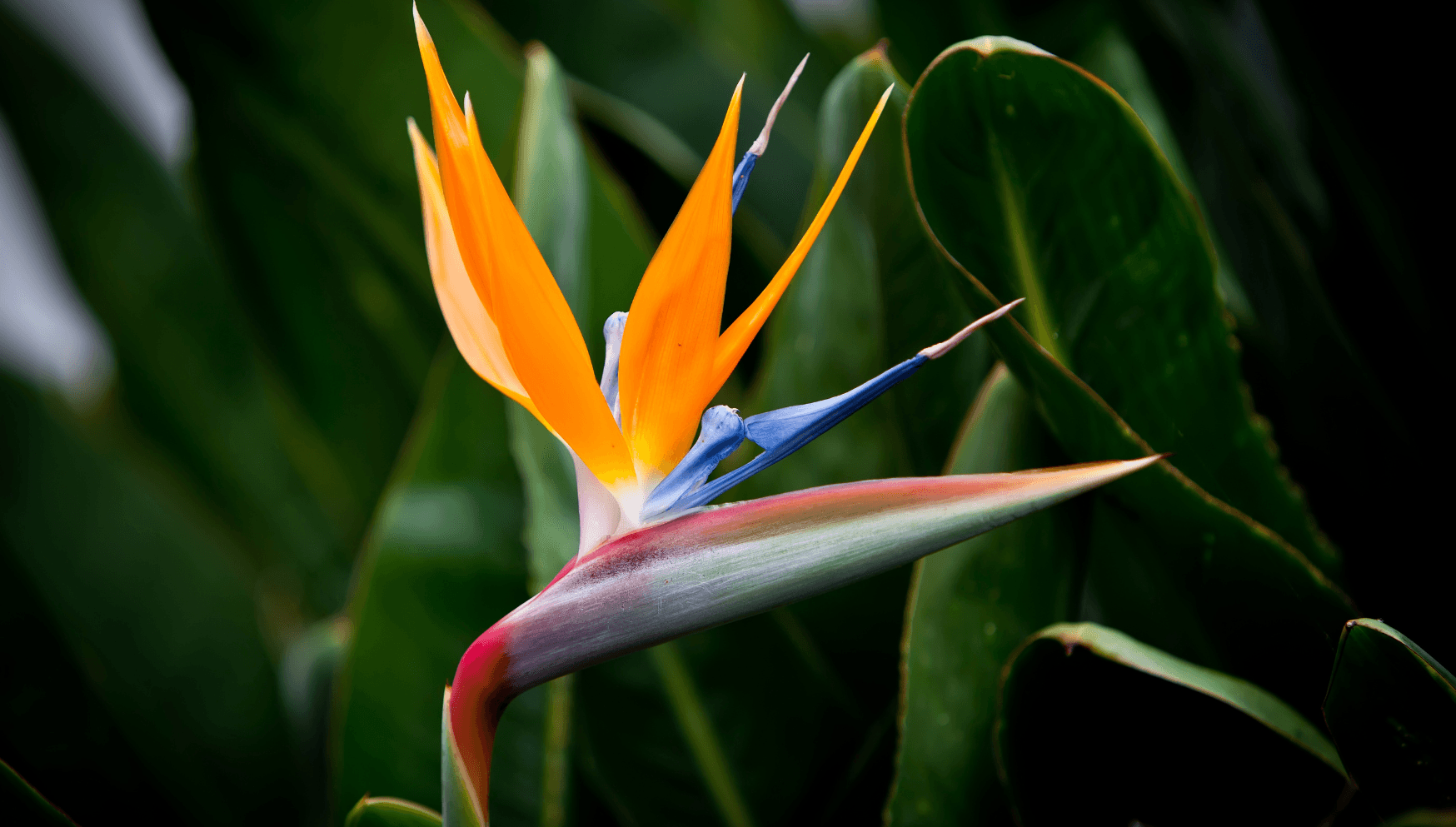
Credit: plnts.com
Planting And Soil
Getting the planting and soil conditions right is key to keeping your Birds of Paradise plant thriving. This tropical beauty needs more than just any dirt—it demands a specific environment that supports its growth and vibrant blooms. Understanding what kind of soil to use, choosing the perfect pot, and knowing when to repot can make a real difference in your plant’s health.
Soil Type And Drainage
Your Birds of Paradise prefers soil that holds moisture but drains well. Too much water around the roots can cause rot, which is a common issue with this plant. Use a rich, loamy soil mixed with sand or perlite to improve drainage.
Think about the soil like a sponge that holds some water but lets excess flow away quickly. If you’re unsure, test the soil by watering and observing if water pools on top or drains fast enough.
Pot Selection Tips
Choosing the right pot can either help or harm your plant. Pick a container that’s slightly larger than the root ball—too big, and the soil will stay soggy longer.
- Make sure the pot has drainage holes at the bottom.
- Terracotta pots are ideal because they allow moisture to evaporate through the walls.
- If you use a plastic pot, be extra careful with watering since it holds moisture longer.
Have you checked your pot’s drainage lately? Sometimes holes get blocked, and that small detail can stunt your plant’s growth without you realizing it.
Repotting Guidelines
Repot your Birds of Paradise every 2 to 3 years or when you see roots coming out of the drainage holes. This refreshes the soil and gives roots more space to grow.
When repotting, gently loosen the root ball and remove any dead or rotten roots. Add fresh soil that matches the drainage needs mentioned earlier.
Try to repot during spring or early summer. Your plant will recover faster and continue growing strong. Have you noticed your plant looking cramped or growing slower? It might be time for a new pot and soil.
Watering Practices
Watering is vital for the health of your Birds of Paradise plant. Too much or too little water can cause serious issues. This plant prefers a balance that keeps its soil moist but not soggy. Learning the right watering habits helps your plant grow strong and vibrant.
Frequency And Amount
Water the plant once a week during warmer months. In winter, reduce watering to every two weeks. Use enough water to moisten the top 2 inches of soil. Avoid letting the plant sit in standing water. Drain excess water from the saucer to prevent root rot.
Signs Of Overwatering
Look for yellowing leaves that feel soft or mushy. The soil may smell sour or moldy. Leaves might drop even if they look healthy. Overwatered roots turn brown and mushy. If you see these signs, cut back on watering immediately.
Dealing With Underwatering
Leaves will curl or dry out at the edges. The plant may look wilted or droopy. Soil pulls away from the pot edges when too dry. Increase watering frequency to help the plant recover. Use room temperature water and soak the soil well.

Credit: deplantrekkers.com
Fertilizing Your Plant
Fertilizing your Birds of Paradise plant is key to keeping it vibrant and healthy. This tropical beauty thrives when it receives the right nutrients at the right time. Without proper feeding, your plant may struggle to bloom or develop its iconic colorful flowers.
Best Fertilizer Types
Look for fertilizers that are balanced or slightly higher in phosphorus to encourage blooming. A 10-10-10 or 10-15-10 NPK ratio works well. Slow-release granular fertilizers provide a steady supply of nutrients, reducing the risk of overfeeding.
Liquid fertilizers can be useful for quick nutrient uptake, especially during the growing season. If you want to make your plant really happy, try combining both types—granular for steady feeding and liquid for occasional boosts.
Feeding Schedule
Feed your Birds of Paradise every 4 to 6 weeks during spring and summer. These are the months when your plant grows actively and needs the most nutrients. Avoid fertilizing in fall and winter when growth slows down.
Remember to water your plant before applying fertilizer. This prevents root burn and helps nutrients absorb better. Have you noticed your plant looking dull or stunted? Adjusting your feeding schedule might be the fix it needs.
Organic Vs. Synthetic Options
Organic fertilizers, like compost or fish emulsion, improve soil health and provide gentle feeding. They release nutrients slowly, which can be safer for your plant in the long run. Plus, they support beneficial microbes in the soil.
Synthetic fertilizers offer immediate nutrient availability and are easy to measure. However, they can build up salts in the soil if overused, which might harm your plant. If you choose synthetics, make sure to flush the soil with water regularly to avoid buildup.
Which option suits your routine better? Trying a mix of both could give your Birds of Paradise the best of both worlds.
Pruning And Maintenance
Pruning and maintenance keep the Birds of Paradise plant healthy and vibrant. Regular care helps the plant grow strong and look its best. Removing old, damaged leaves improves air flow and light access. Proper maintenance also prevents pests and diseases from spreading. Follow these simple steps to care for your plant effectively.
Removing Dead Leaves
Cut off dead or yellowing leaves near the base. Use clean, sharp scissors or pruning shears to avoid damage. Removing these leaves stops disease and keeps the plant tidy. Check the plant every few weeks and remove any dry or brown leaves. Dispose of the cut leaves away from your plant to prevent pests.
Encouraging New Growth
Trim the plant lightly to encourage fresh shoots and flowers. Pinch back the tips of new growth to promote bushiness. Keep the plant in bright, indirect sunlight for the best growth. Water regularly but avoid waterlogging the soil. Fertilize monthly during the growing season with a balanced plant food.
Pest Control Methods
Inspect the plant for pests like spider mites or aphids. Wipe leaves with a damp cloth to remove dust and insects. Use natural sprays such as neem oil or insecticidal soap for infestations. Avoid harsh chemicals that can harm the plant. Keep the area around the plant clean and free of debris to reduce pest problems.
Common Problems And Solutions
Yellowing leaves often signal overwatering; let the soil dry between watering sessions. Pests like spider mites can harm the plant; wipe leaves with a damp cloth to keep them away. Poor light leads to slow growth; place your plant in bright, indirect sunlight.
Caring for a Birds of Paradise plant can be a rewarding experience, but like any plant, it can face a few challenges. Understanding common problems and their solutions will ensure your plant thrives. Let’s explore some typical issues and how you can address them effectively.Leaf Discoloration
Leaf discoloration is a frequent issue that often indicates stress. If you notice yellow leaves, it might be due to overwatering. Ensure that the top inch of soil is dry before watering your plant. Brown edges on the leaves could suggest low humidity. Consider misting the leaves or placing a humidity tray nearby. If your plant’s leaves are pale, it might need more sunlight. Ensure it gets bright, indirect light for optimal health.Root Rot
Root rot is a serious condition often caused by poor drainage. If your plant’s leaves are wilting and the soil is perpetually soggy, check the roots. Remove the plant from its pot and trim away any mushy, brown roots. Repot it in fresh soil with good drainage. Make sure your pot has drainage holes to prevent water from pooling. Are you watering on a schedule? Adjust based on the soil’s moisture rather than a fixed routine.Pest Infestations
Pests like spider mites and scale insects can attack your Birds of Paradise. Check under the leaves regularly for any signs of infestation. A gentle spray with water can dislodge pests. For persistent issues, consider using a natural insecticidal soap. Keep in mind that healthy plants are less prone to pests. Are you keeping your plant’s environment clean and its leaves dust-free? Regular maintenance can prevent many pest problems.Encouraging Flowering
Providing plenty of bright light helps Birds of Paradise bloom beautifully. Regular feeding with a balanced fertilizer encourages strong, vibrant flowers. Keeping the plant warm and avoiding sudden temperature changes supports healthy flowering.
Taking care of a Birds of Paradise plant involves more than just watering. Encouraging it to bloom requires specific attention and care. This plant can reward you with stunning flowers if you provide the right conditions. Let’s explore how you can create the perfect environment for your plant to bloom.Optimal Conditions For Blooms
Birds of Paradise need bright, indirect sunlight. Direct sunlight can scorch their leaves. Place your plant near a window where it gets plenty of light. Ensure the temperature stays between 65°F and 70°F. These plants dislike cold drafts. Use well-draining soil to prevent root rot. Keep humidity levels moderate to high. You can use a humidifier if needed. Fertilize your plant during the growing season. Use a balanced, water-soluble fertilizer every month. This provides essential nutrients for blooming.Patience And Timing
Birds of Paradise may take years to bloom. Patience is key. These plants mature slowly. It often takes three to five years for flowers to appear. Ensure consistent care during this period. Avoid repotting too often. This can delay flowering. Stick to a regular watering schedule. Water when the top inch of soil feels dry. Overwatering can harm the plant. Maintain a stable environment for best results. Inconsistent conditions can stress the plant. Stress can delay blooming further.Supporting Flower Growth
Once your plant starts blooming, support its growth. Deadhead spent flowers to encourage new blooms. Trim away any yellow or brown leaves. This keeps the plant healthy. Ensure the plant isn’t overcrowded in its pot. Crowded roots can stunt growth. Gently loosen the roots if needed. Consider using stakes for support. Large flowers can weigh down the plant. Regularly check for pests like aphids or spider mites. These can damage the flowers. Treat infestations promptly with insecticidal soap.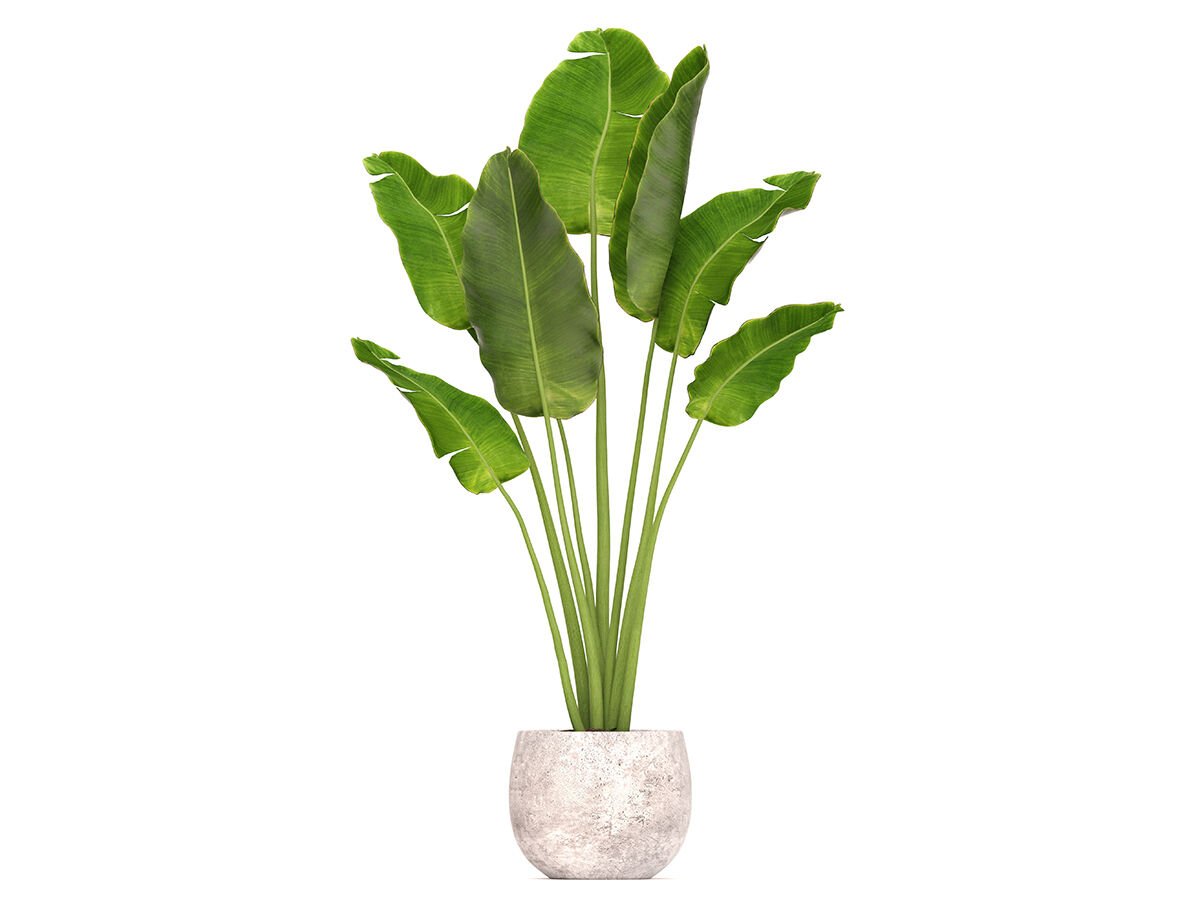
Credit: sandiegomagazine.com
Frequently Asked Questions
How Often Should I Water A Birds Of Paradise Plant?
Water your Birds of Paradise once a week during growing seasons. Reduce watering in winter. Keep soil moist but not soggy.
What Light Conditions Does Birds Of Paradise Need?
Birds of Paradise thrives in bright, indirect sunlight. It can tolerate some direct light but avoid harsh afternoon sun to prevent leaf burn.
How Do I Fertilize My Birds Of Paradise?
Feed your plant monthly with a balanced, water-soluble fertilizer during spring and summer. Reduce feeding in fall and winter for best growth.
Can Birds Of Paradise Grow Indoors Successfully?
Yes, Birds of Paradise adapts well indoors with proper light and humidity. Place near a bright window and mist leaves regularly.
Conclusion
Birds of Paradise plants bring beauty to any space. They need bright light and regular watering to thrive. Keep their soil moist but not soggy. Trim dead leaves to keep the plant healthy. Watch for pests and act quickly if found.
With simple care, these plants grow strong and bloom well. Enjoy the tropical vibe they create in your home. Small efforts lead to big rewards in plant health. Keep caring, and your Birds of Paradise will flourish.




