
Are you looking for a simple and creative way to attract colorful birds to your garden? Making bird feeders out of plastic bottles is an easy and eco-friendly project you can do right at home.
Not only will you give new life to old bottles, but you’ll also enjoy watching your feathered visitors up close. You’ll discover step-by-step instructions to turn everyday plastic bottles into charming bird feeders that your backyard will love. Ready to start crafting and bring nature closer to you?
Let’s dive in!

Credit: www.youtube.com
Materials Needed
Gathering the right materials is the first step to making a successful bird feeder from plastic bottles. The choices you make here affect how sturdy, safe, and attractive your feeder will be. Let’s look at what you need to get started and how to select each item thoughtfully.
Choosing The Right Plastic Bottles
Not all plastic bottles work well for bird feeders. Look for bottles that are clear or lightly tinted so you can easily monitor the seed level inside. Thicker plastic is better because it holds up against weather and pecking birds.
Consider bottle sizes based on the number of birds you want to feed. A 1-liter bottle suits a small garden, while larger 2-liter bottles serve more hungry visitors. Avoid bottles with sharp edges or those that have contained harmful chemicals, as these can be dangerous for birds.
Additional Tools And Supplies
- Sharp scissors or a craft knife:Essential for cutting openings for the birds to access the seed.
- String or wire:Needed to hang the feeder securely from a tree branch or hook.
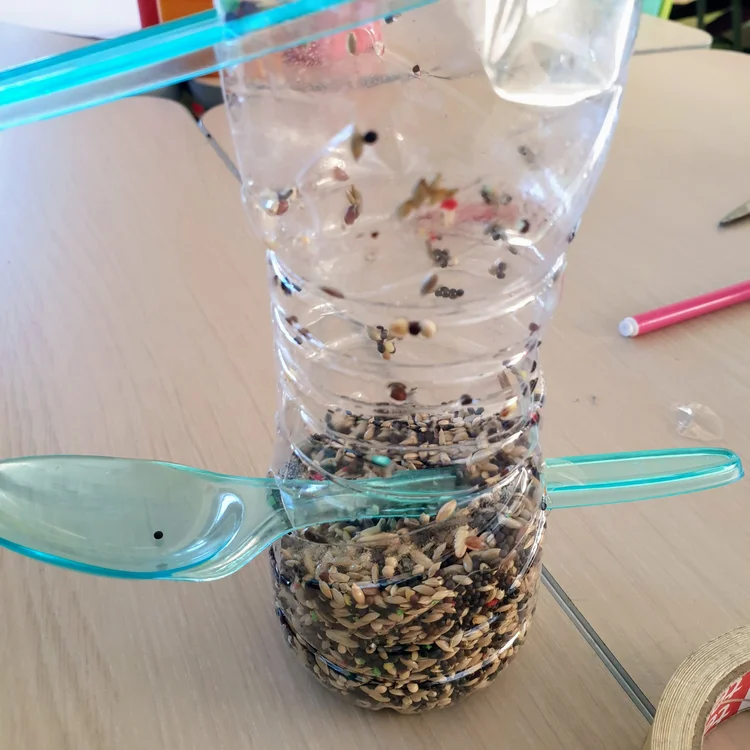
- Wooden spoons or small dowels:These act as perches for the birds to sit on while feeding.
- Drill or awl:Useful for making holes without cracking the plastic.
- Non-toxic glue or waterproof tape:Helps seal and reinforce parts of the feeder.
- Birdseed:Choose a mix suitable for local bird species to attract the right visitors.
Have you ever tried using a different tool to create cleaner cuts or stronger attachments? Sometimes a simple change makes your project easier and your bird feeder lasts longer. What materials do you already have that could work for this?
Preparing The Bottle
Preparing the bottle is the first important task in making a bird feeder. A clean, dry bottle ensures the feeder is safe and inviting for birds. Marking the cutting areas carefully makes the process easier and safer. These steps set a strong foundation for your project.
Cleaning And Drying
Start by rinsing the plastic bottle with warm water. Remove all labels and glue residues to avoid harm to birds. Use mild soap if needed to clean inside and outside thoroughly. Rinse again to remove soap. Let the bottle dry completely before cutting. A dry bottle is easier to handle and less slippery.
Marking Cutting Areas
Use a permanent marker or tape to outline where you will cut. Plan openings for bird access and seed placement. Keep holes smooth and large enough for birds but small enough to hold seeds. Mark spots for hanging holes if you want to suspend the feeder. Clear markings help make precise cuts and a neat finish.
Cutting And Shaping
Cutting and shaping plastic bottles is key to crafting effective bird feeders. This step sets the foundation for a safe and functional design. Careful cutting ensures the feeder lasts long and is safe for birds.
Plastic bottles are easy to shape but need proper handling. Sharp tools make clean cuts and prevent jagged edges. Plan your cuts before starting to avoid mistakes.
Safe Cutting Techniques
Use a sharp utility knife or scissors for precise cuts. Always cut away from your body to avoid injuries. Work on a flat surface for better control.
Wear gloves to protect your hands from sharp edges. Sand the cut edges with fine sandpaper to smooth any rough spots. Keep children away during cutting for safety.
- Mark cutting lines with a permanent marker.
- Cut slowly to maintain control.
- Use a cutting mat or board underneath.
- Wear safety gloves and goggles.
Creating Feeding Ports
Feeding ports are openings where birds access seeds. Cut small holes or windows in the bottle walls for feeding. Make sure holes are big enough for birds but not too large to waste seeds.
Shape ports with rounded edges to protect birds’ feet and beaks. Position feeding ports evenly around the bottle. This allows multiple birds to feed at once.
- Use a hole punch or sharp knife for clean holes.
- Create ports about 1 to 2 inches wide.
- Sand edges of ports for smoothness.
- Place ports near the bottle’s base or middle.
Credit: garethmate.com
Assembling The Feeder
Assembling the bird feeder brings all parts together to create a safe space for birds. It requires careful placement of perches and a secure hanging setup. These steps make the feeder functional and easy for birds to visit.
Adding Perches
Perches give birds a place to sit while they eat. Use small sticks, wooden dowels, or even pencils. Insert them through the bottle holes near the feeding openings.
- Make holes slightly smaller than the perch size for a tight fit.
- Place perches just below the feeding holes for easy access.
- Check that perches are stable and do not wobble.
Properly positioned perches help birds land safely and enjoy their food.
Securing Hanging Mechanism
A strong hanging mechanism keeps the feeder steady in the wind. Use sturdy string, wire, or twine. Attach it through the bottle’s top or neck area.
- Make a loop or knot for secure hanging.
- Ensure the material can hold the feeder’s weight when full.
- Test the hanging by gently pulling to check stability.
Correct hanging allows the feeder to swing gently without falling.
Decorating Ideas
Decorating your plastic bottle bird feeder is a fun way to add personality and charm to your garden. A well-decorated feeder not only attracts birds but also adds a splash of color to your outdoor space. You can choose simple or elaborate designs depending on your style and materials at hand.
Painting And Labeling
Painting your bird feeder is a great way to customize it. Use non-toxic, weather-resistant paints to ensure safety for the birds and durability in the elements.
Try bright colors like red, yellow, or blue to catch the eye of curious birds. You can also paint patterns such as polka dots, stripes, or floral designs.
Adding labels or small signs with bird names or fun messages can make your feeder more interesting. Have you ever noticed how birds respond differently to certain colors? Experimenting with paint might reveal surprising results.
Using Natural Elements
Natural decorations blend your feeder seamlessly into the garden environment. Glue small pine cones, twigs, or dried leaves around the bottle for a rustic look.
You can also wrap jute twine or raffia around the feeder for texture and grip. Adding a few feathers or acorns can create a cozy, inviting feel for your feathered visitors.
Natural elements are not only decorative but also help the feeder blend in, making shy birds feel safer. What natural materials do you have nearby that could add unique flair to your feeder?
Placement Tips
Once you’ve crafted a bird feeder from a plastic bottle, the next crucial step is deciding where to hang it. Placement isn’t just about convenience for you; it’s also about providing a safe and enticing environment for the birds. With a few thoughtful considerations, you can transform your backyard into a bird haven.
Best Locations For Bird Feeders
Choosing the right spot for your bird feeder can make all the difference. Ideally, place the feeder where you can see it easily, yet ensure it’s close to natural shelter like trees or bushes. This helps birds feel safe, offering them a quick escape route if predators appear.
Avoid hanging feeders too close to windows to prevent birds from flying into the glass. If your space is limited, consider placing decals or curtains on the windows to make them more visible to birds. Experiment with different spots to see where birds frequent the most in your yard.
Ensuring Safety For Birds
Safety is paramount when it comes to bird feeder placement. Keep feeders away from areas where cats can easily reach them. If you’re a cat owner, hanging the feeder on a pole or using a baffle can help deter curious felines.
Make sure the feeder is stable and securely hung to prevent it from being knocked over by strong winds or other animals. Regularly check the feeder’s condition and the surrounding area for any hazards. By ensuring your feeder is safe, you’re inviting birds to visit more frequently and stay longer.
Have you ever wondered how a small change in placement might increase your bird visitor count? A simple shift can bring a surprising variety of birds to your feeder. Share your experiences and watch as your backyard becomes a lively spot for feathered friends.
Maintenance And Cleaning
Clean bird feeders regularly to keep birds healthy and prevent mold. Use warm soapy water and rinse well before refilling. Check feeders often for damage and clear any old seeds or debris.
Maintaining and cleaning your homemade bird feeders is essential to ensure they remain a safe and welcoming environment for your feathered friends. Neglecting this task can lead to health issues for the birds and reduce the lifespan of your feeders. Let’s explore how to keep your plastic bottle bird feeders in top shape.Regular Cleaning Schedule
Creating a regular cleaning schedule is crucial. Aim to clean your bird feeders every two weeks, or more often during wet weather. This routine helps prevent the buildup of mold and bacteria. Use a mild dish soap and warm water to clean the feeders. A bottle brush can be particularly helpful for reaching inside the narrow necks of plastic bottles. Rinse thoroughly and allow them to dry completely before refilling with seeds.Preventing Mold And Pests
Mold is a common concern, especially during humid months. Ensure your feeders have adequate drainage to keep seeds dry. You can add small holes at the bottom of the bottle to facilitate water drainage. To deter pests like squirrels and ants, consider placing a baffle above the feeder. You might also try using feeders with smaller openings, making it difficult for larger pests to access the seeds. Regularly inspect your feeders for signs of intrusion and adjust your setup as necessary. What other creative solutions have you found effective in maintaining your bird feeders?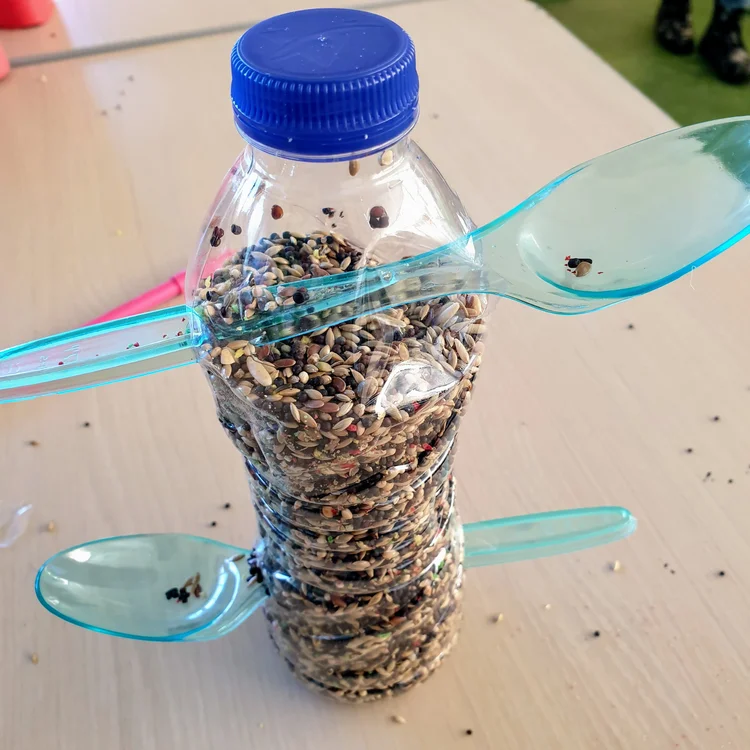
Credit: garethmate.com
Frequently Asked Questions
How Do I Make A Bird Feeder From A Plastic Bottle?
Cut openings in a clean plastic bottle to create feeding ports. Insert wooden spoons or sticks as perches. Fill the bottle with birdseed and hang it securely outdoors where birds can easily access it.
What Materials Are Needed To Create A Plastic Bottle Feeder?
You need a clean plastic bottle, a sharp knife or scissors, wooden spoons or sticks, birdseed, string or wire for hanging. Optionally, paint or markers can decorate the feeder to attract birds.
How Can I Keep Birds Safe Using Plastic Bottle Feeders?
Use non-toxic materials and avoid sharp edges by sanding cut areas. Clean the feeder regularly to prevent mold. Hang the feeder in a safe, quiet location away from predators.
Which Birds Are Attracted To Plastic Bottle Feeders?
Small birds like finches, sparrows, chickadees, and nuthatches are commonly attracted. The feeder’s seed type influences visitors; sunflower seeds attract many species.
Conclusion
Making bird feeders from plastic bottles helps nature and reduces waste. It’s a simple, fun project anyone can try. Birds will enjoy the food, and you’ll enjoy watching them. Use safe materials and place feeders where birds feel safe. Keep feeders clean to help birds stay healthy.
This small effort brings joy and supports wildlife around you. Try making one today and see the difference it makes!




