
Are you tired of other birds stealing the nectar meant for your hummingbirds? Watching those tiny, colorful visitors can be a joyful experience, but it’s frustrating when bigger birds take over your feeder.
You want to enjoy the delicate dance of hummingbirds without interruptions. The good news is, you don’t have to give up your feeder or watch helplessly. You’ll discover simple and effective ways to keep other birds away from your hummingbird feeders.
By the end, you’ll know exactly how to create a peaceful feeding spot just for your favorite little birds. Keep reading to make your garden a hummingbird haven!

Credit: www.yahoo.com
Choose The Right Feeder
Choosing the right feeder helps keep unwanted birds away from your hummingbird feeder. The design and features of the feeder can make a big difference. A good feeder lets hummingbirds feed easily but stops other birds from taking nectar. Picking feeders with special parts can reduce visits by bees, ants, and larger birds.
Select Feeders With Bee Guards
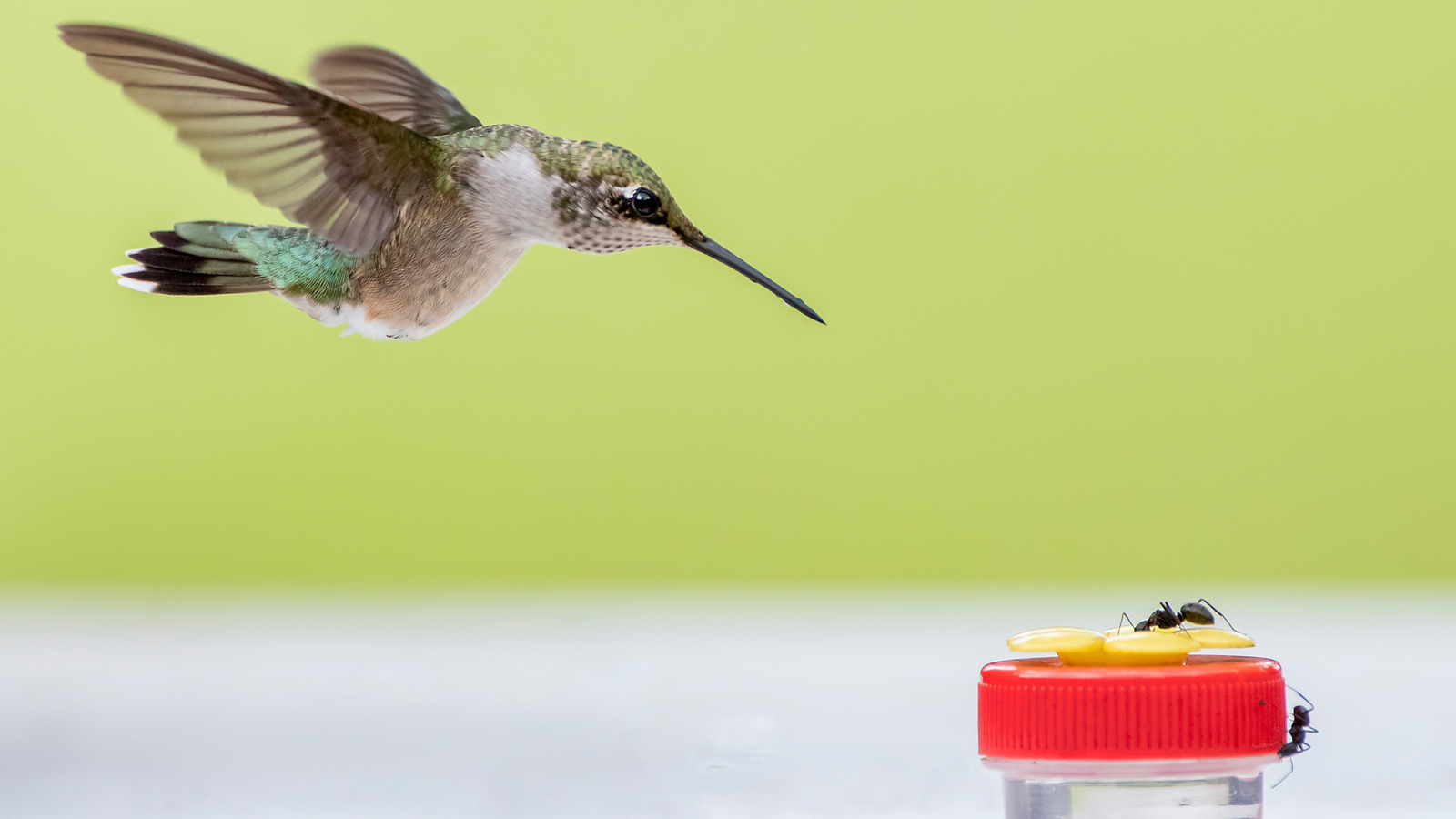
Bee guards are small covers that block bees from reaching the nectar. They stop bees from drinking and building hives on the feeder. These guards allow only hummingbirds to access the feeding ports. Using a feeder with bee guards keeps the nectar clean and fresh for hummingbirds.
Opt For Feeders With Smaller Feeding Ports
Small feeding ports fit hummingbirds’ long, thin beaks. Larger birds cannot reach the nectar through tiny holes. This reduces visits from sparrows, starlings, and other big birds. Small ports also help prevent ants and wasps from feeding. Choose feeders designed with small openings to protect the nectar supply.

Credit: www.reddit.com
Place Feeders Strategically
Placing hummingbird feeders in the right spots helps keep other birds away. Strategic placement creates a safe, inviting space for hummingbirds alone. Choosing open and isolated locations reduces competition and disturbance from larger birds.
Hang Feeders In Open Areas
Choose spots with clear views around the feeder. Open areas make it harder for larger birds to sneak up. Hummingbirds feel safer where they can see predators early. Sunlight helps attract hummingbirds, so pick bright places. Avoid dense bushes or trees that can hide bigger birds.
Avoid Placing Near Bird Feeders For Larger Birds
Keep hummingbird feeders far from seed or suet feeders. Larger birds gather around these feeders in groups. This crowd can scare away hummingbirds from their nectar source. Separate feeding stations by at least 10 feet to reduce conflict. This space lets hummingbirds feed peacefully without interruptions.
Use Specific Nectar Recipes
Using specific nectar recipes helps attract hummingbirds while keeping other birds away. The right mix mimics natural flower nectar, making it more appealing to hummingbirds. It also discourages larger birds that prefer different tastes. Proper nectar recipes create a safe and inviting feeding spot for hummingbirds.
Mix Sugar Water Ratios Preferred By Hummingbirds
Hummingbirds prefer a simple sugar water mix. Use one part white granulated sugar to four parts water. This ratio matches the sweetness of flower nectar. Avoid using honey or brown sugar as these can harm hummingbirds.
Boil water first to dissolve sugar completely and kill bacteria. Let the mixture cool before filling the feeder. Change nectar every few days to keep it fresh. This prevents fermentation and mold growth.
Avoid Additives That Attract Other Birds
Do not add red dye or artificial coloring to the nectar. These additives can attract bees, ants, and larger birds. Plain sugar water is best for hummingbirds alone.
Do not use fruit juices or honey, as they attract unwanted wildlife. Stick to the simple sugar and water mix. This keeps your feeder hummingbird-friendly and less crowded by other birds.
Maintain Feeder Cleanliness
Maintaining cleanliness at your hummingbird feeder is key to keeping other birds away. Clean feeders attract hummingbirds and discourage pests. Dirty feeders can grow mold and bacteria. These harm hummingbirds and attract unwanted birds and insects. Regular care keeps nectar fresh and safe. It also helps your feeder last longer and shine bright to hummingbirds.
Clean Feeders Regularly To Prevent Mold
Wash feeders at least once a week. Use hot water and a mild soap. Avoid harsh chemicals that can hurt birds. Scrub all parts, including tubes and perches. Mold grows quickly inside feeders, especially in warm weather. Rinse thoroughly to remove soap. Let the feeder dry completely before refilling. A clean feeder stops mold and keeps hummingbirds healthy.
Replace Nectar Frequently
Change nectar every two to three days. In hot weather, replace it daily. Old nectar ferments and attracts ants, bees, and other birds. Fresh nectar tastes better and is safer for hummingbirds. Store extra nectar in the fridge. Use a simple recipe: four parts water to one part sugar. Boil water first, then mix sugar. Cool before filling the feeder. Clean, fresh nectar keeps hummingbirds coming back.
Add Visual Deterrents
Adding visual deterrents is an effective way to keep other birds away from hummingbird feeders. Birds rely heavily on sight, so visual cues can easily influence their behavior. These deterrents create an environment that hummingbirds find welcoming but other birds avoid.
Visual deterrents do not harm birds. They simply discourage unwanted visitors through shapes, colors, or reflections. This keeps your feeder safe and ensures hummingbirds have exclusive access to the nectar.
Use Reflective Objects Nearby
Reflective objects create flashes of light that can scare off larger birds. Hang old CDs, aluminum foil strips, or small mirrors near the feeder. The moving light reflections confuse and deter unwanted birds.
Place these objects where sunlight hits them directly. This maximizes reflection and increases their effectiveness. Make sure the reflections do not annoy hummingbirds or block their access.
Employ Decoys To Discourage Other Birds
Decoys mimic predators or territorial birds to keep other birds away. Use plastic owls, hawk figures, or fake snakes near the feeder. These decoys trick birds into thinking the area is unsafe.
Move the decoys occasionally to keep birds from getting used to them. Position them so they are visible but do not frighten the hummingbirds. This balance helps protect the feeder without disturbing your favorite visitors.
Credit: www.housedigest.com
Limit Feeder Access For Larger Birds
Limit feeder access by using specialized feeders designed for hummingbirds. These feeders have smaller ports that discourage larger birds. This ensures hummingbirds can enjoy their nectar undisturbed.
Keeping larger birds away from your hummingbird feeders can be a bit of a challenge. These bigger birds often scare away the tiny hummingbirds or consume most of the nectar themselves. By limiting access to your feeders, you can create a more welcoming environment for your hummingbird visitors. Here are some practical ways to achieve this.Install Cages Around Feeders
Adding a cage around your hummingbird feeder is a simple and effective solution. The cage should have openings large enough for hummingbirds but too small for larger birds. You can find pre-made cages or create your own with wire mesh. A friend once shared how her homemade cage became a conversation starter in her garden. Not only did it keep the bigger birds at bay, but it also added a rustic charm. Isn’t it interesting how a functional piece can become a focal point in your backyard?Use Weight-sensitive Perches
Weight-sensitive perches are a clever way to deter larger birds. These perches are designed to collapse under heavier weight, making it uncomfortable for bigger birds to stay. When a hummingbird lands, the perch remains stable, allowing them to feed with ease. Imagine the satisfaction of watching a persistent blue jay try to land, only to find the perch giving way. It’s like setting up a little test of wits in your garden. Have you ever tried using such innovative solutions in your outdoor space? They can be both entertaining and practical. By implementing these strategies, you can enjoy the lively presence of hummingbirds while keeping other birds at a respectful distance.Frequently Asked Questions
How Can I Prevent Bees From Invading Hummingbird Feeders?
Use feeders with bee guards or small feeding ports. Clean spills promptly to avoid attracting bees. Place feeders in shaded areas to reduce nectar fermentation that attracts insects.
What Feeder Designs Keep Other Birds Away From Hummingbirds?
Choose feeders with small feeding ports and perches designed only for hummingbirds. Avoid feeders with large platforms or multiple perches that attract larger birds.
Does Nectar Composition Affect Unwanted Bird Visits?
Yes, using the correct sugar-to-water ratio (1:4) discourages larger birds. Avoid adding red dye, as it can attract ants and bees.
Where Should I Hang Hummingbird Feeders To Limit Other Birds?
Hang feeders in open spaces away from shrubs or trees. This placement reduces cover for larger birds and keeps hummingbirds safe from predators.
Conclusion
Keeping other birds away from hummingbird feeders can be simple. Use feeder designs that suit hummingbirds only. Place feeders in spots where big birds find hard to reach. Clean feeders often to avoid attracting unwanted guests. Try different feeder styles until you find what works best.
Watching hummingbirds up close is a joy worth protecting. Small changes make a big difference in feeder success. Enjoy your garden filled with tiny, colorful visitors.




