
Have you ever wondered if letting your pet bird fly freely inside your home is a good idea? You might think it’s fun and natural for your feathered friend, but there are important things you need to consider first.
Your home can be full of hidden dangers for a flying bird, and you might not realize how much control you actually have over their safety. Keep reading to discover what you need to know before opening the skies for your pet bird indoors—and how to create a safe, happy space where both of you can enjoy flying moments without worry.
Benefits Of Indoor Flight
Allowing your pet bird to fly indoors offers several benefits that go beyond simple freedom of movement. It creates a healthier and more engaging environment for your feathered friend. Observing your bird enjoy flight inside your home can also deepen the bond you share.
Physical Exercise For Birds
Flight is the best form of exercise for birds. It helps them build strong muscles, maintain a healthy weight, and improve cardiovascular health.
Without enough exercise, birds can become overweight or develop health issues. By letting your bird fly indoors, you provide essential daily activity that cages can’t offer.
Think about how much you move during the day compared to sitting still. Your bird needs that same level of activity to stay fit and happy.
Mental Stimulation And Enrichment
Indoor flight stimulates your bird’s mind in unique ways. Navigating different spaces challenges their problem-solving skills and sharpens their awareness.
Flying freely lets birds explore new sights and sounds, reducing boredom and destructive behaviors. A mentally engaged bird is usually a calmer, friendlier companion.
Have you noticed how your bird acts when it’s stuck in a cage for hours? Letting them fly indoors breaks monotony and keeps their brain active.
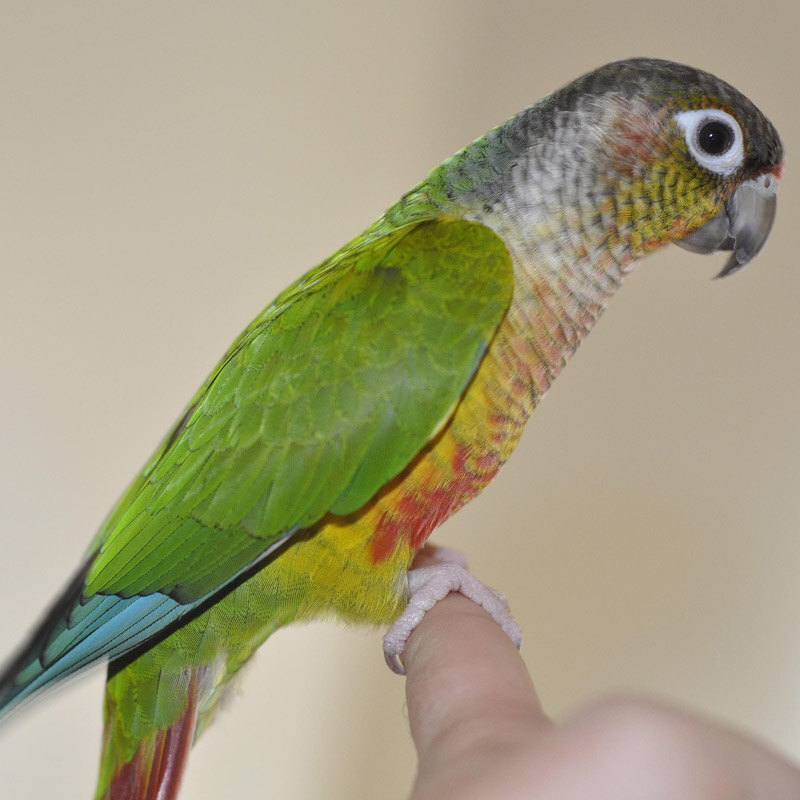
Credit: lafeber.com
Safety Precautions
Allowing your pet bird to fly freely inside your home can be a joyful experience for both you and your feathered friend. However, safety must be your top priority to prevent accidents or injuries. Taking a few simple precautions can create a secure environment where your bird can explore without danger.
Securing Windows And Doors
Open windows and doors are a major escape risk for pet birds. Always keep windows closed or use sturdy screens that your bird cannot push through. Installing locks or childproof latches on doors helps prevent your bird from slipping outside unnoticed.
Consider the noise and activity outside your windows, too. Birds can get startled by sudden movements or loud sounds, which may cause panic and accidental injury. Providing a calm, secure atmosphere near windows is crucial.
Removing Toxic Plants And Hazards
Many common houseplants are toxic to birds and can cause serious health issues if ingested. Identify and remove plants like philodendrons, lilies, and pothos from your bird’s flying area. If you want greenery around, choose bird-safe plants such as spider plants or bamboo.
Beyond plants, check for small objects your bird might swallow or sharp items that could harm its wings or feet. Loose wires, open containers with chemicals, and even ceiling fans can pose threats. Think like a curious bird and bird-proof your space accordingly.
Avoiding Open Flames And Hot Surfaces
Birds are highly sensitive to heat and fumes. Never leave candles, stovetops, or space heaters unattended when your bird is out flying. Even a brief encounter with an open flame or hot surface can cause severe burns or worse.
Smoke and fumes from cooking or cleaning products can also harm your bird’s delicate respiratory system. Ensure your bird’s flying time happens in a well-ventilated, flame-free area. Have you checked all heat sources in your home recently to keep your bird safe?
Training Your Bird To Fly Indoors
Training your bird to fly indoors takes patience and careful planning. It’s not just about letting your feathered friend flap around; you need to build a safe, trusting environment where your bird feels confident. This process improves your bond and keeps your bird safe while enjoying flight within your home.
Building Trust And Recall Skills
Your bird must trust you before it will respond to your calls and commands. Spend time near your bird, speaking softly and offering treats to create positive associations. Practice simple recall by calling your bird’s name and rewarding it when it comes to you.
Try calling your bird from short distances at first. Increase the distance only when your bird consistently responds. This builds a reliable recall skill that is essential for safe indoor flying.
Using Positive Reinforcement
Positive reinforcement is key to encouraging your bird’s good behavior. Use treats, praise, or favorite toys immediately after your bird performs the desired action. This helps your bird understand what behavior you want to see.
Avoid punishment, as it can create fear or anxiety, making flying sessions stressful. Instead, focus on rewarding small steps, like extending wings or hopping toward you, and gradually build up to full flights.
Gradual Flight Practice
Start flight training in a small, bird-proofed room to prevent accidents. Encourage your bird to fly between perches or to your hand over short distances. Keep sessions short and fun to maintain your bird’s interest and energy.
Slowly increase flight distance and complexity as your bird gains confidence. Always watch for signs of fatigue or stress and end sessions on a positive note. How will you ensure your bird’s safety as it explores flying indoors?
Creating A Bird-friendly Environment
Allowing pet birds to fly indoors can boost their happiness and health. Ensure windows and mirrors are covered to prevent accidents. Creating safe spaces helps birds explore without risks.
Creating a safe environment for your pet bird indoors is vital. Birds need a secure and enriching space to thrive. Let’s explore how to create the best environment for your feathered friend.Safe Perches And Landing Spots
Provide sturdy perches throughout your home. Choose materials like natural wood or rope. Avoid plastic or metal, which can be harmful. Place perches at different heights to encourage natural behavior. Ensure there’s enough space for your bird to land safely. Window sills or high shelves can serve as landing spots. Keep these areas clear of obstacles and hazards.Adequate Space For Flight
Birds need ample space to fly and exercise. Clear an area free of furniture and decorations. This open space allows your bird to spread its wings. Ensure windows and mirrors are covered or marked. This prevents accidents and injuries. A room with a high ceiling is ideal for flight.Enrichment Toys And Activities
Provide toys to stimulate your bird’s mind. Choose toys made from safe, non-toxic materials. Rotate toys regularly to keep your bird engaged. Consider puzzle toys that challenge your bird’s problem-solving skills. Offer activities that mimic natural foraging behaviors. Place treats in toys to encourage exploration.Common Risks And How To Prevent Them
Allowing your pet bird to fly freely inside your house can be a joyful experience for both of you. However, it comes with certain risks that can affect your bird’s safety and well-being. Understanding these common risks and learning how to prevent them can help you create a safer environment for your feathered friend.
Collision Injuries
Birds can easily injure themselves by flying into windows, mirrors, or ceiling fans. These collisions can cause bruises, broken bones, or even more severe injuries.
To prevent this, cover windows with decals or curtains to make glass visible. Turn off ceiling fans and keep mirrors covered or out of your bird’s flight path.
Have you noticed how your bird reacts near reflective surfaces? Observing their behavior can help you spot risky areas.
Escaping Outdoors
Birds are naturally curious and may try to escape through open doors or windows. Once outside, they face dangers like predators, traffic, and getting lost.
Always close doors and windows before letting your bird fly inside. Consider installing screens or mesh barriers to keep your bird contained safely.
Think about how fast your bird can fly—minutes outside can turn into a long search if they escape.
Stress And Overexertion
Flying indoors can tire your bird quickly, especially if the space is cluttered or unfamiliar. Overexertion may lead to stress, affecting their health and mood.
Limit flight sessions to short periods and provide plenty of rest. Create a calm environment by removing loud noises and distractions during flight time.
Does your bird seem stressed after flying? Pay attention to signs like heavy breathing or reluctance to perch, and adjust their activity accordingly.
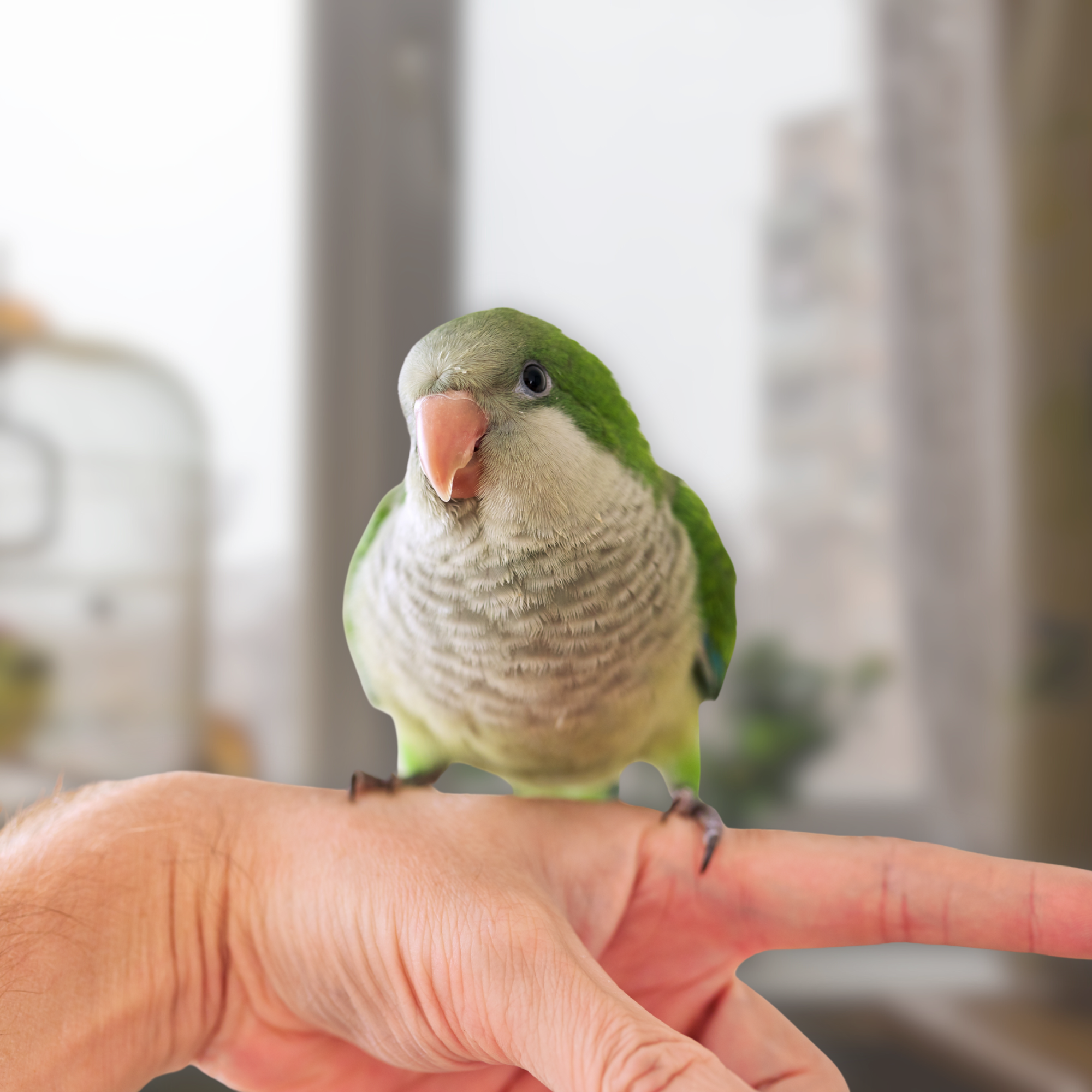
Credit: birdsupplies.com
When Not To Allow Free Flight
Allowing your pet bird to fly freely in your house can be a joyful experience for both of you. However, there are times when it’s best to keep your bird safely confined. Knowing when not to let your feathered friend take flight inside is crucial to their safety and well-being.
Health Issues And Recovery
If your bird is sick or recovering from an illness or injury, free flight should be avoided. Flying requires energy and coordination, which your bird might not have during recovery. Letting your bird fly too soon could worsen their condition or lead to accidents.
Think about your own recovery after being sick. Would you jump into intense activity immediately? Birds need the same gentle care. Keep your bird in a safe, quiet space until they regain strength and your vet gives the green light.
Untrained Or Nervous Birds
Birds that are not trained to fly indoors or that show nervous behavior should not be allowed free flight. An untrained bird might panic, fly into windows, or get stuck in hard-to-reach places. This can cause injury or stress.
Training takes patience and time. Start with short, controlled flights in a safe room. If your bird flaps wildly or freezes in fear, it’s a sign to hold off on free flight until they feel more confident.
Unsafe Home Conditions
Homes with open windows, ceiling fans, or toxic plants are dangerous for free-flying birds. Sharp edges, exposed wires, and open flames also pose serious risks. Your bird’s curiosity can lead them into trouble before you realize it.
Before opening the skies to your bird, do a thorough check of your environment. Close windows and doors, cover mirrors, and remove harmful items. Ask yourself: is your home truly bird-proofed, or is it a potential hazard waiting to happen?

Credit: www.reddit.com
Frequently Asked Questions
Can Pet Birds Safely Fly Inside The House?
Yes, pet birds can fly safely indoors if the environment is bird-proofed. Remove hazards like ceiling fans and open windows. Supervise flights and ensure the bird is healthy and trained to return to its cage or perch.
How To Prepare Your Home For Flying Pet Birds?
Clear sharp objects, cover mirrors, and close windows to protect flying birds. Remove toxic plants and secure electrical cords. Create a spacious, safe flying area free from dangers and distractions for your bird.
What Are The Benefits Of Letting Pet Birds Fly Indoors?
Indoor flying improves birds’ physical health and mental stimulation. It strengthens their muscles and prevents obesity. Flying also reduces boredom and behavioral problems, promoting a happier and more active pet bird.
How Often Should Pet Birds Fly Inside The House?
Allow your bird to fly indoors daily or several times a week. Flight sessions should last 10 to 30 minutes, depending on the bird’s energy and stamina. Regular flying supports their overall well-being and happiness.
Conclusion
Letting your pet bird fly inside can bring joy and exercise. Safety should always come first to protect your bird and home. Create a bird-friendly space free from hazards. Supervise your bird during flight to avoid accidents. With care and attention, indoor flying can be a happy experience.
Remember, each bird is different and needs patience. Enjoy watching your feathered friend explore the room safely. This simple activity can strengthen your bond every day.




