
Have you ever set up a bird feeder in your yard, only to find it quickly taken over by clever squirrels? You might be wondering, can squirrels climb a bird feeder pole and steal the seeds meant for your feathered friends?
Understanding how these agile creatures navigate your feeder can help you protect your bird food and enjoy watching birds without unwanted visitors. Keep reading to discover how squirrels manage to reach your feeder and what you can do to keep them at bay.
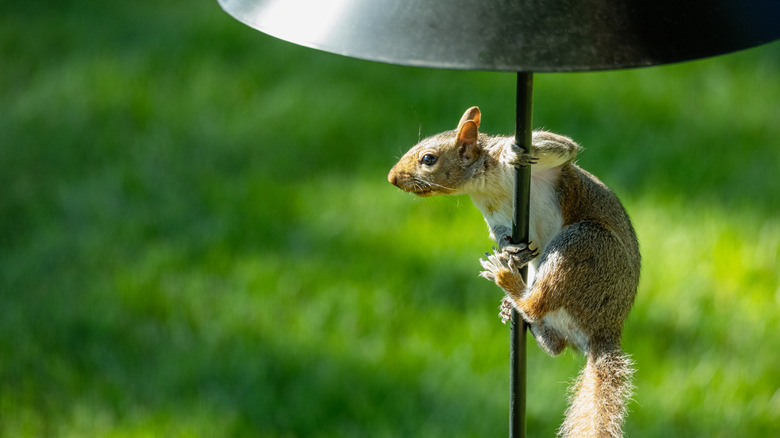
Credit: www.housedigest.com
Squirrel Climbing Skills
Squirrels are excellent climbers and use their skills to reach bird feeders. Their climbing ability allows them to navigate poles with ease. Understanding how they climb helps in designing feeders that resist their access.
How Squirrels Climb Poles
Squirrels use sharp claws to grip surfaces tightly. They wrap their legs around poles for support. Their flexible ankles allow them to turn backward. This ability helps them climb down quickly. They also use their tails for balance.
Common Pole Materials And Grip
Wooden poles offer rough texture for squirrels to grip. Metal poles can be slippery and harder to climb. Some poles are wrapped with plastic or smooth paint. These materials reduce the squirrel’s ability to hold on. Poles with a slick surface challenge their climbing skills.
Squirrel Agility And Strength
Squirrels have strong muscles in their legs and feet. They jump and leap between branches with great precision. Their light body weight helps them cling to narrow surfaces. Quick reflexes allow them to avoid falling. Their agility is key to reaching bird feeders.

Credit: happygardens.com
Why Squirrels Target Bird Feeders
Squirrels are notorious visitors at bird feeders, often turning a peaceful bird-watching experience into a lively squirrel chase. Understanding why squirrels are so drawn to bird feeders helps you manage their visits better. Their interest goes beyond just hunger; it ties closely to their instincts and habits.
Attraction To Food Sources
Squirrels have a keen nose for food, and bird feeders are like an all-you-can-eat buffet for them. They are attracted to the variety of seeds and nuts, which offer high energy and easy access. Unlike other natural sources, bird feeders provide food year-round, especially during scarce winter months.
If you’ve ever seen a squirrel skillfully navigate a feeder pole, you know they are motivated by more than just curiosity—they want the food desperately. This consistent supply can quickly become a favored spot for them.
Feeding Behavior Patterns
Squirrels are opportunistic feeders who prefer easy meals. They tend to visit feeders multiple times a day, storing some of the food nearby for later. Their sharp memory helps them recall feeder locations and the best times to raid them.
Have you noticed how quickly squirrels adapt their tactics if you try to block one route? Their persistence and problem-solving skills make them tough competitors for your bird food.
Impact On Bird Feeding
Squirrels at feeders can disrupt your bird-watching by scaring away smaller birds. They often consume large amounts of seed, leaving less for the intended feathered guests. This can lead you to spend more money on bird food and feel frustrated.
However, some bird lovers enjoy watching the dynamic between squirrels and birds, seeing it as part of backyard wildlife interaction. Still, managing squirrel visits is key to maintaining a balanced feeding environment for birds.
Squirrel Deterrent Strategies
Squirrels are clever climbers and often reach bird feeders. Protecting your feeder means using smart strategies. These methods stop squirrels without harming them. Each strategy offers a different way to keep squirrels away and let birds eat in peace.
Pole Baffles And Guards
Pole baffles and guards block squirrels from climbing poles. These devices are shaped like cones or cylinders. Install them below the feeder. They create a slippery or angled surface that squirrels cannot climb. Metal or plastic baffles work best. They are easy to install and very effective. Check the size to fit your feeder pole perfectly.
Use Of Slippery Coatings
Slippery coatings make poles hard to grip. Apply them to the feeder pole’s surface. Use products like silicone spray or special pole paint. These coatings reduce friction and stop squirrels from climbing. Reapply often, especially after rain. Avoid coatings that harm birds or plants. This method keeps feeders squirrel-free without changing the setup.
Installing Squirrel-proof Feeders
Squirrel-proof feeders have built-in defenses. They often include weight-sensitive perches. When a squirrel lands, the feeder closes access to seeds. Some use cages or wire guards. These feeders allow small birds to enter but block squirrels. Choose feeders made from strong materials. Place them in open areas for better bird visibility. This method protects seeds and attracts more birds.
Environmental And Natural Deterrents
Keeping squirrels away from bird feeder poles can be challenging. Many people prefer natural and eco-friendly ways to deter these agile creatures. Environmental and natural deterrents offer safe and sustainable options to protect your bird feeders.
Planting Squirrel-repellent Plants
Certain plants naturally repel squirrels. These plants have scents or tastes that squirrels dislike. Planting them around your yard or near bird feeders creates a natural barrier. Examples include:
- Mint
- Marigolds
- Garlic
- Daffodils
These plants not only deter squirrels but also add beauty to your garden.
Using Natural Predators
Encouraging natural predators can help control squirrel activity. Birds of prey like hawks and owls hunt squirrels. You can attract these predators by installing perches or nesting boxes. Domestic animals such as cats may also discourage squirrels from approaching bird feeders.
Habitat Modification
Changing the environment around your feeders can reduce squirrel visits. Trim tree branches close to feeders to block easy access. Remove piles of wood, dense shrubs, or other hiding spots near feeders. Keeping the area open makes squirrels feel exposed and less likely to climb poles.
Maintenance And Monitoring Tips
Keeping your bird feeder squirrel-proof requires more than just installing a pole with a baffle. Regular maintenance and close monitoring can make a huge difference in deterring squirrels and ensuring birds get their food. Paying attention to small details can save you from constant frustration and reduce the chances of squirrels outsmarting your setup.
Regular Inspection Of Feeders
Check your bird feeder and pole frequently for any signs of squirrel damage or tampering. Look for chewed parts, loose fittings, or seed spills around the base. Catching problems early lets you fix them before squirrels find a way to climb or access the feeder.
Ask yourself: Are there new scratch marks or gnawing spots? If yes, it’s time to reinforce or reposition your feeder. Don’t wait until squirrels have made a mess or scared away the birds.
Cleaning And Seed Management
Clean your feeder regularly to prevent mold and clumps that attract unwanted pests. Old, damp seed can attract squirrels and other animals more than fresh seed. Make it a habit to empty and wash the feeder at least once every two weeks.
Also, avoid overfilling the feeder. Excess seed falling to the ground creates a buffet for squirrels. Instead, add small amounts more often to keep the area around the pole clean and less appealing to them.
Adjusting Techniques Over Time
Squirrels are clever and can adapt quickly to your feeding station. If you notice they’re still climbing despite your efforts, consider changing the pole’s height or adding a different type of baffle. Sometimes, simple tweaks like moving the feeder farther from trees or fences help a lot.
How often do you reassess your setup? Making small changes based on what you observe keeps squirrels guessing and reduces their success. Staying flexible with your approach is key to keeping your bird feeder squirrel-free.

Credit: www.msn.com
Frequently Asked Questions
Can Squirrels Climb A Smooth Bird Feeder Pole?
Yes, squirrels can climb smooth bird feeder poles. Their sharp claws and strong grip help them scale most surfaces easily, including metal and plastic poles.
Why Do Squirrels Climb Bird Feeder Poles?
Squirrels climb bird feeder poles to access food. Birdseed is a rich and easy food source, attracting squirrels despite barriers.
How To Prevent Squirrels From Climbing Poles?
Use squirrel baffles or slippery pole covers. These create physical barriers that stop squirrels from climbing up to the feeder.
Are All Bird Feeder Poles Climbable By Squirrels?
Most bird feeder poles are climbable by squirrels unless designed with anti-squirrel features. Smooth, slippery, or baffle-equipped poles deter them effectively.
Conclusion
Squirrels are excellent climbers and often reach bird feeder poles. They use their sharp claws to climb smoothly and quickly. This can cause frustration for bird lovers. Protecting feeders needs smart solutions to keep squirrels away. Simple barriers or baffles can help stop them.
Knowing how squirrels climb helps you plan better. Enjoy watching birds without unwanted squirrel visitors. Keeping feeders safe takes patience and care. It’s possible to feed birds without feeding squirrels too.




