
Are you wondering if you can place your bird feeders and hummingbird feeders close together without causing problems? You’re not alone.
Many bird lovers want to enjoy a lively backyard full of different birds, but they worry about whether feeders too close might scare them away or cause fights. What if there’s a simple way to attract more feathered friends without stress?
Keep reading, and you’ll discover smart tips that help you create a peaceful and colorful feeding spot right outside your window.
Placement Basics
Placing bird feeders and hummingbird feeders close together can be tricky. You want to attract a variety of birds, but also keep them safe and comfortable. Understanding the basics of placement helps you create a welcoming environment for all visitors.
Choosing The Right Location
Pick a spot that is visible from your favorite window or outdoor seating area. This makes watching birds enjoyable and easy. Also, choose a location away from heavy foot traffic to avoid scaring the birds away.
Consider placing feeders near natural cover like shrubs or trees. Birds feel safer when they have quick access to shelter. But avoid placing feeders too close to dense foliage where predators might hide.
Balancing Visibility And Safety
Visibility attracts birds, but safety keeps them coming back. Position feeders at least 10 feet apart to reduce competition and aggression between species. This spacing is especially important when feeding hummingbirds alongside larger birds.
Place feeders high enough to deter cats and other predators. A height of 5 to 6 feet often works well. You can add baffles or other barriers to increase safety further.
Have you noticed how some birds hesitate before approaching feeders near open areas? This hesitation shows the balance between feeling safe and being able to spot danger. Adjust your feeder placement if you see fewer visits or signs of stress in your feathered guests.
Spacing Between Feeders
Spacing between bird feeders and hummingbird feeders plays a crucial role in creating a peaceful feeding environment for your feathered visitors. Placing them too close can lead to competition and stress among birds, while too far apart might reduce the overall activity you get to enjoy. Finding the right balance helps you attract a variety of species without causing unnecessary conflicts.
Minimum Distance Guidelines
Experts suggest keeping bird feeders and hummingbird feeders at least 10 to 15 feet apart. This distance allows hummingbirds to feel safe while feeding without disturbance from larger birds. It also helps prevent accidental collisions and reduces the spread of diseases between different types of birds.
If space is limited, try to position the feeders at different heights or separate sides of your yard. Even a small buffer zone can make a big difference in how comfortable the birds feel around your feeders.
Avoiding Territorial Conflicts
Birds, especially hummingbirds, can be very territorial. When feeders are too close, dominant birds may chase away smaller or less aggressive ones, limiting the variety you see. Have you noticed aggressive behavior around your feeders?
To reduce conflicts, place feeders near natural cover like bushes or trees. This gives smaller birds quick escape routes and safe resting spots. You can also add multiple feeders spaced out to spread out the competition and keep the peace.
Remember, spacing isn’t just about distance—it’s about creating a welcoming space where all your backyard birds can thrive together.
Feeder Types And Designs
Choosing the right feeders is key if you want to attract both regular birds and hummingbirds to your garden. Different species have different needs, so understanding feeder types and designs helps you create a welcoming space for everyone. Let’s look at what makes bird feeders and hummingbird feeders unique, and how you can pick the best ones for a mixed setup.
Differences Between Bird And Hummingbird Feeders
Bird feeders usually have larger feeding ports and trays to hold seeds or nuts. They are built to withstand bigger birds and often include perches or trays where birds can comfortably sit while eating.
Hummingbird feeders, on the other hand, are designed for tiny beaks. They have small feeding holes or ports that allow hummingbirds to sip nectar without letting other birds steal the food. Most hummingbird feeders are bright red or have red accents to attract these colorful visitors.
- Bird feeders hold seeds like sunflower or millet.
- Hummingbird feeders hold sugar water or nectar.
- Bird feeders feature perches; hummingbird feeders rely on hovering.
If you’ve ever watched a hummingbird try to land on a large bird feeder, you know how tricky it can be! Their feeding style is very different, which is why the designs must match their specific behaviors.
Selecting Suitable Feeders For Mixed Setups
Placing bird and hummingbird feeders close together is possible, but you need to pick models that reduce competition and stress. Look for hummingbird feeders with bee guards and ant moats to keep the nectar clean and safe.
For regular birds, feeders with separate compartments or those that limit seed spillage work well in mixed setups. This prevents cross-contamination and keeps the food fresh longer.
| Feature | Ideal Bird Feeder | Ideal Hummingbird Feeder |
|---|---|---|
| Feeding Ports | Wide, multiple ports with perches | Small holes, no perches to encourage hovering |
| Food Type | Seeds, nuts | Sugar water/nectar |
| Protection Features | Squirrel guards, weather shields | Ant moats, bee guards, bright colors |
Have you tried placing feeders at different heights? Sometimes hummingbirds prefer higher spots, while many seed-eating birds stay lower. Experimenting with placement can make a big difference in how peacefully your feathered friends share the space.
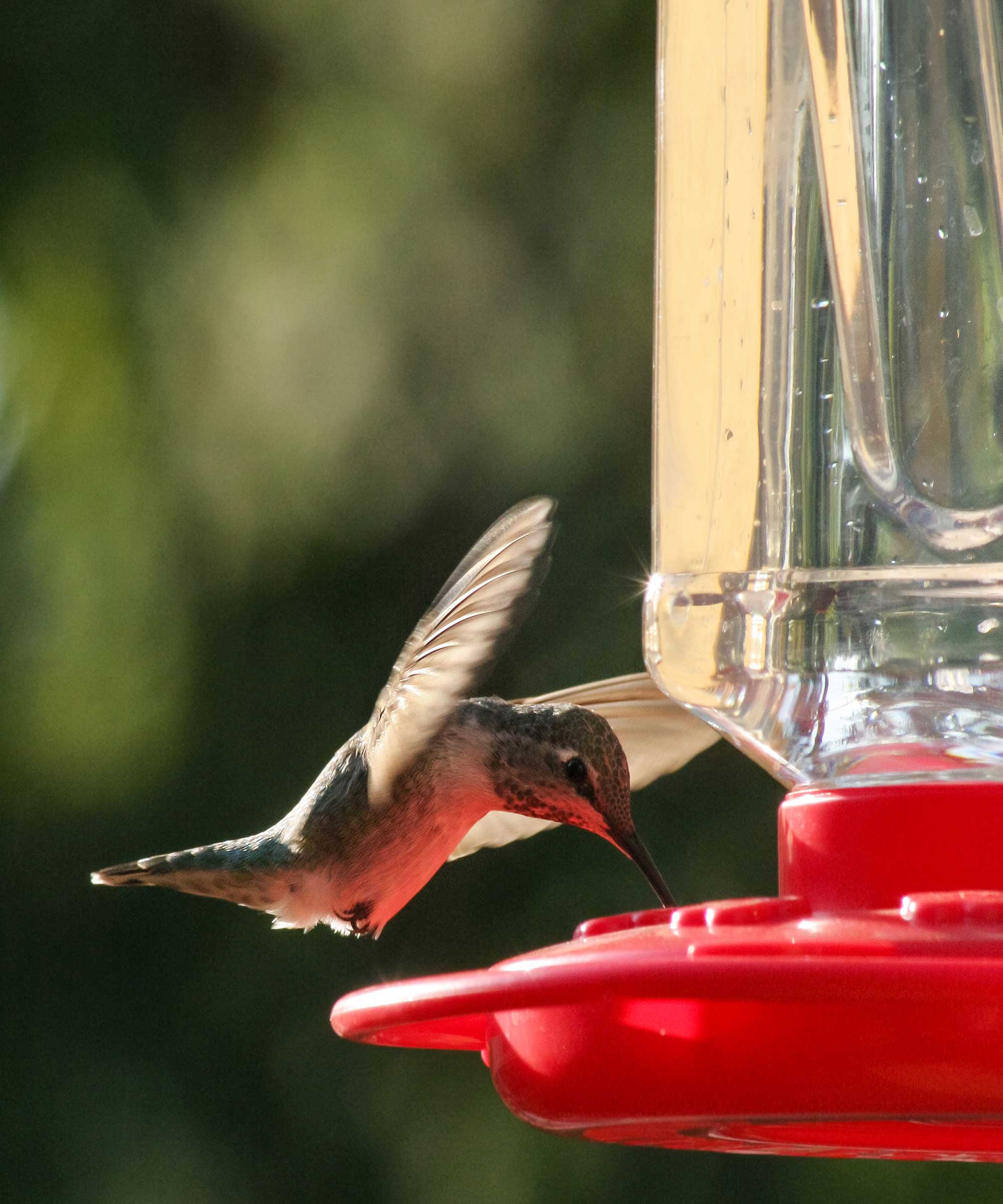
Credit: www.homesandgardens.com
Feeding Schedules
Feeding schedules play a key role in keeping both bird feeders and hummingbird feeders close together. Proper timing helps reduce conflicts between different bird species. It also ensures that nectar and seeds stay fresh and appealing. Careful planning of feeding times can create a peaceful environment where birds feed comfortably.
Timing To Reduce Competition
Setting feeding times can help lower competition among birds. Hummingbirds often feed early in the morning and late afternoon. Other birds prefer mid-day feeding. Offering food at different times allows all birds to eat without stress.
Observe your local bird activity to pick the best feeding hours. Feeders placed close together benefit from staggered schedules. This reduces overcrowding and aggressive behavior. It also encourages more bird visits throughout the day.
Maintaining Fresh Nectar And Seeds
Fresh nectar and seeds attract birds and keep them healthy. Nectar can spoil quickly in warm weather, so replace it every two to three days. Clean feeders regularly to prevent mold and bacteria growth.
Seed feeders should also be checked for damp or moldy seeds. Remove old or wet seeds daily. Fresh food promotes frequent visits and reduces the risk of illness. Feeding on a consistent schedule helps maintain food quality and bird safety.
Attracting Various Bird Species
Attracting a variety of birds to your garden creates a lively and colorful space. Different bird species have unique tastes and habits. Knowing these helps you offer the right foods and setup. Placing bird feeders and hummingbird feeders near each other can invite many types of birds. It makes feeding time more exciting and enjoyable to watch.
Food Preferences For Different Birds
Bird species prefer different foods. Some like seeds, others prefer nectar or insects. Here are common preferences:
- Sparrows and finches enjoy seeds like sunflower and millet.
- Woodpeckers and nuthatches like suet and nuts.
- Hummingbirds feed on sugar water or nectar.
- Robins prefer fruits and insects.
Offering a variety of foods attracts more birds. It also helps you keep them healthy and happy.
Creating A Bird-friendly Environment
Place feeders in safe, quiet spots near trees or shrubs. Birds feel safer with cover nearby. Keep feeders clean to prevent disease. Use fresh food and change nectar regularly. Provide fresh water for drinking and bathing. Avoid placing feeders too close together to reduce fights. But having hummingbird and seed feeders near can work well.
With the right food and safe space, your garden becomes a bird haven. Different birds will visit and stay longer.

Credit: www.natureswaybirds.com
Safety And Hygiene Tips
Positioning bird feeders near hummingbird feeders can be safe and hygienic with proper maintenance. Clean both feeders regularly to prevent mold and bacteria. Ensure there’s enough space to minimize bird crowding and reduce the spread of disease.
Providing a safe and hygienic environment for your feathered friends is crucial when placing bird feeders and hummingbird feeders close together. Proper maintenance can help prevent the spread of disease and ensure the health of the visiting birds. By following specific safety and hygiene tips, you can create a thriving haven for these delightful creatures.Preventing Disease Spread
Birds, like any other creatures, can be susceptible to diseases. When you place bird feeders and hummingbird feeders close together, the potential for disease transmission can increase. To mitigate this risk, it’s essential to regularly monitor the health of the birds visiting your feeders. One effective way to prevent disease spread is by rotating the feeding sites. Moving feeders to different locations in your yard every few weeks can minimize the concentration of droppings and contaminants in one area. Additionally, avoid overcrowding by limiting the number of feeders in a single spot. This practice reduces bird-to-bird contact and lowers the chance of disease transmission.Regular Cleaning Practices
Cleaning your feeders regularly is a fundamental aspect of feeder hygiene. A well-maintained feeder not only attracts more birds but also keeps them safe from potential hazards. Make a habit of cleaning your feeders at least once a week. Use a solution of one part white vinegar to four parts water for effective cleaning. This solution is safe for birds and efficiently removes mold and bacteria. Scrub the feeders thoroughly, ensuring no residue is left behind, and rinse them well with clean water before refilling. An easy way to remember your cleaning schedule is to set a weekly reminder on your phone or calendar. Consistent cleaning not only supports bird health but also enhances your enjoyment of birdwatching as you observe their lively antics in a safe environment. Isn’t it fascinating how simple practices can make such a big difference? By maintaining these safety and hygiene tips, you ensure that your backyard remains a welcoming sanctuary for birds, offering you endless moments of joy and tranquility.
Credit: www.newsbreak.com
Frequently Asked Questions
Can Bird Feeders And Hummingbird Feeders Be Placed Close?
Yes, they can be close but with enough space to reduce competition and aggression. Keep at least 3-5 feet apart to avoid territorial disputes and allow safe feeding for both birds.
Will Hummingbirds Avoid Feeders Near Regular Bird Feeders?
Hummingbirds might hesitate if feeders are too close. Proper spacing helps hummingbirds feel safe and encourages them to visit your feeder regularly.
How Far Apart Should Bird And Hummingbird Feeders Be?
Place feeders 3-5 feet apart to minimize conflicts. This distance reduces stress among birds and promotes peaceful feeding environments for both species.
Does Placing Feeders Close Attract More Birds?
Close feeders may attract more birds but increase competition and aggression. Proper spacing creates a balanced, enjoyable feeding space for all birds.
Conclusion
Bird feeders and hummingbird feeders can be placed close together with care. Keep enough space to avoid crowding and fights. Clean both feeders often to keep birds healthy. Watch how birds behave near feeders and adjust if needed. This helps create a peaceful spot for many bird types.
Enjoy the variety of birds visiting your yard safely. Simple steps make feeding fun for you and the birds.




