
Have you ever wondered what goes on in your backyard when you’re not looking? Bird feeders with cameras offer a front-row seat to nature’s secret show.
But are they really worth the cost and effort? If you love birds and want to capture their every move, this could be a game-changer for you. You’ll discover the real benefits, possible downsides, and what to expect before you decide to bring one home.
Keep reading to find out if a bird feeder with a camera is the perfect addition to your outdoor space.

Credit: www.nationalgeographic.com
Benefits Of Bird Feeders With Cameras
Bird feeders with cameras add a new layer of excitement and insight to your birdwatching hobby. They offer benefits that go beyond simply attracting birds to your garden. With a camera, you can observe birds more closely and learn from their natural behaviors without disturbing them.
Attracting Diverse Bird Species
Bird feeders with cameras often lure a wider variety of bird species. The presence of a camera can help you spot even the shyest or most elusive visitors. You might notice birds that rarely come close to humans, increasing the diversity in your backyard.
Using different camera angles and feeder types, you can experiment with what attracts certain species. Have you ever wondered which feeder design brings the most colorful birds? Cameras let you track these preferences easily over time.
Capturing Unique Bird Behaviors
Watching birds live is wonderful, but capturing their unique behaviors on camera takes it further. You get to see feeding patterns, mating dances, or even interactions between different bird species. These moments often go unnoticed in real-time observation.
With recorded footage, you can pause and review fascinating details. It’s like having your own wildlife documentary right at home. Have you tried spotting subtle behaviors like a bird’s reaction to another visitor? A camera makes it possible.
Enhancing Birdwatching Experience
Bird feeders with cameras transform birdwatching into a more immersive experience. Instead of just watching from a distance, you engage with the birds through technology. It adds excitement and makes the hobby accessible even during bad weather or nighttime.
Sharing bird videos with friends or on social media creates connections and sparks conversations. Imagine the joy of showing a rare bird visit caught on camera. How often do you get to share such special moments?
Educational Opportunities
These feeders serve as powerful educational tools for both adults and children. Watching birds up close helps you learn about different species, their diets, and behaviors. It’s a hands-on way to study nature without leaving your home.
Bird cameras also encourage curiosity and scientific thinking. You can keep a log of bird activity, compare species, or even start a small research project. What new bird facts could you discover by observing your feeder daily?
Types Of Bird Feeders With Cameras
Bird feeders with cameras come in different styles to fit various needs and budgets. Choosing the right type can enhance your birdwatching experience and help you capture amazing footage. Understanding the main types will guide you to the best option for your backyard setup.
Built-in Camera Feeders
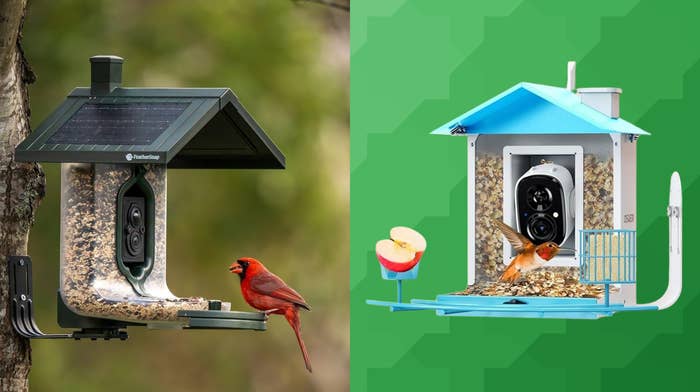
These feeders have cameras integrated directly into the design. They often look like regular bird feeders but include a small, discreet camera lens. This setup reduces the hassle of extra equipment and wiring.
Built-in camera feeders are usually easy to install and come ready to use. You just fill them with birdseed and connect to an app or monitor. However, their fixed camera angle might limit your ability to get different views.
Attachable Camera Feeders
Attachable cameras are designed to be added to existing feeders. You can clip or mount a small camera onto almost any feeder style. This option offers more flexibility if you already have a favorite feeder.
With attachable cameras, you can adjust the angle or move the camera to capture different shots. You’ll need to manage the camera’s power source and connectivity separately, which can be a bit tricky at first. But it gives you freedom to customize your birdwatching setup.
Wireless Vs Wired Options
Wireless cameras use Wi-Fi or Bluetooth to send live video to your phone or computer. They’re easier to install since you don’t have to run cables through your yard. Battery life varies, so you might need to recharge or replace batteries regularly.
Wired cameras require a physical connection to a power source or recording device. They tend to offer more reliable streaming and don’t need frequent charging. However, installation can be more complex, especially outdoors where weatherproofing is important.
- Wireless Pros:Easy setup, flexible placement
- Wireless Cons:Battery maintenance, signal range limits
- Wired Pros:Stable connection, continuous power
- Wired Cons:Harder installation, visible cables
Popular Brands And Models
Some brands stand out for quality and customer satisfaction. For built-in feeders, the Bird Buddy feeder is a favorite for its sharp camera and user-friendly app. It offers real-time bird identification, which adds a fun twist.
Attachable options like the Avenview Birdhouse Camera are praised for easy mounting and clear video quality. If you want a wired solution, the Reolink Argus series provides excellent resolution and weatherproof durability.
Which features matter most to you—ease of use, video quality, or extra smart functions? Your choice depends on how you want to interact with your feathered visitors.
Camera Features To Consider
Choosing a bird feeder with a camera means looking closely at the camera’s features. These features decide how well you can watch and enjoy your feathered visitors. Pay attention to what matters most for your bird-watching experience to get the best value.
Resolution And Image Quality
High resolution makes a big difference in how clearly you see birds. A camera with at least 1080p resolution captures sharp details like feather patterns and colors. If you want to spot small birds or catch fast movements, better image quality matters.
Remember, a crisp image helps you identify species and enjoy every visit. Don’t settle for blurry or pixelated videos, as they can ruin the fun.
Night Vision Capabilities
Bird feeders don’t stop attracting visitors after sunset. Some birds and other wildlife come at dawn or dusk, and night vision lets you watch them. Look for cameras with infrared LEDs that provide clear black-and-white images in low light.
Ask yourself: do you want to see nocturnal animals around your feeder? If yes, night vision is a feature you shouldn’t overlook.
Motion Detection And Alerts
Motion detection saves you from watching empty feeders all day. A camera with smart sensors can alert you when birds arrive, so you never miss a moment. Good motion detection also filters out false alarms caused by wind or passing cars.
Think about how often you want updates. Some cameras send instant notifications to your phone, while others store clips for later viewing. Choose what fits your lifestyle best.
Storage And Connectivity
How and where your footage is stored is critical. Some cameras use local storage like microSD cards, giving you control but requiring manual retrieval. Others offer cloud storage, which is convenient but might come with subscription fees.
Connectivity options like Wi-Fi or Bluetooth affect how easily you access live feeds and recordings. Consider your home’s internet setup and how often you want to check in on your feathered friends remotely.
Credit: www.buzzfeed.com
Installation And Maintenance Tips
Bird feeders with cameras offer a fascinating way to observe wildlife. Proper installation and maintenance are key for optimal performance. This section provides essential tips to ensure your feeder functions smoothly and remains a joy to use.
Best Placement Strategies
Choose a quiet spot away from heavy foot traffic. Birds prefer calm environments where they feel safe. Keep feeders at least five feet off the ground. This height deters predators like cats. Ensure the camera faces a direction with good lighting. Natural light improves video quality and visibility.
Power Supply Options
Consider solar-powered bird feeders for eco-friendly energy. They harness sunlight and often come with built-in batteries. For wired options, ensure a nearby power source. Use outdoor extension cords with waterproof covers. Battery-powered feeders offer flexibility. Regularly check battery levels to avoid interruptions.
Cleaning And Upkeep
Clean feeders every two weeks to prevent mold and disease. Use warm water and mild soap for scrubbing. Rinse thoroughly to remove all soap residues. Allow feeders to dry completely before refilling. Regularly check for wear and tear. Replace any damaged parts promptly.
Troubleshooting Common Issues
Blurry images often result from dirty lenses. Gently clean the camera lens with a microfiber cloth. If the camera disconnects frequently, check Wi-Fi strength. Ensure the feeder is within range of your router. For power issues, verify all connections are secure. Replace faulty cables or batteries as needed.
Cost And Value Analysis
Understanding the cost and value of bird feeders with cameras helps in making a smart choice. These devices combine feeding and wildlife watching into one. The upfront cost can be higher than simple feeders. Yet, the benefits may outweigh the expenses over time. Examining price ranges, long-term benefits, and comparisons to traditional feeders clarifies their worth.
Price Ranges
Bird feeders with cameras vary widely in price. Basic models start around $50. Mid-range options cost between $100 and $200. High-end feeders with advanced features can exceed $300. Prices depend on camera quality, feeder design, and connectivity options. Some include night vision and motion sensors. Understanding these ranges helps set a realistic budget.
Long-term Benefits Vs Expenses
These feeders provide more than just food. They offer real-time bird watching from home. Recording and sharing bird activity adds enjoyment. This can save money on trips or bird watching tours. Some models help monitor bird health and species variety. Over time, these benefits can justify the initial expense. Maintenance costs are usually low, mainly replacing seeds and batteries.
Comparing To Traditional Feeders
- Traditional feeders cost less, often under $30.
- They require no power or tech setup.
- They only serve the feeding purpose.
- Feeders with cameras add entertainment and education.
- They need electricity or batteries and internet access.
- The choice depends on budget and user interest.
User Experiences And Reviews
User experiences and reviews provide valuable insights about bird feeders with cameras. They reveal what users like and dislike. These opinions help potential buyers decide if these feeders suit their needs.
Many users share their thoughts online. Positive feedback often highlights ease of use and clear images. Complaints tend to focus on technical issues or durability. Real-life stories show how these feeders bring joy and learning.
Positive Feedback Highlights
- High-quality video captures detailed bird behavior.
- Easy setup with user-friendly apps and controls.
- Allows birdwatching without disturbing the birds.
- Helps identify different bird species clearly.
- Provides enjoyment for all family members.
Common Complaints
- Some cameras have poor battery life.
- Connectivity issues with Wi-Fi can cause frustration.
- Occasional blurry or low-light images reported.
- Feeders may require frequent cleaning to avoid clogging.
- Price can be high for basic models.
Real-life Success Stories
One user captured a rare bird visit after months of waiting. Another family turned birdwatching into a fun outdoor activity. A nature teacher used the feeder camera for student lessons. These stories show how these feeders create memorable experiences.
Alternatives To Camera Feeders
Bird enthusiasts often want to capture close-up views of birds without disturbing them. Bird feeders with cameras offer one way to do this. Yet, there are other useful options that provide different experiences and benefits. These alternatives can suit varied budgets and interests.
Exploring options beyond camera feeders can enrich birdwatching. Some tools focus on clear visuals, while others help identify birds or observe them from a distance. Each choice has unique advantages that enhance outdoor birding.
Standalone Bird Cameras
Standalone bird cameras are designed specifically for wildlife. They often feature motion sensors to capture birds in action automatically. These devices can be placed near feeders or natural habitats. They work without needing constant attention or smartphone apps. Many models record videos or take photos with good resolution. This option suits those who want detailed images without setting up complex systems.
Smartphone Birdwatching Apps
Smartphone apps help identify birds by sight and sound. Users can listen to bird calls and compare them with live birds. These apps often include detailed guides and photos. Some allow users to log sightings and share with birdwatching communities. Apps are cost-effective and easy to update with new data. They encourage learning and make birdwatching interactive.
Binoculars And Spotting Scopes
Binoculars and spotting scopes offer clear views from a distance. They help observe bird behavior without causing stress to the animals. Binoculars are portable and simple to use outdoors. Spotting scopes provide higher magnification for detailed observation. Both tools improve the birdwatching experience in natural settings. They require no power source and offer instant visual feedback.

Credit: www.amazon.com
Frequently Asked Questions
Are Bird Feeders With Cameras Worth The Investment?
Bird feeders with cameras offer unique wildlife views and educational value. They help monitor bird species and behaviors, enhancing birdwatching enjoyment. Though pricier, their benefits justify the cost for enthusiasts and researchers alike.
How Do Camera Bird Feeders Improve Birdwatching?
Camera bird feeders capture close-up, detailed images and videos of birds. They allow observation without disturbing wildlife, providing a natural, intimate viewing experience. This technology broadens access to birdwatching anytime, anywhere.
Can Bird Feeders With Cameras Attract More Birds?
Yes, camera-equipped feeders often use quality feeders and seeds, attracting diverse bird species. The presence of a camera doesn’t deter birds; it can increase interest and activity around the feeder.
What Features To Look For In Camera Bird Feeders?
Look for high-resolution cameras, motion sensors, night vision, and weatherproof designs. Easy setup and remote viewing capabilities enhance user experience. Battery life and storage options are also important considerations.
Conclusion
Bird feeders with cameras offer a unique way to watch birds up close. They bring nature right to your home. You can see bird behaviors that are hard to notice otherwise. These feeders create fun moments and learning chances for all ages.
The cost and effort might be higher than regular feeders. Still, many find the extra experience worth it. Think about your budget and interest in bird watching before buying. A camera feeder can turn simple bird feeding into an exciting hobby.
Why not give it a try?




