
Have you ever wondered why people say, “birds of a feather flock together”? It’s a phrase you’ve probably heard many times, but do you know where it actually comes from?
Understanding the origin of this saying can give you a fresh perspective on how we connect with others. If you want to uncover the surprising history behind this common expression and see how it relates to your own relationships, keep reading.
This simple phrase holds more meaning than you might think.

Credit: podcasts.apple.com
Phrase Origins
The phrase “birds of a feather” is a popular saying used to describe people with similar interests or characteristics. Its origin traces back centuries and reveals interesting insights about language and culture. Understanding the phrase’s beginnings helps us see how it became common in English.
Early Uses In Literature
The phrase first appeared in English literature in the 16th century. Writers used it to show how similar people tend to gather together. One of the earliest recorded examples is in William Turner’s work in 1545. He wrote, “Birds of a feather flock together,” to describe natural behavior.
Shakespeare also referenced the idea in his plays. His use helped spread the phrase’s popularity. Over time, it became a common proverb found in many books and speeches.
Historical Context
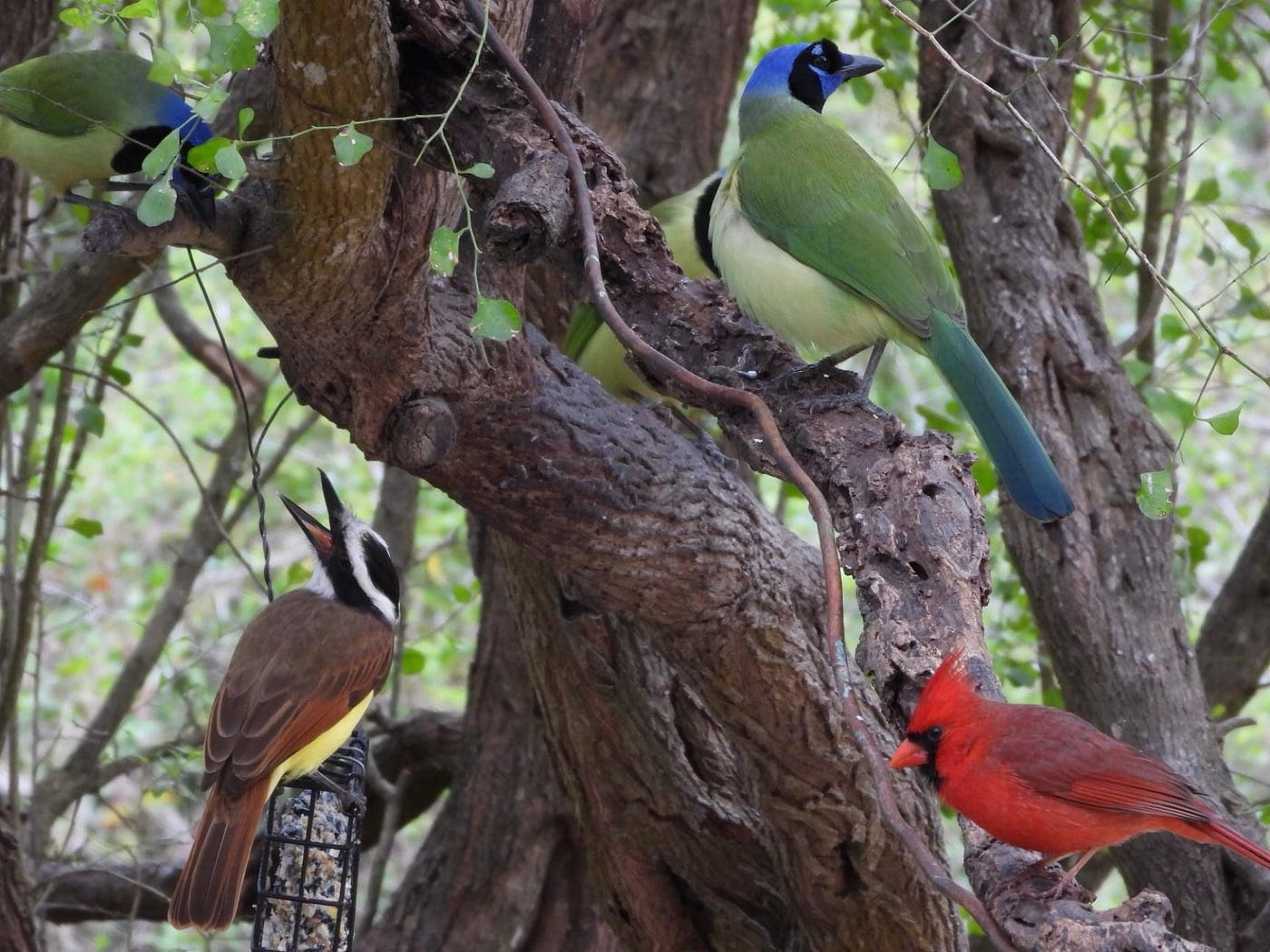
The saying reflects an old observation about nature. Birds of the same species often fly in groups for safety and support. People noticed this and compared it to human behavior. The phrase grew from this natural fact to explain social habits.
In history, communities often formed around shared beliefs, jobs, or backgrounds. This made the phrase useful to describe social groups. It highlighted how humans, like birds, prefer company of their kind.
Meaning Evolution
The phrase “birds of a feather” has changed its meaning over time, reflecting shifts in how people view social groups and common interests. Understanding this evolution helps you see why the phrase still feels relevant today. Its journey from a simple observation about birds to a popular saying about people reveals much about language and culture.
Original Interpretation
Originally, “birds of a feather” described the natural behavior of birds flocking with others like themselves. This observation highlighted how similar creatures tend to stick together for safety and companionship. The phrase captured this idea of natural grouping, focusing on physical likeness and instinctive bonds.
People noticed how birds with similar feathers often flew in flocks, which led to the phrase symbolizing the idea that alike individuals prefer to be together. This early meaning was straightforward and linked closely to nature rather than human behavior.
Modern Usage
Today, the phrase has broadened to describe people who share interests, values, or characteristics, not just physical traits. You might hear it used when talking about friends, coworkers, or communities that bond over common hobbies or beliefs.
Think about your own circle of friends—do you notice how you naturally connect with those who have similar attitudes or tastes? This modern use reflects social dynamics more than biology. It encourages you to consider how your relationships form and what draws you to certain groups.
Have you ever wondered why you click instantly with some people but not others? “Birds of a feather” offers a simple way to explain this feeling. It reminds you that shared qualities often create the strongest connections.
Cultural Impact
The phrase “Birds of a feather” has shaped more than just everyday conversations; it has woven itself into the fabric of culture worldwide. Understanding its cultural impact reveals how language and media influence and reflect human connections. This phrase does more than describe similarity; it acts as a bridge connecting ideas, stories, and social behaviors.
Influence On Language
“Birds of a feather” has become a shorthand in language for describing people who share interests or characteristics. You might notice it popping up in casual chats, formal writing, or even speeches to quickly communicate a sense of belonging or commonality.
Its simplicity and vivid imagery make it easy to remember and use. Have you ever caught yourself grouping people mentally with this phrase? That’s the phrase working in your mind to categorize social bonds efficiently.
Presence In Popular Media
This phrase has flown into movies, TV shows, and books, often used to highlight friendships or rivalries. Writers use it to show that characters naturally gravitate toward those like themselves, helping you understand relationships without lengthy explanations.
Think about your favorite show or film—chances are you’ve heard a character say “birds of a feather” or seen the idea reflected in the storyline. It’s a quick way to connect with audiences because everyone recognizes the concept.
Similar Expressions
Birds of a feather means people with similar interests stick together. Similar expressions include “like attracts like” and “cut from the same cloth. ” These phrases show how people often bond over shared traits or habits.
In the fascinating world of idioms, “birds of a feather flock together” stands out. It suggests people with similar traits often group together. This idea isn’t unique to English. Many cultures have their own expressions conveying similar meanings. Let’s explore some of these equivalent phrases and how they’ve changed over time.Equivalent Phrases Worldwide
Expressions similar to “birds of a feather” exist globally. They capture the essence of similarity and companionship.- In Spanish, there’s “Dios los cría y ellos se juntan.” It means God creates them and they come together.
- In Chinese, a common phrase is “物以类聚,” which translates to “things of a kind come together.”
- In Arabic, people say “الطيور على أشكالها تقع,” translating to “birds land on things similar to them.”
Variations Over Time
Over time, expressions evolve. “Birds of a feather” remains popular but has seen variations.- In old English, people said, “Birds of a feather will gather together.”
- In literature, variations appear, like “birds of the same kind.”
- Modern slang sometimes shortens it to just “birds of a feather.”
Why It Endures
The phrase “birds of a feather” has stood the test of time because it taps into something deeply human. You notice it in everyday life—how you naturally gravitate toward people who share your interests or values. But why does this simple idea continue to resonate across generations and cultures? Understanding its lasting appeal reveals a lot about how we connect and interact.
Psychological Appeal
Humans crave belonging. When you find others like yourself, it creates a sense of comfort and security. This phrase captures that feeling perfectly.
Think about your own experiences. Have you ever felt awkward at a gathering until you spotted someone who liked the same music or hobbies? That instant connection shows why “birds of a feather” feels so true.
It also relates to how our brains work. We tend to trust and bond quicker with people who mirror our thoughts or behaviors. This natural preference helps explain why the saying remains relevant.
Social Relevance
In today’s world, where communities are more diverse than ever, the idea behind “birds of a feather” still guides social groups. You see it in clubs, workplaces, and online forums where shared interests bring people together.
Social media platforms, for example, often create echo chambers where like-minded individuals gather. This can be both positive—offering support and understanding—and challenging, by limiting exposure to new ideas.
Ask yourself: how often do you choose your friends, colleagues, or even news sources based on shared beliefs? Recognizing this tendency helps you make more conscious choices about your social circles.

Credit: www.penguinrandomhouse.com
Credit: medium.com
Frequently Asked Questions
What Is The Origin Of The Phrase “birds Of A Feather”?
The phrase “birds of a feather” dates back to the 16th century. It means people with similar interests or characteristics tend to group together. The expression comes from the observation that birds of the same species flock together.
How Did “birds Of A Feather” Become Popular?
The phrase gained popularity through English literature and proverbs. Writers like William Turner first used it in the 1500s. Its catchy, relatable meaning helped it spread widely across cultures and languages over time.
What Does “birds Of A Feather” Mean Today?
Today, the phrase means individuals with similar traits or interests naturally associate. It highlights human tendency to form groups based on shared qualities. The saying is used in social, cultural, and psychological contexts.
Are There Similar Phrases To “birds Of A Feather”?
Yes, similar phrases include “like attracts like” and “similar kinds flock together. ” These expressions convey the same idea of people or things with common traits sticking together.
Conclusion
The phrase “birds of a feather” has a long, interesting history. It shows how people notice similarities in others. This saying helps us understand how groups form. People like to connect with those who share their traits. Knowing the origin makes the phrase more meaningful.
Next time you hear it, you will know why it fits so well. Language grows from everyday life and nature. Simple words can tell powerful stories.




