
Have you ever watched a movie and felt like you were soaring above the action, gaining a whole new perspective on the scene below? That’s the magic of a bird’s eye view shot.
This powerful filming technique can transform your viewing experience, making you feel not just like a passive observer, but a participant in the unfolding story. You might wonder, what impact does this unique perspective have on your emotions and understanding of a scene?
By delving into the effect of a bird’s eye view shot, you’ll discover how it captures your attention, evokes emotions, and enhances storytelling in ways you may not have imagined. Curious to see how this cinematic tool can change the way you perceive a story? Keep reading to uncover the hidden power of looking at the world from above.

Credit: en.wikipedia.org
Purpose Of Bird’s Eye View
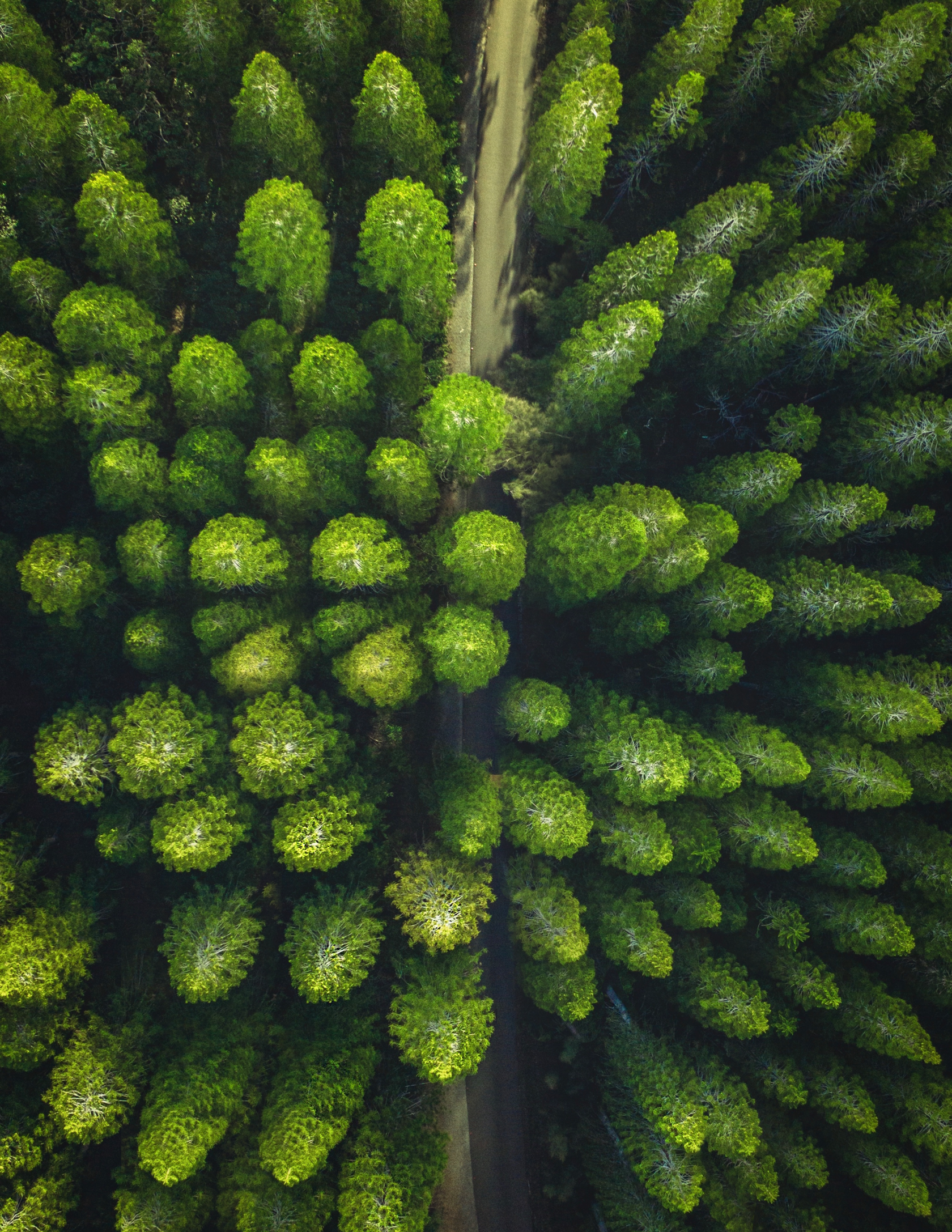
A bird’s eye view shot shows a scene from directly above. It gives a wide view of the area below.
This type of shot helps viewers see the full layout. It makes the scene easier to understand.
Creating Scale And Scope
Bird’s eye view shows the size of objects and spaces. It helps show how big or small something is.
This shot can reveal the full extent of a location. It shows how different parts connect and relate.
- Shows wide areas like cities or fields
- Helps viewers understand distances
- Highlights relationships between objects
Conveying Power And Vulnerability
Looking down from above can make people seem small and weak. This shows vulnerability.
At the same time, the viewer feels powerful by seeing everything at once. It creates a sense of control.
- Small figures look less important
- View from above feels like watching from a strong position
- Can show characters in danger or exposed
Credit: skylum.com
Emotional Influence
A bird’s eye view shot shows a scene from high above. This view changes how people feel about what they see. It can make emotions stronger.
Filmmakers use this shot to guide the audience’s feelings. It helps create moods like awe or suspense.
Generating Awe And Wonder
This shot makes the viewer feel small and amazed. Seeing a wide area from above shows the scale and beauty of a place.
- Shows vast landscapes or cityscapes
- Highlights natural wonders or large events
- Creates a feeling of freedom and space
- Emphasizes the grandeur of a setting
Enhancing Suspense And Tension
The bird’s eye view can make scenes feel tense. It shows characters in danger or trapped places from above.
| Effect | Description |
| Isolation | Characters look small and alone |
| Vulnerability | Audience sees threats around the character |
| Uncertainty | Wide view hides what is coming next |
| Heightened alertness | Viewers watch the whole scene carefully |
Narrative Uses
A bird’s eye view shot shows a scene from above. It gives a wide look at the action below.
This shot helps tell the story by showing where things happen and how characters relate.
Establishing Setting And Context
This shot sets the scene by showing the whole area. Viewers see the environment and space.
It helps explain the story’s location and the distance between places or people.
- Shows city layout or natural landscape
- Displays large crowds or empty spaces
- Reveals important landmarks or buildings
- Sets mood by showing weather or time of day
Showing Character Relationships
A bird’s eye view shows how characters are placed in relation to each other.
This helps viewers understand power, distance, or connection between characters.
- Shows who is close or far apart
- Highlights groups or isolation of characters
- Suggests control or vulnerability by position
- Emphasizes movement and interaction patterns
Technical Aspects
A bird’s eye view shot shows a scene from directly above. It gives a wide look at the setting or action below.
This shot helps viewers see the layout and movement in a clear way. It can also make subjects look small or vulnerable.
Camera Placement And Angles
The camera must be placed high above the subject to get a true bird’s eye view. This angle points straight down.
Using drones or cranes helps to position the camera at the right height. The angle should avoid tilting to keep the view flat.
- Camera is directly above the scene
- Angle is 90 degrees to the ground
- Height varies based on the scene size
- Tools like drones or rigs are used
Lighting And Composition
Lighting should evenly cover the entire area below the camera. Shadows can distort the bird’s eye view effect.
Composition includes arranging elements so they are clear and balanced from above. Patterns and shapes stand out in this view.
- Use soft, even lighting to avoid harsh shadows
- Arrange subjects for clear shapes and lines
- Focus on symmetry or interesting patterns
- Avoid clutter to keep the image simple
Examples In Film And Media
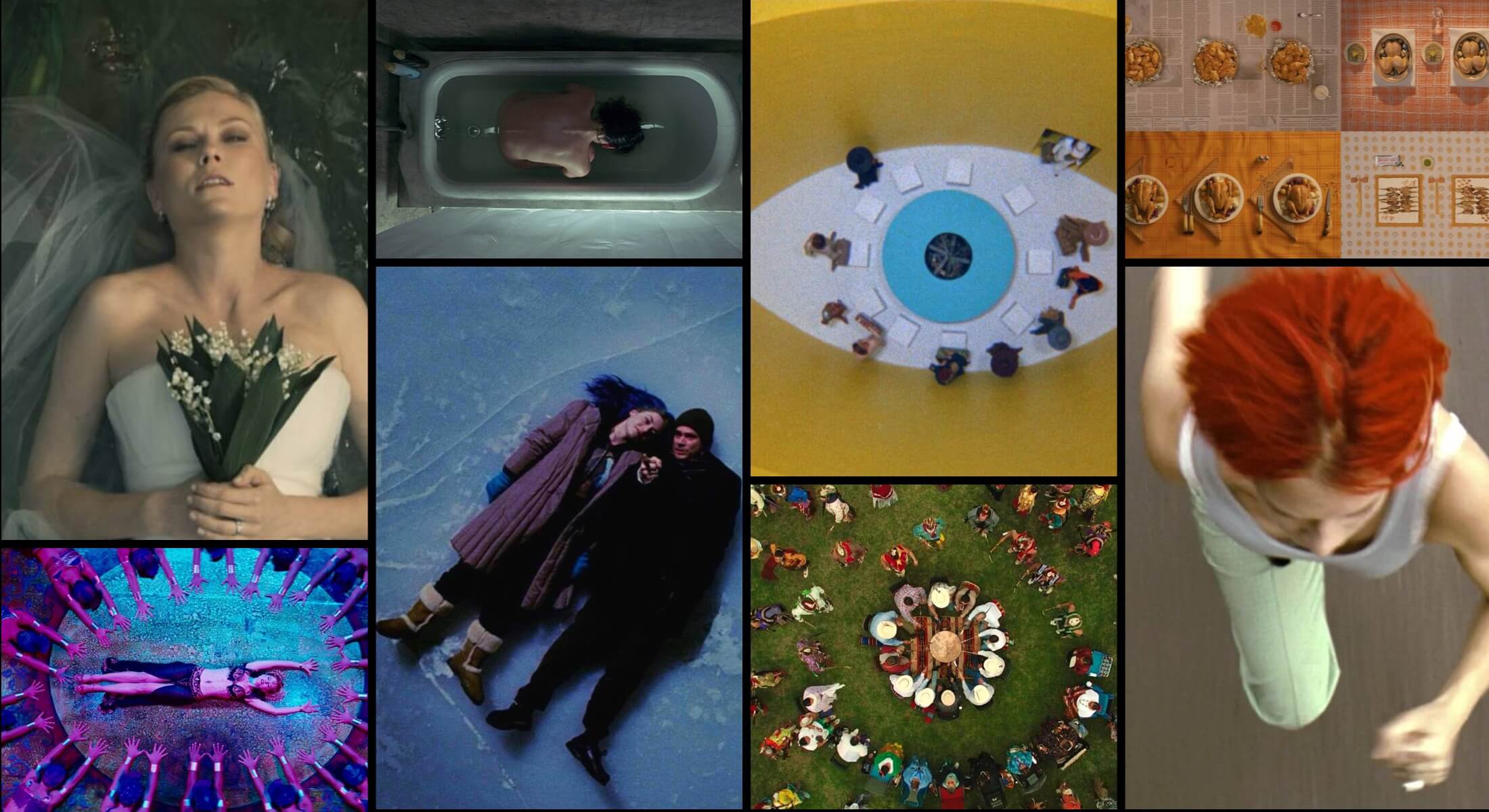
A bird’s eye view shot shows the scene from directly above. It gives a wide view of the setting and characters. This shot helps the audience see the layout and understand the space better.
Filmmakers use this shot to create a sense of scale or to make characters look small and isolated. It often adds drama or shows action clearly.
Iconic Scenes Using Bird’s Eye View
Many famous films use bird’s eye view shots to make scenes memorable. These shots can show chaos, beauty, or power from above.
One example is the opening scene of “The Grand Budapest Hotel.” The camera looks down on the hotel and the town, setting the mood and style.
- In “The Dark Knight,” a bird’s eye view shows the Joker’s chaotic escape, highlighting the city’s size.
- “Lord of the Rings” uses overhead shots to show epic battles and vast landscapes.
- “Birdman” uses this shot to give a unique perspective on the city and characters.
Modern Applications And Innovations
Today, bird’s eye view shots appear in many types of media. Drones and new cameras make these shots easier and cheaper to film.
Video games use top-down views to help players see the game world. Music videos use bird’s eye shots to create cool visuals. Even commercials use this shot to grab attention.
- Drones capture smooth and high-quality aerial shots.
- 360-degree cameras add more depth to bird’s eye views.
- Virtual reality uses overhead views to immerse users in digital spaces.
Credit: www.studiobinder.com
Frequently Asked Questions
What Is A Bird’s Eye View Shot In Filmmaking?
A bird’s eye view shot captures scenes from directly above. It offers a unique perspective that shows spatial relationships clearly. This angle helps viewers understand the layout and scale of the setting instantly.
How Does A Bird’s Eye View Affect Storytelling?
It provides an objective, panoramic view that emphasizes isolation or vulnerability. This shot can also highlight patterns and movement, enhancing narrative depth. It often creates a sense of detachment or control for the audience.
When Should You Use A Bird’s Eye View Shot?
Use it to establish setting, show scale, or reveal spatial relationships. It works well in action sequences or dramatic scenes needing context. This shot is ideal for highlighting group dynamics or environmental details.
What Emotions Does A Bird’s Eye View Evoke?
It often evokes feelings of insignificance, detachment, or surveillance. This perspective can make characters seem small or overwhelmed by their surroundings. It also creates a sense of overview and control for viewers.
Conclusion
A bird’s eye view shot gives a fresh and wide perspective. It shows the whole scene clearly and helps viewers understand space and movement. This angle can make subjects look small or important, depending on the story. It adds drama and guides the audience’s focus.
Using this shot wisely can improve your video or photo’s impact. It makes the story easier to follow and more interesting to watch. Try including bird’s eye views to bring a new feel to your work.




