
Have you ever noticed little drops near your bird feeder and wondered, “Do birds poop near bird feeders?” It’s a question many bird lovers ask but don’t always get a clear answer to. Understanding this can help you keep your feeding area clean and safe for the birds you enjoy watching.
If you want to learn why this happens and what you can do about it, keep reading—your bird feeder setup might just need a simple fix you haven’t thought of yet.
Bird Behavior Around Feeders
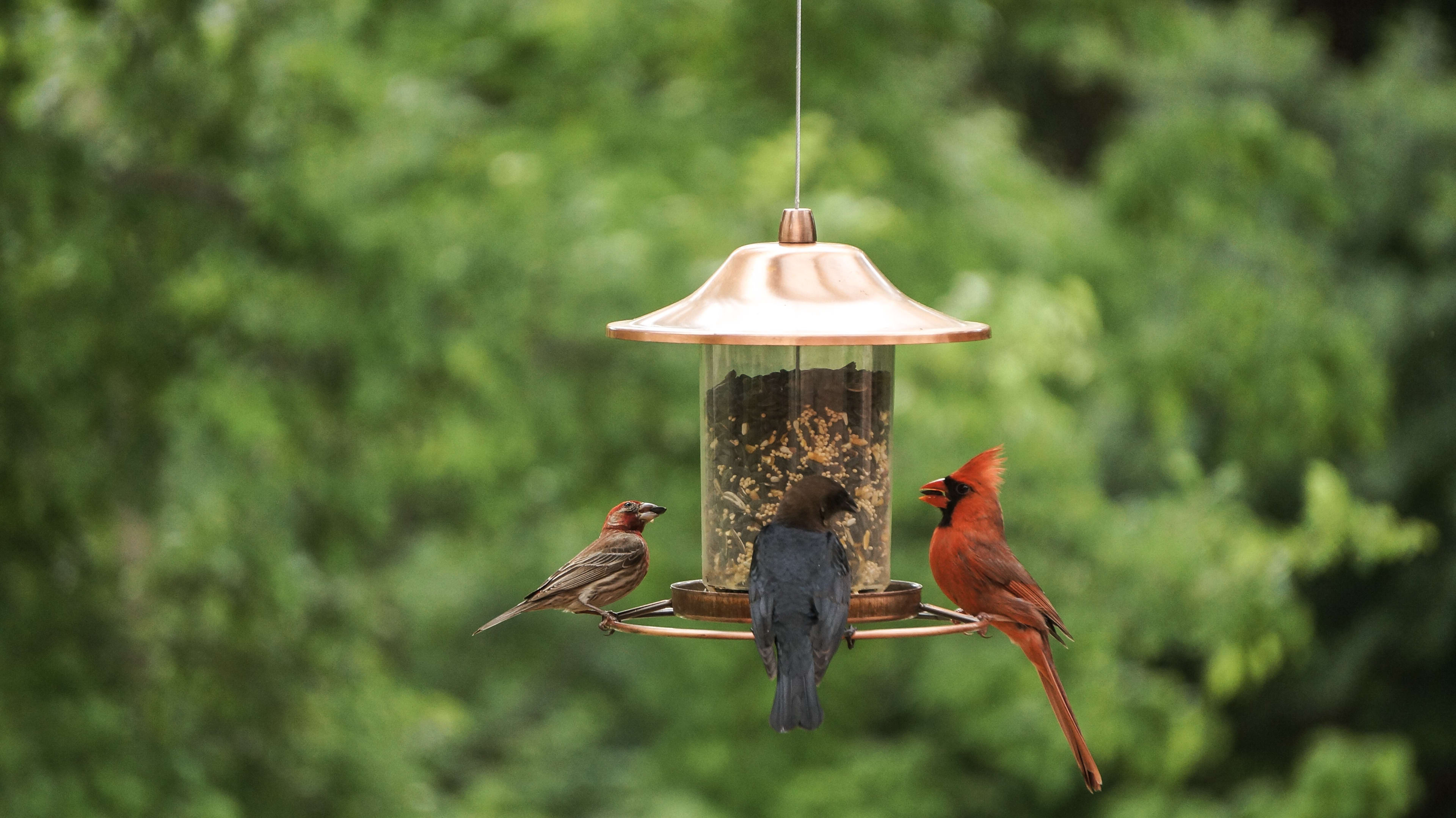
Birds show interesting behaviors around feeders. These spots become lively places full of activity. Observing bird actions near feeders helps understand their habits and needs. Birds come for food but also interact with each other. Their behavior can tell us a lot about their social and survival instincts.
Why Birds Gather At Feeders
Feeders offer a reliable food source, especially in cold or dry seasons. Birds gather because the food is easy to find and access. Many species visit feeders to save energy searching for natural food. Feeders also attract birds during migration for quick refueling. Some birds gather to socialize or find mates near feeders.
Common Bird Activities Near Feeders
- Eating seeds or suet directly from the feeder
- Perching on nearby branches or feeder edges
- Bathing in nearby water sources
- Preening feathers to stay clean and healthy
- Calling or singing to communicate with others
- Chasing away rivals or defending territory
- Resting briefly before flying off
Bird Poop Patterns
Bird poop patterns near feeders reveal interesting habits. Birds often poop while eating or shortly after. These patterns depend on their feeding behavior and environment. Understanding these patterns helps keep feeding areas cleaner.
Frequency Of Pooping While Feeding
Birds tend to poop frequently during feeding. Their digestive systems are fast and efficient. Many small birds poop several times in a short period. Larger birds may poop less often but produce bigger droppings. Feeding times often coincide with increased pooping activity.
Factors Influencing Poop Location
Birds usually poop directly beneath their feeding spots. Perch design affects where droppings land. Open feeders encourage droppings to fall below. Covered feeders may limit dropping spread. Wind and weather can move droppings around. Birds may also choose safe, quiet places to poop near feeders.
Impact Of Bird Poop Near Feeders
Bird poop near feeders is more than just an unsightly nuisance. It affects the environment around your bird feeder in several important ways. Understanding these impacts helps you maintain a safe and welcoming space for your feathered visitors.
Effects On Feeder Cleanliness
Bird droppings can quickly dirty your feeder, making it look unpleasant. Over time, the accumulation can clog feeding ports and block seeds, stopping birds from eating comfortably.
Dirty feeders also attract unwanted pests like ants and rodents. These pests can spoil your seed supply and create additional problems around your yard. Regular cleaning is essential to keep feeders inviting and functional.
Health Concerns For Birds And Humans
Bird poop near feeders can carry harmful bacteria and parasites. These pathogens may spread diseases among birds, weakening their health or even causing death.
Humans are at risk too. Handling contaminated feeders or touching surfaces with bird droppings can transmit illnesses. You might not think about it, but keeping your feeding area clean protects both you and the birds.
Have you noticed any sick birds near your feeder? That could be a sign to step up your cleaning routine. Simple habits like wiping down feeders and changing seed regularly go a long way in preventing health problems.
Credit: dengarden.com
Preventing And Managing Bird Poop
Bird poop near feeders can be a real challenge, affecting both the cleanliness of your yard and the health of visiting birds. Managing this mess doesn’t mean you have to give up on feeding your feathered friends. With the right approach, you can enjoy birdwatching while keeping your space tidy and safe.
Design Features To Reduce Mess
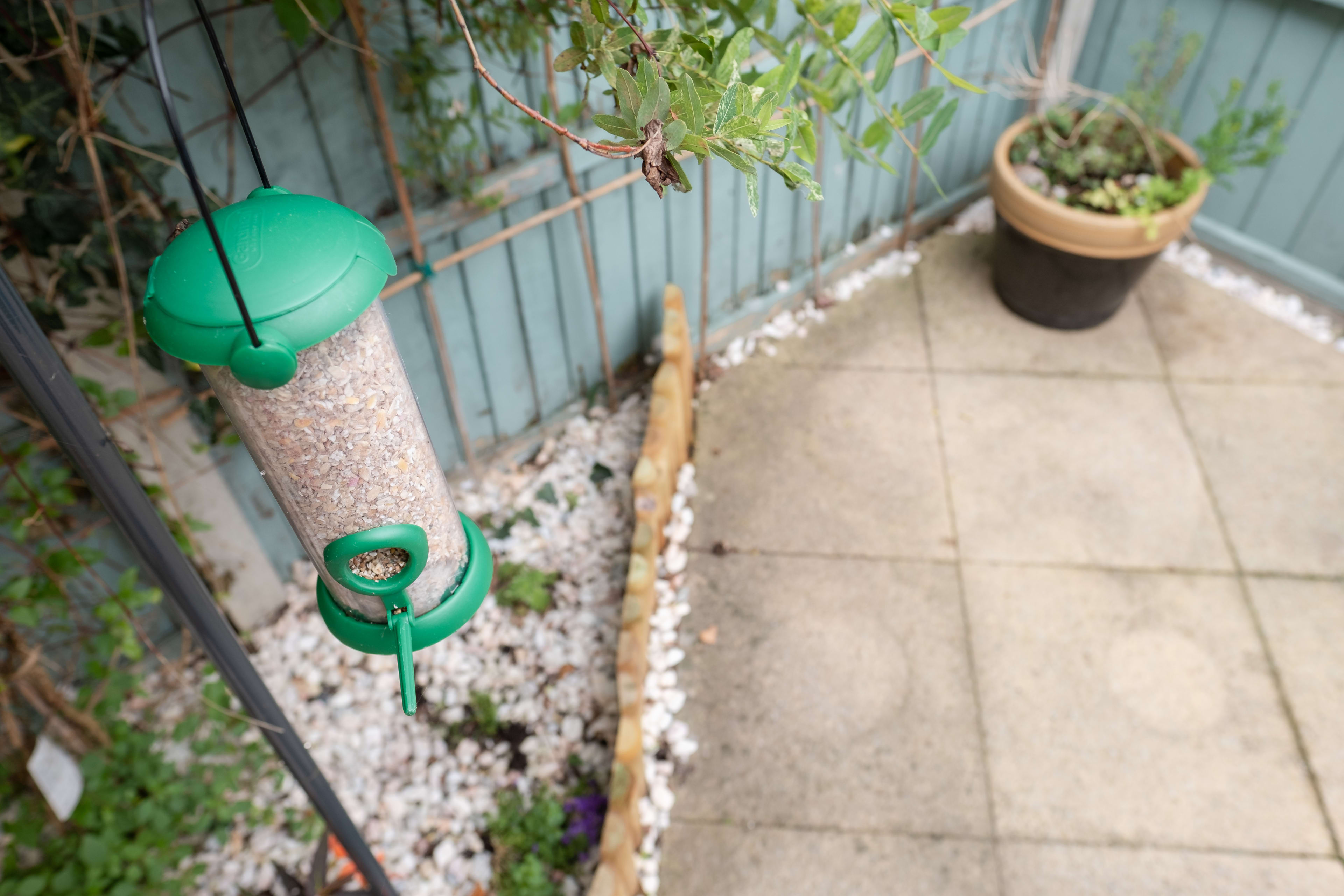
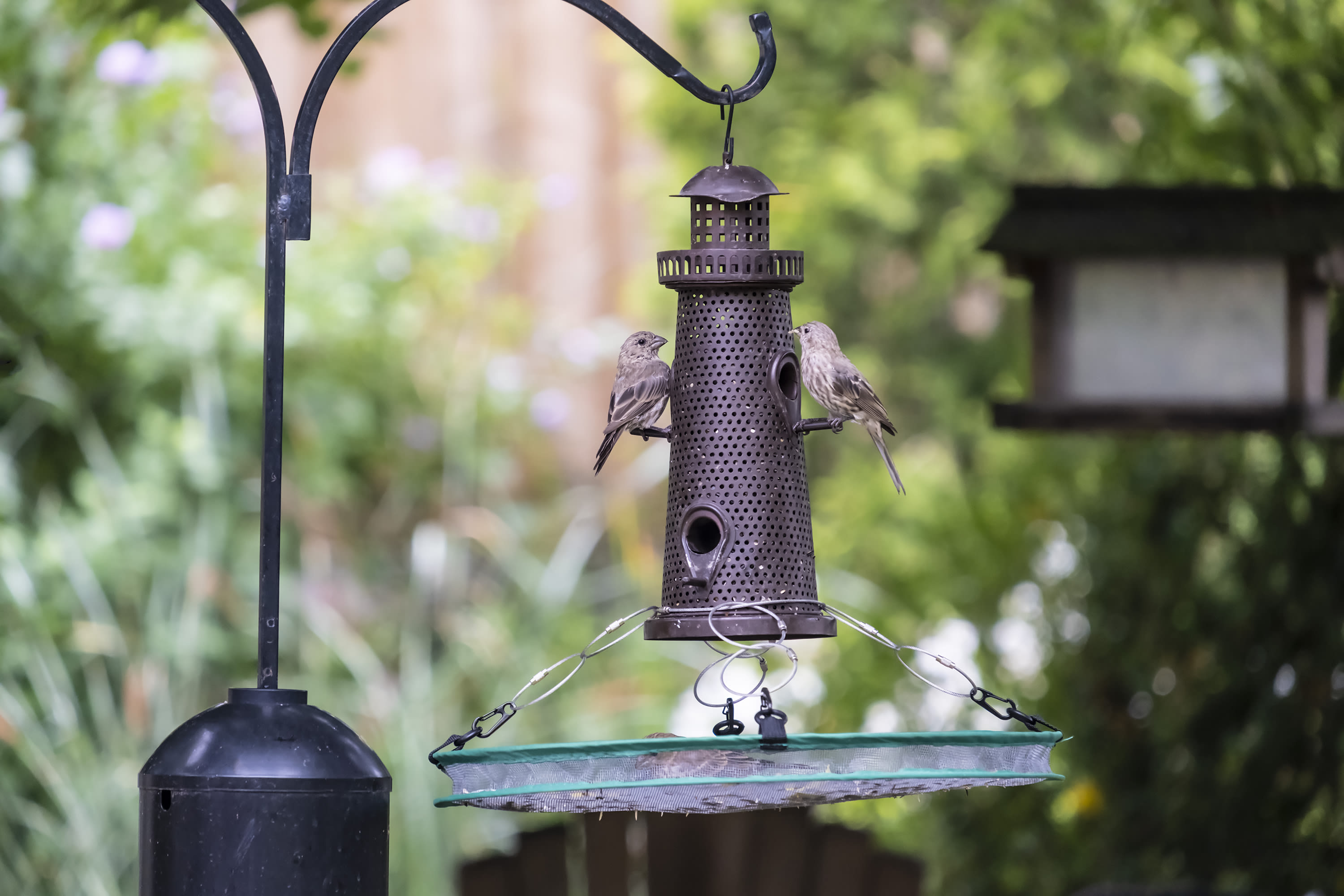
Choosing feeders designed to minimize droppings can make a big difference. Look for feeders with built-in trays or catch pans that collect droppings before they fall to the ground. Tube feeders with perches placed away from the feeding ports help keep droppings off seed and feeding areas.
Some feeders have roof extensions or baffles that shield the area below from bird mess. A feeder placed over a hard surface like concrete or a removable tray makes cleaning easier too. Have you noticed how a feeder with a splash guard keeps seed and droppings contained?
Cleaning Tips For Feeders And Surroundings
Regular cleaning prevents buildup of droppings and reduces the risk of disease. Use a mild soap and warm water to scrub feeders weekly, paying special attention to corners and crevices. Rinse thoroughly to avoid leaving any residue that might deter birds.
Don’t forget the area beneath the feeder. Spread a tarp or install a seed catcher to collect debris and droppings, then sweep or hose off the ground regularly. Wearing gloves during cleaning protects you from germs and keeps the process hygienic.
- Disinfect feeders monthly with a 10% bleach solution, then rinse well.
- Move feeders occasionally to new spots to prevent buildup in one area.
- Remove old, moldy seed promptly to discourage pests and bacteria.
How often do you clean your feeders and surroundings? Keeping a schedule might be the key to enjoying birds without the mess.
Interesting Bird Facts Related To Poop
Bird droppings near feeders are more than just a mess. They tell us about bird health and habits. These droppings reveal how birds digest food and even help humans in surprising ways. Understanding bird poop can change how we view these common backyard visitors.
How Bird Digestion Affects Poop
Bird digestion is quick and efficient. Food passes through their bodies fast, often within an hour. This speed helps birds stay light for flying. Their poop shows what they have eaten recently. It contains both solid waste and urine, mixed together. This mix looks different from mammal droppings. Color and texture can change based on diet. Seeds, insects, or nectar all leave unique traces.
Surprising Uses Of Bird Droppings
Bird droppings have helped people for centuries. Guano, bird poop from caves and islands, is rich in nutrients. Farmers use guano as a natural fertilizer. It improves soil and helps plants grow. Scientists study bird droppings to track environmental health. They find pollutants and toxins birds absorb. Some artists even use bird droppings for unique textures. Nature’s waste proves useful in many unexpected ways.
Credit: dengarden.com
Credit: dengarden.com
Frequently Asked Questions
Do Birds Often Poop Near Bird Feeders?
Yes, birds frequently poop near feeders since they spend time eating there. This can cause droppings to accumulate below the feeder.
Is Bird Poop Near Feeders Harmful To Other Birds?
Bird droppings can spread diseases among birds, especially near feeders. Regular cleaning reduces health risks and keeps birds safe.
How Can I Prevent Bird Poop Buildup Near Feeders?
Place feeders away from patios or walkways. Use feeder trays or mats to catch droppings and clean regularly.
Does Bird Poop Near Feeders Attract Predators?
Yes, accumulated droppings can attract predators or pests by signaling bird presence. Clean areas to minimize unwanted attention.
Conclusion
Birds often leave droppings near feeders. This is normal and part of their behavior. Clean feeders regularly to keep birds healthy. Place feeders away from patios or walkways. Bird droppings can spread germs if ignored. Watching birds can bring joy despite this.
Understanding their habits helps you enjoy feeding birds safely. Keep your bird area tidy and welcoming. Birds will visit more often in a clean space. Simple care makes bird feeding pleasant for all.




