
Are you tired of pesky bugs ruining your outdoor time? You might wonder if bird feeders could be the secret to keeping those annoying insects away.
It sounds simple, but does it really work? You’ll discover the surprising truth about bird feeders and bugs. Keep reading to find out how your backyard setup could change—and what steps you can take to enjoy a bug-free space while attracting beautiful birds.
Bird Feeders And Bug Attraction
Bird feeders bring joy by attracting colorful birds to your yard, but they can also unintentionally invite bugs. Understanding the relationship between bird feeders and bug attraction helps you manage both visitors better. This knowledge lets you enjoy your feathered friends without battling an insect invasion.
Types Of Bugs Near Feeders
Different bugs gather around feeders, each with its own reason for sticking around. Common visitors include:
- Ants:They love spilled seeds and sugary nectar from hummingbird feeders.
- Wasps and Hornets:These pests are attracted to sweet liquids and protein-rich bird food.
- Flies:Flies swarm around moist, rotting food and leftover debris.
- Beetles:Certain beetles are drawn to seeds and decaying organic matter.
Noticing which bugs appear can help you decide how to keep feeders clean and less appealing to unwanted guests.
Why Bugs Are Drawn To Feeders
Bugs are mainly attracted by food and moisture. Bird feeders often spill seeds and nectar, creating easy meals for insects.
Warmth around feeders also encourages bug activity, especially in sunny spots. Moisture from water trays or spilled liquids adds to the attraction.
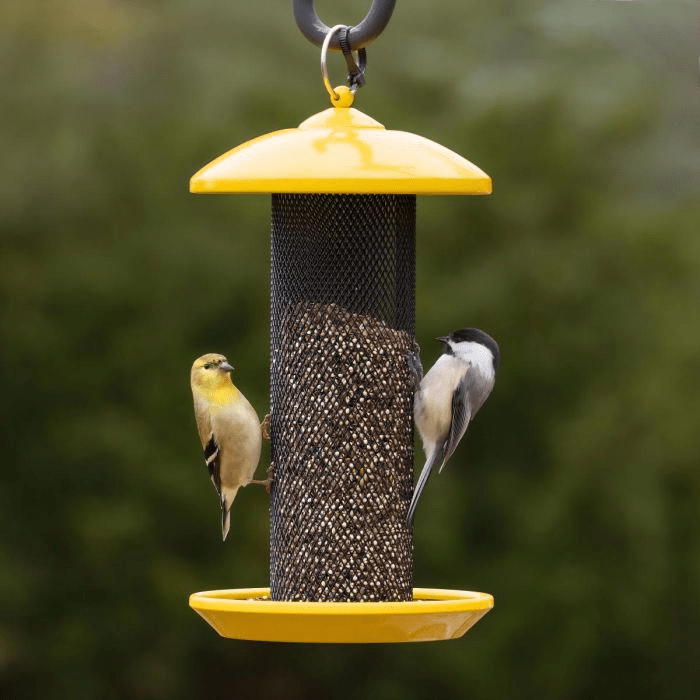
Have you checked your feeder area for leftover food or sticky spots lately? Cleaning feeders regularly can cut down on bug visitors and keep the environment healthier for birds too.
Credit: www.kingsyard.com
How Birds Influence Bug Populations
Birds play a key role in managing bug populations naturally. They hunt many insects that can damage plants or annoy people. By feeding on bugs, birds help keep the insect numbers balanced in gardens and yards.
Encouraging birds to visit your outdoor space can reduce the need for chemical pest control. Bird feeders attract these helpful insect-eaters, turning your garden into a natural bug defense zone. Understanding how birds influence bugs helps in creating a healthy outdoor environment.
Birds As Natural Pest Controllers
Birds eat a wide range of insects such as caterpillars, beetles, and mosquitoes. They act as pest controllers by reducing the number of harmful bugs. This keeps plants safe from damage caused by insect feeding.
Many birds consume hundreds of insects daily. Their feeding habits lower insect populations naturally. This process reduces the need for pesticides and supports biodiversity in your garden.
Common Birds That Eat Insects
- Robins – feed on worms, beetles, and caterpillars
- Swallows – catch flying insects like flies and mosquitoes
- Bluebirds – eat grasshoppers, crickets, and beetles
- Chickadees – consume spiders, aphids, and small insects
- Woodpeckers – feed on beetle larvae inside trees
Attracting these birds helps control insect pests. Providing food, water, and shelter encourages them to visit often. This natural pest control keeps your garden healthier and more enjoyable.
Do Feeders Repel Or Attract Bugs?
Bird feeders bring birds closer, but do they keep bugs away or attract them? This question interests many who enjoy watching birds without dealing with bugs. Understanding whether feeders repel or attract bugs helps maintain a cleaner, more comfortable outdoor space.
Myths About Feeders And Bugs
Some believe bird feeders stop bugs from coming near. Others think feeders cause bug problems. These ideas come from personal experiences or stories. One common myth says bugs hate feeders because birds eat them. Another myth claims feeders attract more bugs because of spilled seeds or nectar.
Both ideas seem logical but do not always match reality. Bugs often feed on the same seeds and nectar that birds enjoy. So, feeders can become bug magnets, especially if not cleaned regularly. Understanding these myths helps separate fact from fiction.
Scientific Findings On Feeders’ Effects
Studies show feeders mostly attract bugs rather than repel them. The food and moisture in feeders provide a perfect environment for bugs. Ants, wasps, and flies often gather around feeders to feed on spilled nectar or seeds.
Researchers found that feeders with sugary nectar attract more insects like wasps. Seed feeders also attract ants and beetles. Proper feeder design and cleaning reduce bug attraction. Using feeders with built-in guards or trays can help keep bugs away.
Regular maintenance is key. Clean feeders weekly to prevent mold and insect buildup. This lowers the chance of bugs gathering near your feeding area. Science supports that feeders attract bugs more than repel them, but good care can minimize this.
Tips To Minimize Bugs Around Feeders
Bird feeders can attract unwanted bugs, but simple actions reduce their presence. Keeping bugs away makes feeding birds more enjoyable and clean. Focus on smart placement and regular cleaning to keep feeders bug-free.
Feeder Placement Strategies
- Place feeders away from flowering plants that attract insects.
- Keep feeders in open areas with good air flow to dry spills.
- Avoid locations near trash bins or compost piles that lure bugs.
- Use hanging feeders instead of ground feeders to limit crawling insects.
- Position feeders in shaded spots to prevent seed spoilage that attracts bugs.
Cleaning And Maintenance Advice
- Clean feeders weekly with warm water and mild soap.
- Rinse thoroughly to remove soap residue that can harm birds.
- Scrub seed trays and perches to remove mold and leftover seeds.
- Check for and remove any sticky seed hulls that attract ants.
- Replace old seeds frequently to prevent mold and pests.
Alternative Ways To Control Bugs Outdoors
Controlling bugs outdoors doesn’t have to rely solely on bird feeders or chemical sprays. There are effective, natural ways you can reduce bug presence while keeping your garden inviting and safe. These alternatives often blend seamlessly into your outdoor space and can even enhance its beauty.
Natural Bug Repellents
Using natural bug repellents can be a simple and safe way to keep pests away. Essential oils like citronella, eucalyptus, and peppermint work well when mixed with water and sprayed around seating areas or garden beds.
You might try placing cotton balls soaked in these oils near doors and windows to create a subtle barrier. Many people find that a few drops of neem oil on plants can also deter harmful insects without affecting beneficial ones.
Have you experimented with DIY repellent sprays in your yard? You might be surprised how effective a homemade mix can be compared to commercial options.
Planting Bug-repellent Flora
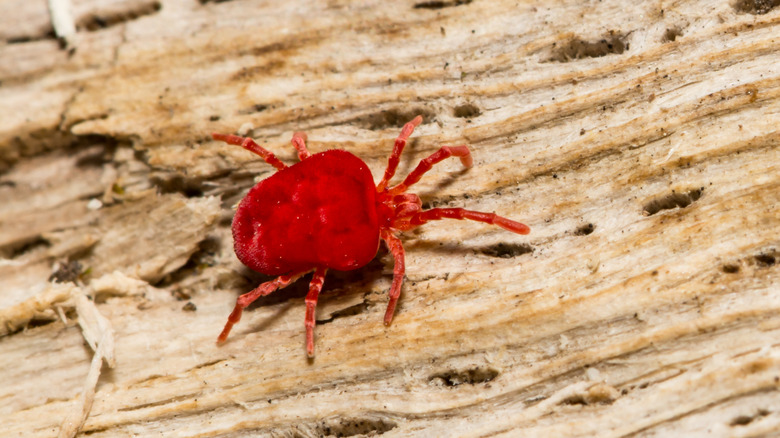
Certain plants naturally repel insects and can be added to your garden for a dual purpose: beauty and bug control. Lavender, marigolds, and basil are popular choices that also bring color and fragrance.
Planting these around patios or near doorways can reduce bug activity naturally. I once planted a row of marigolds near my porch, and the number of mosquitoes noticeably dropped.
What plants do you already have that could help keep bugs at bay? Sometimes your garden’s best defense is right in front of you.
Credit: www.outdoorguide.com

Credit: www.aol.com
Frequently Asked Questions
Do Bird Feeders Attract Or Repel Bugs?
Bird feeders can attract bugs like ants and bees due to spilled seeds and nectar. However, proper maintenance and cleaning reduce bug presence and prevent infestations around feeders.
How Do Bird Feeders Help Control Insect Populations?
Bird feeders attract insect-eating birds, such as warblers and chickadees. These birds naturally reduce harmful insect populations, providing an eco-friendly way to manage bugs in your garden.
Can Bird Feeders Reduce Mosquitoes Near Homes?
While bird feeders attract birds that eat insects, they don’t directly reduce mosquitoes. Other measures like removing standing water are more effective for mosquito control.
What Types Of Bugs Are Found Near Bird Feeders?
Common bugs near feeders include ants, wasps, bees, and beetles. These insects are attracted by spilled seeds, sugary nectar, and bird droppings around feeders.
Conclusion
Bird feeders attract birds, which can help reduce some bugs. Birds eat insects, keeping your garden healthier. But feeders do not remove all bugs completely. Other methods like plants and traps also work well. Feeding birds can bring joy and nature close.
Keep feeders clean to avoid unwanted pests. Enjoy watching birds while helping control insects naturally. Small steps make a big difference in your yard.




