
Are you worried that your bird feeder might be inviting unwanted guests like rodents into your yard? You’re not alone.
Many people love feeding birds but hesitate because they fear attracting mice or rats. What if you could enjoy watching your feathered friends without dealing with pesky rodents? You’ll discover the truth about whether bird feeders really attract rodents and learn simple tips to keep your outdoor space clean and safe.
Keep reading to protect your home and still enjoy your birdwatching moments!

Credit: happygardens.com
How Bird Feeders Draw Rodents
Bird feeders are a great way to enjoy watching birds up close, but they can unintentionally invite unwanted visitors—rodents. Understanding how bird feeders draw rodents helps you take smarter steps to protect your yard and maintain a healthy environment. It’s not just about the seeds; it’s about what happens around the feeder and the type of feeder you choose.
Food Sources For Rodents
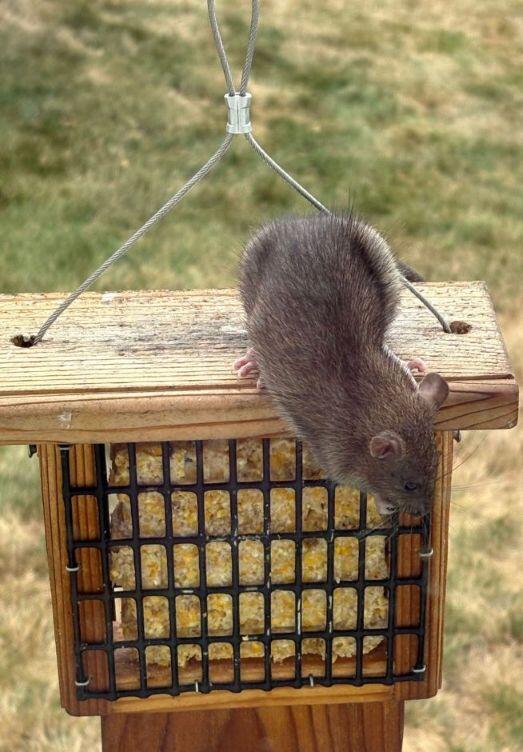
Rodents are attracted to the easy food access bird feeders provide. When seeds spill onto the ground or get crushed, they create a buffet for mice and rats. Even small leftovers inside feeders can lure these pests.
Think about your own experience: have you noticed bits of seed scattered below your feeder? That’s exactly what draws rodents in. They look for places where food is abundant and easy to reach, making your feeder area a hotspot.
- Loose seeds on the ground
- Cracked or broken seeds inside feeders
- Leftover nuts or suet crumbs
- Feeders placed near bushes or woodpiles offering rodent shelter
Keeping the feeding area clean and minimizing spillage can make a big difference in discouraging these pests.
Types Of Bird Feeders That Attract Pests
Not all bird feeders are equal when it comes to attracting rodents. Some designs make it easier for rodents to access food or create more mess.
| Feeder Type | Why It Attracts Rodents | Rodent Deterrent Tips |
|---|---|---|
| Platform Feeders | Open trays cause seeds to spill easily, attracting rodents. | Use feeders with trays that drain and clean regularly. |
| Tube Feeders with Large Ports | Large feeding holes allow rodents to nibble and create seed mess. | Choose feeders with smaller ports to limit seed access. |
| Suet Feeders | Crumbs from suet can fall below, attracting rodents. | Place suet feeders away from the ground and clean area often. |
| Ground Feeders | Seeds are directly accessible to rodents. | Limit use or place on elevated stands with barriers. |
Have you tried swapping your feeder for a different style to see if rodents decrease? Sometimes a simple change can reduce unwanted visitors and still keep your feathered friends happy.
Credit: www.mass.gov
Common Rodents Found Near Feeders
Bird feeders often attract more than just birds. Various rodents also visit these feeders to find food. These common visitors can cause problems in your garden or home. Knowing which rodents appear near feeders helps control and prevent issues.
Mice And Rats Behavior
Mice and rats are small but very active rodents. They search for food near bird feeders, especially during colder months. These rodents are mostly nocturnal. They create nests close to food sources for easy access.
Mice and rats can chew through feeders and nearby plants. They leave droppings that may spread diseases. Their quick breeding leads to large populations fast. Controlling these rodents requires keeping feeders clean and using rodent-proof designs.
Squirrels And Their Impact
Squirrels are common near bird feeders. Unlike mice, they are active during the day. Squirrels are strong and smart. They often raid feeders to get seeds and nuts.
Squirrels can damage feeders by chewing or knocking them down. They may scare away birds with their size and noise. Squirrels also bury seeds, which can grow into unwanted plants. Managing squirrels needs sturdy feeders and deterrents like baffles.
Risks Posed By Rodents Around Feeders
Rodents around bird feeders bring more than just unwanted company. They can introduce serious risks that affect your health, property, and the enjoyment of your outdoor space. Understanding these risks helps you take smarter steps to protect your home and family.
Health Concerns
Rodents carry diseases that can easily spread to humans and pets. Their droppings and urine contaminate the ground and birdseed, creating a breeding ground for bacteria and viruses.
Have you ever noticed tiny black pellets near your feeder? Those are rodent droppings, and they can transmit illnesses like hantavirus and salmonella. This risk is especially high if you have children or pets playing nearby.
Keeping feeders clean and using rodent-resistant designs can reduce this health threat. But ignoring the issue puts you at a higher risk than you might expect.
Damage To Property And Feeders
Rodents don’t just nibble on seeds—they chew on wood, plastic, and wiring. This behavior can cause serious damage to your feeders and nearby structures.
One homeowner I know found their beautiful wooden feeder ruined and wires in their garden lighting chewed through. The repair costs added up quickly, turning a simple joy into a costly headache.
Rodents also create nests in hidden spots, which can damage insulation and lead to unpleasant odors. If you want to keep your garden tidy and your feeders intact, monitoring and controlling rodent activity is essential.
Strategies To Prevent Rodent Attraction
Bird feeders can attract rodents if not managed well. Using smart strategies helps keep rodents away while still feeding birds. These steps make your yard safer and cleaner. They also protect birds and prevent damage caused by rodents.
Choosing Rodent-resistant Feeders
Select feeders made from metal or heavy plastic. These materials are harder for rodents to chew. Look for feeders with small feeding ports. They limit access to seeds and reduce spills. Feeders with seed trays can attract rodents. Choose designs without trays or with seed guards. Hanging feeders high off the ground make it tough for rodents to reach.
Feeding Practices To Minimize Risk
Offer only the amount birds can eat in a short time. Avoid overfilling feeders to prevent seed spillage. Use seeds that rodents dislike, like safflower or nyjer. Stop feeding at dusk when rodents are most active. Regularly remove leftover seeds from the ground. Avoid feeding near rodent shelters like woodpiles or dense bushes.
Maintaining Clean Feeding Areas
Clean feeders weekly to remove seed debris and droppings. Sweep or rake the area below feeders daily. Use hard surfaces like concrete or gravel under feeders. Avoid placing feeders on bare soil or grass. Store birdseed in sealed containers to prevent rodent access. Dispose of empty seed bags properly and away from the feeding area.
Alternative Feeding Options
If you’re worried about attracting rodents with traditional bird feeders, exploring alternative feeding options can make a big difference. These options help support your local birds without inviting unwanted visitors. Let’s look at some practical ways to provide food while keeping rodents at bay.
Natural Bird Habitats
Creating and maintaining natural bird habitats in your yard can reduce the need for feeders that spill seeds on the ground. Native plants, shrubs, and trees provide birds with natural food sources like berries, seeds, and insects.
I’ve seen my backyard birds thrive when I planted a mix of native flowers and berry bushes. Not only did the birds come, but rodents didn’t find easy access to food since nothing was scattered on the ground.
Consider adding plants such as:
- Sunflowers for seeds
- Serviceberry bushes for berries
- Coneflowers that attract insects
By encouraging natural food sources, you support birds and keep your yard cleaner and rodent-free. Would you try adding more native plants to your garden?
Using Feeders Designed For Specific Birds
Using bird feeders made for particular species helps reduce seed spillage and limits access to rodents. For example, tube feeders with small ports allow only small birds to feed.
In my experience, switching to squirrel-proof and rodent-resistant feeders cut down on unwanted pests dramatically. These feeders often feature weight-activated mechanisms that close feeding ports when heavy animals like rodents try to access the food.
Look for feeders with these features:
- Weight-sensitive perches
- Seed trays with drainage to prevent mold
- Enclosed designs that limit spillage
Would a feeder designed for finches or chickadees fit your backyard bird profile? Choosing the right feeder can make a noticeable difference in who visits your yard.

Credit: www.popsci.com
Frequently Asked Questions
Do Bird Feeders Attract Rodents To My Yard?
Yes, bird feeders can attract rodents like mice and rats. They are drawn by spilled seeds and leftover food near feeders. Proper maintenance and cleaning reduce this risk.
How Can I Prevent Rodents Around Bird Feeders?
To prevent rodents, use feeders with seed catchers and clean spills daily. Place feeders away from walls and trees where rodents hide. Use rodent-proof feeder designs for best results.
What Types Of Bird Feeders Attract Fewer Rodents?
Tube feeders and those with weight-sensitive perches attract fewer rodents. Feeders that minimize seed spillage reduce rodent attraction. Avoid ground feeders as they invite more rodents.
Are Certain Bird Seed Types More Likely To Attract Rodents?
Yes, sunflower seeds and millet often attract rodents due to high oil content. Thistle and safflower seeds are less appealing to rodents. Use seed blends that discourage rodents for better control.
Conclusion
Bird feeders can attract rodents if not managed well. Spilled seeds on the ground invite mice and rats. Keeping the area clean helps reduce unwanted guests. Using feeders designed to limit seed spillage works best. Placing feeders away from walls and structures can help too.
Enjoy feeding birds while keeping your yard rodent-free. Small steps make a big difference in your garden. Stay mindful and protect both birds and your home.




