
Have you ever wondered if the birds visiting your backyard can catch bird flu? If you feed or watch birds at home, this question might be on your mind.
Understanding whether backyard birds get bird flu is important for protecting your feathered friends and your family’s health. You’ll discover the facts about bird flu in backyard birds, what signs to look for, and simple steps you can take to keep everyone safe.
Keep reading to learn what every bird lover needs to know.
Credit: www.seattletimes.com
Bird Flu Basics
Understanding the basics of bird flu is essential if you keep backyard birds or simply enjoy watching them. This knowledge helps you protect your feathered friends and stay informed about potential health risks. Let’s break down what bird flu really is, the types of viruses involved, and how the disease spreads.
What Is Bird Flu
Bird flu, also called avian influenza, is a viral infection that primarily affects birds. It can cause mild to severe illness depending on the virus strain. While wild birds often carry the virus without getting sick, domestic birds like chickens and ducks can face serious health problems.
You might wonder if bird flu can jump to humans. Although rare, some bird flu strains have infected people, usually through close contact with infected birds. That’s why knowing the basics is so important for anyone handling backyard birds.
Types Of Bird Flu Viruses
Bird flu viruses come in many types, but they mainly fall into two categories:
- Low Pathogenic Avian Influenza (LPAI)– Causes mild symptoms or no symptoms in birds.
- Highly Pathogenic Avian Influenza (HPAI)– Leads to severe illness and high death rates in birds.
Within these categories, different virus subtypes exist, identified by H and N numbers, like H5N1 or H7N9. Some subtypes are more dangerous to birds and humans than others, so identifying them quickly is crucial for controlling outbreaks.
How Bird Flu Spreads
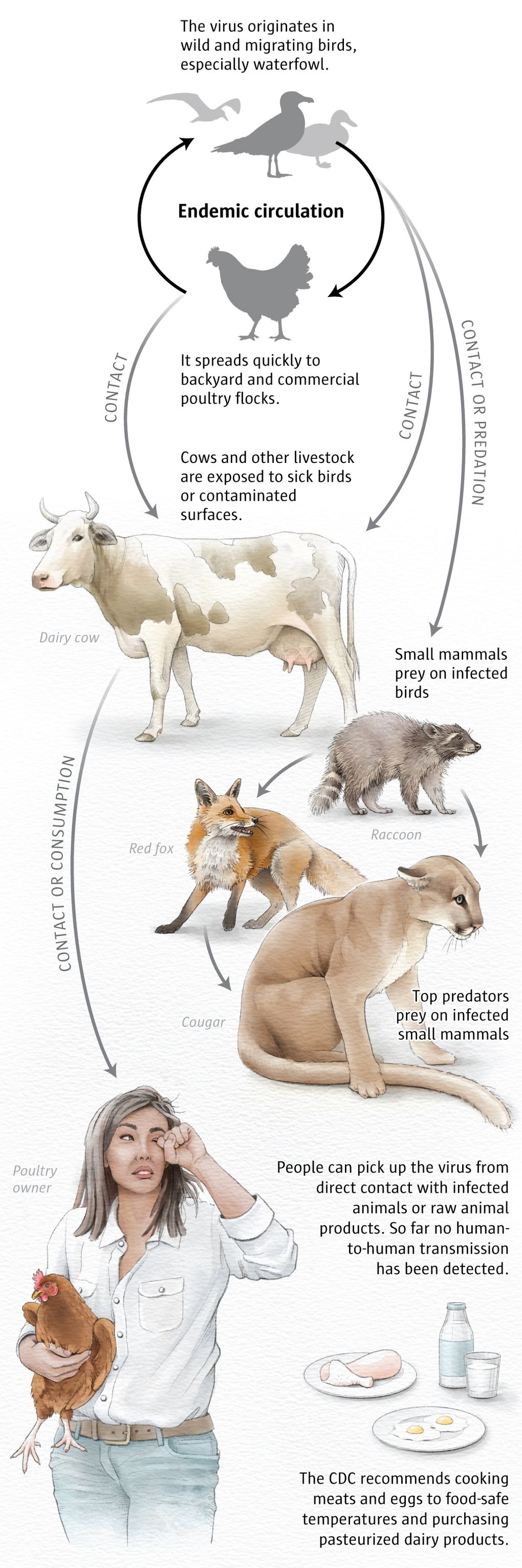
Bird flu spreads mainly through direct contact with infected birds or their droppings. It can also travel via contaminated surfaces, feed, water, or equipment. Wild migratory birds often carry the virus over long distances, posing risks to backyard flocks.
Think about your own backyard setup. Could your birds come into contact with wild birds or their droppings? Even sharing water bowls or feeders can be risky if not cleaned regularly. Keeping your flock isolated and practicing good hygiene are practical steps you can take to reduce the risk.

Credit: epi.utah.gov
Backyard Birds And Bird Flu
Backyard birds often bring joy and a sense of connection to nature right outside your window. But you might wonder, can these familiar feathered visitors carry bird flu? Understanding how bird flu affects common backyard species helps you protect both your birds and your family.
Common Backyard Bird Species
You likely see a variety of birds in your backyard, such as:
- Sparrows
- Robins
- Blue Jays
- Cardinals
- Finches
- Doves
These birds often gather around feeders or in shrubs. Their presence increases the chance of contact with wild birds that may carry viruses.
Susceptibility Of Backyard Birds
Not all backyard birds are equally vulnerable to bird flu. Waterfowl and migratory birds are usually the main carriers, but common backyard birds can catch the virus too.
Bird flu spreads mainly through direct contact with infected birds or their droppings. If you notice a sudden drop in bird activity or dead birds near your feeders, it’s worth investigating further.
Signs Of Bird Flu In Backyard Birds
Bird flu symptoms in backyard birds can be subtle or severe. Look for signs such as:
- Unusual lethargy or weakness
- Loss of appetite
- Swelling around the eyes or neck
- Labored breathing or coughing
- Sudden death without obvious cause
If you spot these symptoms, avoid handling the birds directly. Instead, contact local wildlife or health authorities for guidance on what to do next.
Risk Factors For Backyard Birds
Backyard birds can face several risks that increase their chances of contracting bird flu. Understanding these risk factors helps you protect your feathered visitors and maintain a healthy environment. Let’s look closely at what makes backyard birds vulnerable.
Contact With Wild Birds
Wild birds often carry bird flu viruses without showing signs of illness. When your backyard birds come into close contact with them, the risk of virus transmission rises sharply.
Have you noticed wild birds gathering near your feeders or birdbaths? These common meeting spots can easily become hotspots for disease spread.
Limiting direct contact between wild and domestic birds is essential. You might try placing feeders away from areas where wild birds roost or nest.
Environmental Conditions
Bird flu viruses thrive in cool, wet environments. If your backyard stays damp or shaded for long periods, it can create an ideal breeding ground for the virus.
Think about your local climate and how it affects water accumulation or mold growth around feeding areas. These conditions can increase virus survival outside the host.
Regularly cleaning bird feeders, baths, and surrounding areas can reduce this risk. Drying out wet spots and improving airflow are simple but effective steps.
Feeding Practices And Bird Flu
Your feeding habits can influence how safely birds gather in your yard. Crowded feeders with leftover food invite more birds and increase contact among them.
Have you ever noticed how some birds dominate a feeder, pushing others to crowd in? This close proximity can facilitate virus spread quickly.
Try offering multiple feeding stations spaced apart to reduce crowding. Also, remove old or moldy food promptly. These small changes can make a big difference in preventing bird flu transmission.
Credit: www.helpinghandsforpas.org
Protecting Your Backyard Birds
Protecting your backyard birds from bird flu means staying alert and taking simple, effective steps. You can create a safer environment that keeps birds healthy and thriving. It’s not about fear but about practical care and smart habits you can easily adopt.
Safe Bird Feeding Tips
Keep your feeders clean and avoid overcrowding to reduce the risk of disease spread. Use feeders that limit contact between birds, such as tube feeders with separate perches.
Offer fresh food daily and remove any moldy or spoiled seeds. Think about placing feeders in spots where birds can easily fly away if threatened, which lowers stress and sickness.
Cleaning Bird Feeders And Baths
Regular cleaning is crucial. Use a solution of one part bleach to nine parts water to disinfect feeders and birdbaths weekly.
Rinse thoroughly and let them dry completely before refilling. This simple habit can prevent many illnesses, including bird flu.
Monitoring Bird Health
Watch for unusual behavior like lethargy, ruffled feathers, or lack of appetite. If you notice sick birds, stop feeding temporarily and clean feeders more often.
Consider keeping a journal of bird sightings and health observations. This can help you spot patterns early and take action before problems grow.
Bird Flu And Human Health
Bird flu, also known as avian influenza, raises many concerns about its impact not just on birds but also on human health. Understanding how this virus behaves and the risks it poses to people can help you protect yourself and your loved ones. Let’s look closely at the connection between bird flu and human health.
Can Backyard Birds Transmit Bird Flu To Humans
Yes, backyard birds can carry bird flu viruses, but transmission to humans is rare. The virus spreads mainly through direct contact with infected birds or their droppings. Casual observation or feeding of birds usually poses very little risk.
Think about your last time cleaning a bird feeder or handling birdhouses—were you careful about hygiene? Simple acts like washing your hands thoroughly afterward greatly reduce any chance of catching the virus.
Precautions For Bird Lovers
- Wear gloveswhen handling bird feeders, nests, or sick birds to avoid direct contact.
- Wash your handswith soap and water immediately after any interaction with birds or their environment.
- Keep bird feeders cleanby regularly disinfecting them to prevent the spread of germs.
- Monitor your birdsfor signs of illness, such as unusual behavior or sudden deaths, and avoid contact if you notice anything suspicious.
These small steps can make a big difference in keeping you safe while enjoying your backyard visitors.
When To Seek Professional Help
If you notice multiple birds in your yard showing signs of illness or dying suddenly, it’s important to act quickly. Contact local wildlife authorities or a veterinarian trained in avian diseases to report the situation.
Do not attempt to handle sick or dead birds yourself without proper protection. Professional help ensures safe testing and appropriate measures to control the spread of bird flu.
Have you ever faced a situation where you weren’t sure if a sick bird was dangerous? Knowing when to call experts can protect both your health and the health of your feathered friends.
Recent Bird Flu Outbreaks
In recent years, bird flu outbreaks have captured global attention with their wide-reaching impact. While many associate these outbreaks with large-scale poultry farms, backyard birds are not immune to the threat. Understanding the dynamics of these outbreaks is crucial for bird enthusiasts and backyard birdkeepers alike.
Impact On Backyard Birds
Bird flu can affect backyard birds just as it does commercial flocks. This impact often goes unnoticed until symptoms become severe. Backyard birds may exhibit symptoms like respiratory distress or sudden death, which can be alarming for bird lovers.
In some areas, these outbreaks have led to restrictions on bird movement and gatherings. This means bird enthusiasts might need to limit visits from other bird lovers. Such measures, while inconvenient, are essential to prevent the spread of the disease.
Lessons Learned From Outbreaks
Recent outbreaks have taught us the importance of vigilance and preventive measures. Regular cleaning and monitoring can significantly reduce the risk of infection. Ensuring that your bird feeders and water sources are clean is a simple yet effective strategy.
Consider whether your interactions could inadvertently spread the virus. Are you following recommended biosecurity practices? Being proactive is key in safeguarding your feathered friends from potential outbreaks.
Lastly, stay informed about outbreaks in your area. Local wildlife authorities often provide updates and guidelines to help you keep your backyard birds safe. Are you ready to adapt your practices to protect your backyard sanctuary?
Frequently Asked Questions
Can Backyard Birds Catch Bird Flu From Wild Birds?
Yes, backyard birds can contract bird flu from wild birds. Close contact with infected wild birds or their droppings increases transmission risk. Proper hygiene and limiting bird interactions can reduce chances of infection.
What Are Bird Flu Symptoms In Backyard Birds?
Bird flu symptoms in backyard birds include coughing, sneezing, lethargy, and loss of appetite. Sudden deaths may also occur. Early detection helps prevent spreading and protects other birds.
How To Protect Backyard Birds From Bird Flu?
To protect backyard birds, keep feeders clean and avoid overcrowding. Limit contact with wild birds and maintain good hygiene. Reporting sick or dead birds to authorities is essential for control.
Is Bird Flu Dangerous To Humans From Backyard Birds?
Bird flu rarely transmits to humans from backyard birds. However, close contact with infected birds or their secretions can pose risks. Always use protective measures when handling sick birds.
Conclusion
Backyard birds can catch bird flu, but the risk is usually low. Watching birds safely helps you enjoy nature without worry. Keep bird feeders clean to stop germs spreading. Avoid touching sick or dead birds to stay safe. Learning about bird flu helps protect both birds and people.
Nature is close, but safety comes first. Stay aware, care for your feathered friends, and enjoy the outdoors with peace of mind.




