
Have you ever wondered what it feels like to soar through the sky, seeing the world from above like a bird? Imagine gliding effortlessly, your eyes taking in every detail below—rivers winding like ribbons, forests stretching endlessly, and cities buzzing with life.
This bird’s eye view offers a perspective unlike any other, revealing secrets and beauty hidden from the ground. If you want to unlock this unique vision and understand what a flying bird truly experiences, keep reading. Your journey to seeing the world from the skies starts here.
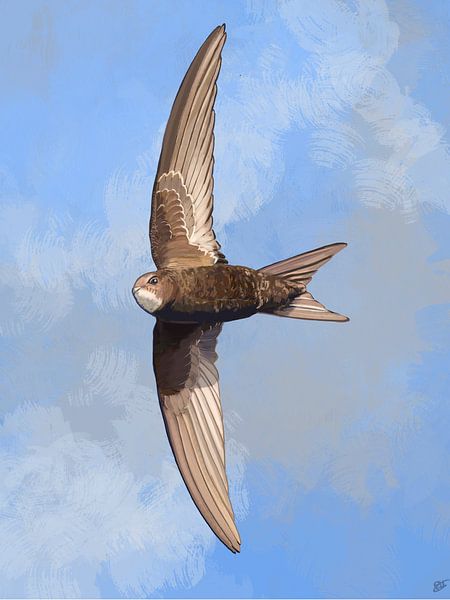
Credit: www.artheroes.com
Aerial Views That Amaze
Watching a bird in flight offers a special perspective. The view from above shows the world in a new way. It reveals patterns and shapes not seen from the ground.
Birds move with grace and purpose. Their flight invites us to explore unique angles and moments of motion.
Unique Angles In Flight
Birds show many different shapes as they fly. Looking from above, you see their wings spread wide or tucked close. These views are rare and beautiful.
- Top view reveals wing patterns and body shapes
- Side view captures the stretch of wings in motion
- Close-up angles show feathers and textures
- Silhouettes highlight the bird’s outline against the sky
Capturing Motion And Grace
Flight is not just about position but also about movement. The way a bird rises, glides, and dips shows skill and beauty.
| Flight Type | Motion Style | Description |
| Soaring | Slow and smooth | Birds glide on air currents with little wing movement |
| Flapping | Fast and strong | Wings move up and down rapidly to gain speed |
| Hovering | Steady and precise | Birds stay in one spot with quick wing beats |
| Diving | Fast and direct | Birds drop quickly toward the ground or water |
Techniques For Bird Photography
Bird photography requires patience and the right skills. Capturing flying birds shows their beauty and motion.
This guide covers useful techniques to improve your bird photos. Learn about equipment and lighting tips.
Equipment Essentials
Choosing the right gear helps you get clear and sharp bird pictures. A good camera and lens are key.
- Use a DSLR or mirrorless camera with fast autofocus.
- Choose a telephoto lens, at least 300mm, to get close shots.
- Carry extra batteries and memory cards for long sessions.
- Use a tripod or monopod to steady your camera.
- Consider a rain cover to protect gear in wet conditions.
Timing And Lighting Tips
Good timing and lighting make bird photos more vivid and detailed. Early morning and late afternoon are best.
| Time of Day | Lighting Quality | Bird Activity |
| Early Morning | Soft, warm light | High activity |
| Noon | Harsh, bright light | Low activity |
| Late Afternoon | Golden, soft light | High activity |
| Evening | Low light, cool tones | Moderate activity |
Bird Species In Flight
Birds fly in many shapes and sizes. Their wings help them move through the air with ease.
Watching birds in flight shows their beauty and strength. Each species has unique flying skills.
Common Flyers
Some birds are seen flying almost everywhere. They adapt well to different places and weather.
- American Robin
- House Sparrow
- Rock Pigeon
- Canada Goose
- European Starling
Rare And Exotic Birds
Rare birds often fly in limited areas. They may have bright colors or strange wing shapes.
| Bird Name | Region | Flight Style |
| Resplendent Quetzal | Central America | Gliding |
| Harpy Eagle | South America | Soaring |
| Wilson’s Bird-of-Paradise | Indonesia | Fluttering |
| Secretary Bird | Africa | Walking and flying |

Credit: www.freepik.com
Environmental Impact On Flight
A bird’s flight depends a lot on the environment around it. Weather and habitat both affect how well a bird can fly. Birds must adapt to these conditions to survive and move efficiently.
Understanding these impacts helps us learn about bird behavior and their challenges in the wild. It also shows how changes in nature can affect flying birds.
Weather Conditions
Weather plays a big role in a bird’s flight. Wind, rain, temperature, and air pressure all change how birds fly. Birds use wind to help them travel longer distances with less effort.
Strong winds can push birds off course. Heavy rain can make flying harder and slow them down. Cold air can make muscles stiff, affecting flight power.
- Wind helps with gliding and soaring
- Rain can reduce visibility and speed
- Cold temperatures may limit flying time
- Air pressure changes can alter lift
Habitat Influence
The type of habitat affects where and how birds fly. Open spaces like fields let birds fly freely and fast. Forests and mountains make flight more tricky due to obstacles.
Birds adjust their flight style to fit their home. Some use short, quick flights in dense areas. Others glide smoothly over open land or water.
- Open habitats allow long, steady flights
- Dense habitats need agile and short flights
- Water bodies influence low, steady flights
- Mountain areas require strong wings for lift
Inspiration From Aerial Perspectives
Seeing a bird from above offers a fresh way to view the world. This aerial perspective shows patterns and shapes unseen from the ground.
Flying birds inspire artists and scientists by revealing new angles on nature and motion.
Artistic Interpretations
Artists use bird’s eye views to create unique paintings and photos. These views show landscapes and cityscapes in new ways.
Flying birds appear as symbols of freedom and grace in many artworks. The aerial angle adds mystery and beauty to their shape.
- Bird’s eye views highlight shapes and colors in nature.
- Artists capture the movement and flow of flying birds.
- Aerial views inspire abstract and realistic art styles.
Scientific Insights
Scientists study flying birds to learn about aerodynamics and flight patterns. The aerial view helps track bird migration paths.
Bird’s eye perspectives reveal how birds use wind and air currents to glide. This helps improve designs in aviation and robotics.
- Flight paths show how birds travel long distances efficiently.
- Aerial views help map bird habitats and behaviors.
- Studying wings from above reveals how birds control flight.

Credit: www.shutterstock.com
Frequently Asked Questions
What Does “a Bird’s Eye View” Mean?
A Bird’s Eye View means seeing something from above, like a bird flying high. It offers a broad, clear perspective of an area or scene.
How Do Birds Navigate While Flying?
Birds use the sun, stars, Earth’s magnetic field, and landmarks to navigate accurately during flight. Their keen vision helps them stay on course.
Why Is Bird Flight Important For Ecosystems?
Bird flight enables pollination, seed dispersal, and pest control. It supports biodiversity and ecological balance in various habitats worldwide.
How Do Birds Achieve Flight?
Birds achieve flight through strong wing muscles, lightweight bones, and aerodynamic feathers. These features create lift and thrust for smooth flying.
Conclusion
Flying birds inspire with their grace and freedom. Watching them soar teaches us about nature’s wonders. Their flight patterns reveal fascinating survival strategies. Every wingbeat tells a story of adaptation and evolution. Observing birds can bring peace and insight into our busy lives.
They remind us to appreciate simple beauty around us. Next time you see a bird, take a moment. Appreciate its flight and the vast sky. Feel connected to nature and its vastness. Birds remind us that the world is full of mystery and magic.
Let’s cherish these moments and learn from them.




