
Have you ever wondered if a bird counts as an exotic animal? It’s a question that might seem simple, but the answer can surprise you.
Whether you’re thinking about getting a pet or just curious about wildlife, understanding what makes an animal “exotic” can change the way you see these feathered creatures. Keep reading, because what you’ll discover might challenge what you’ve always believed about birds and exotic animals.
Your next conversation about pets or nature could get a whole lot more interesting.
Defining Exotic Animals
Understanding what makes an animal exotic is important for pet owners and wildlife enthusiasts. The term “exotic animal” often causes confusion. It is not just about how unusual the animal looks. There are specific factors that define exotic animals. These factors help in classifying animals and deciding how to care for them.
Common Criteria For Exotic Status
Exotic animals often come from different parts of the world. They are not native to the place where they live now. Some common traits include:
- Originating outside the local region or country
- Uncommon as pets or in captivity
- Having special care needs that differ from common pets
- Being regulated by laws due to their rarity or risk
Not all unusual animals are exotic. The key is their origin and how familiar they are to the local environment.
Differences Between Native And Exotic Species
Native species naturally live in a specific area. They have adapted to the local climate and ecosystem. Exotic species arrive from other places, either by human activity or natural migration.
Native animals usually fit well into their environment. They have natural predators and food sources. Exotic species may struggle or disrupt the local balance. This can cause problems for native wildlife and plants.
Understanding these differences helps in protecting ecosystems and making better choices about animal ownership.
Birds In The Animal Kingdom
Birds occupy a unique place in the animal kingdom. They are warm-blooded creatures with feathers and wings. Birds have adapted to many environments on Earth. From tropical rainforests to arctic tundras, birds thrive everywhere. Their ability to fly sets them apart from most other animals. This section explores the diversity of bird species and their roles as pets globally.
Diversity Of Bird Species
There are over 10,000 known bird species worldwide. These species vary greatly in size, color, and behavior. Some birds, like hummingbirds, are tiny and fast. Others, like ostriches, are large and flightless. Birds eat different foods such as seeds, insects, and fish. Their beaks and feet have evolved for these diets. Many birds migrate long distances every year. This diversity helps birds survive in many habitats.
Birds As Pets Around The World
People have kept birds as pets for centuries. Birds like parrots, canaries, and finches are popular choices. They are loved for their colors, songs, and intelligence. Some birds can learn to mimic human speech. Birds require care, including proper food and clean cages. Pet birds also need mental stimulation and social interaction. Keeping birds connects people with nature inside their homes.
When Are Birds Considered Exotic?
Understanding when birds are considered exotic can help you navigate the rules and expectations around owning or interacting with them. Not all birds qualify as exotic, and the distinction often depends on various factors like legal status and rarity. Let’s break down what makes a bird truly exotic in different contexts.
Legal And Regulatory Perspectives
Laws often define exotic birds based on their origin and potential impact on local ecosystems. Birds imported from foreign countries or those not native to your region usually fall under exotic classification.
Some species require special permits or licenses to own or trade. This helps protect native wildlife and prevents the spread of diseases.
Have you checked your local regulations before bringing a new bird home? Ignoring rules can lead to fines or even confiscation of the bird.
Rare And Uncommon Bird Species
Birds that are uncommon or rare in captivity are often seen as exotic, even if they are native to some regions. These birds attract attention due to their unique colors, behaviors, or sounds.
For example, a macaw is exotic in many parts of the world because it’s not commonly found outside tropical areas. On the other hand, a common pigeon is rarely labeled exotic.
Consider whether the bird you’re interested in is easy to find or requires special care and knowledge. This can help you decide if it fits the exotic category for your situation.

Credit: birdsnways.com
Popular Exotic Bird Species
Exotic birds captivate with their vibrant colors and unique behaviors. Many species stand out due to their rarity and beauty. These birds often come from tropical or distant regions. They make popular pets and are admired by bird lovers worldwide.
Parrots And Macaws
Parrots and macaws belong to a large group of intelligent birds. They are known for their bright feathers and ability to mimic sounds. Parrots come in many sizes, from small budgerigars to large macaws. Macaws have strong beaks and long tails. They often show playful and social behavior. Many people keep them as exotic pets due to their charm and intelligence.
Toucans And Other Tropical Birds
Toucans are famous for their large, colorful bills. These birds live mainly in rainforests of Central and South America. Their bills help them reach fruits and insects high in trees. Other tropical birds include hornbills and trogons. These species also display bright colors and unique shapes. Tropical birds add beauty and diversity to the exotic bird category.
Care And Challenges Of Exotic Birds
Exotic birds need special care that differs from common pets. Their needs can be complex and require patience. Understanding their environment, diet, and behavior is crucial. This helps keep them healthy and happy in captivity.
Habitat And Dietary Needs
Exotic birds come from diverse habitats like rainforests and deserts. Their cages must mimic natural conditions. Proper space, lighting, and temperature are important. Without these, birds can become stressed or sick.
Diet plays a key role in their well-being. Their food should match their natural diet as closely as possible. Fruits, seeds, nuts, and insects may be necessary. Avoid feeding only one type of food. Variety ensures balanced nutrition.
- Provide fresh water daily
- Include natural perches for exercise
- Offer safe plants or branches for enrichment
Health And Behavioral Issues
Exotic birds often face health challenges. They can hide illness, making early detection tough. Regular vet visits are essential. Watch for changes in feathers, appetite, or activity.
Behavior problems can arise from boredom or stress. Birds may scream, bite, or pluck feathers. Mental stimulation and social interaction reduce these issues. Toys, puzzles, and time outside the cage help.
- Monitor for signs of illness
- Provide social time or companionship
- Use safe toys for mental exercise
Conservation And Ethical Concerns
Birds have always fascinated people with their colors and songs. But, the desire to own them as pets raises important questions. These questions focus on conservation and ethics. The impact on wild populations and the ecosystem needs attention. Understanding these issues helps protect our feathered friends.
Impact Of The Exotic Pet Trade
The exotic pet trade harms bird populations. Many birds are taken from the wild. This reduces their numbers and disrupts ecosystems. Some species face extinction risks due to this demand. Capturing birds can destroy their natural habitats. It affects other wildlife and plants. Transporting these birds is often inhumane. Many suffer and die before reaching homes.
Protecting Wild Bird Populations
Protecting wild bird populations is crucial. Conservation groups work to save bird habitats. They create protected areas for birds to thrive. Educating people about birds’ roles in ecosystems is important. Awareness reduces the demand for wild-caught birds. Supporting laws that ban illegal bird trade helps too. Breeding programs for endangered species ensure their survival.
Choosing The Right Bird Pet
Birds can be exotic pets, depending on their species and origin. Some birds require special care and permits, unlike common pets. Understanding their needs helps you decide if a bird fits your home and lifestyle.
Choosing the Right Bird Pet involves careful consideration. Birds bring joy and companionship. Yet, they require specific care. Not all birds suit every household. Understanding your environment and legal obligations is crucial. This ensures a happy life for your feathered friend.Assessing Your Environment And Commitment
Birds need space to fly and play. A small cage isn’t enough. Consider your home size. Is there room for a large cage? Birds are social animals. They need interaction daily. Are you available to spend time with them? Birds can live many years. Are you ready for a long-term commitment?Legal Requirements And Permits
Owning a bird may require permits. Some birds are protected by law. Check local regulations before bringing a bird home. Different regions have different rules. Ensure you comply with them. This avoids legal trouble and protects the bird. Know the species you’re interested in. Some might be considered exotic. This affects legal requirements.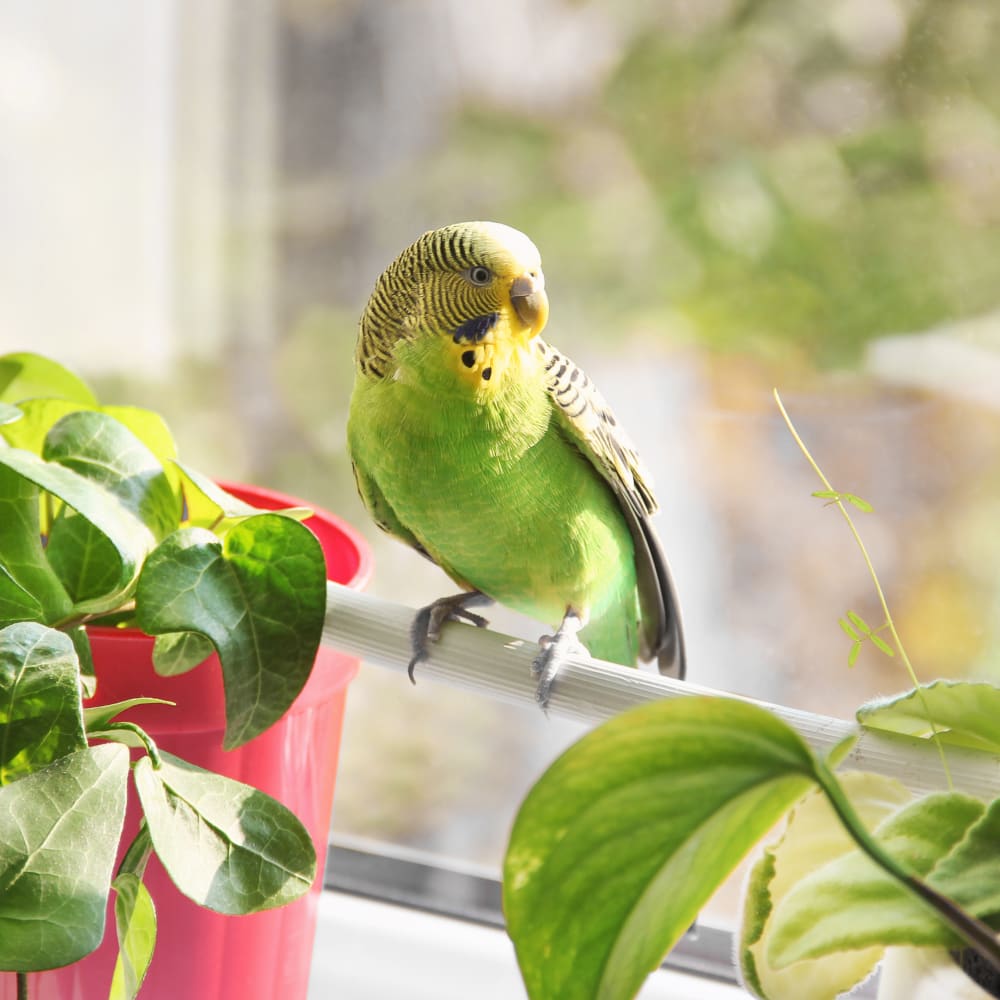
Credit: www.cambridgeanimalhosp.com

Credit: birdsnways.com
Frequently Asked Questions
What Defines An Exotic Animal Legally?
An exotic animal is typically non-native and rare in a specific region. Laws vary by location, affecting ownership and classification. Birds can be exotic if they are uncommon or imported species, but common pet birds often don’t qualify as exotic.
Are All Birds Considered Exotic Pets?
Not all birds are exotic pets. Common species like budgerigars or canaries are usually not exotic. Exotic birds include parrots, macaws, or rare tropical species. Their exotic status depends on rarity, origin, and legal definitions.
Why Are Some Birds Classified As Exotic Animals?
Birds become exotic due to their rarity, origin, and special care needs. Exotic birds often come from foreign habitats and require specific environments. Their classification helps regulate trade and protect native wildlife.
Can Owning Exotic Birds Require Special Permits?
Yes, owning exotic birds often requires permits. Regulations ensure the birds’ welfare and prevent illegal trade. Permit requirements vary by country and species. Always check local laws before acquiring an exotic bird.
Conclusion
Birds can be exotic animals depending on their species and origin. Many birds are native and common, while others come from far places. Exotic birds often need special care and attention. They can bring joy but also require responsibility. Knowing the difference helps you make smart choices.
Keep learning about birds to understand them better. They are amazing creatures, no matter where they come from. Caring for any bird means respecting its needs and nature.




