
Have you ever set up a bird feeder in your yard, only to find it quickly taken over by squirrels? You’re not alone.
If you’ve been wondering, “Do bird feeders attract squirrels? ” you’re about to discover the surprising truth. Understanding what draws these furry visitors can help you enjoy watching birds without unwanted squirrel interruptions. Keep reading to learn how bird feeders influence squirrel behavior and what you can do about it.

Credit: feedsnneeds.ca
Why Squirrels Visit Bird Feeders
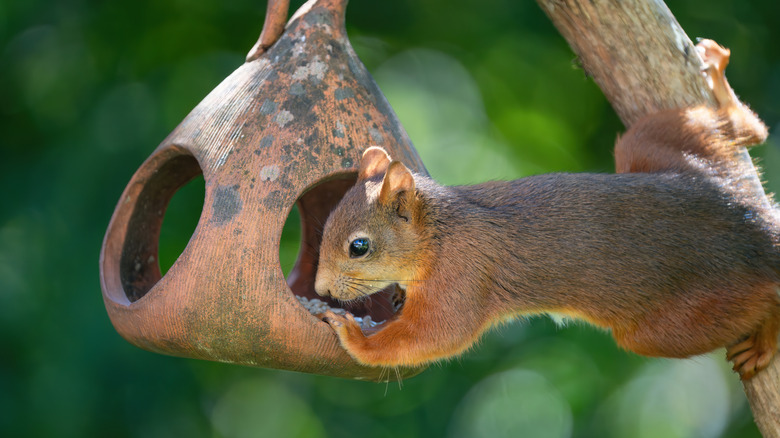
Squirrels often visit bird feeders because they find easy food sources there. Bird feeders offer a variety of seeds and nuts that attract squirrels. These small mammals are always searching for high-energy foods to fuel their active lifestyle. Bird feeders become a convenient spot for quick meals.
Besides food, squirrels enjoy the challenge of reaching feeders. Their natural curiosity and agility make bird feeders a playground. Understanding why squirrels visit can help manage their presence around feeders.
Food Attraction And Squirrel Diet
Squirrels mainly eat nuts, seeds, fruits, and sometimes small insects. Bird feeders are filled with seeds and nuts, perfect for their diet. Sunflower seeds, peanuts, and corn are common squirrel favorites.
The smell and sight of these foods lure squirrels to feeders. They see bird feeders as a reliable food source, especially in colder months. This easy availability fits well with their natural eating habits.
Easy Access To Calories
Squirrels need many calories to stay active and warm. Bird feeders provide high-calorie snacks with little effort. This easy access helps squirrels save energy while getting needed nutrition.
Finding food in the wild can be hard. Feeders offer a simple and steady supply of calories. That makes feeders attractive spots to visit frequently.
Behavioral Patterns Around Feeders
Squirrels are clever and quick learners. They often watch birds to learn how to get food. Once they discover feeders, they return regularly.
Squirrels use various tactics to reach food. They climb poles, jump from trees, or chew feeder parts. This behavior shows their determination to access easy meals.
Sometimes, squirrels visit feeders to store food for later. They hide seeds in nearby places. This caching helps them survive when food is scarce.
Types Of Feeders That Attract Squirrels
Bird feeders come in many shapes and styles. Some types attract squirrels more than others. Understanding these feeders helps manage squirrel visits. Some feeders provide easy access. Others offer protection to seeds. Choosing the right feeder affects which animals visit.
Open Feeders Vs. Enclosed Feeders
Open feeders have no cover or barriers. Seeds are easy for squirrels to reach. These feeders attract many squirrels quickly. Enclosed feeders protect seeds inside a cage or shell. Small birds can enter, but squirrels cannot. These feeders reduce squirrel visits effectively. However, squirrels may still find ways to reach food.
Seed Types And Their Appeal
Squirrels prefer large, oily seeds like sunflower and peanuts. These seeds are high in fat and easy to carry. Smaller seeds like millet attract fewer squirrels. Mixed seeds often increase squirrel visits. Squirrels can pick their favorite seeds easily in mixes. Offering seeds that squirrels like most encourages them to visit.
Design Features That Invite Squirrels
- Wide perches allow squirrels to sit comfortably.
- Sturdy feeders support squirrel weight without tipping.
- Feeders placed near trees or branches give easy access.
- Feeders without squirrel guards invite more visits.
- Open trays or platforms provide space for squirrels to feed.
These design features make feeders attractive to squirrels. Small changes can reduce or increase squirrel visits at your feeder.
How Squirrels Affect Bird Feeding
Squirrels are frequent visitors at bird feeders, and their presence can change the whole feeding experience. Understanding how squirrels affect bird feeding helps you manage your feeder better and keep your feathered friends happy. Let’s look at the key ways squirrels interact with bird feeders and what it means for you and the birds.
Competition For Food
Squirrels are quick and persistent, often eating a large portion of the seeds meant for birds. This competition can leave birds with less food, especially during winter when they rely heavily on feeders. If you’ve noticed fewer birds around your feeder, squirrels might be the reason behind it.
Have you ever watched a squirrel outsmart a feeder’s squirrel-proof design? Their cleverness means you might need to rethink your feeder setup to ensure birds get their share.
Damage To Feeders
Squirrels have strong teeth and sharp claws that can cause significant damage to feeders. They chew through plastic and wood, breaking parts or making holes to get to the seeds inside. This damage not only wastes your seed but can also lead to costly repairs or replacement of feeders.
One time, I saw a squirrel gnaw through a metal feeder’s pole to reach the seeds, forcing me to switch to a more durable design. Have you considered how your feeder’s material might hold up against these determined visitors?
Impact On Bird Activity
The presence of squirrels can disturb birds, making them hesitant to visit feeders. Squirrels can be noisy and aggressive, scaring smaller or more timid bird species away. This change in bird activity can reduce the variety and number of birds you see at your feeder.
Think about your own bird-watching moments—have you noticed birds flying off as soon as a squirrel arrives? Adjusting feeder placement or adding squirrel deterrents might help restore a peaceful feeding environment for birds.
Effective Ways To Keep Squirrels Away
Squirrels love bird feeders because they offer easy meals. Their cleverness makes them tough to keep away. Effective ways to protect your feeder help maintain bird visits. These methods focus on stopping squirrels without harming them.
Squirrel-proof Feeders
Squirrel-proof feeders have special designs that block squirrels. Some use weight-sensitive perches that close access when heavy animals land. Others have cages or metal guards around the seed area. These feeders let small birds feed but keep squirrels out.
Choose feeders made from strong materials to resist chewing. Regular cleaning prevents seed buildup that attracts squirrels. Using these feeders reduces seed waste and keeps birds happy.
Feeder Placement Strategies
Place feeders far from trees, fences, or roofs. Squirrels jump easily from nearby structures. Keep feeders at least 10 feet away from jumping points. Use poles with baffles to stop squirrels from climbing up.
Mount feeders on smooth metal poles to make climbing hard. Avoid placing feeders on wooden poles or near plants squirrels can climb. Changing feeder spots regularly may confuse squirrels and reduce visits.
Using Deterrents And Repellents
Deterrents can discourage squirrels from reaching feeders. Use spicy sprays made from chili or cayenne pepper on seeds. Birds cannot taste the spice, but squirrels dislike it.
Install motion-activated sprinklers or noise devices near feeders. Sudden water or sound startles squirrels away. Natural deterrents like predator decoys may also help but need frequent moving.
Combine deterrents with other methods for best results. Always choose safe, non-toxic products to protect wildlife.
Benefits Of Sharing Feeders With Squirrels
Sharing bird feeders with squirrels offers unique benefits. It allows close encounters with local wildlife and helps you appreciate nature’s variety. Squirrels bring energy and life to any garden space. Watching their antics can brighten your day and deepen your connection to the environment.
Feeding squirrels alongside birds creates a lively and balanced outdoor setting. It supports the natural roles these animals play in your garden. You gain a fuller view of your backyard ecosystem. This shared feeding also encourages respect for all creatures, big and small.
Observing Wildlife Diversity
Bird feeders attract more than just birds. Squirrels add another layer to the wildlife mix. You get to see different species interacting naturally. This diversity enriches your outdoor experience. It’s like having a live wildlife show right outside your window.
Natural Behavior Insights
Watching squirrels at feeders reveals their true habits. You can learn how they gather and store food. Notice their problem-solving and social behaviors. This insight helps you understand animal life better. It also makes feeding time more interesting and educational.
Balanced Garden Ecosystem
Squirrels play a role in seed dispersal and plant growth. Feeding them supports these natural processes. They help keep your garden healthy and thriving. Sharing feeders creates harmony among birds, squirrels, and plants. This balance benefits the whole garden environment.
Credit: www.housedigest.com

Credit: www.popsci.com
Frequently Asked Questions
Do Bird Feeders Attract Squirrels To My Garden?
Yes, bird feeders often attract squirrels because they provide an easy food source. Squirrels are skilled at accessing seeds and nuts meant for birds, making feeders a popular spot for them.
Why Do Squirrels Prefer Bird Feeders Over Natural Food?
Bird feeders offer concentrated, high-calorie food that is easier to access than natural sources. This convenience makes feeders more attractive to squirrels than searching for wild nuts or berries.
How Can I Prevent Squirrels From Eating Bird Feeder Food?
Use squirrel-proof feeders, place feeders away from jumping points, and add deterrents like spicy seed coatings. These methods reduce squirrel access and protect bird food effectively.
Are Certain Bird Feeders Less Attractive To Squirrels?
Yes, feeders with weight-sensitive perches or cages are less attractive. They close off access when heavy animals like squirrels try to feed, allowing only lighter birds to eat.
Conclusion
Bird feeders often attract squirrels because they love the food. Squirrels are quick and clever, finding ways to reach seeds. You can try special feeders designed to keep squirrels away. Placing feeders in hard-to-reach spots helps too. Feeding birds is fun, but expect some squirrel visits.
Understanding this helps you enjoy your backyard better. Keep watching and adjusting to find what works best. Nature brings surprises, and squirrels are part of the story.




