
Are you wondering if you can place your hummingbird feeder right next to your regular bird feeder? It’s a common question for anyone who loves watching different birds visit their yard.
You want to attract as many feathered friends as possible, but does putting these feeders side by side help or hurt your chances? You’ll discover the surprising facts about feeding hummingbirds and other birds together. Keep reading to learn how to set up your feeders for the best results and create a backyard that’s buzzing with life.
Hummingbird Feeder Basics
Understanding the basics of hummingbird feeders is key before placing them near your regular bird feeders. Hummingbirds have unique feeding habits and preferences that differ from other birds. Knowing what type of feeder to use and the right nectar to offer can make a big difference in attracting these tiny, vibrant visitors to your garden.
Types Of Hummingbird Feeders
Hummingbird feeders come in various styles, each designed to suit different needs. Some have built-in perches, while others rely on the hummingbirds’ ability to hover. You might choose a feeder with multiple feeding ports to attract several birds at once or a simpler model for easy cleaning.
- Top-fill feeders:Easy to refill and clean, great for beginners.
- Glass feeders:Durable and attractive, but can be heavier and pricier.
- Plastic feeders:Lightweight and affordable, though they may stain or crack over time.
- Perch feeders:Provide a resting spot, which can encourage longer visits.
Think about your environment and how many hummingbirds visit to pick the best type for your space.
Choosing The Right Nectar
Hummingbirds thrive on a simple nectar recipe: four parts water to one part white granulated sugar. Avoid honey, artificial sweeteners, or red dye, as these can harm the birds. Boiling the water before mixing helps dissolve the sugar and keeps the nectar fresh longer.
- Use clean, fresh water to avoid mold growth.
- Change the nectar every 2-3 days, more often in hot weather.
- Clean your feeder thoroughly with hot water before refilling.
Have you noticed how hummingbirds respond differently when you tweak your nectar recipe? Small changes can influence how often they visit. Paying attention to these details ensures your feeder remains a safe and attractive spot for your hummingbird friends.

Credit: www.reddit.com
Regular Bird Feeder Options
Choosing the right regular bird feeder options can make a big difference in attracting a variety of backyard birds. Understanding what seeds to offer and which feeder styles suit different birds helps you create a welcoming space. This knowledge is especially useful if you’re thinking about placing hummingbird feeders nearby and want to avoid competition or confusion among your feathered visitors.
Popular Seeds For Backyard Birds
Different seeds attract different types of birds. Black oil sunflower seeds are a top pick because they appeal to many species like cardinals, chickadees, and finches. If you want to invite ground feeders like doves or sparrows, millet is a good choice.
Nyjer seed is perfect for finches with its small size, while safflower seeds are great if you want to keep squirrels away since many birds love them but squirrels don’t. Offering a mix can bring a variety of birds, but be mindful of what your local birds prefer. Have you noticed which seeds your backyard birds favor the most?
Feeder Styles For Different Birds
The feeder style you choose can make feeding easier or harder for certain birds. Tube feeders work well for small songbirds like finches and chickadees, while platform feeders attract larger birds such as jays and doves. Hopper feeders combine the benefits of both by holding a large amount of seed and allowing multiple birds to feed at once.
Suet feeders are excellent for woodpeckers and nuthatches, especially in colder months. Think about where the feeder will hang or sit—some birds prefer feeders close to cover, while others need open space for quick escapes. What feeder setup has worked best in your yard to keep a steady flow of visitors?
Feeder Placement Considerations
Placing hummingbird feeders next to regular bird feeders requires careful thought. The right placement helps both types of birds feed comfortably and safely. Consider how distance and sunlight affect their feeding habits to create a welcoming spot for all visitors.
Distance Between Feeders
Keep hummingbird feeders at least 10 to 15 feet away from regular bird feeders. Hummingbirds are quick and can get stressed if larger birds crowd them. Giving them some space reduces competition and keeps the hummingbirds returning happily.
Too close, and you might see aggressive behavior from bigger birds like sparrows or jays. Too far, and you lose the convenience of watching all birds from one spot. Have you noticed how hummingbirds behave when other birds are nearby? Adjust the distance based on what you observe.
Sunlight And Shade Factors
Place hummingbird feeders where they get morning sunlight and afternoon shade. Morning sun helps warm the nectar and attracts hummingbirds early in the day. Afternoon shade prevents the nectar from spoiling too quickly in hot weather.
Regular bird feeders can tolerate a bit more sun, but shade helps keep seeds fresh longer. Think about your yard’s sun patterns throughout the day and adjust feeder spots accordingly. How often do you check the nectar temperature or seed freshness? This simple step can improve feeder success.
Hummingbird Behavior Near Feeders
Placing hummingbird feeders near regular bird feeders can cause some competition. Hummingbirds prefer quiet, open spaces but may still visit if food is available. Keep feeders a few feet apart to help both types of birds feed comfortably.
Hummingbirds are fascinating creatures with unique behaviors. Understanding their actions near feeders can enhance your bird-watching experience. These tiny birds are known for their agility and curiosity. Observing them at feeders offers a glimpse into their vibrant world.Territorial Tendencies
Hummingbirds often display territorial behavior around feeders. They chase away intruders to protect their food source. This behavior is more common during peak feeding times. A single hummingbird might dominate a feeder, preventing others from approaching. This ensures they have enough nectar to sustain their energy levels.Attracting Multiple Species
Placing regular bird feeders near hummingbird feeders can attract more species. The variety of food options draws different birds to your yard. Hummingbirds might seem uninterested in seed feeders. Yet, they coexist with other birds drawn to those feeders. This setting creates a lively and diverse bird-watching experience. Observing various species together enriches your understanding of bird behavior.Potential Issues Mixing Feeders
Mixing hummingbird feeders with regular bird feeders can create unexpected challenges. Understanding these potential issues helps ensure a harmonious garden environment. Let’s delve into the main concerns that may arise when placing these feeders together.
Competition And Aggression
Birds compete for food, leading to aggressive behavior. Hummingbirds are territorial and may chase other birds away. Larger birds may also intimidate smaller hummingbirds. This competition can increase stress for all birds. Ensuring enough space between feeders can help reduce conflicts.
Contamination Risks
Mixing feeders can lead to contamination risks. Hummingbird feeders use sugar water, while regular feeders use seeds. Spilled seeds and sugar water create a breeding ground for bacteria. This can harm the birds’ health. Keeping the feeders clean minimizes these risks. Regular cleaning schedules ensure safe feeding areas for all birds.

Credit: photofocus.com
Best Practices For Co-locating Feeders
Placing hummingbird feeders near regular bird feeders can create a lively backyard scene, but it takes some thought to keep all visitors happy and healthy. Balancing their needs means considering how close the feeders are and how you care for them. These best practices help you attract a variety of birds while avoiding competition or health issues.
Spacing And Height Tips
Hummingbirds are territorial and need their own space. Position their feeders at least 10 feet away from regular feeders to reduce stress and prevent aggressive encounters. Hanging hummingbird feeders at eye level or slightly above makes it easier for you to watch these tiny acrobats up close.
Regular bird feeders can be placed lower or at different spots around your yard. This separation helps different species feel safe and reduces crowding. Have you noticed how hummingbirds prefer open spaces to hover and feed? Giving them clear flight paths improves their feeding experience.
Cleaning And Maintenance Guidelines
Cleanliness is key to keeping hummingbirds and other birds healthy. Clean hummingbird feeders every 3-5 days, especially in warm weather, to prevent mold and bacteria growth. Use hot water and a bottle brush, and avoid harsh chemicals that can harm the birds.
Regular feeders also need routine cleaning to stop disease spread among visiting birds. Check for old seed and debris at least once a week, and rinse feeders thoroughly. Have you ever skipped cleaning and then noticed fewer birds visiting? Keeping feeders fresh encourages regular visits and vibrant wildlife.
Seasonal Adjustments
Seasonal changes greatly affect bird feeding habits. Hummingbird feeders and regular bird feeders need adjustments throughout the year. These changes help attract the right birds and keep feeders safe and clean. Understanding seasonal needs improves your chances of enjoying diverse bird visits.
Feeding During Migration
Migration seasons bring many birds passing through your area. Hummingbirds need extra energy during long flights. Keep feeders full with fresh nectar from late summer to early fall. Regular bird feeders benefit from offering high-energy seeds. This supports birds preparing for their journey south.
Place hummingbird and regular feeders near each other carefully. Avoid crowding so hummingbirds can feed without stress. Clean feeders often to prevent mold and bacteria. This is crucial during migration when many birds rely on feeders.
Adapting To Weather Changes
Weather impacts food availability for birds. In cooler months, hummingbirds may become scarce or leave. Remove or reduce nectar feeders as temperatures drop below 50°F. Regular bird feeders stay useful year-round with seeds suited for winter birds.
Protect feeders from strong winds and rain. Place feeders in sheltered spots to keep food fresh. In hot weather, change nectar every two days to avoid fermentation. These adjustments keep birds healthy and encourage regular visits.
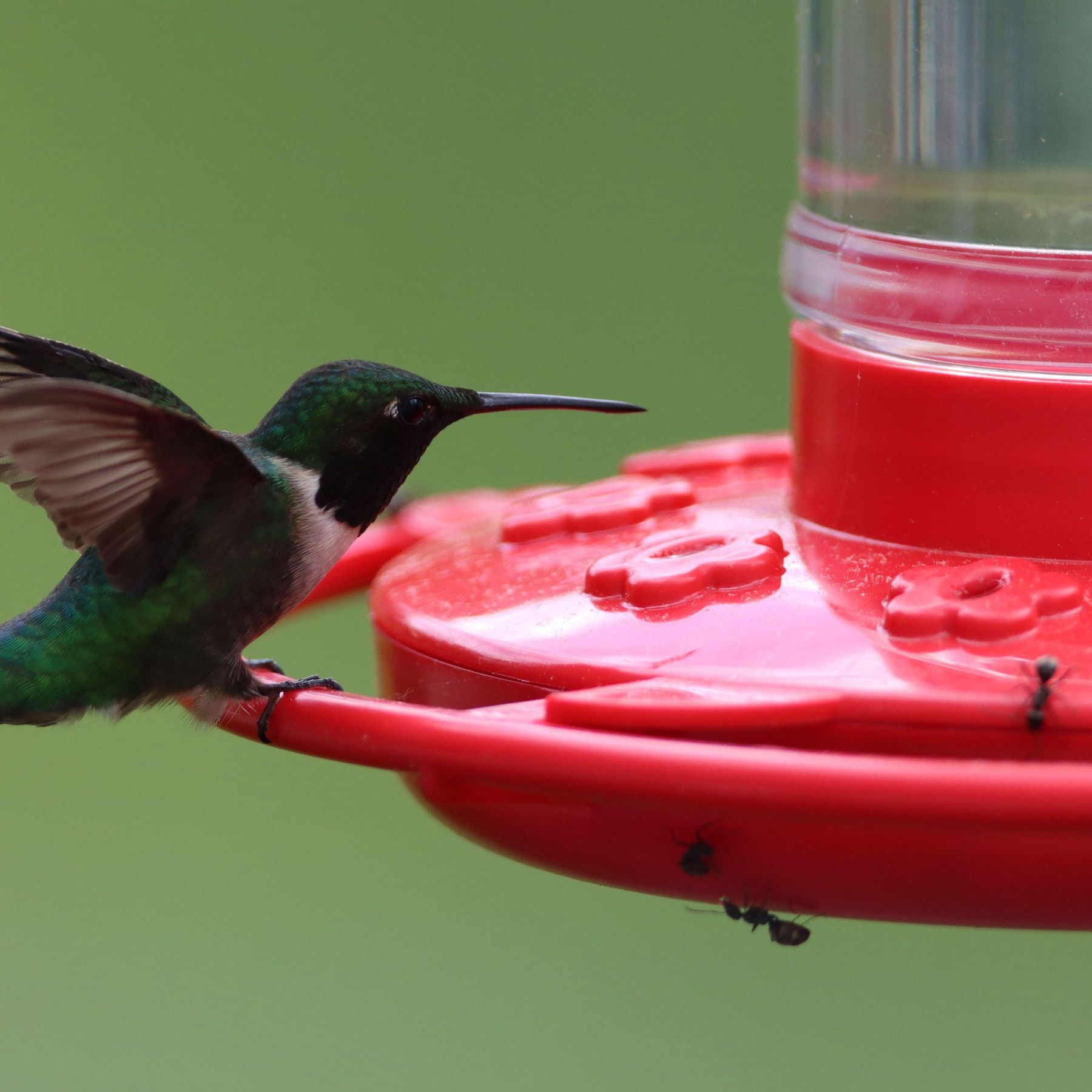
Credit: www.homesandgardens.com
Frequently Asked Questions
Can Hummingbird Feeders Be Placed Near Regular Bird Feeders?
Yes, hummingbird feeders can be placed near regular bird feeders. Ensure enough space to reduce competition and avoid aggression. Keep feeders at least 10 feet apart to allow hummingbirds easy access to nectar without disturbance from larger birds.
Will Regular Bird Feeders Attract Aggressive Birds Near Hummingbirds?
Regular bird feeders may attract aggressive birds like sparrows and starlings. These birds can disturb hummingbirds if feeders are too close. Separating feeders by a good distance helps protect hummingbirds and reduces conflicts between species.
How Far Should Hummingbird And Regular Feeders Be Spaced?
Hummingbird and regular feeders should be spaced at least 10 to 15 feet apart. This distance minimizes territorial disputes and allows hummingbirds to feed peacefully. Proper spacing also helps maintain a healthy feeding environment for all bird species.
Does Placing Feeders Close Affect Hummingbird Feeding Behavior?
Yes, placing feeders too close can stress hummingbirds and reduce feeding visits. They prefer quiet, less crowded spaces to feed. Proper feeder placement encourages natural feeding habits and attracts more hummingbirds to your garden.
Conclusion
Placing hummingbird feeders near regular bird feeders can work well. Keep feeders clean to avoid disease for all birds. Give hummingbirds space to feed without feeling crowded. Watch how birds react and adjust feeder placement if needed. This setup helps you enjoy many bird species in one spot.
Feeding birds brings joy and supports their health. Try it carefully and enjoy the colorful visitors at your feeders.




