
Are you struggling to capture sharp, stunning photos of birds from a distance? Choosing the right telephoto lens can make all the difference in your bird photography.
But with so many options out there, how do you know which one suits your needs best? You’ll discover the top telephoto lenses that deliver crisp, detailed shots, even when your feathered subjects are far away. Keep reading to find the perfect lens that will take your bird photography to the next level.
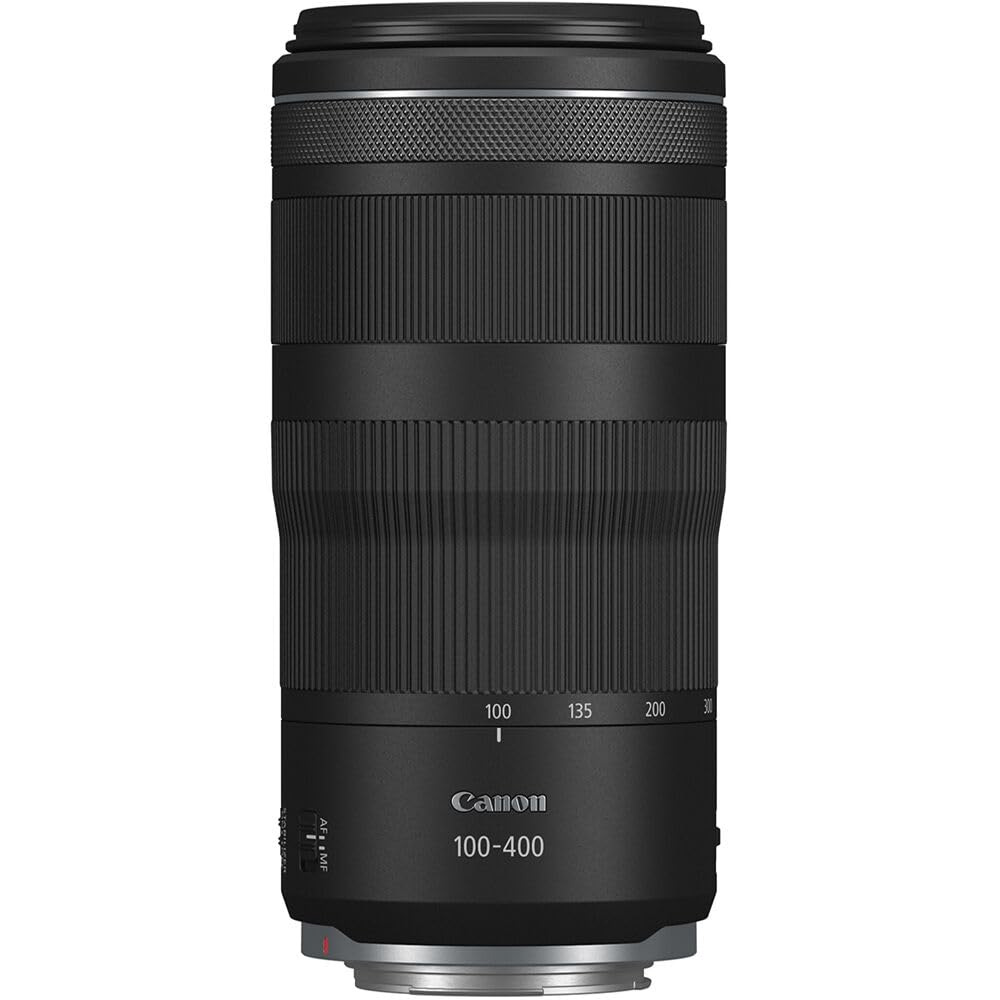
Credit: www.livescience.com
Why Telephoto Lenses Matter
Telephoto lenses play a crucial role in bird photography. They allow you to capture sharp, detailed images of birds from a distance without disturbing their natural behavior. Without the right telephoto lens, you might miss those rare moments or intricate details that make bird photos truly captivating.
Benefits For Bird Photography
Telephoto lenses let you zoom in close to your subject while keeping a safe distance. This means you can photograph shy or easily startled birds without scaring them away.
They also help isolate your subject by blurring the background, making the bird stand out in your frame. This effect adds depth and draws attention to fine details like feathers and eyes.
With a longer reach, you can capture birds in flight or perched high in trees, expanding your creative possibilities. Have you ever struggled to fill the frame with a bird that’s far away? A telephoto lens solves that problem.
Key Features To Consider
- Focal Length:Look for lenses between 300mm and 600mm for optimal reach. Longer focal lengths give you more zoom but can be heavier to carry.
- Aperture Size:A wide aperture (like f/2.8 or f/4) allows more light in, helping you shoot in low light and achieve a shallow depth of field.
- Image Stabilization:This feature reduces blur from camera shake, especially important when using long lenses handheld.
- Weight and Handling:Consider how long you’ll be shooting. A heavy lens might tire you quickly during long bird-watching sessions.
- Autofocus Speed:Birds move fast, so a lens with quick and accurate autofocus helps you capture sharp images at the right moment.

Credit: www.youtube.com
Top Telephoto Lenses For Beginners
Choosing the right telephoto lens can make a huge difference when you’re starting bird photography. As a beginner, you want something that balances quality with ease of use and doesn’t break the bank. The right lens helps you capture sharp, detailed shots without overwhelming you with complex features.
Affordable Options
Not every beginner needs a top-of-the-line lens that costs a fortune. There are several budget-friendly telephoto lenses that deliver solid image quality without emptying your wallet. Brands like Canon, Nikon, and Tamron offer lenses around the 300-500mm range that are perfect for beginners.
For example, the Canon EF 75-300mm f/4-5.6 III is a popular choice. It’s lightweight and provides decent reach to capture birds in flight or perched far away. Would you rather spend more on a lens or on trips to exciting birding spots? Affordable lenses let you focus on experience first.
Ease Of Use And Portability
When you’re new to bird photography, a heavy, complicated lens can be frustrating. Lenses that are easy to handle and carry make a big difference in how long you stay out shooting. Compact telephoto lenses with image stabilization help you get steady shots without lugging around a big tripod.
The Nikon AF-P DX NIKKOR 70-300mm f/4.5-6.3G ED VR is a great example. It’s lightweight and features vibration reduction to keep images sharp. How much easier would your bird photography sessions be if your gear felt like an extension of your arm rather than a burden?
Professional-grade Telephoto Lenses
Professional-grade telephoto lenses are essential tools for serious bird photographers. They provide the reach and image quality needed to capture fine details from a distance. These lenses handle challenging conditions and deliver sharp, vibrant photos consistently.
Choosing the right professional lens means investing in quality optics and advanced features. Such lenses are built to perform well in diverse environments and demanding situations.
High Performance And Sharpness
Professional telephoto lenses offer exceptional sharpness across the frame. They use high-quality glass and special coatings to reduce glare and chromatic aberration. Autofocus systems in these lenses are fast and accurate, helping you capture birds in motion.
Image stabilization is often included, minimizing blur from hand shake. This allows shooting at slower shutter speeds without losing clarity. Overall, these lenses deliver crisp, detailed images that stand out.
Durability And Weather Resistance
These lenses are built tough to endure rough outdoor use. They feature sealed bodies to keep out dust, moisture, and rain. This weather resistance ensures reliable performance in rain or dusty conditions.
Strong materials like magnesium alloy add durability without excessive weight. Professionals depend on these lenses during long birding trips in varied climates. Their rugged design guarantees that the lens stays functional and protected.
Prime Vs Zoom Lenses
Choosing between prime and zoom lenses is a key decision for bird photography. Each type offers unique benefits that can impact how you capture birds in their natural habitat. Understanding these differences helps you pick the right tool for your shooting style and the conditions you face.
Advantages Of Prime Lenses
Prime lenses have a fixed focal length, which means they don’t zoom in or out. This might sound limiting, but it actually offers some strong advantages.
- Sharper Images:Prime lenses often produce sharper photos because they have simpler optical designs.
- Better Light Performance:They usually have wider apertures, allowing more light in. This helps when shooting in low-light conditions like early morning or cloudy days.
- Lighter and More Compact:Since they don’t have complex zoom mechanisms, prime lenses tend to be lighter. This makes them easier to carry on long birdwatching trips.
Imagine trying to photograph a quick-moving bird with a prime lens. You’ll need to move yourself to frame the shot, which can be a great way to improve your positioning skills and get closer to your subject.
When To Choose Zoom Lenses
Zoom lenses offer variable focal lengths, allowing you to adjust the zoom without changing lenses. This flexibility can be a game changer in bird photography.
- Versatility in the Field:You can quickly adapt to different bird sizes and distances without missing a shot.
- Less Gear to Carry:One zoom lens can replace several prime lenses, reducing the weight and bulk of your camera bag.
- Ideal for Unpredictable Wildlife:Birds don’t always stay still or within a fixed distance. Zoom lenses help you react fast to sudden changes.
Think about a time when a bird suddenly flew closer or farther away. Zoom lenses let you adjust instantly, keeping your subject in perfect frame without fumbling for another lens.
Which type fits your shooting style better? Are you ready to move around with a prime lens, or do you prefer the flexibility of zoom? Your choice shapes not just your photos but your entire bird photography experience.
Lens Compatibility And Camera Bodies
Choosing the best telephoto lens for bird photography isn’t just about zoom and clarity. Lens compatibility with your camera body plays a crucial role in how well your gear performs together. Understanding this connection helps you avoid frustration and ensures you get the sharp, fast shots you want.
Matching Lens With Your Camera
Your camera brand and model determine which lenses will work seamlessly. Most manufacturers design lenses specifically for their camera mounts, so a Canon lens won’t fit directly on a Nikon body without an adapter. This isn’t just about physical fit — sensor size and image stabilization compatibility also matter.
Have you ever tried using a lens designed for full-frame cameras on an APS-C sensor body? The crop factor changes your effective focal length, which can be an advantage or a limitation depending on your style. Knowing your camera’s sensor size helps you pick a lens that matches your shooting needs.
Mount Types And Autofocus
Lens mount types define the mechanical and electronic connection between your lens and camera. Brands like Sony, Nikon, Canon, and Fujifilm each have unique mounts, and even within a brand, mounts can vary between DSLR and mirrorless systems.
Autofocus speed and accuracy depend heavily on how well the lens communicates with your camera body. A lens designed for an older mount might lose autofocus precision or speed on a newer camera. Have you noticed your autofocus lagging or hunting during bird shots? It might be a compatibility issue.
- Check firmware updates:Manufacturers often release updates improving lens and body communication.
- Consider native lenses:These usually provide the best autofocus performance and features.
- Test before you buy:If possible, try the lens on your camera to see how autofocus performs in real birding conditions.
Additional Accessories To Enhance Bird Photography
Tripods and lens hoods help stabilize shots and reduce glare for clearer bird photos. Using remote shutter releases minimizes camera shake during captures. These accessories improve focus and image quality when paired with the best telephoto lens.
Bird photography offers a unique blend of challenges and rewards. Capturing stunning images of our feathered friends requires more than just a high-quality telephoto lens. The right accessories can significantly enhance your bird photography experience, making it easier to get that perfect shot. Let’s explore some essential tools that can elevate your bird photography game.Tripods And Gimbals
Stability is crucial in bird photography. A sturdy tripod ensures your camera remains steady, reducing blur from shaky hands. When you’re using heavy telephoto lenses, a tripod becomes indispensable. Pair your tripod with a gimbal head for smooth movement. This combination allows you to track birds in flight effortlessly. Your camera will glide smoothly, keeping up with the swift movements of your subject. Investing in a quality tripod and gimbal can make a significant difference. Not only will your photos improve, but you’ll also experience less fatigue during long shoots.Lens Hoods And Filters
Lens hoods are often overlooked, yet they play a vital role in enhancing image quality. They shield your lens from unwanted glare, ensuring your photos are crisp and clear. Filters add another layer of protection and creativity. Use UV filters to protect your lens from dust and scratches. Polarizing filters can enhance the colors and contrast, making the bird’s plumage pop against the sky. Consider experimenting with different filters to achieve diverse effects. Whether you’re shooting in harsh sunlight or cloudy conditions, the right filter can transform your images.Tips For Choosing The Right Telephoto Lens
Choosing a telephoto lens for bird photography means balancing zoom power with weight. A lens that offers clear images and quick focus helps capture birds in flight. Consider lens size, focal length, and image stabilization for the best shots.
Choosing the right telephoto lens for bird photography can be a thrilling yet daunting task. The right lens not only helps you capture those breathtaking images of birds in flight but also enhances your overall photography experience. To simplify this process, it’s crucial to focus on a few key factors that can significantly influence your decision.Budget Considerations
Your budget plays a crucial role in selecting the right telephoto lens. High-quality lenses can be quite expensive, often reaching thousands of dollars. However, don’t let this discourage you. There are affordable options that still deliver excellent image quality. Consider lenses from third-party manufacturers like Sigma or Tamron, which often offer more budget-friendly alternatives without compromising too much on performance. Renting a lens can be a great way to test before you invest. This way, you can experience the lens’s capabilities firsthand without breaking the bank.Shooting Environment And Style
Your shooting environment and style should dictate your lens choice. If you often shoot in dense forests, a lens with a shorter focal length and wider aperture might be beneficial. This allows you to capture birds in low light conditions without losing detail. For those who prefer photographing birds in open fields or along coastlines, a longer focal length is ideal. It helps you maintain a safe distance while still capturing intimate details. Consider your shooting style; if you love action shots, look for lenses with fast autofocus capabilities. Ask yourself, do you prioritize portability or optical performance? This can significantly influence your choice, especially if you hike long distances to capture that perfect shot. Ultimately, understanding your unique needs will guide you to the perfect telephoto lens for bird photography.
Credit: www.youtube.com
Frequently Asked Questions
What Focal Length Is Ideal For Bird Photography?
A focal length between 300mm and 600mm works best. It provides enough zoom to capture birds without disturbing them. Longer lenses offer better detail but can be heavier and more expensive. Choose based on your budget and shooting style.
Which Aperture Size Suits Telephoto Bird Lenses?
An aperture of f/4 to f/5. 6 is ideal. It balances light capture and depth of field. Wider apertures allow faster shutter speeds for sharp images. However, they usually cost more. Consider aperture size to match lighting conditions and lens price.
Are Image Stabilization Features Important For Bird Lenses?
Yes, image stabilization is crucial. It reduces camera shake and helps capture sharp photos at long focal lengths. This is especially useful in low light or handheld shooting. Look for lenses with built-in stabilization for better results.
Can Telephoto Zoom Lenses Replace Prime Lenses For Birds?
Telephoto zooms offer versatility with varying focal lengths. Primes usually provide better sharpness and wider apertures. For beginners, zoom lenses are more flexible. Advanced photographers may prefer primes for superior image quality and faster apertures.
Conclusion
Choosing the best telephoto lens for bird photography depends on your needs and budget. A good lens helps capture clear, sharp images from far away. Consider factors like zoom range, weight, and image quality. Remember, patience and practice matter more than expensive gear.
Test different lenses if you can. Enjoy watching and photographing birds in their natural habitat. With the right lens, your bird photos will improve greatly. Keep learning and have fun with your photography journey.




