
Imagine finding a small bird struggling to fly or hurt on the ground. Your first instinct is to help, but you might feel unsure about what to do next.
Taking care of an injured bird requires quick action and gentle care, and knowing the right steps can make all the difference. In this guide, you will learn simple and effective ways to help your feathered friend recover safely. Keep reading to discover how you can become a lifesaver for an injured bird in need.
Recognizing An Injured Bird
Recognizing an injured bird quickly helps provide the care it needs. Birds often hide their pain, so spotting signs early is important. Understanding what to look for can save a bird’s life.
Common Signs Of Injury
- Bird is unable to fly or has trouble flying.
- Visible wounds or bleeding on the body or wings.
- Unusual posture, such as drooping wings or head held low.
- Bird is weak, lethargic, or not moving much.
- Feathers are ruffled or missing in patches.
- Bird is making distress sounds or is unusually quiet.
- Bird is sitting on the ground or a low surface instead of perching.
Types Of Injuries To Look For
| Injury Type | Description | Signs to Notice |
|---|---|---|
| Broken Wing or Leg | Bone fracture causing pain and immobility. | Swelling, inability to move limb, unnatural angle. |
| Open Wounds | Cuts or tears in skin or feathers. | Bleeding, exposed flesh, dirt or debris in wound. |
| Shock | Body’s response to trauma or stress. | Rapid breathing, cold body, unresponsiveness. |
| Eye Injuries | Damage or infection affecting vision. | Swelling, discharge, closed or cloudy eye. |
| Head Trauma | Injury to the skull or brain. | Unsteady balance, tilted head, unconsciousness. |
Approaching The Bird Safely
Approaching an injured bird requires care and patience. Birds get scared easily. A safe approach helps avoid more stress or injury. Moving slowly and gently is key. Every action should make the bird feel less threatened. This section explains how to get close without causing harm.
Calm And Quiet Approach
Start by taking slow, quiet steps. Avoid sudden movements. Speak softly or stay silent. Loud noises frighten birds. Watch the bird’s body language. If it shows signs of panic, pause and wait. Let the bird get used to your presence. Keep your hands low and visible. Do not reach over the bird quickly.
Using Protective Gear
Wear gloves to protect your hands and the bird. Thick gloves prevent scratches and bites. Use a towel or cloth to cover the bird gently. This calms the bird and keeps it from flapping wings wildly. Avoid tight grips. Hold the bird firmly but gently. Protective gear keeps you safe and helps the bird feel secure.
Initial Bird Handling
Handling an injured bird for the first time can feel overwhelming. Your actions in these initial moments can greatly influence the bird’s chances of recovery. Knowing how to approach and hold the bird carefully is crucial to prevent further injury or stress.
How To Gently Capture
Approach the bird slowly and calmly, avoiding sudden movements that might startle it. Use a soft cloth or towel to cover the bird gently—this helps keep its wings contained without squeezing. Cup your hands around the bird’s body firmly but gently, supporting its chest and back.
Think about your own experience with animals that panic when touched unexpectedly. The goal is to make the bird feel secure rather than trapped. Have you noticed how covering the eyes can calm some animals? The same applies here—covering the bird’s head softly can reduce its panic.
Avoiding Further Stress
Keep noise and activity around you to a minimum. Speak softly or remain silent; loud sounds can increase the bird’s heart rate and worsen its condition. Try to handle the bird in a quiet, dim environment to help it feel safer.
Limit the handling time to only what’s necessary. Prolonged contact can exhaust an already weakened bird. Ask yourself, is every movement you make helping the bird, or could it wait until a professional can assist?
Remember, your calmness can influence the bird’s stress levels. Stay steady and composed to offer the best care possible during these critical first moments.

Credit: www.reddit.com
Setting Up A Temporary Shelter
Create a quiet, warm space with soft bedding to keep the injured bird safe. Use a small box or cage with ventilation to prevent stress and allow rest.
Setting up a temporary shelter for an injured bird is a crucial step in its recovery process. Creating a safe and comfortable environment can help reduce stress and promote healing. Whether you’ve stumbled upon a small songbird or a larger species, providing the right care starts with setting up a proper shelter.Choosing The Right Container
A suitable container is essential for the bird’s comfort and safety. Opt for a cardboard box or a pet carrier, as these provide a dark, quiet place that mimics the natural nesting environment. Make sure the container is well-ventilated and has a secure lid to prevent escape. Consider the bird’s size when selecting your container. A small shoe box might suffice for a sparrow, while a larger box is better for a pigeon. Line the bottom with a soft cloth or paper towels to cushion the bird and absorb waste.Creating A Comfortable Environment
Comfort is key to the bird’s recovery. Keep the shelter in a quiet area away from pets and children. Ensure the temperature is warm and stable, as birds are sensitive to cold and drafts. Add a small dish of water, but be cautious with food. It’s best to wait for professional advice before feeding. Is there a way you can mimic the bird’s natural habitat? A few twigs or leaves can make the environment more familiar and reduce stress. Remember, your goal is to minimize handling. Less contact means less stress, allowing the bird to focus on healing. What small changes can you make to improve the shelter’s comfort and security?Providing Basic Care
Providing basic care is the first step to help an injured bird recover. It creates a safe space and meets the bird’s essential needs. Calmness and gentleness are key during this stage. A quiet, warm environment reduces stress and promotes healing.
Handling the bird with care avoids further injury. Keep the bird in a small box lined with soft cloth. Avoid loud noises and sudden movements around the bird. This helps the bird stay calm and less afraid.
Feeding Injured Birds
Feeding injured birds requires attention to their diet and condition. Offer food that is easy to digest and suits their species. Fresh fruits, seeds, or specialized bird food work well. Avoid feeding bread or processed human food, as these can harm the bird.
Place food near the bird but do not force it to eat. Birds often refuse food when stressed or injured. Check the bird’s reaction and adjust as needed. Small amounts of food given frequently help maintain energy.
Offering Water Safely
Water is essential but must be given carefully. Use a shallow dish or drop water near the bird’s beak. Avoid deep containers where the bird might drown. Keep water clean and fresh at all times.
Do not force the bird to drink. Some birds can drink on their own when ready. Wetting the bird’s beak gently can encourage drinking. Hydration supports healing and prevents dehydration.
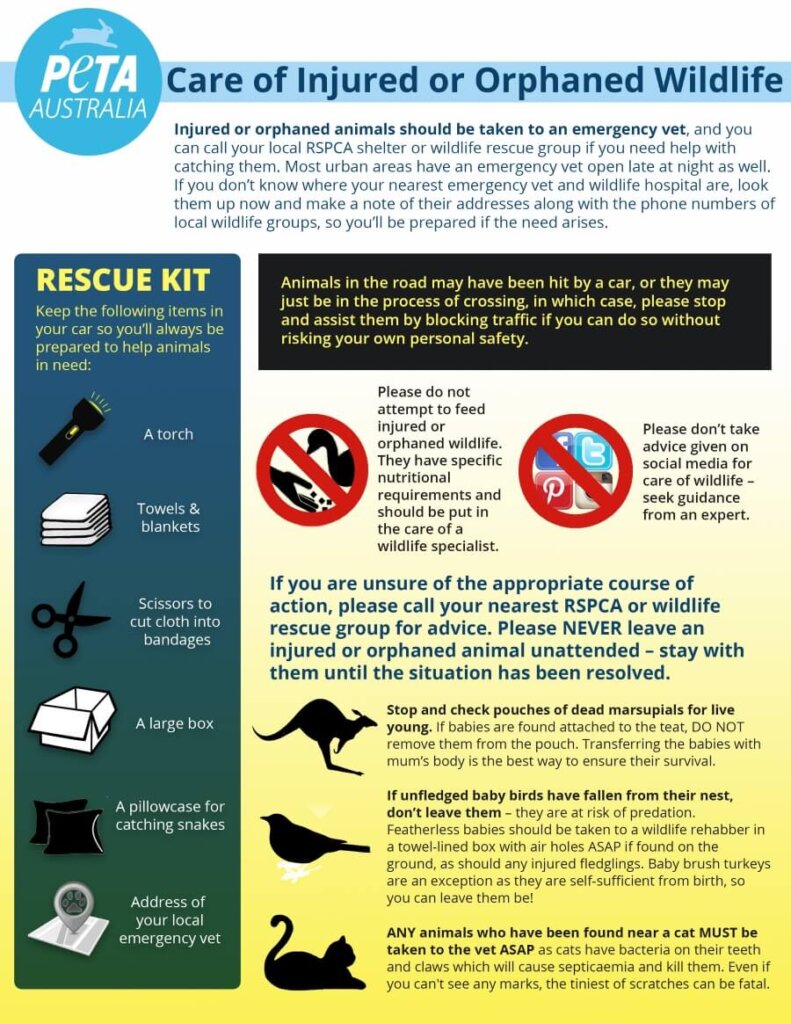
Credit: www.peta.org.au
When To Seek Professional Help
Knowing when to seek professional help for an injured bird can make a big difference in its recovery. Some injuries or situations need expert attention to ensure the bird gets the right care. Ignoring signs of serious distress or trying to treat complex injuries on your own may do more harm than good.
Contacting Wildlife Rehabilitators
Wildlife rehabilitators specialize in caring for injured wild birds. They have the knowledge and resources to provide appropriate treatment and rehabilitation.
You should contact a rehabilitator if the bird:
- Is bleeding heavily or has a visible broken wing or leg
- Appears weak, unable to stand, or is unresponsive
- Has obvious signs of illness, like labored breathing or discharge from eyes or beak
Many rehabilitators also advise on how to safely transport the bird. Have you checked if there’s a licensed rehabilitator nearby? A quick online search or call to a local animal rescue center can help you find one fast.
Emergency Veterinary Care
Some injuries require immediate veterinary attention. If the bird is in severe pain, unconscious, or has been attacked by a pet or predator, urgent care is essential.
Emergency vets can perform X-rays, pain management, and surgeries that you simply can’t do at home. They also have access to medications and specialized equipment.
If you’re unsure whether the injury is critical, it’s better to err on the side of caution. Can you safely transport the bird without causing more stress? Preparing a quiet, dark box lined with soft cloth can help during transport.
Preventing Future Injuries
Preventing future injuries to birds requires more than just immediate care. It involves creating an environment where they can thrive safely. By understanding the risks and adjusting their surroundings, you can protect these delicate creatures from harm.
Safe Habitat Tips
Creating a safe habitat means paying close attention to the bird’s living space. Use natural materials like untreated wood and avoid sharp edges on perches or cages. Soft bedding helps cushion falls and prevents foot injuries.
Ensure the habitat has enough space for the bird to move freely. Crowded or cramped areas increase stress and the chance of accidents. Adding a variety of perches at different heights encourages exercise and reduces boredom.
Think about lighting too. Birds need natural light cycles for their health, but direct sunlight through glass can overheat the space quickly. Have you noticed your bird avoiding certain spots? That might be a sign to adjust the habitat layout.
Reducing Common Hazards
Common household items can pose hidden dangers. Keep toxic plants, open water containers, and small objects out of reach. Birds are curious and might peck or ingest harmful substances without you realizing.
Windows and mirrors can confuse birds and cause collisions. Applying decals or screens helps make these surfaces visible. Another risk is ceiling fans—turn them off whenever your bird is out of its cage.
Electrical cords are an often-overlooked hazard. Birds can chew through them, risking electrocution. Cover cords or tuck them away safely. What small change can you make today to reduce risks in your bird’s environment?

Credit: pacificwildlifecare.org
Frequently Asked Questions
How Do I Safely Catch An Injured Bird?
Approach the bird calmly and slowly. Use a soft towel or cloth to gently cover it. Avoid sudden movements to reduce stress. Hold the bird securely but gently to prevent further injury.
What Immediate Care Should I Provide To An Injured Bird?
Place the bird in a quiet, warm, and dark space. Avoid feeding or giving water until assessed by a professional. Check for visible injuries but do not attempt to treat serious wounds yourself.
When Should I Contact A Wildlife Rehabilitator?
Contact a rehabilitator immediately if the bird has broken wings, bleeding, or cannot stand. Early professional care increases chances of recovery. Use online resources to find local wildlife rehabilitation centers.
Can I Feed An Injured Bird Before Professional Help?
Avoid feeding unless instructed by an expert. Incorrect food or feeding method can harm the bird. Provide only water if the bird is alert and able to drink safely.
Conclusion
Taking care of an injured bird needs patience and gentle hands. Act quickly but stay calm to help the bird safely. Provide a quiet, warm space and keep it comfortable. Feed the bird properly and avoid stress to aid healing.
Always seek advice from a vet or wildlife expert. Small steps can make a big difference in the bird’s recovery. Your kindness and care give the injured bird a better chance to fly again. Remember, every effort counts in helping wildlife heal and thrive.




