
Are you tired of rats stealing food from your bird feeder? It’s frustrating to watch those pesky rodents climb up your feeder pole and feast on the birdseed you carefully put out.
Not only does it waste your money, but it also scares away the beautiful birds you want to attract. The good news is, you don’t have to accept this problem. You’ll discover simple and effective ways to stop rats from climbing up your bird feeder pole for good.
Keep reading, and take back control of your backyard today!
Why Rats Climb Bird Feeder Poles
Rats climbing up bird feeder poles can be a frustrating problem for anyone who enjoys watching birds. Understanding why rats take the effort to scale these poles helps you find better ways to stop them. Let’s look at the main reasons that attract rats and make climbing easy for them.
Attraction To Bird Food
Bird feeders are like all-you-can-eat buffets for rats. The spilled seeds and nuts on the ground or hanging in the feeder provide a constant food source. Rats have a strong sense of smell, which helps them find these tasty treats from far away.
If you’ve ever noticed a rat visiting your feeder, you know they won’t hesitate to climb up for a meal. Even a small amount of leftover food can encourage them to keep coming back. Are you unintentionally making your yard a rat restaurant?
Pole Accessibility
Many bird feeder poles are easy for rats to climb because of their smooth or textured surfaces. Poles placed near fences, trees, or other structures give rats a clear path to jump onto the pole. This makes it simple for them to reach the feeder without much effort.
Think about your feeder’s location. Is it close to anything that could act as a ladder for rats? Moving your feeder or adding barriers can make a big difference in stopping these unwanted visitors.
Common Rat Behavior
Rats are excellent climbers and quite persistent. They often explore vertical spaces in search of food or shelter. Their agility allows them to scale narrow poles or rough surfaces with ease.
Understanding their behavior helps you predict their actions. Rats tend to be active at night, so you might not see them climbing but can notice signs like gnaw marks or droppings. Have you checked your feeder for these clues?

Credit: smart.dhgate.com
Choosing The Right Pole
Choosing the right pole for your bird feeder is a key step to keep rats at bay. The pole you pick can either invite unwanted guests or act as a strong defense. Let’s look closely at what makes a pole effective in stopping rats from climbing up to your feeder.
Material Considerations
Not all materials are equal when it comes to rat-proofing. Metal poles are often the best choice because rats find it hard to climb smooth, slippery surfaces.
Wooden poles might look natural, but they can be scratched and climbed easily. Plastic poles sometimes work, but cheap plastics can crack, giving rats a grip.
Think about durability too. A metal pole can withstand weather and rat attacks better than wood. If you want your bird feeder to stay rat-free for a long time, investing in a sturdy metal pole pays off.
Pole Design Features
Simple poles won’t stop determined rats. Look for poles with features designed to block climbing.
- Baffles:These are round or cone-shaped guards attached to the pole. They create a barrier that rats cannot get past.
- Height:Rats can jump high, so your pole should be tall enough—usually at least 4 feet off the ground.
- Smooth Surface:Poles without grooves or rough patches make climbing almost impossible.
I once had a feeder on a wooden pole without a baffle. Rats climbed up within days. Switching to a tall metal pole with a wide baffle stopped them completely. How high and smooth is your current pole? Maybe it’s time for an upgrade.
Installing Physical Barriers
Installing physical barriers stops rats from climbing bird feeder poles. These barriers block rats from reaching the feeder. They work by creating a smooth or angled surface rats cannot grip. Barriers are a safe and effective way to protect your bird feeder without harming animals.
Baffle Types And Placement
Baffles are the most common physical barriers for bird feeder poles. They come in different shapes and materials:
- Cone-shaped baffles:Fit around the pole below the feeder. Their wide, slippery surface prevents rats from climbing up.
- Cylindrical baffles:Wrap around the pole. Usually made of metal or plastic, they create a smooth barrier.
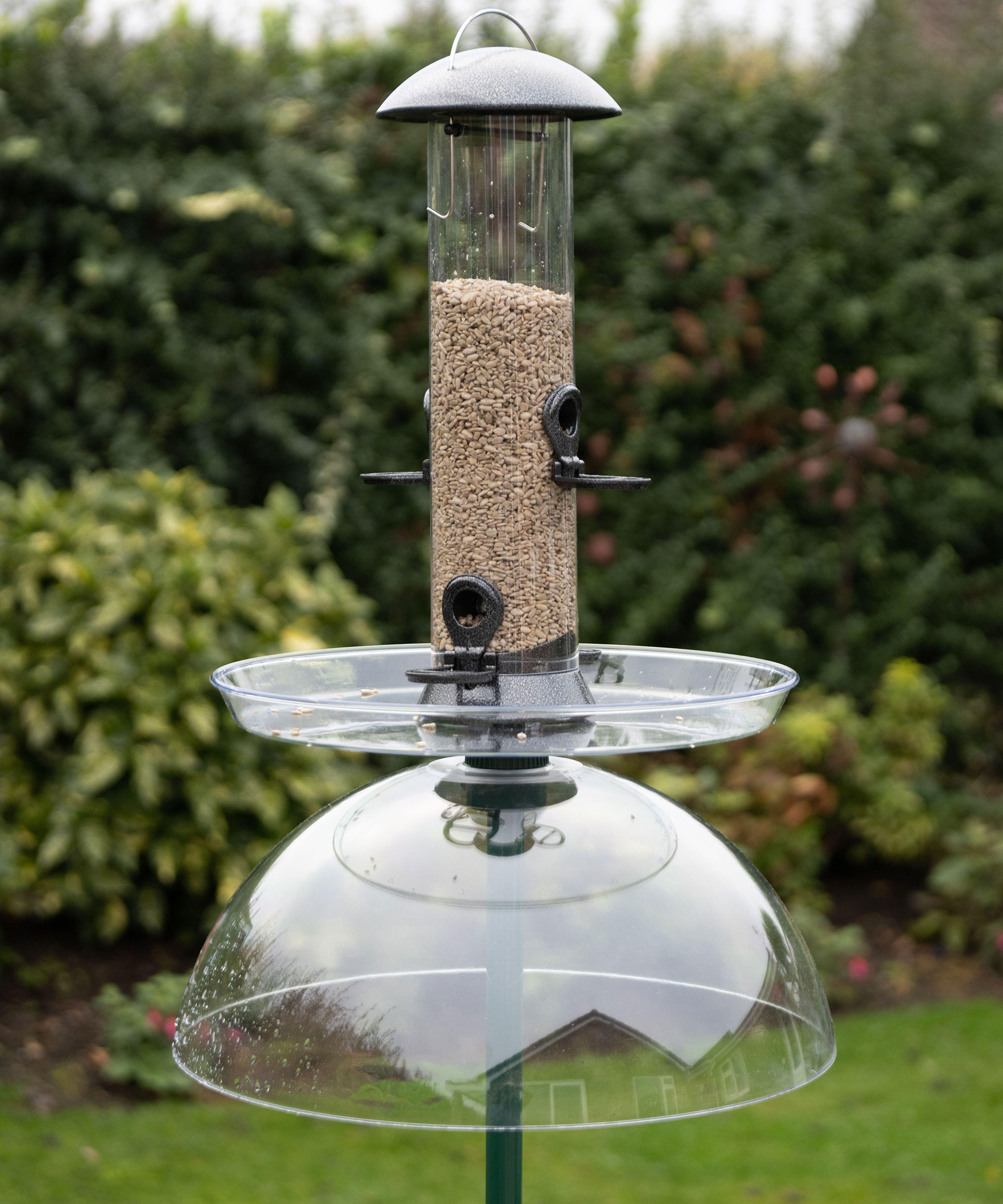
- Plate baffles:Flat discs attached to the pole that block rats from climbing past.
Place baffles at least 3 feet above the ground. Make sure they are wide enough so rats cannot jump over them. Position baffles tightly on the pole for best results.
Diy Barrier Ideas
You can make simple barriers at home using common materials. Some ideas include:
- Plastic bottles:Cut a bottle in half and slide it over the pole. The smooth surface stops rats.
- Metal flashing:Wrap a sheet of metal tightly around the pole, creating a slippery barrier.
- Painted PVC pipe:Use a PVC pipe piece with a smooth finish. Slide it over the pole and secure it.
Make sure DIY barriers are stable and do not harm birds. Regularly check for damage and clean them to keep them effective.
Using Repellents Safely
Using repellents safely is important for protecting birds and your garden environment. Some repellents can harm birds, pets, or plants if used incorrectly. Always follow instructions and choose options that keep wildlife safe. Proper use helps stop rats without causing damage or danger.
Natural Repellent Options
Natural repellents are safe for birds and pets. They use smells or tastes rats dislike. Common choices include peppermint oil, garlic, and chili powder. Apply these around the base and pole of the feeder. Renew often to keep the scent strong.
- Peppermint oil:Mix with water and spray on the pole.
- Garlic cloves:Place near the feeder to repel rats.
- Chili powder:Sprinkle lightly on the pole’s surface.
These options are eco-friendly and reduce chemical use. They also avoid harming the birds that visit the feeder.
Chemical Repellents And Precautions
Chemical repellents can work but require care. Choose products labeled safe for outdoor use near wildlife. Avoid sprays or powders that can drift onto birds or plants. Wear gloves when applying chemicals. Keep children and pets away during and after use.
Follow product instructions closely. Use only the recommended amount. Wash hands after handling repellents. Store chemicals out of reach of animals and children.
Proper use reduces risk and protects your feeder area. Balance effectiveness with safety to keep your garden healthy.
Maintaining Clean Feeding Areas
Keeping the area around your bird feeder clean is key to stopping rats from climbing up the pole. Rats are attracted to leftover seeds and debris, so a tidy feeding spot removes their food source and makes the pole less inviting. Simple habits can make a big difference in keeping your garden pest-free.
Regular Cleaning Tips
Make it a habit to clean the bird feeder and the ground below it at least once a week. Remove old seeds, husks, and droppings to reduce smells that attract rats. Use a brush and mild soap to scrub the feeder, then rinse it well to keep birds safe.
Don’t forget to check for any seed buildup in crevices or on the pole itself. Rats can use these as stepping stones. A quick wipe-down can stop them from gaining a foothold.
Managing Seed Spills
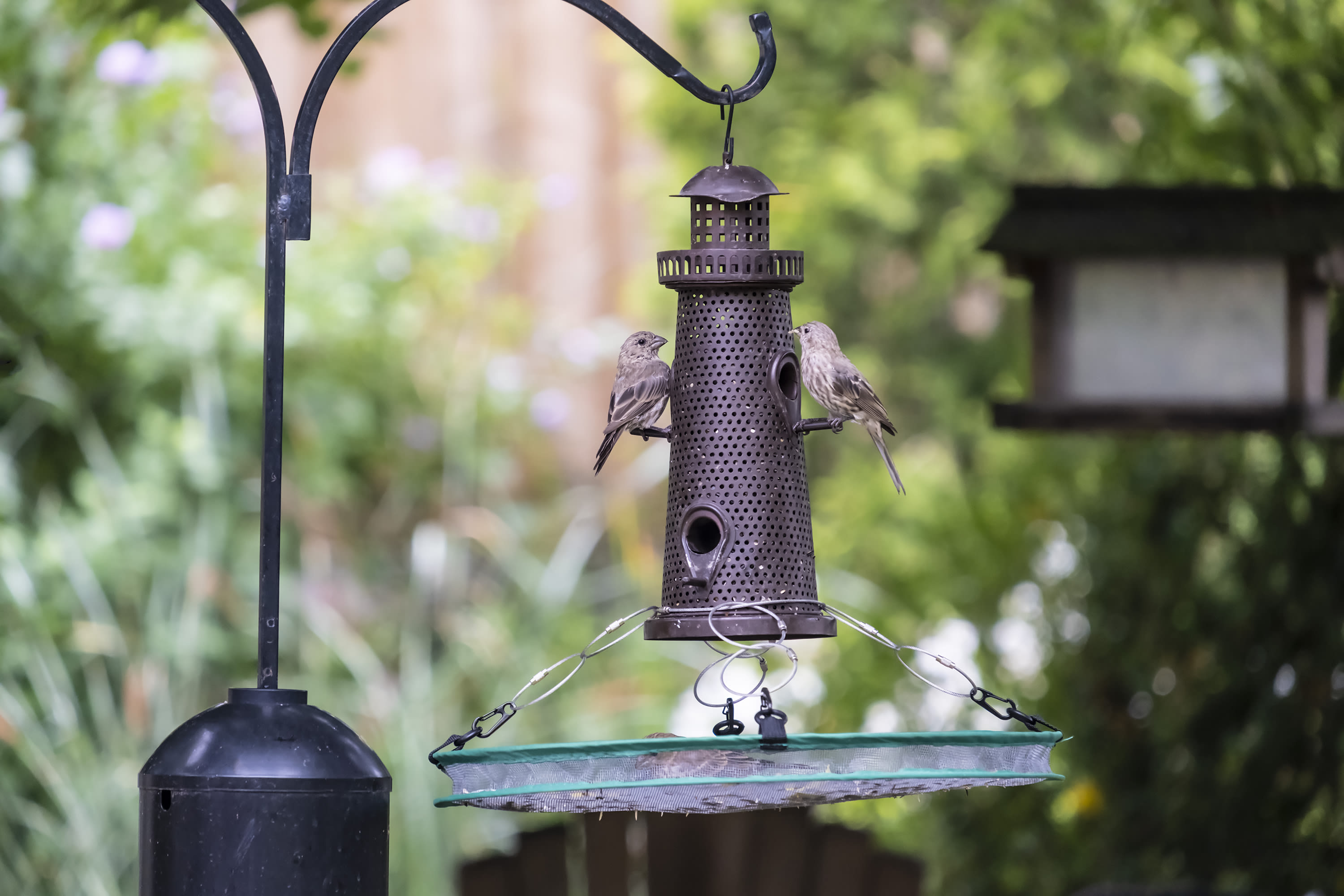
Seed spills are like an open invitation for rats. Place a tray under the feeder to catch falling seeds and clean it daily. If you notice a lot of spilled seeds on the ground, try using feeders designed to reduce mess.
Think about changing the type of seed you offer. Some seeds attract fewer pests. Sunflower seeds are popular with birds but can spill easily. Smaller, less messy seeds might keep your feeding area cleaner and less attractive to rats.
Credit: dengarden.com
Additional Prevention Strategies
Rats climbing up bird feeder poles is a common issue. While there are various ways to deter these pesky rodents, additional prevention strategies can further safeguard your bird feeders. These methods focus on minimizing the attractive environment for rats and addressing the problem at its root.
Securing Nearby Shelters
Rats love hiding spots and sheltered areas. Check around your yard for potential shelters. Piles of wood, debris, or dense shrubs provide excellent nesting sites for rats. Clear these areas to reduce their hiding spots. Keep grass trimmed and bushes well-maintained to make the environment less appealing for rodents.
Consider installing motion-activated lights around the feeder area. Rats prefer dark, quiet places. These lights can deter them by eliminating dark spots. By making the area less inviting, you can significantly reduce the chances of rats climbing your bird feeder pole.
Trapping And Professional Help
If rats persist, trapping can be an effective strategy. Various traps are available, including snap traps and electronic traps. Place traps near rat activity signs but away from children and pets. Check traps regularly and handle them with care.
For severe infestations, consider professional pest control services. Experts can assess the situation and offer targeted solutions. They may use specialized equipment and treatments that are safe and effective.
Professional help ensures comprehensive management of the rat problem. It provides peace of mind knowing your bird feeders and garden are protected.
Credit: www.homesandgardens.com
Frequently Asked Questions
How Can I Prevent Rats From Climbing Bird Feeder Poles?
Use metal baffles or guards around the pole to block rats. Regularly clean up spilled seeds to reduce attraction. Avoid using wooden poles, as rats can climb them easily.
What Materials Work Best To Stop Rats Climbing Poles?
Smooth metal or plastic baffles are most effective. These materials prevent rats from gaining traction. Avoid rough surfaces like wood or textured metal that rats can grip.
Are Homemade Rat Barriers Effective For Bird Feeder Poles?
Yes, homemade barriers like aluminum foil or plastic sheets can work. Ensure they are wide enough to block rat movement. Regularly inspect and maintain these barriers for continued effectiveness.
How Often Should I Clean Around Bird Feeders To Deter Rats?
Clean up spilled seeds and debris daily or every other day. Reducing food sources discourages rats from approaching. Use a tray or catcher to minimize seed spillage.
Conclusion
Stopping rats from climbing bird feeder poles protects your birds and keeps feeders clean. Use simple barriers like baffles or slippery materials on the pole. Keep the area tidy and remove spilled seeds to avoid attracting rats. Check your feeder often and fix any damage quickly.
These easy steps help you enjoy bird watching without unwanted pests. Small efforts make a big difference in keeping rats away. Stay patient and consistent for the best results. Your bird feeder can stay safe and inviting all year.




