
Have you ever wanted to capture the stunning beauty of birds in flight or perched quietly in nature? Bird photography is a rewarding hobby that lets you connect with wildlife and create breathtaking images.
But getting that perfect shot can feel tricky if you don’t know where to start. This guide will show you simple, practical steps to improve your bird photography skills. By the end, you’ll feel confident in spotting, approaching, and photographing birds like a pro.
Ready to make your photos come alive? Let’s dive in!
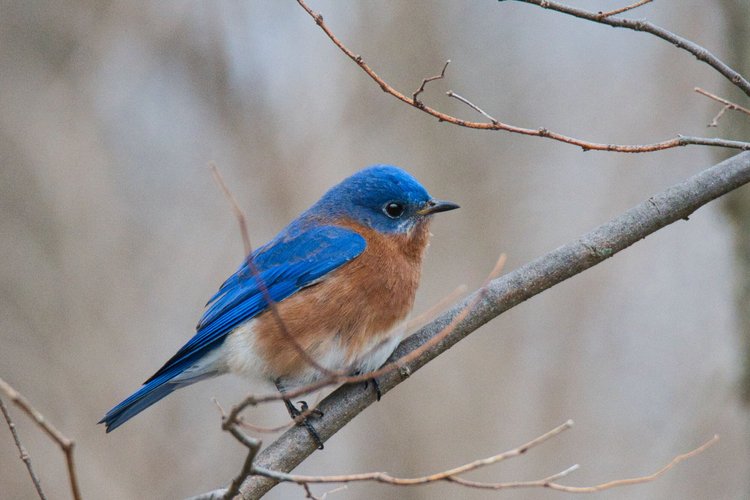
Credit: www.flywrightphotography.com
Choosing The Right Gear
Choosing the right gear is the foundation of successful bird photography. Your equipment directly affects the quality of your shots and how easily you can capture those fleeting moments. Picking gear that fits your style and budget will make your bird photography experience more enjoyable and productive.
Best Cameras For Bird Photography
Look for cameras with fast autofocus and high frame rates to catch quick bird movements. Mirrorless cameras like the Sony A7 IV or Canon EOS R7 offer excellent autofocus and lightweight bodies. DSLRs such as the Nikon D500 remain popular for their rugged build and long battery life.
Consider sensor size too. APS-C sensors provide a good balance of image quality and reach, while full-frame sensors offer better low-light performance. Ask yourself: how often will you shoot in dim conditions or need extreme detail?
Essential Lenses
A long telephoto lens is crucial for bringing distant birds close. Lenses in the 300mm to 600mm range are common choices. For example, the Canon EF 100-400mm f/4.5-5.6L IS II or Nikon 200-500mm f/5.6 are versatile and affordable options.
Don’t overlook image stabilization—it helps when shooting handheld or in windy conditions. If you prefer a more compact setup, consider prime lenses with wide apertures for sharper images and better background blur. What focal length fits your typical shooting environment best?
Tripods And Accessories
Tripods stabilize your camera and reduce fatigue during long waits. Choose a sturdy but lightweight tripod that can handle heavy lenses. Carbon fiber models offer durability without the extra weight.
Other handy accessories include gimbal heads for smooth tracking and rain covers for protection. A comfortable camera strap and extra batteries can keep you shooting longer. Have you tested your gear setup in the field to ensure it matches your shooting style?
Mastering Camera Settings
Mastering camera settings is essential for capturing clear and vibrant bird photos. Birds move quickly and often appear in varied lighting. Proper settings help freeze motion and highlight fine details. Understanding shutter speed, aperture, and ISO improves image quality. Adjust these settings based on the environment and bird behavior.
Optimal Shutter Speeds
Use fast shutter speeds to freeze bird movement. A shutter speed of 1/1000 second or faster works well for most birds. For very small or fast birds, increase speed to 1/2000 second. Slower speeds can cause motion blur. If lighting is low, balance shutter speed with ISO or aperture to keep sharpness.
Aperture And Depth Of Field
Select aperture to control how much of the bird and background appear sharp. A wide aperture (f/2.8 to f/5.6) blurs the background, making the bird stand out. A narrower aperture (f/8 to f/11) increases depth of field, keeping more of the bird and surroundings in focus. Choose based on the distance to the bird and desired effect.
Iso For Various Lighting
Adjust ISO to maintain proper exposure in different light conditions. Use low ISO (100-400) on bright days for clear, noise-free images. Increase ISO (800-1600 or higher) in cloudy, shaded, or indoor settings. Higher ISO adds grain but prevents underexposure. Find the balance between brightness and image clarity.
Finding The Perfect Location
Choosing the right spot is key in bird photography. The location shapes the kind of birds you capture and the quality of your photos. Good locations offer variety, easy access, and natural settings that show birds in their best light.
Popular Birdwatching Spots
National parks, wildlife reserves, and wetlands attract many birds. These places offer safe habitats with a wide range of bird species. Urban parks and gardens can also surprise you with common birds.
- Wetlands and marshes for water birds
- Forests for songbirds and raptors
- Coastal areas for shorebirds and seabirds
- Urban parks for city-dwelling birds
Seasonal Considerations
Bird presence changes with seasons. Some birds migrate, so their availability depends on the time of year. Spring and fall bring many migratory birds. Winter offers chances to photograph hardy species in snow.
- Spring: breeding and nesting season, bright colors
- Summer: young birds and active feeding
- Fall: migration with diverse species
- Winter: fewer birds but unique behaviors
Using Hides And Blinds
Hides and blinds help you get close without scaring birds. They blend you into the environment. Portable blinds offer flexibility, while fixed hides provide stable setups.
- Position near feeding or nesting areas
- Stay quiet and move slowly inside
- Wear natural colors to avoid detection
- Use blinds during dawn or dusk for best light

Credit: www.tombolphoto.com
Techniques For Capturing Birds
Capturing birds requires patience and specific techniques to get clear, sharp images. Birds move fast and often unpredictably. Using the right approach helps you take better photos and enjoy the process. Focus on understanding bird behavior and camera settings. Practice these techniques regularly to improve your shots.
Tracking Moving Birds
Tracking birds means following their movement with your camera. Use continuous autofocus to keep the bird sharp. Set your camera to burst mode for multiple shots per second. Keep the bird in the center of your viewfinder. Move smoothly and anticipate the bird’s next move. Practice helps you improve your tracking skills over time.
Shooting In Flight
Shooting birds in flight is challenging but rewarding. Use a fast shutter speed, at least 1/1000 second, to freeze motion. Choose a wide aperture to blur the background and highlight the bird. Use a telephoto lens to get close without disturbing the bird. Focus on the bird’s eye for a sharp, engaging photo. Pan the camera with the bird’s movement to keep it in focus.
Approaching Birds Without Disturbing
Getting close without scaring birds is key. Move slowly and avoid sudden movements. Wear neutral colors to blend with the environment. Use natural cover like trees and bushes to hide your approach. Stay quiet and watch the bird’s behavior for signs of stress. Use a longer lens to photograph from a distance when needed. Patience and respect for wildlife are essential.
Lighting And Composition Tips
Soft, natural light highlights bird details and colors. Compose with a clear background to keep focus on the bird. Use the rule of thirds to create balanced, eye-catching photos.
Capturing breathtaking images of birds requires more than just a keen eye and a camera. Mastering lighting and composition can elevate your photos from ordinary to extraordinary. Let’s delve into some specific tips that can significantly enhance your bird photography skills.Using Natural Light Effectively
Natural light can dramatically influence the mood and clarity of your bird photographs. Early morning and late afternoon, often referred to as the “golden hours,” provide soft, warm light that can highlight the intricate details of a bird’s plumage. Position yourself with the sun behind you to illuminate your subject without harsh shadows. Cloudy days can be surprisingly advantageous. The diffused light minimizes shadows and highlights, offering a balanced exposure. However, always be ready to adjust your camera settings to account for changing light conditions.Framing And Background Choices
The background can make or break a bird photo. Opt for uncluttered backgrounds to ensure the bird stands out. A uniform color or soft bokeh effect can add depth and draw attention to your subject. Consider the rule of thirds when framing your shot. Position the bird off-center to create a more dynamic image. This technique often leads to more engaging compositions that capture the viewer’s eye.Capturing Behavior And Action
Birds are not just static creatures; their behaviors can tell a compelling story. Capture moments of action, such as a bird taking flight, feeding, or interacting with its environment. This adds life and energy to your photos. Patience is key. Observe and wait for those spontaneous moments. You might find that the perfect shot comes when you least expect it, capturing the essence of a bird’s unique behavior. Incorporating these tips can transform your bird photography, making each shot a true reflection of nature’s beauty. How will you leverage these strategies in your next bird photography session?Post-processing For Impact
Enhance bird photos by adjusting brightness, contrast, and sharpness carefully. Focus on subtle edits that keep the natural look and highlight details. Post-processing brings out the best in your shots without overdoing it.
Post-processing plays a crucial role in bird photography. It transforms good shots into captivating images. With the right techniques, you can highlight the beauty of your feathered subjects. Enhance colors, detail, and focus to make your photos stand out.Basic Editing Steps
Start with basic adjustments. Open your photo in a good editing tool. Adjust the brightness and contrast. These tweaks make the image clearer. Ensure the exposure is correct. This helps in displaying natural colors. Sharpen the image slightly. It brings out the details in feathers.Enhancing Colors And Details
Colors bring life to bird photos. Increase saturation gently. This makes colors pop but avoids overdoing it. Use the vibrance setting for a subtle boost. Adjust the clarity to highlight textures. Pay attention to the bird’s eyes. Make sure they are sharp and bright.Cropping For Better Focus
Cropping improves composition and focus. Frame the bird well. Remove distractions from the background. Focus on the bird’s face and eyes. Leave some space in the direction the bird is looking. This gives a sense of movement. Keep the image balanced and pleasing to the eye.Ethics And Safety In Bird Photography
Ethics and safety are key in bird photography. Protecting birds and their habitats helps keep nature safe. Photographers must act responsibly to avoid harm. Respect for wildlife ensures a positive experience for both birds and humans.
Respecting Wildlife
Keep a safe distance from birds. Close approaches can stress or scare them. Use a zoom lens to capture details without getting too near. Never touch or feed wild birds. Let them behave naturally for honest photos. Observe quietly to avoid disturbing their routines.
Avoiding Disturbance
Avoid loud noises and sudden movements. These can frighten birds and disrupt nesting. Stay on marked paths and avoid fragile habitats. Be mindful of breeding seasons and nesting sites. Limit time spent near birds to reduce stress. Use camouflage or blinds to blend with surroundings.
Legal Considerations
Know local laws about bird protection. Some species are protected by law and cannot be disturbed. Obtain necessary permits for photography in protected areas. Follow rules about drone use near wildlife. Respect private property and get permission before entering. Ignoring laws can harm birds and lead to fines.
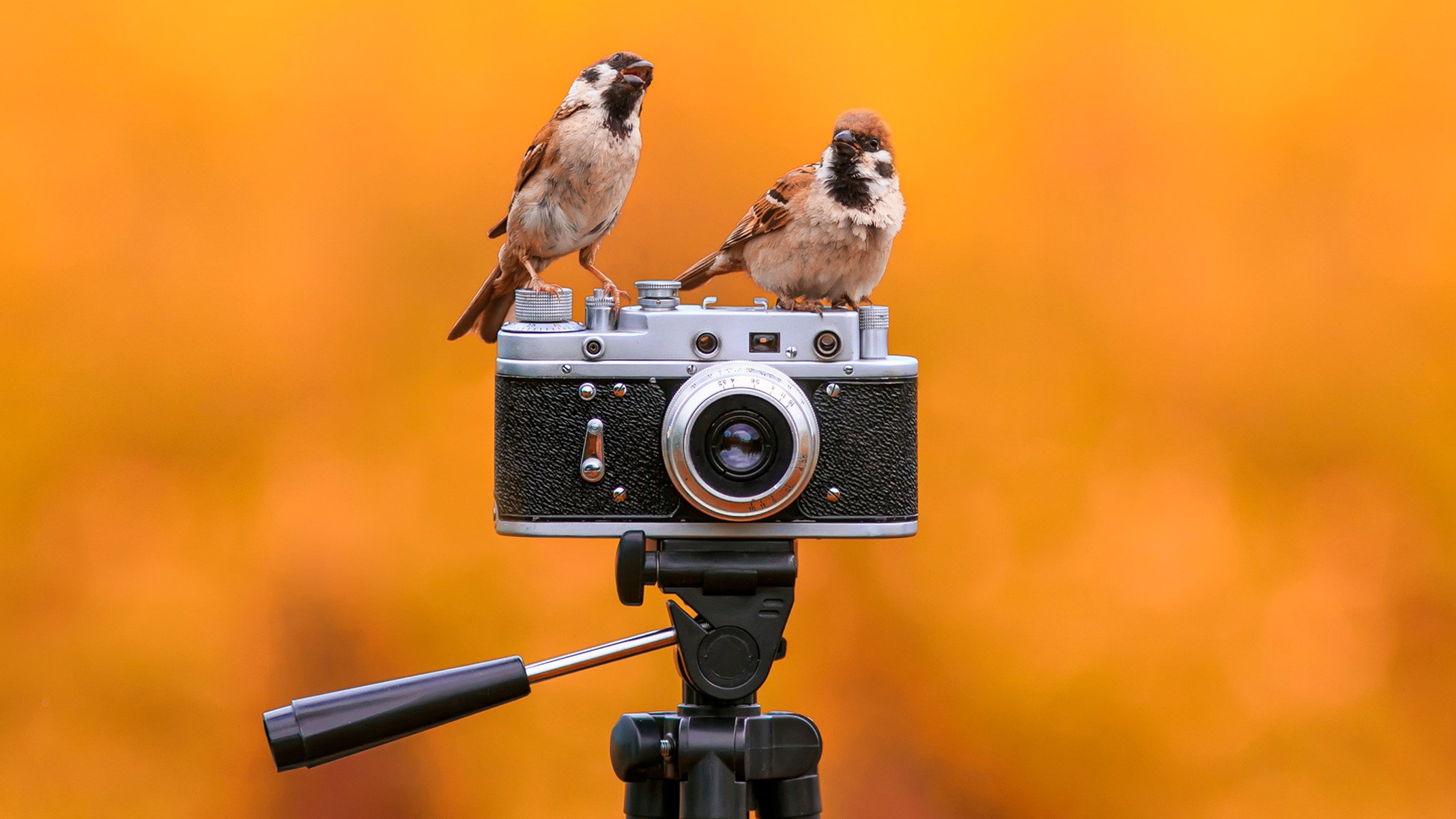
Credit: www.livescience.com
Frequently Asked Questions
What Camera Settings Are Best For Bird Photography?
Use a fast shutter speed (1/1000s or higher) to freeze motion. Set a low ISO for image clarity. Use aperture priority mode for balanced depth of field. Continuous autofocus helps track moving birds effectively.
How Can I Find The Best Bird Photography Locations?
Research local parks, nature reserves, and wetlands. Early mornings and late afternoons offer ideal light and active birds. Use birdwatching apps or groups to discover popular spots near you.
What Lens Is Ideal For Bird Photography?
A telephoto lens between 300mm and 600mm is perfect. It helps capture detailed close-ups without disturbing birds. Image stabilization and fast autofocus improve shooting sharpness and speed.
How Do I Approach Birds Without Scaring Them?
Move slowly and quietly to avoid sudden movements. Use natural cover like trees or bushes for concealment. Avoid direct eye contact and maintain a respectful distance to keep birds calm.
Conclusion
Bird photography takes patience and practice. Find quiet spots and watch birds carefully. Use the right camera settings for clear shots. Move slowly to avoid scaring them away. Try different angles and lighting for better photos. Enjoy the process and learn from each outing.
Every photo tells a small story about nature. Keep practicing, and your skills will improve. Most of all, have fun capturing beautiful moments.




