
Have you noticed fewer birds visiting your backyard lately? Or maybe you’ve seen some that look sick or have sadly passed away?
It’s upsetting to watch these beautiful creatures struggle right outside your window. You might be wondering, “Why are birds dying in my backyard? ” Understanding the reasons behind this can help you protect them and bring life back to your outdoor space.
Keep reading to discover the surprising causes and simple steps you can take to make your backyard a safe haven for birds again.
Credit: www.randyschickenblog.com
Common Backyard Bird Species
Many bird species visit backyards, bringing life and color to outdoor spaces. Knowing common backyard birds helps spot changes in their behavior or numbers. These birds adapt well to human presence and often rely on backyard food and shelter.
Each species has unique habits and needs. Some birds thrive near homes, while others struggle with threats like habitat loss or pollution. Recognizing which birds live around helps understand why some may be dying.
Popular Birds In Residential Areas
- American Robin
- House Sparrow
- Northern Cardinal
- Blue Jay
- Mourning Dove
- Chickadees
- House Finch
- Goldfinch
These birds are common because they eat backyard seeds, insects, and fruits. They often build nests in trees, shrubs, or birdhouses. Their presence shows a healthy backyard environment.
Birds Most Vulnerable To Threats
- Ruby-throated Hummingbird
- Swainson’s Thrush
- Wood Thrush
- Eastern Towhee
- Yellow Warbler
- Common Nighthawk
These birds face dangers like window collisions, predators, and disease. Loss of natural habitat also affects their survival. They depend on specific plants or insects, making them sensitive to changes.
Watching these species closely can help protect backyard bird populations.

Credit: www.youtube.com
Environmental Hazards
Environmental hazards play a big role in the decline of backyard bird populations. These dangers come from human activities and natural changes that harm birds’ health and homes. Birds face many threats in their daily lives that reduce their chances of survival.
Understanding these hazards helps protect birds and create safer spaces for them. The main environmental risks include harmful chemicals, pollution, loss of natural areas, and harsh weather changes.
Pesticide And Chemical Exposure
Pesticides and chemicals used in gardens and farms can poison birds. Birds eat insects or plants contaminated with these toxic substances. This exposure causes sickness, weakens their immune systems, and lowers reproduction rates.
Some chemicals remain in the environment for a long time. Birds also get affected by runoff into nearby water sources. Even small amounts of pesticides can be deadly to sensitive species.
Pollution And Habitat Loss
Air and water pollution damage bird habitats and food sources. Pollutants reduce insect populations, which are a key food for many birds. Birds living near roads or industrial areas face higher pollution risks.
Urban growth destroys trees, bushes, and wetlands. These changes force birds to leave their homes or face food shortages. Habitat loss also increases exposure to predators and human disturbances.
Extreme Weather Effects
Climate change causes more extreme weather events like storms, heatwaves, and cold snaps. These events destroy nests, reduce food availability, and increase bird mortality. Sudden weather changes can catch birds off guard during migration or breeding.
Long droughts dry up water sources, stressing birds and their habitats. Flooding can wash away nests and young birds. Birds struggle to adapt quickly to these rapid environmental shifts.
Predators In The Backyard
Predators in the backyard pose a serious threat to local bird populations. Birds often fall victim to animals that hunt or scare them away. Understanding these predators helps protect birds and keeps your backyard a safe space.
Domestic Cats And Other Animals
Domestic cats are one of the top threats to backyard birds. They silently stalk birds and can catch them quickly. Even well-fed cats hunt because of their natural instincts. Other animals like raccoons, squirrels, and dogs may also harm birds or their nests.
- Cats can catch and kill small birds.
- Raccoons may raid bird nests for eggs.
- Squirrels sometimes destroy nests while searching for food.
- Dogs can scare birds away or harm them unintentionally.
Natural Predators Impact
Wild predators also affect backyard birds. Hawks, owls, and snakes hunt birds for food. These predators are part of nature’s balance but can reduce bird numbers in small areas. Birds often hide or avoid places with many predators. This makes it harder for them to feed and nest safely.
Credit: medium.com
Diseases Affecting Birds
Diseases can silently affect the birds visiting your backyard, causing distressing declines in their numbers. Understanding these illnesses helps you spot problems early and take steps to protect your feathered friends. Paying attention to their health can make a big difference in keeping your backyard lively and full of birds.
Common Avian Illnesses
Birds in your yard can suffer from several common diseases that spread quickly if unnoticed. Avian poxcauses wart-like growths and scabs on the skin, often visible around the eyes and beak. Salmonellainfections lead to diarrhea and weakness, making birds easy targets for predators.
Trichomoniasisis another illness that affects the throat, causing difficulty swallowing and breathing. It often spreads through contaminated water or feeders. West Nile Viruscan cause sudden deaths, especially in crows and jays, making it a serious concern in many areas.
Signs Of Disease In Backyard Birds
Spotting sickness early requires knowing what to look for. Watch for birds that appear fluffed upand stay in one place for long periods, as this often signals illness. If you notice birds with discharge from eyes or beak, it may mean they have an infection.
Difficulty flying or moving, along with labored breathing, also indicates health problems. You might see birds that are lethargicor have trouble eating and drinking. If multiple birds show these signs near your feeders, it’s time to clean and disinfect the area.
Have you ever paused to observe a sick bird’s behavior closely? Your backyard can become a small clinic if you stay alert and act swiftly to maintain a safe environment for these creatures.
Hazards From Human Activity
Human activity creates many dangers for backyard birds. These hazards often go unnoticed but cause serious harm. Birds face risks from everyday objects and practices around homes. Understanding these hazards helps protect our feathered visitors. Awareness can lead to safer environments for birds.
Window Collisions
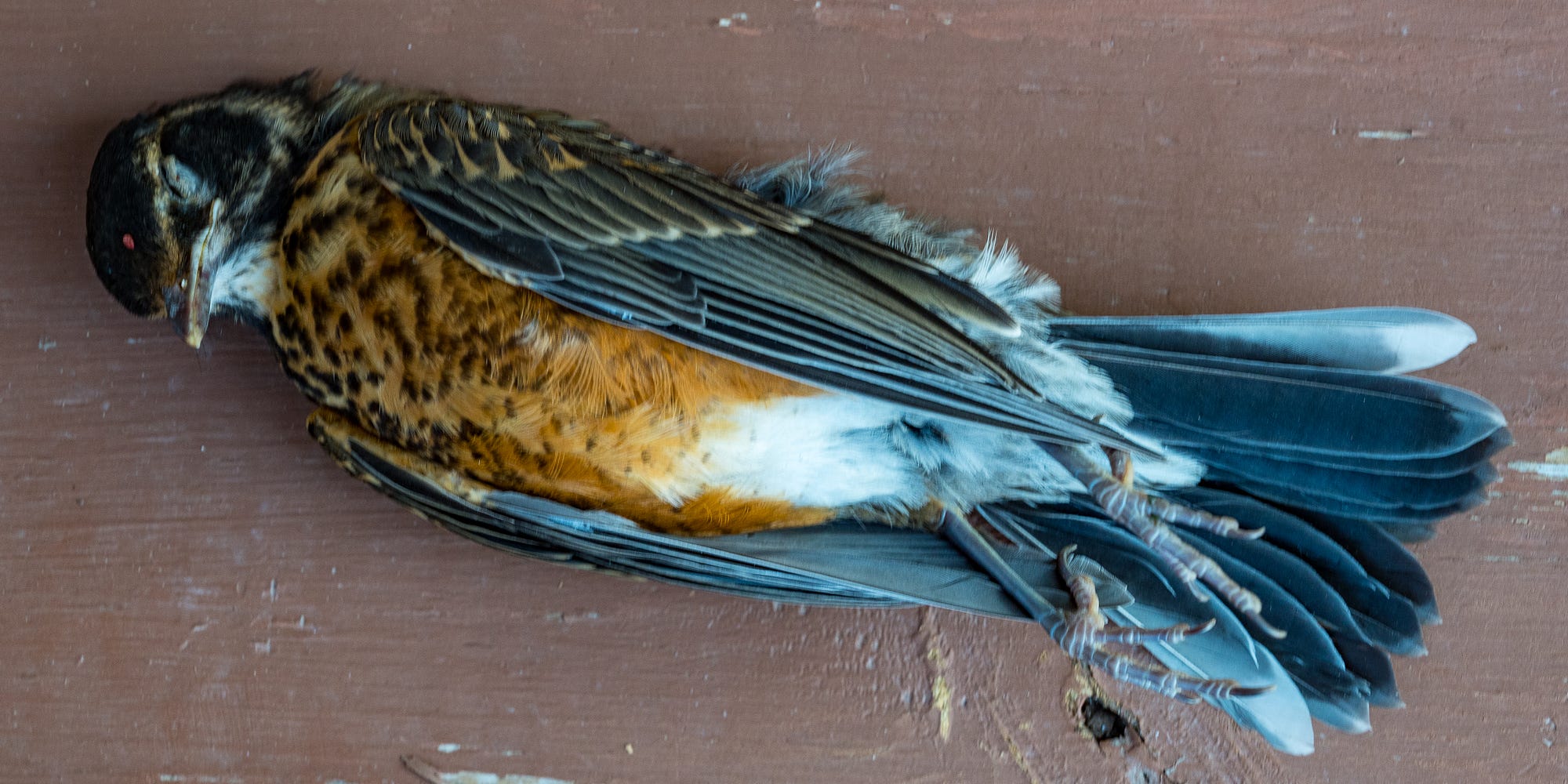
Birds often cannot see clear or reflective glass. They fly straight into windows, causing injury or death. Collisions happen because birds see sky or trees in reflections. Bright indoor lights at night also confuse birds. Large windows near bird feeders are especially risky.
Simple actions reduce window collisions:
- Use decals or stickers to break up reflections.
- Install screens or netting outside windows.
- Close curtains or blinds at night.
Toxic Plants And Foods
Many common garden plants are poisonous to birds. Birds may eat berries, seeds, or leaves that harm them. Some popular houseplants contain toxins as well. Feeding birds unsafe human food causes illness or death. Chocolate, avocado, and caffeine are dangerous for birds.
Safe gardening tips include:
- Choose non-toxic plants like sunflowers or marigolds.
- Remove toxic plants from bird areas.
- Avoid feeding birds processed or harmful foods.
Improper Bird Feeding Practices
Feeding birds may seem helpful but can cause problems. Dirty feeders spread diseases among birds. Feeding too much bread or junk food harms their health. Poor feeder placement attracts predators or pests. Sudden changes in food supply confuse or stress birds.
Good feeding habits protect birds:
- Clean feeders regularly with hot water.
- Offer natural seeds and nuts suitable for birds.
- Place feeders in safe, quiet spots away from predators.
Preventive Measures To Protect Birds
Keeping your backyard safe for birds means removing harmful chemicals and securing feeders. Plant native trees and provide clean water to help birds stay healthy and strong. Regularly clean birdbaths and avoid window collisions to prevent accidents.
Preventive Measures to Protect Birds Birds add life and beauty to our backyards. Seeing them thrive is a joy. Yet, sometimes they face dangers right in our own gardens. Taking preventive measures can help protect them. Here are simple steps to make your backyard a safe haven for birds.
Creating Safe Feeding Zones
Designate specific areas for feeding birds. Use bird feeders that are easy to clean. Hang them high to keep away from predators. Clean the feeders regularly to prevent disease. Place feeders away from windows to avoid collisions.
Reducing Chemical Use
Many chemicals harm birds. Opt for natural pest control methods. Avoid pesticides and herbicides. Use compost instead of chemical fertilizers. Check for bird-safe alternatives in garden stores.
Providing Shelter And Water
Birds need safe places to rest and nest. Plant shrubs and trees to offer shelter. Install birdhouses in quiet areas. Ensure they are safe from predators. Provide fresh water in a shallow birdbath. Change the water daily to keep it clean.
When To Seek Expert Help
Persistent bird deaths or unusual behavior in your backyard signal the need for expert advice. Professionals can identify causes like disease or toxins quickly. Early help prevents more harm to your local bird population.
When you notice birds dying in your backyard, it can be both alarming and distressing. While some causes might be natural, there are situations where expert intervention is necessary. Knowing when to reach out for help can make a difference in preserving local bird populations and maintaining the balance of your backyard ecosystem.
Identifying Serious Bird Health Issues
Recognizing when a bird’s health is in serious jeopardy requires keen observation. Look for symptoms like labored breathing, visible injuries, or erratic behavior. If multiple birds display similar symptoms, it might indicate a larger problem, such as disease or poisoning. Consider the environment in your backyard. Are there potential hazards like toxic plants or contaminated water sources? Observing these details can help you determine whether the issue is isolated or widespread. Engage in active monitoring. Keep a journal of bird sightings and any unusual activities. This documentation can be invaluable when you consult with experts.
Contacting Wildlife Rehabilitation Centers
Once you’ve identified potential health issues, reaching out to wildlife rehabilitation centers is a prudent step. These centers have professionals trained to handle sick or injured birds. To find a center near you, a quick online search with your location should yield results. Many centers also offer advice over the phone, providing immediate guidance on what to do next. Prepare to share your observations and any documentation you’ve gathered. The more information you provide, the better they can assist you. Are you prepared to take action if you see a bird in distress? Your proactive steps can contribute significantly to the well-being of local wildlife.
Frequently Asked Questions
Why Are Birds Suddenly Dying In My Backyard?
Birds may die due to disease, toxic plants, or contaminated water. Pesticides and predators also pose risks. Check for unusual bird behavior or visible injuries. Avoid using harmful chemicals and provide clean water to help protect backyard birds.
Can Backyard Bird Feeders Cause Bird Deaths?
Yes, dirty feeders can spread diseases among birds. Moldy or spoiled seeds also harm them. Regularly clean feeders and replace old food to reduce risks. Proper maintenance keeps birds healthy and safe while feeding.
How Does Backyard Pollution Affect Bird Health?
Pollution contaminates food and water sources for birds. Chemicals and waste can cause poisoning or weaken their immune systems. Reducing pesticide use and cleaning your yard lowers pollution, helping birds thrive in your backyard.
What Diseases Are Killing Birds In Residential Areas?
Common diseases include avian pox, salmonella, and West Nile virus. These spread through contaminated feeders, water, or contact with infected birds. Maintaining clean feeding stations and monitoring sick birds can prevent outbreaks and protect your local bird population.
Conclusion
Birds in your backyard face many dangers every day. Pollution, disease, and loss of food hurt them most. Watching birds can help you spot problems early. Small changes, like cleaner feeders and fresh water, make a big difference. Protecting birds helps nature stay healthy and alive.
Keep learning and caring for your feathered friends. Your backyard can become a safe place for birds again. Every effort counts in saving these beautiful creatures.




