
Have you ever wondered which bird is truly a songbird? If you love the sound of birds singing outside your window, you’re not alone.
Knowing what makes a bird a songbird can change the way you experience nature. You’ll discover the secrets behind these amazing singers and learn how to spot them in your own backyard. Get ready to tune into a whole new world of bird songs that will brighten your day.
Keep reading—you won’t want to miss these fascinating facts!

Credit: www.allaboutbirds.org
Characteristics Of Songbirds
Songbirds stand out in the bird world because of their unique features. Understanding their characteristics helps you identify them more easily in your backyard or on nature walks. These traits go beyond looks, involving their sounds and where they choose to live.
Physical Traits
Songbirds usually have small to medium-sized bodies. Their feet are adapted for perching, with three toes pointing forward and one backward, making it easy to grip branches. You might notice their beaks are often slender and pointed, perfect for picking insects or seeds.
Colors vary widely, from dull browns to bright blues and reds. This variety can make spotting them exciting but also a bit challenging. Have you ever noticed how some songbirds blend perfectly with tree bark, while others stand out like jewels?
Vocal Abilities
Their name comes from their impressive ability to sing complex and melodious songs. Songbirds use these tunes to communicate, attract mates, and mark territory. Their syrinx, the vocal organ, is highly developed, allowing them to produce a wide range of sounds.
Each species has its own unique song pattern, almost like a signature. Listening closely, you might even recognize individual birds by their calls. Have you tried imitating a bird’s song? It’s harder than it sounds, but it helps you appreciate their skill.
Habitat Preferences
Songbirds are adaptable but often prefer habitats rich in trees and shrubs. Forest edges, gardens, and parks provide plenty of food and nesting spots. Some species thrive in urban areas, showing how flexible they can be.
They tend to avoid open fields or places without cover, which makes sense for avoiding predators. Next time you’re outside, look for places where songbirds gather—you’ll likely find spots with dense vegetation. What kind of habitat do you think your favorite songbird prefers?
Credit: nationalzoo.si.edu
Popular Melodious Species
Songbirds are known for their beautiful and varied melodies. Many species sing to attract mates or mark their territory. Some songbirds stand out due to their clear, pleasant tunes. These popular melodious species have captured the attention of bird lovers worldwide. Their songs bring joy and calm to many environments.
Nightingale
The nightingale is famous for its powerful and sweet song. It sings mostly at night, creating a magical atmosphere. Its melody includes whistles, trills, and gurgles. The nightingale’s song is rich and emotional, often inspiring poets and musicians.
Canary
Canaries are small birds with bright yellow feathers. They are popular pets because of their cheerful singing. Their song is clear and melodic, often described as happy and lively. Canaries learn songs and can mimic other birds.
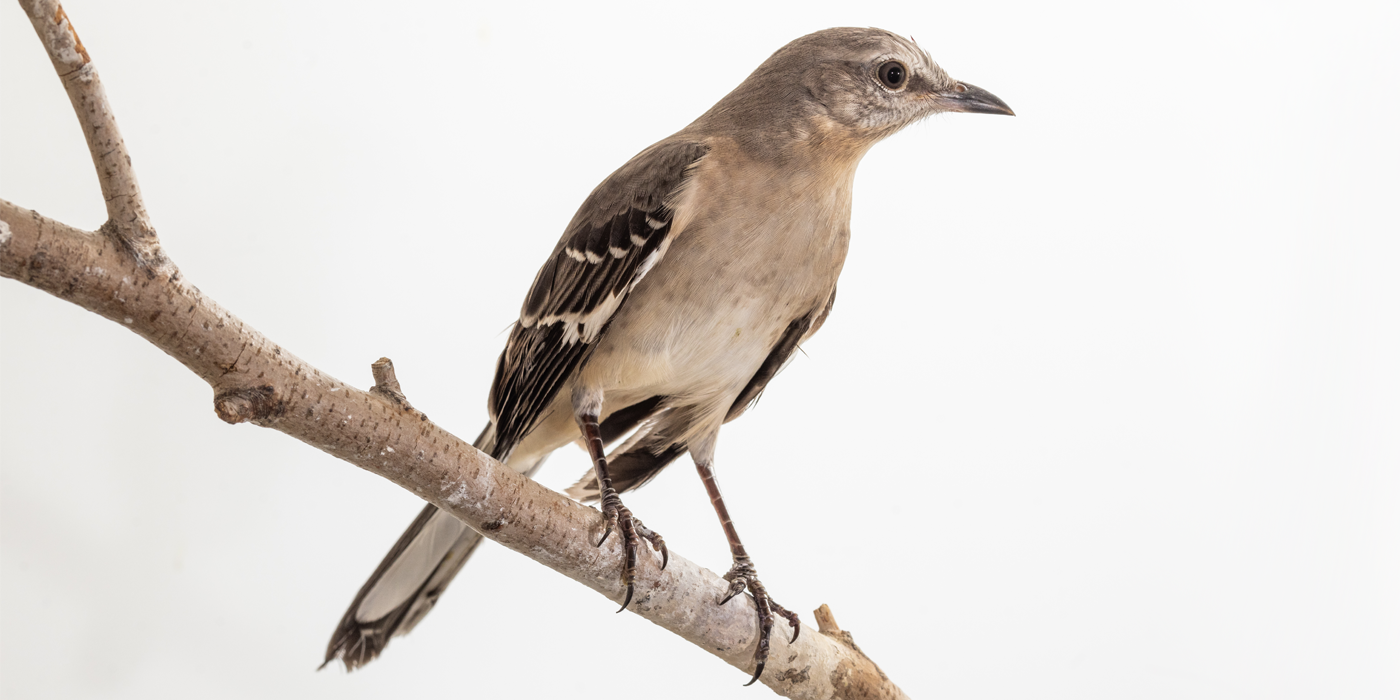
Mockingbird
Mockingbirds are excellent mimics of other birds’ songs. They repeat phrases several times in a row. Their repertoire includes whistles, clicks, and trills. Mockingbirds use their song to defend their territory and attract mates.
Song Thrush
The song thrush has a loud, repetitive song that echoes in woodlands. It often repeats short phrases two or three times. Its song is musical and easy to recognize. Song thrushes sing both day and night, filling the forest with melody.
How Songbirds Produce Their Songs
Songbirds create some of the most beautiful sounds in nature. Their songs come from a special part of their body. This section explains how songbirds produce these unique melodies. Understanding this helps us appreciate their complex communication.
Syrinx Structure
The syrinx is the bird’s voice box. It sits where the windpipe splits into the lungs. This place lets birds control sounds very precisely. Muscles around the syrinx adjust the tension of membranes. This changes pitch and tone of the song. Some songbirds can even sing two notes at once. The syrinx is key to their rich and varied songs.
Learning And Imitation
Young songbirds learn songs by listening to adults. They memorize tunes and practice until they get it right. This learning period is crucial for good singing. Birds often copy songs from their parents or neighbors. Imitation helps them fit into their group. Each species has a unique song pattern to learn.
Purpose Of Singing
Singing serves many roles in a bird’s life. It helps attract mates by showing strength and health. Songs also mark territory to warn other birds. They can signal danger or communicate with their flock. The complexity of a song can mean a bird is experienced. Singing is a vital tool for survival and social life.
Identifying Songbirds In The Wild
Identifying songbirds in the wild can be a joyful and rewarding experience. These birds are known for their beautiful melodies and vibrant presence. Spotting them requires a mix of sharp listening and careful observation. Understanding their common habitats, sounds, and appearances helps in recognizing them easily.
Common Habitats
Songbirds live in many places. Forests, gardens, and parks are popular spots. They prefer areas with lots of trees and bushes. Near water sources like ponds and rivers, songbirds find food and shelter. Urban areas with green spaces also attract some species. Watching these places increases chances of spotting songbirds.
Listening Tips
Songbirds have distinct calls and songs. Their tunes vary from soft trills to loud whistles. Early morning is the best time to hear them sing. Focus on repeated patterns and clear notes. Learning a few common songs helps in quick identification. Silence your surroundings to catch subtle sounds. Listening carefully reveals many hidden birds.
Visual Markers
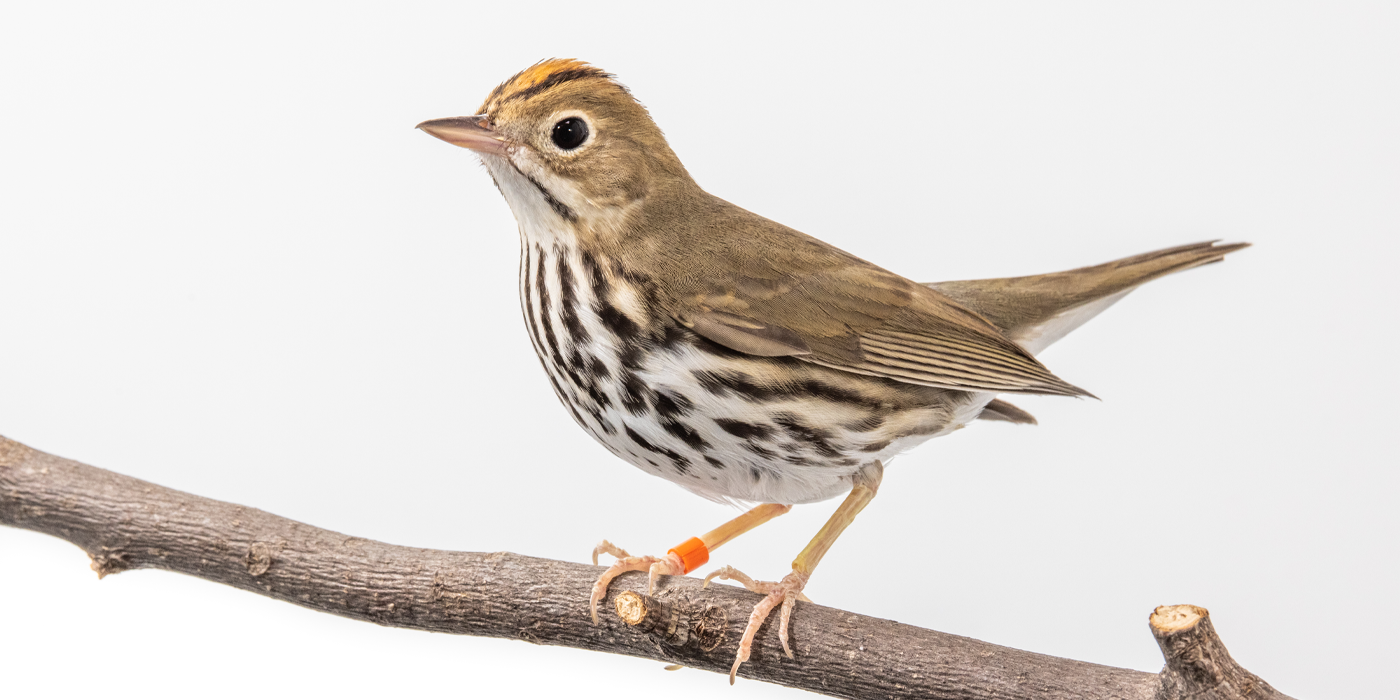
Songbirds often show bright colors and small sizes. Look for slender bodies and pointed beaks. Many have noticeable markings like stripes or spots. Tail shapes and wing patterns also help in identification. Watch their movements; songbirds are quick and active. Recognizing visual traits supports confirming their identity.
Conservation Of Songbird Species
Conserving songbird species is essential for maintaining the balance of ecosystems and enriching our natural soundscapes. These birds play vital roles in pest control, pollination, and seed dispersal. Yet, many songbird populations are declining, urging us to understand the challenges they face and how we can actively protect them.
Threats To Songbirds
Songbirds encounter numerous dangers today. Habitat loss due to urban development destroys their nesting and feeding grounds. Pesticides and pollution reduce their food sources and can poison them directly.
Predators like domestic cats and invasive species also pose significant risks. Climate change disrupts migration patterns, making survival even tougher. Could your neighborhood be unknowingly harming these birds?
Protective Measures
Creating and preserving natural habitats is key to saving songbirds. Protected areas and bird-friendly parks provide safe spaces for them to thrive. Legislation that limits pesticide use helps maintain a healthy food chain.
Installing birdhouses and planting native plants offer immediate benefits. These actions create shelter and attract insects that songbirds feed on. How could your garden become a sanctuary for these feathered singers?
How To Help
- Reduce or eliminate pesticide use in your yard.
- Keep cats indoors or supervise them outside to prevent hunting.
- Plant native flowers, shrubs, and trees to supply food and shelter.
- Participate in local bird counts and conservation programs.
- Support organizations that work to protect bird habitats.
Every small action adds up. Have you noticed songbirds in your area lately? What simple change could you make today to help their numbers grow?
Credit: nationalzoo.si.edu
Frequently Asked Questions
What Defines A Bird As A Songbird?
A songbird is defined by its vocal organ, the syrinx, which produces complex melodies. They belong to the Passeriformes order, known for varied and melodious songs used for communication and mating.
Which Birds Are Commonly Known As Songbirds?
Common songbirds include robins, sparrows, finches, and warblers. These birds are famous for their musical calls and are widespread across many habitats worldwide.
How Do Songbirds Produce Their Songs?
Songbirds use the syrinx, located at the base of their trachea. This unique vocal organ allows them to create diverse and intricate sounds to attract mates and mark territory.
Why Are Songbirds Important To Ecosystems?
Songbirds control insect populations and help in seed dispersal. Their songs also indicate environmental health, making them vital for ecological balance and biodiversity.
Conclusion
Songbirds are a special group of birds known for their beautiful songs. They use their voices to attract mates and mark their territory. Many people enjoy listening to their melodies in gardens and parks. Recognizing a songbird helps you appreciate nature more.
Next time you hear a bird sing, you might identify it as a songbird. Their songs bring life and joy to the outdoors. Keep exploring and listening to the wonderful world of birds.




