
Are you struggling to capture those perfect bird shots because your lens just isn’t cutting it? Choosing the right zoom lens can make all the difference in bird photography.
But with so many options out there, how do you know which size zoom lens fits your needs best? You’ll discover exactly what lens size will help you get closer to the action, snap sharper images, and bring your bird photos to life.
Keep reading, and you’ll learn how to pick the perfect zoom lens that matches your style and budget.
Choosing The Right Zoom Lens
Choosing the right zoom lens is vital for bird photography. Birds are often small and far away. A good lens helps capture sharp, detailed images without disturbing the birds. The zoom range affects how close you can get and how clear the photo looks. Picking the right lens depends on many factors like your budget, camera type, and where you plan to shoot.
Key Factors To Consider
- Focal Length:Longer focal lengths (300mm or more) bring distant birds closer.
- Aperture Size:Wider apertures (f/2.8 to f/5.6) work better in low light.
- Weight and Size:Lighter lenses are easier to carry during long shoots.
- Image Stabilization:Helps reduce blur caused by hand movements.
- Lens Compatibility:Make sure the lens fits your camera body.
- Budget:Balance cost with features you need.
Lens Types For Bird Photography
Telephoto zoom lenses are popular for bird photography. They cover a range from medium to long focal lengths.
| Lens Type | Focal Length Range | Best For | Pros | Cons |
|---|---|---|---|---|
| Short Telephoto Zoom | 70-200mm | Close birds, wider scenes | Lightweight, versatile | May not reach distant birds |
| Medium Telephoto Zoom | 100-400mm | Most bird photography | Good zoom range, sharp images | Heavier than short telephoto |
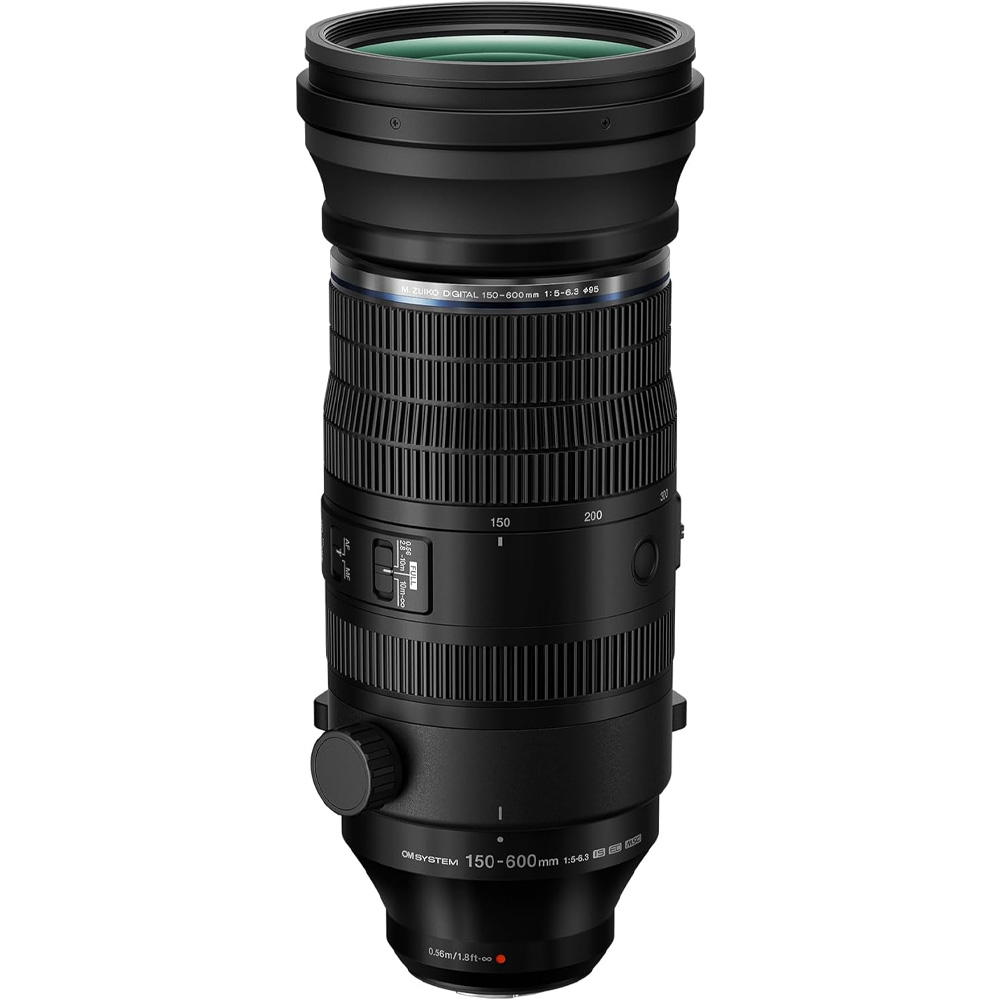
| Super Telephoto Zoom | 150-600mm | Distant birds, wildlife | Excellent reach | Heavy, expensive |
Choosing the right lens type depends on your shooting style. A medium telephoto zoom lens suits many bird photographers. It offers a balance of reach and portability. Super telephoto lenses work well for distant birds but can be bulky. Short telephoto lenses fit better for birds in close habitats or gardens.
Ideal Focal Lengths
Choosing the right focal length is crucial for bird photography. It affects how close you appear to your subject and how much detail you capture. Let’s break down the ideal focal lengths to help you decide what fits your style and situation best.
Short Telephoto Lenses
Short telephoto lenses typically range from 70mm to 135mm. These lenses are great if you photograph birds in open areas where you can get relatively close. They offer a good balance between reach and portability.
If you enjoy capturing birds in flight or want to include some background environment in your shots, short telephoto lenses work well. However, they might struggle with smaller or more distant birds, limiting your framing options.
Mid-range Telephoto Lenses
Mid-range telephoto lenses fall between 150mm and 300mm. This range is popular among bird photographers because it offers more reach without being too heavy. You can get detailed shots without disturbing the birds.
In my experience, a 200mm lens often becomes a reliable companion on birding trips. It lets you fill the frame with your subject while maintaining sharpness and clarity. Plus, you still have some flexibility for different shooting scenarios.
Super Telephoto Lenses
Super telephoto lenses cover 400mm and above, often reaching 600mm or even 800mm. These lenses are essential for photographing small or skittish birds from a distance. They bring distant subjects up close with remarkable detail.
While these lenses can be heavy and expensive, the results can be stunning. If you want to capture rare or elusive birds, investing in a super telephoto lens might be worth considering. Do you have the patience and setup to handle this level of gear?
Lens Aperture And Image Quality
Understanding lens aperture is key to capturing stunning bird photos. Aperture controls how much light enters your camera, directly affecting image quality and depth of field. Knowing how to use it can elevate your bird photography from ordinary to extraordinary.
Importance Of Wide Aperture
A wide aperture (low f-number) allows more light to hit the sensor, which is crucial for fast shutter speeds. Birds move quickly, and a faster shutter speed helps freeze their motion sharply.
Using a wide aperture also creates a shallow depth of field. This makes your subject stand out against a beautifully blurred background, drawing attention to the bird’s details.
Have you noticed how some bird photos have that creamy, soft background? That effect usually comes from shooting with apertures like f/2.8 or f/4. It’s not just pretty—it helps remove distractions from your frame.
Impact On Sharpness And Detail
Shooting at the widest aperture can sometimes reduce sharpness at the edges due to lens limitations. However, most bird photography happens near the center of the frame, where sharpness remains excellent.
Stopping down the aperture slightly (to around f/5.6 or f/8) can improve overall sharpness without sacrificing too much light. This balance is ideal when you want maximum detail in your bird’s feathers and eyes.
Keep in mind that higher f-numbers increase depth of field, which can bring unwanted background details into focus. Ask yourself: would you rather have more background clarity or a sharp subject with a soft backdrop?
Camera Compatibility And Sensor Size
Choosing the right zoom lens for bird photography depends heavily on your camera’s compatibility and sensor size. These factors influence how much of the scene you capture and how close your subject appears. Understanding your camera’s sensor type helps you pick a lens that maximizes reach and image quality without unnecessary bulk or cost.
Full-frame Vs Crop Sensors
Full-frame sensors are larger and capture more light, giving you wider angles and better low-light performance. They show the true focal length of your lens, so a 300mm lens stays 300mm in view.
Crop sensors, often found in entry-level and mid-range cameras, have a smaller size. This results in a crop factor—usually around 1.5x or 1.6x—that effectively multiplies your lens’s focal length. So, a 300mm lens on a 1.5x crop sensor acts like a 450mm lens, bringing birds closer without extra gear.
Think about this: If you often shoot small, distant birds, a crop sensor might give you more reach with a shorter lens. But if image quality and wide-angle versatility matter, full-frame could be better.
Lens Compatibility Tips
- Check mount compatibility:Ensure the lens fits your camera brand and model to avoid compatibility issues.
- Mind the crop factor:Calculate effective focal length by multiplying your lens’s focal length by your sensor’s crop factor.
- Consider lens weight:Longer zoom lenses tend to be heavy; pairing them with a lighter crop-sensor body can ease handheld shooting.
- Look for image stabilization:This feature is crucial for sharp shots at long focal lengths, especially with handheld shooting.
- Test autofocus speed:Birds move fast. Make sure your lens focuses quickly and accurately with your camera.
When I switched from a full-frame to a crop-sensor camera, I gained extra reach without buying a new lens. It changed how I approached bird photography and saved me money. Have you thought about how your camera’s sensor affects your lens choices?
Stabilization And Autofocus Features
Choosing the right zoom lens for bird photography involves more than just focal length. Stabilization and autofocus features play a key role in capturing sharp, clear images. These features help reduce blur and keep fast-moving birds in focus. Understanding their benefits can improve your photography experience significantly.
Image Stabilization Benefits
Image stabilization reduces camera shake. This is vital when using long zoom lenses. Small movements can cause blurry photos at high magnification. Stabilization helps keep images sharp, even in low light or slow shutter speeds.
It allows handheld shooting without always needing a tripod. This adds flexibility and freedom when photographing birds in nature. You can react quickly to sudden bird movements or changes in position. This feature is especially helpful for beginners or in windy conditions.
Autofocus Speed And Accuracy
Fast and accurate autofocus helps track moving birds. Birds rarely stay still, making quick focus essential. A good autofocus system locks onto the subject quickly and keeps it sharp.
Modern lenses often feature advanced autofocus motors for smooth and silent focusing. This reduces disturbance to birds and improves photo quality. Reliable autofocus ensures you don’t miss critical moments like flight or feeding. It also works well in various lighting conditions and backgrounds.
Credit: www.livescience.com
Budget Considerations
When choosing the perfect zoom lens for bird photography, budget is often a major consideration. Whether you’re just starting out or are a seasoned professional, the cost of your gear can significantly influence your options. Let’s break down the choices available at different budget levels, so you can find the right lens without breaking the bank.
Entry-level Options
For those new to bird photography, entry-level lenses offer a cost-effective way to get started. These lenses typically range from 70-300mm and are perfect for capturing nearby birds in your backyard or local park. While they may not offer the sharpest images or fastest autofocus, they allow beginners to hone their skills and experiment with framing and composition.
Consider brands like Canon, Nikon, and Sigma, which offer budget-friendly telephoto zoom lenses. A lens like the Canon EF-S 55-250mm f/4-5.6 IS STM can be a great starter option. It’s lightweight, offers image stabilization, and won’t hurt your wallet.
Think about what you truly need. Is it reach, image quality, or portability? This will help narrow down your choices. Investing in an affordable option now can be a stepping stone to more advanced equipment later.
Professional Grade Lenses
If you’re ready to invest in professional-grade lenses, the options expand significantly. Lenses in the 100-400mm or even 200-600mm range are ideal for serious bird photographers. These lenses offer superior image quality, faster autofocus, and better performance in low light.
Take the Sony FE 200-600mm f/5.6-6.3 G OSS lens as an example. It provides incredible reach and clarity, making it a favorite among professionals. The investment is higher, but the results can be stunning.
Consider if the additional features justify the cost for your specific needs. Are you shooting in challenging conditions or going on wildlife expeditions? Professional lenses offer durability and performance that can match your ambitions.
Ultimately, your choice will depend on your budget, experience level, and specific bird photography goals. What are you willing to invest in capturing that perfect shot?
Additional Tips For Bird Photography
Bird photography requires patience and the right equipment. Choosing the right zoom lens size is crucial. Yet, additional tips can enhance your bird photography skills. These tips provide practical insights for capturing stunning bird images.
Using Teleconverters
Teleconverters extend your lens reach. They attach between the camera body and lens. They increase the focal length. A 1.4x teleconverter boosts a 300mm lens to 420mm. A 2x teleconverter doubles it to 600mm. Remember, they may reduce image quality slightly. Autofocus speed might also decrease. Choose high-quality teleconverters for best results.
Tripod And Monopod Choices
Stability is key in bird photography. Tripods offer excellent support. They reduce camera shake. They are ideal for long sessions. Choose lightweight, sturdy tripods. They are easier to carry. Monopods are another option. They offer more flexibility. They are quicker to set up. Perfect for fast-moving birds. Consider portability and ease of use. Both options can improve your shots significantly.

Credit: iceland-photo-tours.com

Credit: www.fredmiranda.com
Frequently Asked Questions
What Zoom Lens Size Is Best For Bird Photography?
A 300mm to 600mm zoom lens is ideal for bird photography. It offers enough reach to capture detailed shots from a distance without disturbing birds.
Can I Use A 200mm Lens For Bird Photography?
A 200mm lens can work for large or close birds but lacks reach for small or distant subjects. Longer lenses are preferred for versatility.
Why Is Lens Reach Important In Bird Photography?
Longer zoom lenses help capture sharp images of distant birds. They prevent the need to approach and potentially scare away the birds.
Is Image Stabilization Necessary In Bird Zoom Lenses?
Yes, image stabilization reduces blur caused by hand movements. It’s crucial for shooting at long focal lengths and in low light conditions.
Conclusion
Choosing the right zoom lens makes bird photography easier and more fun. A lens with 300mm to 600mm zoom works well for most birds. It helps you capture details from far away. Remember, a lighter lens lets you move quickly and follow birds easily.
Practice with different lenses to see what suits your style best. Enjoy your bird photos and keep exploring new shots with the right zoom lens.




