
Have you ever found a feather and wondered, “What bird feather is this?” That small piece of nature holds a story waiting to be uncovered.
Identifying a feather can connect you to the bird’s world and spark your curiosity about wildlife around you. You’ll discover simple tips and tricks to recognize feathers with confidence. By the end, you’ll know exactly how to tell which bird left that feather behind—and maybe even impress your friends with your new skill.
Ready to unlock the secret of that feather in your hand? Let’s get started!
Credit: www.knau.org
Types Of Bird Feathers
Bird feathers come in various types, each serving a unique purpose. Understanding these types helps you identify feathers you find and appreciate their role in a bird’s life. Let’s break down the main kinds you’re most likely to encounter.
Contour Feathers
Contour feathers shape the bird’s outer body, giving it a smooth, streamlined look. They protect the bird from weather and help with waterproofing. Have you ever noticed how a duck’s feathers repel water? That’s contour feathers at work.
Down Feathers
Down feathers lie beneath the contour feathers and act like a cozy jacket for birds. They trap heat, keeping birds warm in cold weather. Next time you see a chick fluff up, think about how down feathers are helping it stay comfortable.
Flight Feathers
Flight feathers are found on the wings and tail, crucial for flying and steering. These feathers are strong and stiff to support powerful wingbeats. If you find a long, narrow feather, it’s likely a flight feather that once helped a bird soar.
Semiplume Feathers
Semiplume feathers blend characteristics of down and contour feathers. They provide insulation and help maintain the bird’s shape without adding weight. These feathers might be subtle, but they play a big role in keeping birds agile and warm.
Key Feather Characteristics
Identifying a bird feather starts with observing its key characteristics closely. These features give you clues about the bird’s species, habitat, and behavior. Paying attention to color, size, and texture can turn your curiosity into a confident guess.
Color And Pattern
Colors in feathers range from bright reds and blues to subtle browns and grays. Patterns like stripes, spots, or iridescence can pinpoint specific birds. Have you ever noticed a feather that shifts color when the light hits it differently? That iridescence is common in birds like starlings and hummingbirds and can help you narrow down your search quickly.
Size And Shape
The length and width of a feather tell a lot about its function and the bird it came from. Flight feathers tend to be long and stiff, while down feathers are small and fluffy. Think about the last time you found a big feather—could it be from a hawk or a goose? Shape also matters; curved feathers might belong to owls, while pointed ones often come from songbirds.
Texture And Weight
Run your fingers over the feather and feel its texture. Some feathers are smooth and sleek, designed to cut through air, while others are soft and light for insulation. You might find a feather so light it barely weighs anything, perfect for keeping a bird warm. How does the feather you found compare? This simple test can help you decide if it’s from a waterbird, a forest dweller, or something else entirely.
Tools For Feather Identification
Identifying bird feathers can be a fascinating challenge, but having the right tools makes the process much easier and more accurate. Whether you’re a beginner or a seasoned birdwatcher, the tools you choose can transform your feather-finding experience.
These tools help you observe details that are invisible to the naked eye and compare your feathers with reliable sources. What tools do you already have, and which ones could help you unlock the secrets of a feather?
Field Guides And Apps
Field guides remain one of the most trusted resources for feather identification. They offer detailed pictures and descriptions that help you match colors, patterns, and shapes. Many guides are organized by region or bird type, making it easier to narrow down your options.
Apps add convenience and instant access to vast feather databases. Some apps even use AI to suggest matches based on your photos. If you enjoy birding on the go, these apps can become your pocket-sized expert.
Magnifying Tools
A magnifying glass or a portable microscope reveals details that your eyes might miss. Fine barbs, tiny color shifts, and subtle textures become visible, all crucial clues for accurate ID.
I once found a small feather that looked plain at first glance, but under magnification, I saw an unusual pattern that pointed to a rare species. Without this tool, I would have missed that exciting discovery.
Feather Identification Charts
Feather charts provide a visual comparison of different feather types and their unique characteristics. They often include size, shape, and color coding that helps you quickly eliminate unlikely species.
Many charts are laminated or printable, making them durable and easy to carry during outdoor excursions. Having one handy can speed up your identification process significantly.
Common Bird Feathers And Their Features
Identifying bird feathers can be both fascinating and practical, especially when you come across one during a hike or in your backyard. Each type of feather tells a unique story about the bird it came from—its habits, environment, and even its diet. Knowing the common features of feathers from different bird groups can help you make sense of what you find and deepen your appreciation for these creatures.
Feathers From Raptors
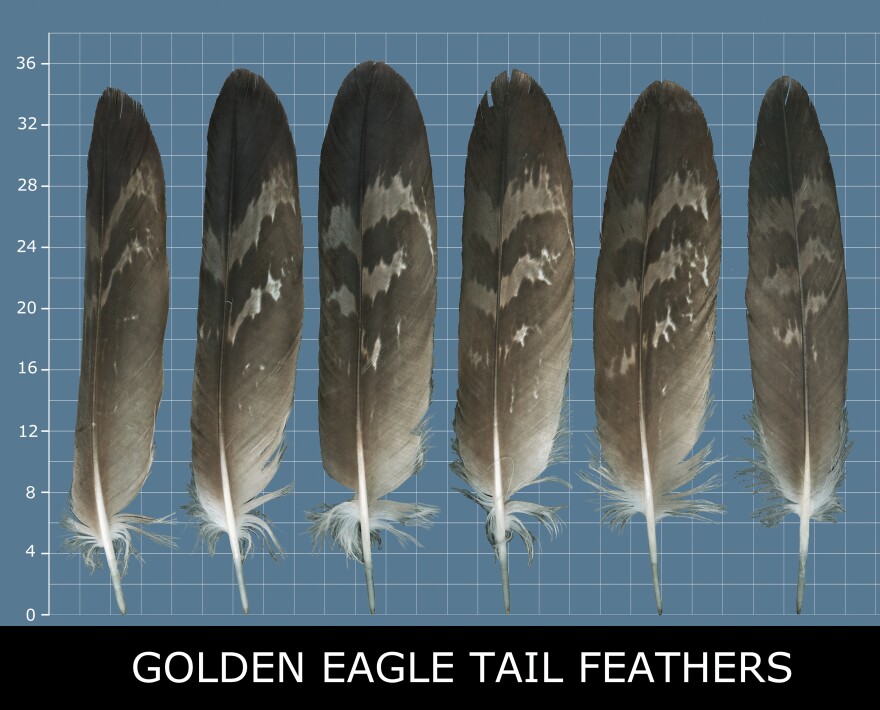
Raptor feathers are built for power and precision. They often have strong, stiff shafts that support their soaring flight and quick dives. You’ll notice these feathers are usually large and broad, with a slightly curved shape to help with maneuverability.
Have you ever found a feather that looks tough and robust? It might be from a hawk or an eagle. These feathers often have a muted color palette—browns, grays, and blacks—that helps raptors blend into their surroundings while hunting.
Waterfowl Feathers
Waterfowl feathers are designed to repel water and keep birds warm in cold environments. They have a waterproof coating that makes water bead up and roll off easily. These feathers tend to be softer and more flexible compared to raptor feathers.
Look closely at the feathers from ducks or geese, and you’ll often see iridescent patches or striking patterns. These colors are not just for show; they can play roles in mating and signaling. Have you noticed how these feathers feel almost oily? That’s the special oil waterfowl produce to stay dry.
Songbird Feathers
Songbird feathers are usually small and lightweight, perfect for quick, agile flight through dense trees. They often have bright colors or distinct patterns that help in identifying species. Their feathers tend to be delicate but still strong enough for rapid wing beats.
When you find a tiny feather with vibrant hues, you might be holding a piece from a cardinal or a blue jay. These feathers are often used in communication and display. What colors stand out most to you when you spot these feathers in nature?
Game Bird Feathers
Game bird feathers come from species like pheasants, quail, and turkeys. These feathers are typically tough and colorful, designed to provide camouflage on the ground. Many have intricate patterns of spots and bars that break up their outline.
Finding a feather with earthy tones mixed with bright flashes of color is a good hint you’re looking at a game bird. Their feathers help them stay hidden from predators while foraging. Ever wonder how these patterns developed to suit their environment so well?
Step-by-step Feather Identification
Identifying a bird feather can be a fascinating journey into the world of birds. Each feather holds clues about the bird it came from. By carefully observing and analyzing its features, you can narrow down the species with surprising accuracy.
Collecting And Handling Feathers
Start by gently picking up the feather without damaging its delicate barbs. Use clean hands or gloves to avoid transferring oils or dirt. Store feathers in a dry, flat container to keep their shape intact.
Have you noticed how a feather feels different depending on where it came from on the bird? Tail feathers are usually stiffer, while body feathers are softer. Recognizing this helps you focus your identification efforts.
Examining Feather Structure
Look closely at the feather’s shape, size, and color patterns. Notice the shaft thickness and the arrangement of the barbs. These details can tell you if the feather is a flight feather, down feather, or contour feather.
Pay special attention to the feather’s vane—the flat part made of barbs. Symmetrical vanes often belong to body feathers, while asymmetrical ones indicate flight feathers. This little detail can be a game changer in your identification process.
Matching To Bird Species
Use field guides or online databases with feather images to compare your feather. Focus on unique colors, markings, and sizes that stand out. Cross-reference your observations with habitat and bird species common in your area.
Ask yourself: Does this feather match the birds I’ve seen nearby? Sometimes, local birdwatching groups can help confirm your guess. Identifying a feather is like solving a puzzle—each piece of information brings you closer to the answer.
/https://tf-cmsv2-smithsonianmag-media.s3.amazonaws.com/filer/f6/7d/f67d385c-d4e6-4aab-8de0-8d947c88f87c/apr2016_i14_phenom.jpg)
Credit: www.smithsonianmag.com
Legal And Ethical Considerations
Handling bird feathers requires respect for wildlife laws to avoid harm or disturbance. Ethical use means never taking feathers from protected species or nests. Always seek permission and follow local regulations to protect birds and their habitats.
When you’re out in nature, coming across a beautiful bird feather can be a thrilling find. However, picking up and keeping that feather might not be as simple as it seems. Understanding the legal and ethical considerations of feather collection is crucial to ensure you respect both the law and the wildlife.
Feather Collection Laws
Did you know that in many countries, collecting bird feathers is regulated by law? In the United States, the Migratory Bird Treaty Act makes it illegal to collect feathers from native birds without a permit. This law aims to protect birds from being disturbed or exploited. Before you decide to collect a feather, check the specific regulations in your area. Some countries have strict rules, while others might be more lenient. Ignorance of the law is not an excuse, so it’s always better to be informed.
Respecting Wildlife
Respecting wildlife goes beyond just following laws. It’s about appreciating nature without causing harm or disruption. When you find a feather, consider the impact of your actions on the bird and its environment. Ask yourself: does taking this feather affect the bird’s ability to camouflage or insulate itself? Feathers play essential roles in a bird’s life. By leaving them in their natural setting, you contribute to the ecosystem’s balance. Your curiosity and love for nature can coexist with ethical responsibility. By being mindful of these considerations, you not only enrich your own experience but also help preserve the beauty of the natural world for others to enjoy.
Tips For Quick Feather Id In The Field
Focus on the feather’s size, shape, and color to narrow down the bird species quickly. Check the feather’s texture and patterns for clearer clues in the field. Comparing with a simple guidebook or app helps speed up identification.
Identifying bird feathers in the field can be an exciting challenge for nature enthusiasts. Whether you’re hiking through the woods or strolling along a beach, finding a feather can spark curiosity. Having some quick identification tips at your fingertips can enhance your outdoor adventures and deepen your connection with nature.
Using Landmarks And Habitat Clues
When you find a feather, take a moment to look around. The surroundings can provide valuable hints about the bird it came from. If you’re near water, consider waterfowl or shorebirds. In a dense forest, you might be looking at songbird feathers. Your location is your first clue. Think about the vegetation and other wildlife in the area. Each ecosystem has its unique bird residents. If you’re in a meadow, could the feather belong to a sparrow or meadowlark? Let the environment guide you.
Noting Feather Location
Where the feather is on the ground can also tell a story. A feather near a tree might suggest a bird that nests or perches there. Open fields could hint at ground-nesting birds. Is the feather isolated or part of a larger group? Consider the feather’s condition. Is it pristine or weathered? A fresh feather might have fallen naturally, while worn feathers could indicate predation. Observing these details can enhance your identification skills.
Recording Observations
Bring a notebook or use a note-taking app on your phone to jot down details. Describe the feather’s color, size, and any unique patterns. Taking photos can also be helpful for later research. Capture your initial thoughts and questions. Was there a bird call you heard nearby? These notes can be invaluable for cross-referencing with field guides or online resources. Take a moment to reflect on your discovery. What does this feather tell you about the bird’s life and the ecosystem it inhabits? Engaging with these questions can transform a simple find into a deeper understanding of the natural world.

Credit: www.reddit.com
Frequently Asked Questions
What Bird Species Does This Feather Belong To?
Identifying a bird feather requires examining its color, size, and pattern. Each bird species has unique feather traits. Using a feather guide or app helps match feathers to species accurately. This aids bird enthusiasts and researchers in recognizing birds from feathers alone.
How Can I Identify A Feather’s Type?
Feathers vary by function: flight, contour, or down feathers. Flight feathers are long and stiff for flying. Contour feathers cover the body and provide shape. Down feathers are soft and insulate the bird. Knowing feather types helps in proper identification and understanding bird biology.
Where Do Most Feathers Fall Off On Birds?
Birds molt feathers primarily from the wings and tail. Molting happens seasonally to replace old feathers. Feathers may also fall from the body during grooming. Finding feathers in these areas often indicates natural molting rather than injury or stress.
Can Feather Color Indicate A Bird’s Age?
Yes, feather color can reveal a bird’s age. Juvenile birds often have duller, less vibrant feathers. Adult birds display brighter and more distinct colors. Color changes help in identifying maturity and breeding readiness in many bird species.
Conclusion
Identifying bird feathers can be fun and rewarding. Each feather tells a story about the bird it came from. Colors, shapes, and sizes help you guess the species. Pay attention to patterns and textures too. Practice makes it easier to recognize feathers.
Keep exploring nature and enjoy learning about birds. Your curiosity will grow with each feather you find. Stay patient and have fun on your feather-finding journey.




