
Discovering that you’ve been targeted by bird lice can be both unsettling and confusing. These tiny pests, often associated with our feathered friends, sometimes find their way onto humans, causing irritation and discomfort.
If you’ve noticed itchy bites or have been around birds recently, you might be wondering how to handle this unexpected problem. But don’t worry—you’re not alone, and solutions are within reach. In this guide, you’ll learn effective ways to treat bird lice on humans, ensuring you can return to feeling comfortable and at ease.
Keep reading to uncover the steps you need to take to protect yourself and your family from these unwelcome guests.
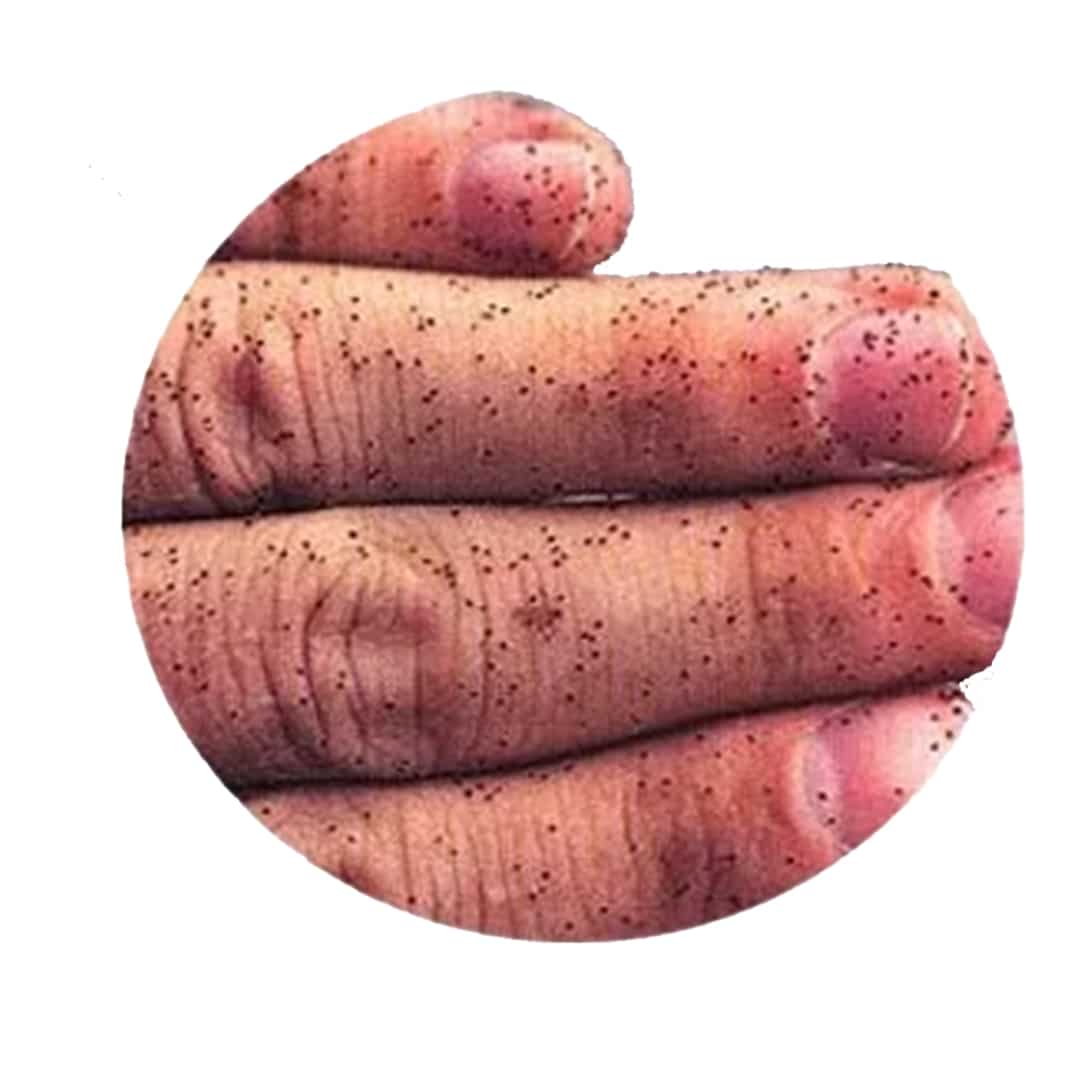
Credit: howtopest.com
Identifying Bird Lice On Humans
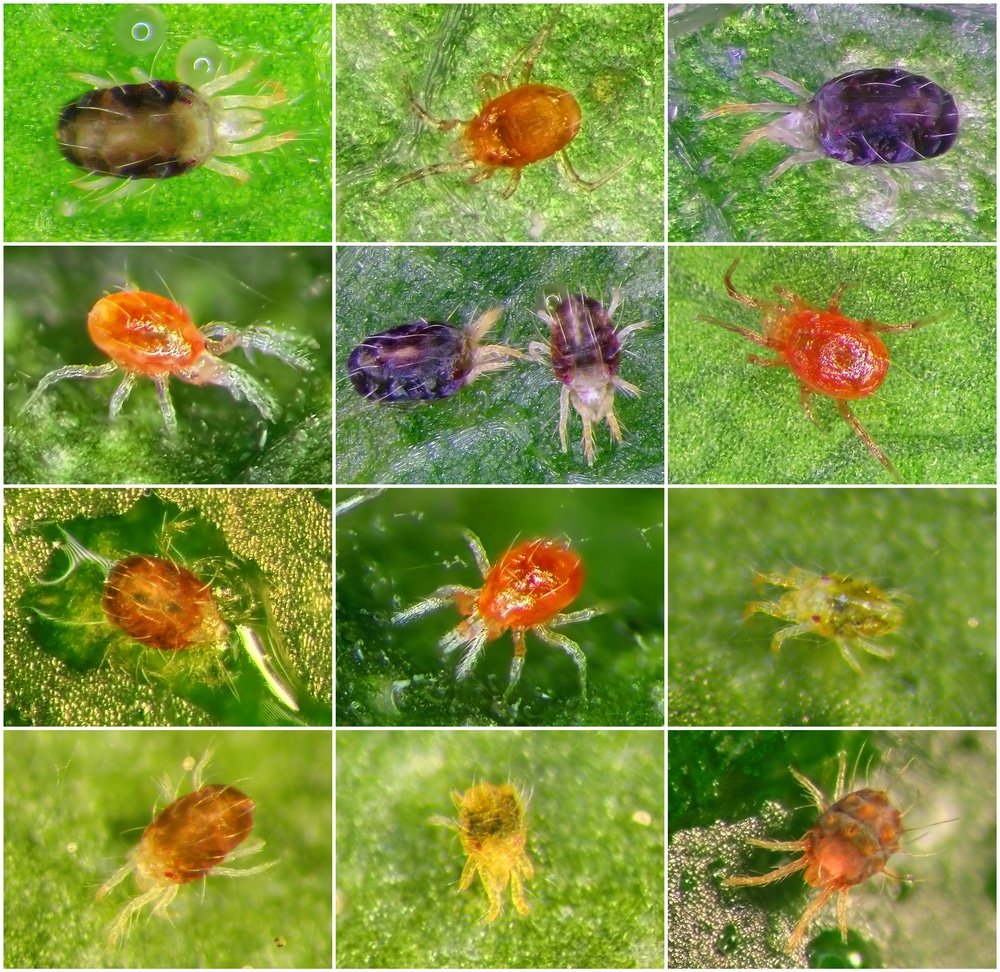
Bird lice are tiny insects that usually live on birds. Sometimes, they can crawl onto humans. It is important to know how to spot them on your skin.
Identifying bird lice early helps prevent itching and skin problems. Learn the signs to watch for and how bird lice differ from other bugs.
Common Symptoms
Bird lice bites can cause several skin reactions. Most symptoms appear on areas that contact birds or bird nests.
- Red, itchy bumps on the skin
- Small rash or irritation
- Feeling of something crawling on the skin
- Swelling around bite areas
- Possible mild pain or discomfort
How Bird Lice Differ From Other Parasites
| Feature | Bird Lice | Head Lice | Fleas |
| Size | 1-2 mm | 2-3 mm | 1.5-3.3 mm |
| Body Shape | Flattened and elongated | Flattened and oval | Laterally compressed |
| Host | Birds | Humans | Mammals and birds |
| Bite Location | Any exposed skin near birds | Scalp and neck | Legs and ankles |
| Movement | Slow crawling | Fast crawling | Jumping |

Credit: www.amazon.com
Causes And Risks
Bird lice are tiny insects that live on birds. They feed on feathers and skin. Sometimes, these lice can move to humans.
Bird lice do not usually live on humans. They do not spread diseases like human lice. Still, they can cause itching and skin irritation.
How Bird Lice Transfer To Humans
Bird lice transfer to humans by direct contact. People who handle birds or clean bird nests are at risk.
The lice crawl from the bird or nest onto clothing or skin. They do not jump or fly but move slowly.
- Touching birds that have lice
- Cleaning bird cages or nests
- Handling bird feathers or droppings
Health Concerns And Complications
Bird lice on humans usually cause mild problems. Itching and small red bumps are common. Scratching can cause skin infections.
Bird lice do not carry serious diseases for humans. But skin irritation can be uncomfortable and last several days.
- Itching and irritation
- Red bumps or rash
- Possible skin infection from scratching
Home Remedies For Bird Lice
Bird lice can sometimes transfer to humans and cause itching. Treating them at home is possible with simple remedies. These methods focus on natural oils and good cleaning habits.
Using natural oils helps kill lice and soothe the skin. Cleaning your environment stops lice from returning. Below are ways to use oils and cleaning techniques effectively.
Natural Oils And Treatments
Natural oils can suffocate lice and reduce irritation. Apply them gently to affected areas. Some oils also help heal the skin.
- Tea tree oil has strong insect-fighting properties.
- Coconut oil smothers lice and softens skin.
- Neem oil works as a natural insect repellent.
- Olive oil makes it easier to comb out lice.
- Lavender oil soothes itching and inflammation.
Mix a few drops of these oils with a carrier oil like almond oil. Apply the mixture on your scalp and skin. Leave it for at least 30 minutes before washing off.
Effective Cleaning Techniques
Cleaning your clothes and home reduces lice chances. Wash all bedding and clothes in hot water. Vacuum floors and furniture carefully.
| Cleaning Item | Method | Frequency |
| Bedding and Clothes | Wash with hot water above 130°F (54°C) | At least once a week |
| Combs and Brushes | Soak in warm soapy water | After each use |
| Furniture and Carpets | Vacuum thoroughly | Every 2-3 days |
| Soft Toys | Wash or seal in plastic bag for 2 weeks | One time after infestation |
Over-the-counter Treatments
Bird lice can sometimes bite humans, causing itching and discomfort. Over-the-counter treatments help ease these symptoms and remove lice from the skin.
These treatments are easy to find at drugstores. They work best when used carefully and as directed on the packaging.
Medicated Shampoos And Lotions
Medicated shampoos and lotions are common for treating lice bites on humans. They contain ingredients that kill lice and soothe itching.
Apply the shampoo or lotion to the affected skin or scalp. Let it sit for the time mentioned on the label, then rinse thoroughly.
- Look for shampoos with permethrin or pyrethrin
- Use lotions designed for lice treatment
- Follow the instructions exactly to avoid skin irritation
- Repeat treatment if recommended after 7–10 days
Safe Use Of Insecticides
Insecticide sprays or powders can remove bird lice from clothing or bedding. Use these products carefully to avoid harming your skin or lungs.
Always read the label before use. Keep sprays away from your face and wash hands after application.
- Use insecticides only on fabrics, not directly on skin
- Ventilate the room well during and after spraying
- Wear gloves to protect your hands
- Store insecticides out of reach of children and pets
Preventing Bird Lice Infestation
Bird lice can sometimes transfer to humans, causing itching and discomfort. Taking simple steps can help stop bird lice from infesting your home or body.
Preventing bird lice starts with good habits and careful handling of birds and their nests. This guide explains easy ways to protect yourself.
Personal Hygiene Tips
Keeping your body and clothes clean helps reduce the risk of bird lice. Wash regularly to remove any lice or eggs that may be present.
Use mild soap and warm water to clean your skin. Change clothes often, especially if you have been near birds.
- Shower after handling birds or their nests
- Wash clothes in hot water to kill lice
- Keep hair clean and comb regularly
- Avoid sharing hats or scarves
Managing Contact With Birds And Nests
Bird lice live on birds and in their nests. Avoid touching birds and nests to lower your chance of catching lice.
Wear gloves and protective clothing if you must handle nests. Remove old nests carefully to stop lice from spreading indoors.
- Do not touch wild birds without protection
- Keep bird nests away from your home
- Clean areas where birds gather regularly
- Use a mask to avoid inhaling lice or dust
Credit: howtopest.com
When To See A Doctor
Bird lice on humans can cause itching and skin irritation. Most cases can be treated at home. Yet, some signs show a need for medical help.
Knowing when to see a doctor helps prevent infections and other problems. Read on to learn the key signs and treatment options.
Signs Of Severe Infestation
If lice bites cause serious problems, get medical advice. Watch for these signs:
- Intense itching that does not stop
- Red, swollen, or bleeding skin
- Infected sores or pus
- Fever or feeling unwell
- Spreading rash or skin damage
These signs mean the lice infestation may be severe or has caused infection. A doctor can check your skin and give the right treatment.
Professional Treatment Options
Doctors can offer treatments that work better than home care. These include:
| Treatment | Description |
| Prescription creams | Kills lice and soothes skin |
| Oral medications | Used if lice spread or resist creams |
| Antibiotics | For infections caused by scratching |
| Skin care advice | Helps heal skin and prevent new lice |
Always follow the doctor’s instructions carefully. Do not share treatments with others. This helps stop lice from coming back.
Frequently Asked Questions
What Are The Symptoms Of Bird Lice On Humans?
Bird lice on humans cause itching, redness, and small bites. You may notice irritated skin and mild inflammation at bite sites.
How To Effectively Remove Bird Lice From Skin?
Use gentle insecticidal shampoos or lotions designed for lice. Wash clothes and bedding in hot water to kill lice.
Can Bird Lice Transmit Diseases To Humans?
Bird lice rarely transmit diseases to humans. They mainly cause irritation but do not carry harmful pathogens.
How To Prevent Bird Lice Infestation At Home?
Keep birds and pets clean and regularly check for lice. Maintain hygiene and avoid contact with infested birds or nests.
Conclusion
Treating bird lice on humans takes patience and care. Clean your clothes and bedding often. Use gentle soaps to wash your skin. Avoid scratching to stop irritation and infection. Keep your living area clean and dry. Check pets and birds for lice regularly.
Small steps make a big difference. Stay calm and follow these tips daily. You can get rid of bird lice safely. Taking action early helps you feel better fast.




