
Have you ever stumbled upon a small bird struggling with a hurt wing? It’s a heart-wrenching sight, and your immediate instinct is to help.
You’re not alone in this; many people feel the urge to assist our feathered friends when they’re in need. But how can you ensure that your good intentions actually lead to good outcomes? Understanding the right steps to take is crucial.
This guide will walk you through simple, effective ways to care for an injured bird wing. By the end, you’ll feel more confident in your ability to provide the right kind of help. Stay with us, and discover how your compassionate actions can make a real difference.
Identifying Wing Injuries
Bird wings are delicate and can get hurt easily. Knowing how to spot injuries helps give proper care fast.
Look closely at the wing for signs of damage. Early detection can prevent more pain or problems.
Common Types Of Injuries
Bird wings can suffer from breaks, sprains, cuts, or bruises. Each injury needs different care.
- Broken bones:The wing may look crooked or swollen.
- Sprains:The bird may avoid using the wing due to pain.
- Cuts and wounds:Open skin or bleeding is visible.
- Bruises:The wing looks discolored but skin is intact.
Signs Of A Broken Wing
A broken wing often shows swelling and a strange shape. The bird may cry out or not move the wing.
Look for these signs to know if the wing might be broken:
- Wing hangs lower than normal
- Visible deformity or sharp angles
- Bird tries not to use the wing
- Swelling or bruising around the wing
- Bird shows signs of pain when touched
Assessing Soft Tissue Damage
Soft tissue injuries include cuts, bruises, and sprains. These hurt muscles, skin, or ligaments around the wing.
Check the wing carefully for:
- Open wounds or bleeding spots
- Swelling or puffiness
- Bruises that change color
- Bird avoiding wing movement
- Warmth or heat in the injured area
Initial Care Steps
Finding an injured bird can be upsetting. Quick and calm action is important. Proper care helps the bird heal faster.
This guide shows safe ways to handle and treat a bird’s injured wing. Follow these steps carefully to avoid more harm.
Safe Handling Techniques
Approach the bird slowly and quietly. Sudden moves can scare it. Use a towel or cloth to gently cover the bird.
Hold the bird firmly but gently. Support its body and avoid squeezing the injured wing. Keep the bird calm and still.
- Wear gloves if possible to protect yourself and the bird
- Use a towel to wrap the bird for safe control
- Hold the bird’s body, not the wings
- Keep movements slow and gentle
Stabilizing The Wing
Look for visible injuries like cuts or bends. Do not try to fix broken bones yourself. Keep the wing still to reduce pain.
Place the bird in a small box or container lined with soft cloth. This keeps the wing from moving too much during transport.
- Check the wing gently for swelling or bleeding
- Apply light pressure if there is bleeding
- Keep the wing close to the body to prevent movement
- Use soft padding to support the wing inside the container
Creating A Temporary Splint
A temporary splint helps stop the wing from moving. Use soft, straight materials like popsicle sticks or small twigs. Avoid hard or sharp items.
Wrap the splint gently with medical tape or cloth strips. Do not wrap too tight. The splint should support the wing but not cut off circulation.
- Place the splint along the wing’s bone
- Use soft padding between the wing and splint
- Secure with medical tape or cloth strips
- Check for tightness and adjust if needed
Setting Up A Recovery Space
When a bird injures its wing, it needs a safe place to heal. Setting up a proper recovery space helps the bird rest and get better.
The right environment lowers stress and supports healing. This guide explains how to create a recovery space for an injured bird.
Choosing A Quiet Environment
Pick a calm and quiet room for the bird’s recovery. Loud noises can scare the bird and slow healing.
Keep the space away from pets, children, and busy areas. This keeps the bird safe and relaxed.
Maintaining Comfortable Temperature
Birds need a warm and steady temperature to heal well. Avoid cold drafts or direct sunlight on the bird.
Keep the temperature between 75°F and 85°F (24°C to 29°C). Use a heater or lamp if needed, but do not overheat.
- Place a soft towel or blanket in the recovery area
- Use a low-watt heat source for warmth
- Check temperature with a thermometer daily
Providing Proper Nutrition And Hydration
Good food and water help the bird heal faster. Offer fresh water and healthy food daily.
Choose food that matches the bird’s species. Avoid giving treats or new foods that might upset its stomach.
- Provide clean, fresh water in a shallow dish
- Offer seeds, pellets, or fruits based on the bird type
- Remove leftover food to keep the area clean

Credit: www.reddit.com
When To Seek Veterinary Help
Injuring a bird’s wing can be serious and needs quick care. Some injuries look small but can get worse fast. Knowing when to get a vet helps your bird heal well.
Not all wing injuries need a vet, but some signs mean your bird needs expert help. Acting fast can save the bird’s wing and life.
Emergency Signs To Watch For
Look closely at your bird for these urgent signs. They mean the injury is serious and needs a vet now.
- Severe bleeding that does not stop
- Wing hanging loosely or at an odd angle
- Bird is unable to fly or move the wing
- Swelling or visible broken bones
- Bird is weak, breathing fast, or not eating
- Signs of shock like pale skin or cold feet
Finding A Bird-savvy Vet
Not all vets know how to treat birds well. A bird-savvy vet understands bird health and special needs. It helps your bird get the right care.
Ask local pet stores or bird clubs for vet recommendations. Check if the vet has experience with wild or pet birds.
- Look for vets with avian medicine training
- Choose clinics with bird care facilities
- Check reviews or ask other bird owners
- Make sure emergency care is available
Preparing For The Vet Visit
Prepare your bird and transport safely to reduce stress. Keep your bird calm and warm during travel.
Bring a clean box or cage with soft cloth. Avoid moving the injured wing too much. Have any notes about the injury ready for the vet.
- Use a small box lined with soft towels
- Keep the box dark and quiet
- Handle the bird gently and cover it lightly
- Write down when and how the injury happened
- Bring any bird food or water the bird needs
Long-term Care And Monitoring
Taking care of an injured bird’s wing needs patience and attention. Long-term care helps the wing heal fully. Watch the bird closely and give gentle support.
Regular monitoring can prevent problems and make sure the bird regains strength. This guide covers key steps for ongoing care.
Preventing Further Injury
Protect the bird from actions that might hurt its wing again. Keep the bird in a safe, quiet space away from pets and loud noises. Avoid handling the bird too much to reduce stress.
- Use a small, soft cage with no sharp edges
- Remove objects that the bird might bump into
- Keep other animals away from the bird
- Do not force the bird to fly or jump
- Provide soft bedding to cushion the wing
Recognizing Healing Progress
Knowing how the wing is healing helps you adjust care. Look for signs like less swelling and better movement. The bird should start using the wing more each day.
| Healing Sign | What to Look For |
| Reduced Swelling | Wing looks smaller and less red |
| Improved Movement | Bird moves wing without pain |
| Feather Growth | New feathers start to appear |
| Normal Behavior | Bird eats and rests well |
Rehabilitation Exercises
Exercises help the bird regain strength and flexibility in the wing. Start with gentle movements and increase slowly as the wing heals.
- Hold the bird gently and support the injured wing
- Slowly extend and bend the wing without force
- Let the bird flap the wing lightly while resting
- Encourage short, safe flights in a controlled space
- Repeat these exercises daily for best results
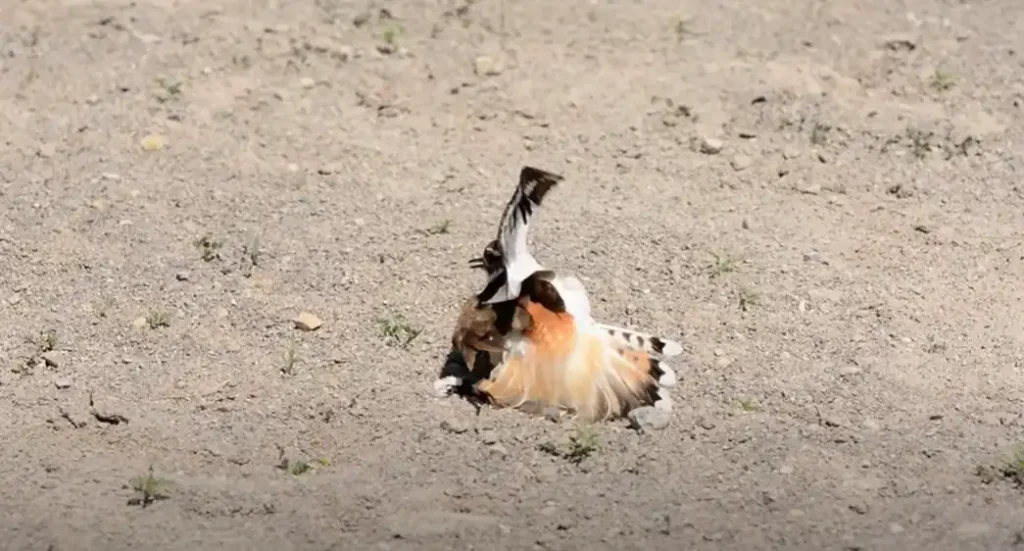
Credit: www.earthofbirds.com
Preventing Future Wing Injuries
Injured bird wings need careful treatment to heal well. Preventing new injuries helps keep your bird safe and healthy.
By making simple changes in housing and care, you can reduce risks. This guide explains how to protect your bird’s wings.
Safe Housing Tips
Birds need a safe and comfortable place to live. Choose a cage that fits your bird’s size and allows easy movement.
Keep the cage clean and free from sharp edges or loose parts. Provide soft perches to avoid stress on the wings.
- Use a cage that is large enough for flying
- Remove sharp or rough objects inside the cage
- Place soft, natural perches at different heights
- Keep the cage in a quiet and safe area
Avoiding Common Hazards
Hazards can cause wing injuries quickly. Keep your bird away from open windows, fans, and ceiling lights.
Watch for toxic plants, loose wires, and other pets that may harm your bird. Always supervise your bird during free flight time.
- Close windows and doors to prevent escapes
- Turn off ceiling fans before flight time
- Keep wires and cords out of reach
- Remove toxic plants and dangerous items
- Supervise interactions with other pets
Regular Health Checks
Check your bird’s wings regularly for signs of injury or illness. Look for swelling, cuts, or unusual feathers.
Keep a routine with a vet to catch problems early. A healthy bird is less likely to get hurt.
- Inspect wings weekly for damage or swelling
- Check feathers for unusual loss or breakage
- Visit a vet for regular health exams
- Watch for changes in behavior or flight ability
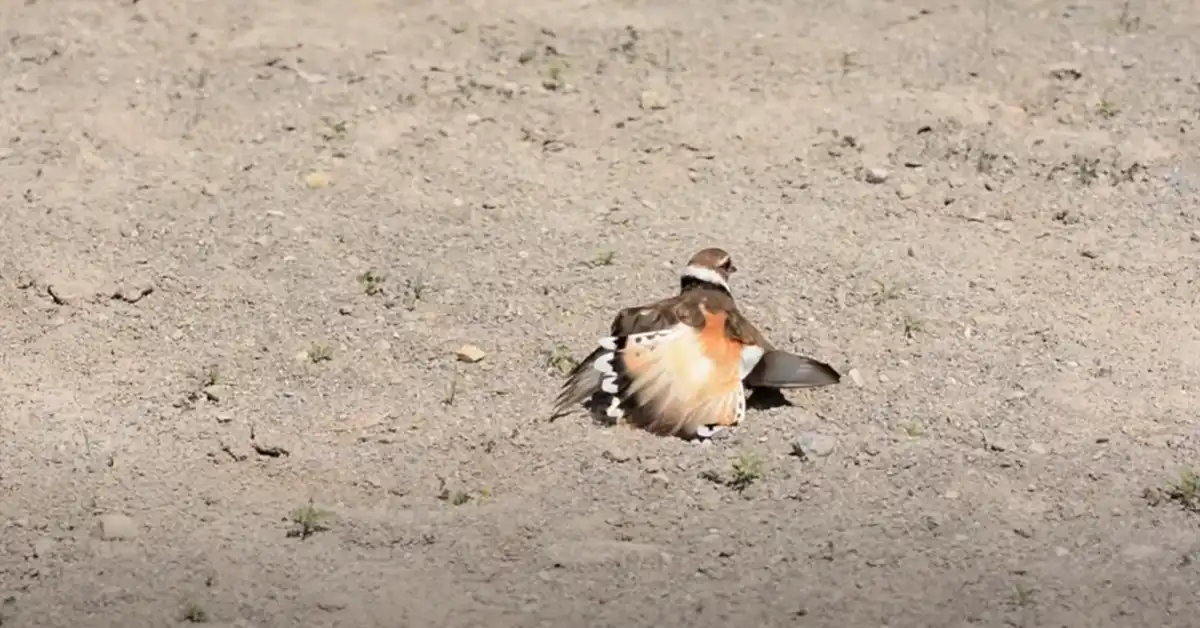
Credit: www.earthofbirds.com
Frequently Asked Questions
How Can I Tell If A Bird Wing Is Injured?
Look for signs like swelling, bleeding, drooping wing, or inability to fly. The bird may also show pain or distress.
What Immediate Steps Should I Take For A Bird’s Injured Wing?
Gently contain the bird in a safe, quiet box. Avoid moving the wing too much and keep the bird warm.
When Should I Seek Professional Help For An Injured Bird Wing?
If the wing is visibly broken, bleeding heavily, or the bird is in severe pain, contact a wildlife rehabilitator or vet immediately.
Can I Treat A Bird’s Wing Injury At Home?
Minor injuries can be stabilized at home briefly, but professional care is best for proper healing and recovery.
Conclusion
Caring for an injured bird wing takes patience and gentle care. Act quickly but stay calm to help the bird heal. Keep the bird safe and avoid loud noises or sudden moves. Clean wounds carefully and provide proper support to the wing.
Seek expert help if the injury seems severe or does not improve. Small steps make a big difference in recovery. Remember, kindness and attention give injured birds the best chance to fly again.




