
Have you ever wanted to attract colorful birds right to your backyard without spending a lot of money? Making bird feeders out of milk jugs is a simple, creative way to do just that.
Not only will you help feed your feathered friends, but you’ll also give new life to something you’d normally throw away. In this guide, you’ll discover easy steps to turn ordinary milk jugs into charming bird feeders that will brighten your outdoor space and bring nature closer to you.
Ready to get started? Let’s make your backyard a bird’s favorite spot!
Materials Needed
Before you start crafting your bird feeder, gathering the right materials is essential. The type of milk jug you choose can affect the feeder’s durability and how easy it is to clean. Along with the jug, you’ll need a few common supplies to transform it into a cozy spot for birds.
Choosing The Right Milk Jug
Pick a clean, empty plastic milk jug with a sturdy handle. Jugs made from high-density polyethylene (HDPE) are ideal because they are strong and weather-resistant. Avoid jugs that are cracked or brittle, as they might not hold up outside for long.
Consider the size of the jug too. A gallon jug offers plenty of space for seeds and birds, while a smaller one can be perfect for limited spaces or fewer birds. If you want your feeder to last through all seasons, thicker plastic jugs work best.
Additional Supplies
- Sharp scissors or a craft knife:For cutting openings where birds can access the food.
- Sandpaper:To smooth rough edges after cutting and prevent injuries to birds.
- Wooden spoons or small sticks:These act as perches for birds to land on.
- String or wire:To hang your feeder securely from a tree branch or hook.
- Non-toxic waterproof paint or markers:Optional, if you want to decorate your feeder and make it more visible.
Have you ever noticed how birds prefer certain feeders over others? Small details like smooth edges and sturdy perches can make a big difference. What materials do you already have at home that could make your project even easier?
Preparing The Milk Jug
Preparing the milk jug is the first important step to create a safe and effective bird feeder. The jug must be clean and ready to hold bird seeds. Cutting the right holes allows birds to reach the seeds easily. Taking time on these steps helps make a bird feeder that lasts.
Cleaning The Jug
Rinse the milk jug with warm water to remove milk residue. Use a mild dish soap to wash inside and outside thoroughly. Make sure to clean the cap and spout area well. Rinse the jug several times to remove all soap. Let the jug dry completely before moving on.
Cutting Feeding Holes
Choose a sharp knife or scissors for clean cuts. Mark the spots where birds can perch and eat comfortably. Cut holes about 1 to 2 inches wide. Make sure the holes are smooth without sharp edges. Create small perches below each hole using sticks or wooden dowels. Check that holes are big enough for seeds but small enough to keep seeds from spilling.
Creating Perches
Creating perches for your milk jug bird feeder lets birds rest comfortably while they eat. Perches add function and charm to the feeder. Birds need a stable spot to stand and feed safely. Choosing the right materials and attaching them firmly is important. This helps keep the feeder safe and inviting for birds.
Selecting Perch Materials
Choose materials that are strong and weather-resistant. Wooden dowels work well because they are sturdy and natural. Small branches from your yard can add a rustic touch. Plastic rods or metal wires are good options but may get slippery. Avoid thin sticks that can break easily. Smooth surfaces prevent bird feet injuries. Round shapes feel more natural for birds to grip.
Attaching Perches Securely
Drill small holes near the base of the milk jug for the perch. Insert the perch through the holes and check for tightness. Use waterproof glue or strong tape to hold the perch firmly. Make sure the perch is level and does not wobble. Avoid sharp edges around the holes to protect the birds. Test the perch by gently pressing on it. Secure attachments keep the perch safe during wind and rain.

Credit: www.youtube.com
Adding Birdseed
Adding birdseed to your milk jug feeder invites birds to visit your yard. Choose the right seeds to attract different bird species. Proper filling keeps seeds fresh and birds coming back. Simple care helps maintain your feeder’s usefulness for a long time.
Best Seeds For Different Birds
- Black-oil sunflower seeds:Loved by cardinals, chickadees, and finches.
- Nyjer (thistle) seeds:Perfect for small birds like goldfinches and siskins.
- Millet:Attracts sparrows, doves, and juncos.
- Peanuts:Great for woodpeckers, nuthatches, and titmice.
- Safflower seeds:Favored by cardinals and some finches, but ignored by squirrels.
Filling And Refilling Tips
- Fill the feeder carefully to avoid spilling seeds outside.
- Use a funnel or a small scoop for easy pouring.
- Refill often to keep food fresh and dry.
- Clean the feeder before refilling to prevent mold and bacteria.
- Place the feeder in a shaded spot to preserve seed quality.
- Check for leftover seeds and remove old ones regularly.
Hanging Your Feeder
Hanging your milk jug bird feeder correctly helps attract birds safely. Placement and secure hanging keep birds comfortable and food accessible. Let’s explore how to hang your feeder for the best results.
Choosing A Location
Pick a spot visible from windows for easy bird watching. Choose a place away from strong wind to protect the feeder. Avoid areas near busy roads or places with many predators. Look for a location near trees or shrubs for shelter. Ensure the feeder is high enough to keep birds safe from cats.
Using Hooks And Strings
Use strong hooks or strings to hang the feeder securely. Nylon string or thin rope works well and holds weight easily. Attach the string through the jug’s handle or holes made carefully. Use a sturdy tree branch or a metal hook on a porch. Check the string regularly and replace if it shows wear. Make sure the feeder hangs level to keep food inside.
Maintaining The Feeder
Regularly clean the milk jug feeder to keep birds healthy and prevent mold. Refill with fresh seeds and check for damage often. Simple upkeep ensures birds visit your feeder safely and happily.
Maintaining the Feeder Creating a bird feeder from a milk jug is just the beginning. To ensure it remains a safe and attractive place for birds, regular maintenance is key. Taking care of your feeder not only extends its lifespan but also protects your feathered visitors.
Regular Cleaning
Cleaning your milk jug feeder should be a weekly ritual. Birds can be messy eaters, often leaving behind seeds and other debris. Use warm, soapy water to scrub the feeder, ensuring all residues are removed. Rinse thoroughly and let it dry completely before refilling. This practice prevents the buildup of harmful bacteria and keeps the feeder inviting for birds.
Preventing Mold And Pests
Mold can be a silent enemy to both your feeder and the birds. Ensure the feeder is placed in a well-ventilated area to allow for quick drying after rain. If you notice any signs of mold, it’s crucial to clean the feeder immediately. Pests like ants or squirrels may also find your feeder appealing. Create a barrier with a mixture of vinegar and water, sprayed around the base, to deter these unwanted guests. Keeping the area clean and tidy will help maintain a peaceful feeding spot for your bird friends.
Creative Variations
Transform empty milk jugs into unique bird feeders by cutting different shapes and adding colorful decorations. Experiment with various designs to attract different bird species. Simple changes can create eye-catching feeders for your garden.
Creating bird feeders from milk jugs can be a fun, eco-friendly activity. With a touch of creativity, each feeder can become a unique garden ornament. You can explore various designs and decorations to suit your style. Let’s dive into some creative variations.
Decorating Your Feeder
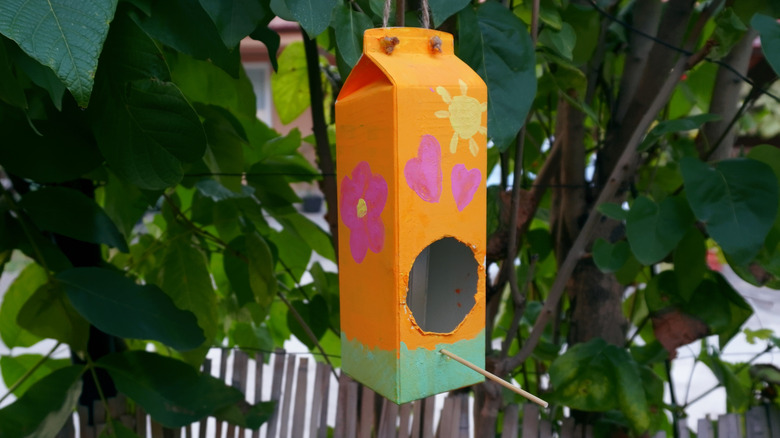
Turn your milk jug into a vibrant feeder. Use non-toxic paint to add colors and patterns. Consider painting flowers, leaves, or simple stripes. Stickers and decals can also add charm. Weather-resistant materials ensure your designs last longer. If you prefer a rustic look, use natural twine or rope. Wrap it around the jug for an earthy texture. Attach small, decorative elements like beads or bells. These decorations will make your feeder stand out.
Alternative Designs
Experiment with cutting different shapes into the milk jug. Create openings in various patterns for birds to perch. Use scissors or a crafting knife for precision. Make sure the openings are smooth to avoid harming birds. Consider adding a small perch below each opening. Wooden sticks or pencils work well for this. For a more elaborate design, create a multi-level feeder. Stack two or more jugs, cutting openings in each. Secure them with glue or string to ensure stability. These designs will attract various bird species to your garden.

Credit: happygardens.com
Credit: www.outdoorguide.com
Frequently Asked Questions
How Do I Clean Milk Jugs For Bird Feeders?
Rinse milk jugs thoroughly with warm, soapy water. Remove labels and dry completely to prevent mold. Clean jugs ensure safe feeding for birds.
What Materials Are Needed To Make A Milk Jug Bird Feeder?
You need an empty milk jug, scissors, string, and birdseed. Optionally, use paint for decoration. These basic supplies create a simple, eco-friendly feeder.
Where Should I Hang My Milk Jug Bird Feeder?
Hang feeders in quiet, shaded areas away from predators. Choose spots visible from windows for easy bird watching. Secure placement ensures bird safety and feeder stability.
How Often Should I Refill The Bird Feeder?
Refill feeders every 2-3 days or when empty. Regular refilling keeps birds coming back. Avoid overfilling to prevent mold and waste.
Conclusion
Making bird feeders from milk jugs is simple and fun. You save money and help the environment. Birds will visit your garden more often. It’s a great way to enjoy nature up close. You only need a few tools and a little time.
Try it today and watch the birds come. Everyone can do it, no special skills needed. Start giving birds a safe place to eat now.




