
Have you ever wondered if the beautiful songbirds you enjoy watching are at risk from bird flu? Understanding how this disease affects these tiny creatures is important—not just for their safety, but for your peace of mind.
If you care about protecting your backyard birds and want to know what signs to watch for, keep reading. This article will clear up common fears and give you the facts you need to keep your feathered friends safe.
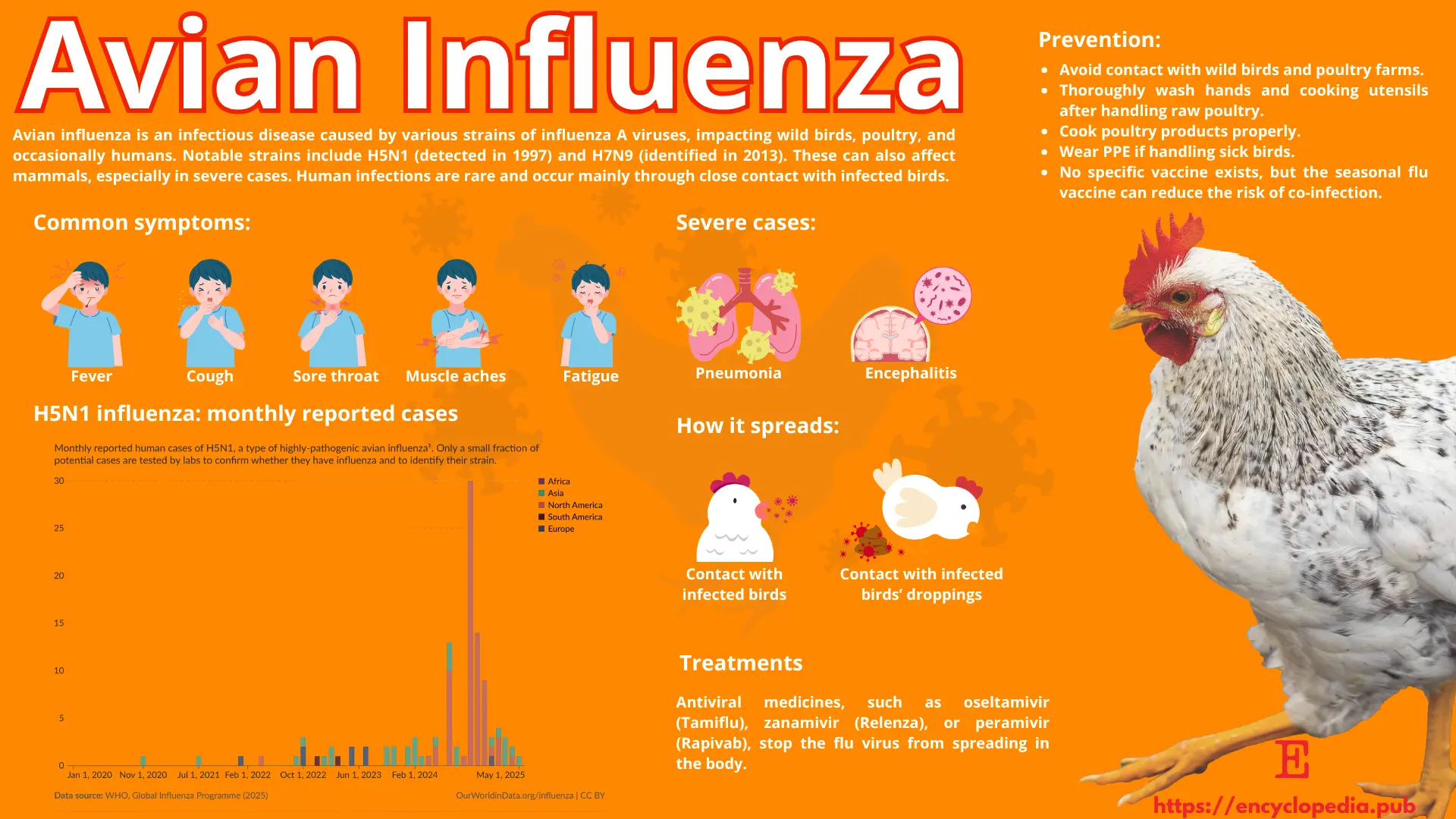
Credit: encyclopedia.pub
Bird Flu Basics
Understanding bird flu is important for anyone interested in wildlife health. This disease affects many types of birds, including wild and domestic species. Knowing the basics helps identify risks and protect songbirds.
What Is Bird Flu
Bird flu, also called avian influenza, is a virus that infects birds. It spreads easily among birds through saliva, nasal secretions, and droppings. The virus can cause mild to severe illness or death. Some strains also infect humans and other animals.
Common Bird Flu Strains
Several bird flu strains exist, but two types are most common:
- Low Pathogenic Avian Influenza (LPAI): Causes mild symptoms or no symptoms in birds.
- Highly Pathogenic Avian Influenza (HPAI): Causes severe illness and high death rates in birds.
H5N1 and H7N9 are well-known HPAI strains. These strains cause serious outbreaks worldwide.
Songbirds And Bird Flu
Songbirds add a splash of color and melody to our outdoor spaces. But have you ever wondered if these cheerful creatures can catch bird flu? Understanding how bird flu affects songbirds is important for anyone who loves feeding or watching wild birds. It helps you protect both your feathered friends and your family.
Susceptibility Of Songbirds
Songbirds can be vulnerable to bird flu, but the risk varies by species. Some types of bird flu viruses mainly infect waterfowl and poultry, while others have been found in songbirds too.
Research shows that smaller songbirds like sparrows and finches can carry certain bird flu strains without showing severe symptoms. However, this doesn’t mean they are completely safe or free from spreading the virus.
Have you noticed your backyard birds acting differently or disappearing suddenly? This could be a sign that bird flu might be affecting them.
Reported Cases In Songbirds
Cases of bird flu in songbirds are less common but have been reported in various parts of the world. For example, outbreaks in sparrows and starlings have been documented during some flu epidemics.
These reports often come from wildlife monitoring during larger bird flu events. Songbirds may get infected by contact with contaminated water, infected poultry, or other wild birds.
Knowing about these cases can help you take simple steps, like cleaning bird feeders regularly and avoiding overcrowding in your birdbath. Do you provide water or food for songbirds? If yes, keeping these areas clean is your best defense against spreading diseases.
Transmission Among Songbirds
Transmission among songbirds plays a key role in the spread of bird flu. Songbirds live close to each other, which helps the virus move quickly. Their habits and environments influence how the disease passes from one bird to another. Understanding this transmission helps protect both wild birds and nearby poultry.
How Bird Flu Spreads
Bird flu spreads mainly through direct contact. Songbirds catch the virus by touching infected birds or their droppings. The virus also spreads through contaminated food, water, and surfaces. Songbirds often gather at feeders, creating hotspots for infection.
- Close contact with infected birds
- Exposure to virus in droppings or saliva
- Contaminated water and food sources
- Shared resting places and nests
Role Of Migratory Patterns
Migratory songbirds travel long distances each year. They can carry the virus from one region to another. During migration, they stop at many places, increasing the risk of spreading bird flu. These patterns connect different bird populations and help the virus spread across countries.
- Long-distance travel spreads the virus widely
- Stopover sites act as virus exchange points
- Mixing of different bird species increases risk
- Seasonal movements affect virus transmission timing
Symptoms In Songbirds
Recognizing the symptoms of bird flu in songbirds is crucial for protecting your local feathered friends and preventing the spread of the disease. Songbirds may show subtle signs that can easily be overlooked, so staying alert is essential. Understanding these symptoms can help you act quickly and seek expert advice if needed.
Physical Signs
Songbirds infected with bird flu often display visible physical symptoms. You might notice:
- Swelling:Puffiness around the eyes, head, or neck is common.
- Feather condition:Feathers may appear ruffled, dirty, or unusually fluffed up.
- Discharge:Watery or crusty discharge from the eyes or beak can indicate infection.
- Respiratory distress:Labored breathing, coughing, or sneezing are warning signs.
If you spot a bird with these symptoms, consider how you can minimize contact and report the sighting to local wildlife authorities. Have you ever observed a songbird acting strangely but didn’t think much of it?
Behavioral Changes
Behavior shifts in songbirds can be just as telling as physical symptoms. An infected bird might:
- Become unusually lethargic or inactive.
- Show difficulty in flying or perching properly.
- Exhibit a lack of appetite or stop singing altogether.
- Isolate itself from other birds, which is uncommon for social species.
Noticing these changes early can make a difference in preventing further exposure. Think about your backyard birds—have you seen any of them acting out of character recently?
Impact On Songbird Populations
Bird flu can reduce songbird numbers by causing illness and death. This disease spreads quickly, threatening their survival in the wild. Protecting songbirds helps keep nature balanced and healthy.
The impact of bird flu on songbirds is a growing concern. Songbirds, cherished for their melodies, may face threats from this disease. Understanding how bird flu affects them is essential for conservation efforts.
Population Declines
Bird flu can cause serious health issues in songbirds. Infected birds may experience respiratory problems. This can lead to decreased survival rates. Young birds are particularly vulnerable. Outbreaks can result in fewer songbirds. This decline affects local bird populations significantly. Monitoring these changes is crucial for researchers and conservationists.
Ecosystem Consequences
Songbirds play a vital role in ecosystems. They help control insect populations. Many plants rely on them for seed dispersal. A decline in songbird numbers disrupts these natural processes. This can lead to an imbalance in local ecosystems. The absence of songbirds may increase pest numbers. This, in turn, affects plant health and growth. Protecting songbirds ensures a balanced and healthy environment.

Credit: www.greenegovernment.com
Preventing Bird Flu In Songbirds
Bird flu can infect songbirds, causing illness and spreading quickly. Keeping feeders clean and avoiding contact helps reduce risks. Watching for signs early protects these small birds.
Preventing Bird Flu in Songbirds Protecting songbirds from bird flu is important. Simple steps can help. Focus on their habitat and raising awareness. These actions can reduce the risk of infection. Let’s explore how to keep songbirds safe.
Habitat Management
Creating a clean environment helps. Regularly clean bird feeders and baths. This reduces germs and disease spread. Place feeders far from each other. This prevents crowding and disease transmission. Encourage natural spaces. Plant native trees and shrubs. Provide a natural food source. This keeps songbirds healthy. Avoid using harmful chemicals in these areas. Chemicals can weaken birds’ immune systems.
Public Awareness
Educate the community about bird flu risks. Share information through local workshops. Use flyers and posters in public places. Awareness can lead to proactive actions. Encourage reporting of sick birds. Prompt reporting helps control outbreaks. Local wildlife agencies can then investigate. Early detection is key in preventing disease spread. Collaborate with local schools. Teach children about bird health. Children can share this knowledge at home. Empowering the community is crucial for prevention.
Human Interaction And Risks
Human interaction plays a key role in the spread and impact of bird flu. Understanding the risks helps protect both people and songbirds. Close contact with infected birds can increase the chance of disease transmission. Awareness and careful actions reduce health dangers for bird lovers and the wider community.
Transmission To Humans
Bird flu mainly spreads among birds. Humans catch it through direct contact with sick or dead birds. The virus can enter through the eyes, nose, or mouth. Breathing in dust or droplets from bird droppings also poses a risk. Songbirds can carry the virus but rarely spread it directly to people. Most human infections come from poultry or wild waterfowl. Still, caution around all wild birds is important.
Precautions For Bird Enthusiasts
Take simple steps to stay safe around birds. Avoid touching sick or dead birds. Use gloves and wash hands well after any contact. Keep bird feeders and baths clean to reduce virus spread. Do not disturb wild bird nests or handle young birds. Report unusual bird deaths to local wildlife authorities. These actions help protect your health and preserve songbird populations.

Credit: agwaycapecod.com
Research And Monitoring
Research and monitoring are vital to understand how bird flu affects songbirds. Scientists study these birds to track virus spread and impact. Careful observation helps protect both wild birds and humans.
Ongoing Studies
Scientists conduct ongoing studies on songbirds to learn about bird flu. They test birds in different locations and seasons. These studies check if songbirds carry the virus without showing signs. Researchers also explore how the virus might spread among songbird populations.
Surveillance Programs
Surveillance programs collect data on bird flu cases in songbirds. These programs use birdwatchers, researchers, and wildlife officials to report sick or dead birds. Samples from birds are tested in labs to confirm infection. This monitoring helps detect outbreaks early and guides response efforts.
Frequently Asked Questions
Can Bird Flu Infect Common Songbirds?
Yes, bird flu can infect some songbird species. However, infection rates vary by virus strain and bird species. Songbirds are less commonly affected than waterfowl or poultry but can still carry and spread the virus.
What Are Bird Flu Symptoms In Songbirds?
Infected songbirds may show lethargy, ruffled feathers, and decreased appetite. Severe cases can cause respiratory distress or sudden death. Symptoms often vary depending on the virus strain and individual bird health.
How Does Bird Flu Spread Among Songbirds?
Bird flu spreads through direct contact with infected birds or contaminated surfaces. Songbirds can contract the virus by sharing water or food sources with infected birds. Migratory patterns also facilitate virus transmission across regions.
Can Bird Flu In Songbirds Affect Humans?
Transmission from songbirds to humans is extremely rare. Most bird flu infections in humans come from close contact with poultry or waterfowl. However, caution is advised when handling sick or dead wild birds.
Conclusion
Bird flu can affect songbirds, but risks vary by species and location. Watching bird health helps detect problems early. Keeping bird feeders clean lowers disease spread. Protecting songbirds supports nature’s balance and beauty. Stay aware of local bird flu updates and follow advice.
Healthy birds mean a healthy environment for all. Small actions make a big difference for songbird safety.




