
Are you wondering if you can place your hummingbird feeders alongside other bird feeders in your yard? It’s a common question for anyone who loves attracting a variety of birds.
You want to enjoy the colorful dance of hummingbirds without scaring off other feathered visitors. But is it safe or even a good idea? Keep reading, because understanding how different birds interact and how to set up your feeders right can make your backyard a buzzing haven for all your favorite birds.
You’ll discover simple tips that can help you create the perfect feeding station that keeps every bird happy and coming back for more.

Credit: www.birdwatchingdaily.com
Hummingbird Feeder Basics
Hummingbirds are tiny, colorful birds that bring life to any garden. Feeding them is simple but needs some care. Understanding hummingbird feeder basics helps attract these birds safely and happily. Choosing the right feeder and spot is key to their comfort and your enjoyment.
Types Of Hummingbird Feeders
Hummingbird feeders come in various styles to suit different needs.
- Tube feeders:Slim and long, often with multiple feeding ports.
- Bell feeders:Round shape, with feeding holes near the base.
- Window feeders:Stick to windows, offering close-up views.
- Perch feeders:Include small perches for hummingbirds to rest.
Choose feeders that are easy to clean and refill. Red colors attract hummingbirds best.
Choosing The Right Location
Place feeders where hummingbirds feel safe and comfortable.
- Near flowers or plants they like
- Shaded areas to keep nectar cool
- Visible spots for easy bird watching
- Away from strong winds and heavy foot traffic
Keep feeders at least 10 feet apart from other bird feeders. This reduces competition and stress.
Common Bird Feeder Types
Bird feeders come in many types, each designed for different birds and food. Knowing common feeder types helps you choose the right setup. Some feeders attract specific birds, while others invite a mix. Understanding these types makes feeding birds easier and more enjoyable.
Seed Feeders
Seed feeders are popular and easy to use. They hold various seeds like sunflower, millet, or mixed seed blends. These feeders attract finches, sparrows, and chickadees. They come in many styles, such as tube or hopper feeders. Seed feeders usually have small openings to keep seeds dry.
Suet Feeders
Suet feeders hold blocks of suet, a high-energy food made from animal fat. Woodpeckers, nuthatches, and wrens love suet. These feeders often have cages to protect the suet from larger birds. Suet feeders are great in cold weather when birds need extra energy. They help attract insect-eating birds to your yard.
Platform Feeders
Platform feeders are flat surfaces where you spread various foods. You can offer seeds, fruits, or even mealworms on these feeders. They attract many bird types, including doves, jays, and cardinals. Platform feeders allow birds to feed comfortably in groups. They need regular cleaning to keep food fresh and safe.
Mixing Feeders Safely
Mixing hummingbird feeders with other bird feeders can attract many bird species to your yard. Doing it safely helps prevent fights and keeps all birds happy. Birds have different behaviors and feeding styles. Careful setup reduces stress and competition among them.
Placement Tips To Avoid Conflicts
Place hummingbird feeders away from noisy feeders. Squirrel-proof and seed feeders often draw larger birds. These birds can scare hummingbirds. Keep feeders in quiet spots. Choose calm areas to let hummingbirds feed peacefully.
Use natural cover near hummingbird feeders. Shrubs or small trees offer protection. Hummingbirds feel safe when they can hide quickly. Avoid placing feeders near birdbaths crowded with bigger birds. This lowers chances of aggressive encounters.
Spacing And Height Considerations
Keep hummingbird feeders at least 10 feet from other feeders. This distance helps reduce competition. Larger birds rarely visit feeders far from their food source. It gives hummingbirds room to feed without interruption.
Hang hummingbird feeders between 4 to 6 feet high. This is the perfect height for easy access. Seed feeders should be higher or lower to avoid overlap. Different heights prevent feeding zones from mixing.
- Hummingbird feeders: 4 to 6 feet high
- Seed feeders: 6 to 8 feet high or on the ground
- Keep at least 10 feet between feeders
Attracting Different Bird Species
Attracting different bird species to your yard can be a rewarding experience. Each bird has unique preferences for food and feeding spots, so offering a variety of feeders can help you see a wider range of feathered visitors. But can hummingbird feeders coexist with other types of bird feeders? Understanding how to mix them effectively will boost your chances of welcoming more birds without causing competition or stress.
Feeder Types For Various Birds
Different birds prefer different feeder styles. Hummingbirds need feeders with small ports for nectar, while finches and chickadees like tube feeders filled with seeds. Ground feeders attract sparrows and doves, who prefer eating from trays or platform feeders.
Providing a mix of feeder types helps you attract more species without conflict. For instance, place your hummingbird feeder high and away from seed feeders to prevent larger birds from bullying the tiny hummers. You might notice cardinals favoring a hopper feeder while goldfinches flock to thistle-filled tube feeders.
Feeding Times And Bird Behavior
Birds have different peak feeding times, which you can use to your advantage. Hummingbirds are most active during early morning and late afternoon, while many seed-eaters feed steadily throughout the day. Watching your feeders can reveal these patterns and help you plan feeding schedules or feeder placements.
Have you ever noticed how aggressive some birds get over feeders? Separating hummingbird feeders from seed feeders reduces competition and stress for smaller species. This simple adjustment can keep your yard peaceful and welcoming for all visitors.
Preventing Feeder Issues
Placing hummingbird feeders near other bird feeders is possible but requires care. Ensure enough space to prevent territorial conflicts. Separate feeders by at least 10 feet to keep peace among birds.
Preventing Feeder Issues Placing hummingbird feeders alongside other bird feeders can create a lively backyard scene. However, it’s essential to address potential feeder issues that might arise. Proper maintenance and strategic placement can ensure a harmonious environment for all avian visitors.
Keeping Feeders Clean
Cleanliness is crucial for maintaining a healthy feeding station. Dirty feeders can harbor mold and bacteria, which are harmful to birds. Make it a habit to clean your hummingbird feeders weekly, using a solution of four parts water to one part vinegar. Remember to rinse thoroughly to remove any cleaning residue. For other bird feeders, a monthly cleaning schedule can suffice, depending on the weather and feeder activity. Regular cleaning not only protects bird health but also ensures your feeders stay inviting.
Avoiding Aggressive Bird Encounters
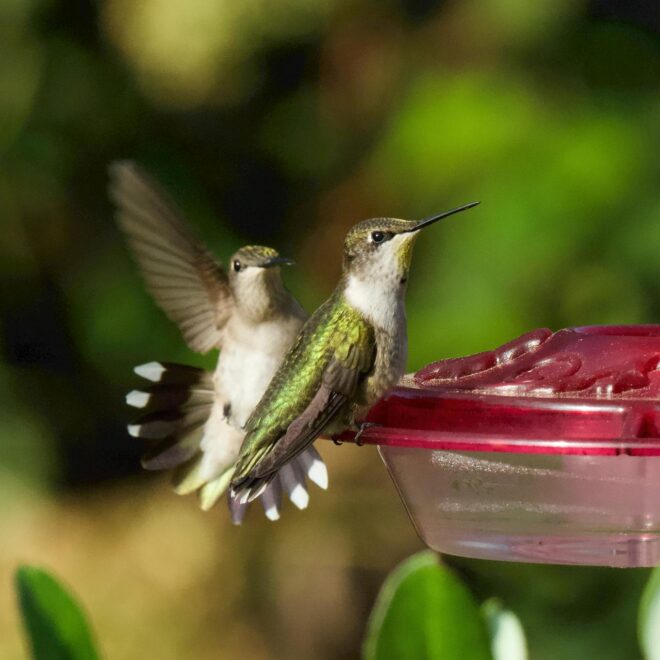
Birds can be territorial, and hummingbirds are no exception. To minimize aggressive encounters, space your feeders apart. This gives each bird its own area to feed and reduces competition. Consider placing your hummingbird feeder in a more secluded part of your yard. This can provide a peaceful spot for hummingbirds to feed away from larger, more aggressive birds. Have you ever noticed one bird chasing others away? Strategic feeder placement can help reduce this behavior. By being proactive, you can create a welcoming and peaceful atmosphere for both hummingbirds and other bird species.
Credit: www.birdwatchingdaily.com
Enhancing Your Bird Feeding Area
Enhancing your bird feeding area goes beyond just hanging feeders. Creating a welcoming environment helps attract a variety of birds and keeps them coming back. Small changes in your garden or yard can make a big difference in how birds interact with your feeders and the space around them.
Adding Native Plants
Native plants provide natural food sources and shelter for birds. They attract insects, which many bird species feed on, and offer safe places for nesting. You might notice more bird activity when you add shrubs, flowers, and trees that are local to your area.
Think about plants that bloom at different times of the year to ensure a steady supply of nectar and seeds. This also supports hummingbirds and other species throughout the seasons. Have you considered which native plants could thrive in your yard and bring more birds closer?
Water Sources For Birds
Birds need fresh water for drinking and bathing. Adding a birdbath or a small water feature encourages birds to visit more often. Make sure to keep the water clean and change it regularly to prevent mosquitoes and bacteria buildup.
Even a shallow dish with fresh water can make a huge difference. Position it near feeders but in a safe spot where birds feel protected from predators. How could you improve your yard’s water availability to support a healthy bird community?

Credit: www.hummingbirdsociety.org
Frequently Asked Questions
Can Hummingbird Feeders Be Placed Near Other Bird Feeders?
Yes, hummingbird feeders can be placed near other bird feeders. Keep them a few feet apart to avoid territorial disputes and cross-contamination. This setup attracts diverse bird species while ensuring hummingbirds feel safe and can access nectar easily.
Will Other Birds Steal Nectar From Hummingbird Feeders?
Some birds may try to access nectar, but most prefer seeds. To minimize stealing, use feeders designed specifically for hummingbirds with small feeding ports. Positioning feeders away from larger bird feeders also helps reduce nectar theft.
How Far Should Hummingbird Feeders Be From Other Feeders?
Place hummingbird feeders at least 5 to 10 feet from other bird feeders. This distance reduces competition and aggression between species. It also helps hummingbirds feel secure while feeding and prevents contamination between different food types.
Do Hummingbird Feeders Need Special Cleaning When Near Other Feeders?
Yes, clean hummingbird feeders at least twice a week, especially when near other feeders. Regular cleaning prevents mold and bacteria growth, ensuring nectar stays fresh and safe for hummingbirds. Other feeders should also be cleaned regularly to avoid disease spread.
Conclusion
Placing hummingbird feeders near other bird feeders can work well. Keep the hummingbird feeder clean and filled with fresh nectar. Avoid strong seeds or foods that attract aggressive birds nearby. Give hummingbirds space to feed without feeling threatened. Watch how birds behave and adjust feeder placement if needed.
This way, you enjoy many bird species safely in your yard. Your garden becomes lively and colorful with different birds visiting. Simple care helps hummingbirds thrive alongside other birds easily. Try it and see the beautiful moments unfold.




