
Are you ready to attract beautiful birds right to your yard? Knowing where to put bird feeders is the secret to creating a lively, colorful space filled with feathered visitors.
The right spot not only makes your bird feeders easy to see and enjoy but also keeps the birds safe and comfortable. You’ll discover simple, smart tips to choose perfect locations that will turn your outdoor space into a bird paradise.
Keep reading to find out how a small change can bring big joy to your days.
Choosing The Right Location
Choosing the right location for your bird feeder can make all the difference in attracting a variety of birds to your yard. The placement affects not only the safety of the birds but also how often you get to enjoy their visits. Thinking carefully about where to hang or place your feeder ensures a successful and enjoyable bird-watching experience.
Safe Distance From Predators
Birds need a safe spot to eat without worrying about predators like cats or hawks. Place feeders at least 10 feet away from places where predators can hide, such as bushes or fences. Avoid locations too close to windows to prevent collisions, but keep feeders visible enough so birds feel secure.
In my own yard, I moved the feeder further from a dense shrub where a neighborhood cat often prowled. The birds started visiting more frequently, clearly feeling safer.
Visibility For Birds
Birds prefer feeders that are easy to spot from the air or nearby trees. Position your feeder where birds can see it clearly, such as near tree branches or open spaces. This visibility helps them find food quickly and feel comfortable landing.
Try to avoid placing feeders in dark or heavily shaded areas. Bright, open spots encourage a wider variety of birds to visit.
Accessibility For Refilling
Choose a location where you can easily reach the feeder to refill and clean it. A spot that requires climbing ladders or moving heavy furniture might make you skip regular maintenance. Regular refilling keeps birds coming back, and cleaning prevents disease.
Think about a place close to your door or patio where you can quickly check the feeder without hassle. This convenience will keep your bird feeding routine enjoyable and consistent.
Credit: dengarden.com
Ideal Yard Areas
Choosing the right spot for bird feeders helps attract more birds. Birds need safe and comfortable places to eat. Picking ideal yard areas increases bird visits. These locations offer shelter, food, and water access.
Near Trees And Shrubs
Place feeders close to trees and shrubs for shelter. Birds use branches to rest and hide from predators. Plants offer shade and protection from bad weather. Trees also provide natural perches before and after feeding. Keep feeders near but not too close to avoid predators sneaking in.
Open Spaces
Open spaces let birds see danger clearly. Birds feel safer with a wide view around feeders. Avoid placing feeders too close to buildings or fences. Open areas make it easier for birds to land and take off. Ensure feeders are visible but still protected from strong winds.
Close To Water Sources
Birds need water for drinking and bathing. Place feeders near birdbaths, ponds, or fountains. Water nearby attracts more birds to your yard. It helps birds stay healthy and clean. Keep water fresh and free from debris to encourage visits.
Types Of Feeders And Placement
Choosing the right type of bird feeder and its placement helps attract various birds. Different feeders suit different bird species and environments. Proper placement keeps birds safe and encourages frequent visits.
Hanging Feeders
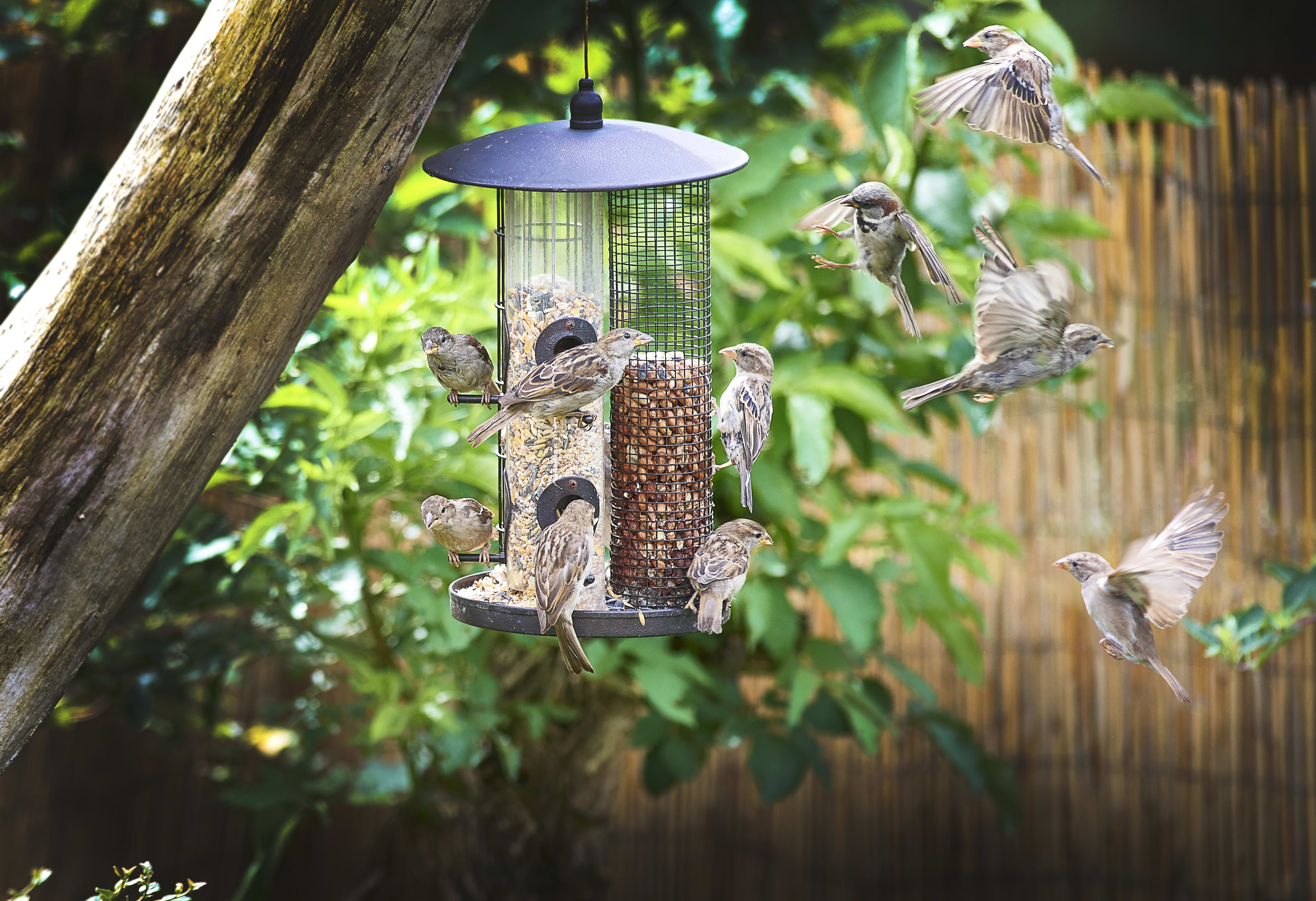
Hanging feeders hang from tree branches, poles, or hooks. They suit small to medium birds like finches and chickadees. Place them 5 to 6 feet above the ground to avoid predators. Keep them away from windows to prevent bird collisions. Hanging feeders work well in open spaces with some nearby cover.
Platform Feeders
Platform feeders are flat trays that sit on poles or decks. They attract a wide range of birds, including larger species. Place these feeders 3 to 5 feet off the ground. Add nearby shrubs or bushes for bird cover and protection. Clean platform feeders often to keep birds healthy. These feeders are ideal for ground-feeding birds.
Window Feeders
Window feeders attach directly to glass using suction cups. They offer close-up views of birds in your garden. Place window feeders at eye level for easy watching. Choose quiet areas to avoid startling birds. Use feeders with a sturdy design to support various bird sizes. Window feeders suit small birds and urban settings well.
Seasonal Placement Tips
Seasonal changes affect bird behavior and food availability, so adjusting your bird feeder placement throughout the year can make a big difference. Positioning feeders with the season in mind helps attract more birds and keeps them safe. Let’s look at where to put your feeders during different times of the year.
Winter Spot Choices
In winter, birds need easy access to food and shelter from harsh weather. Place feeders near evergreen trees or shrubs that provide cover from wind and predators.
Try to keep feeders away from open, icy patches where birds might struggle to land or take off. A spot near your home’s windows can let you enjoy birdwatching from inside while also offering some warmth nearby.
Spring And Summer Considerations
During spring and summer, birds are busy nesting and raising young, so they need fresh water and natural food sources too. Position feeders in shaded areas to prevent seeds from spoiling in the heat.
Think about placing feeders near flowering plants or fruit trees that attract insects and provide natural snacks. You might notice more species visiting when feeders are close to these natural habitats.
Fall Adjustments
Fall is a time when birds prepare for migration or winter, so they eat more to build energy. Move feeders closer to trees bearing nuts or berries to offer a mix of natural and supplemental food.
Clear away fallen leaves regularly to prevent mold and disease around feeding spots. Have you checked if your feeders are visible enough during the shorter days? Bright spots near open areas work well now.
Avoiding Common Mistakes
Placing bird feeders might seem simple, but small mistakes can make a big difference in attracting birds and keeping your yard clean and safe. Avoiding common errors ensures your feeders become a favorite spot for feathered visitors rather than a source of frustration. Let’s look at practical ways you can set up your feeders smartly.
Preventing Squirrel Access
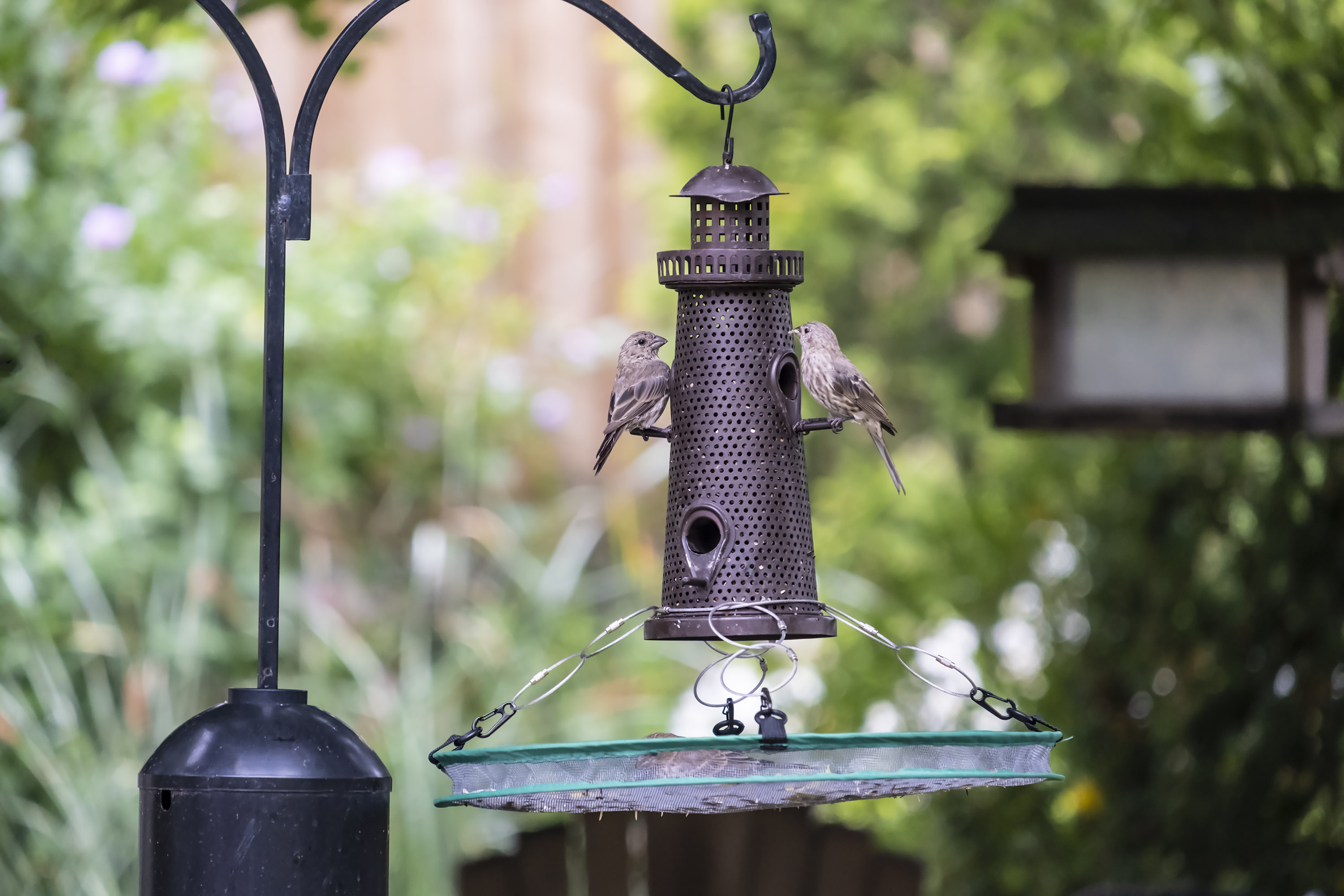
Squirrels are notorious for raiding bird feeders, often scaring birds away and wasting seed. To stop them, use squirrel baffles—these are barriers placed above or below feeders that block squirrels from climbing. Another trick is to hang feeders on thin, slippery wires or poles far from jumping points like trees or fences.
Have you noticed squirrels leaping from nearby branches to steal seeds? Trimming back branches around your feeder can reduce their access. Feeding squirrels separately with dedicated feeders can also keep them busy and less interested in your bird feeders.
Avoiding Messy Areas
Birdseed shells and droppings can quickly turn areas under feeders into a messy spot. Choose a location where cleanup is easy, such as over mulch, gravel, or grass rather than a patio or wooden deck. These surfaces absorb mess better and make maintenance less of a hassle.
Keep feeders away from walkways and play areas. You don’t want guests or kids stepping on seed shells or slipping on droppings. Placing a tray under feeders catches seed debris, making cleanup faster and protecting your yard’s appearance.
Proper Distance From Windows
Birds often fly fast and can collide with windows if feeders are too close or too far. Place feeders either very close (within 3 feet) to windows or far away (over 30 feet) to reduce the chance of collisions. Close feeders slow birds down before they hit glass, while distant feeders keep birds out of the danger zone.
Have you ever seen a bird hit your window? It’s heartbreaking and avoidable. You might also add window decals or screens near feeders to make glass more visible. Your careful feeder placement can save lives and keep your birdwatching peaceful.
Credit: dengarden.com
Enhancing Bird Comfort
Placing bird feeders in quiet, sheltered spots attracts more birds. Ensure they’re visible and near trees or bushes for safety. Keep them out of reach of predators and enjoy watching your feathered friends.
Enhancing Bird Comfort Creating a welcoming environment for birds in your backyard is all about the details. By focusing on enhancing their comfort, you encourage more birds to visit and stay longer. Let’s dive into practical ways to make your bird feeders a haven for our feathered friends.
Providing Shelter
Birds seek safety and protection from predators and harsh weather. Position your feeders near shrubs or trees to offer them a quick escape route. If natural shelter isn’t available, consider adding decorative elements like a small birdhouse or a canopy.
Using Multiple Feeders
Variety attracts different bird species, and multiple feeders can reduce competition. Place feeders at different heights and locations to cater to various bird preferences. You might be surprised to see how quickly your backyard transforms into a bustling bird community.
Maintaining Cleanliness
A clean feeder is essential for bird health. Regularly clean your feeders to prevent the spread of diseases. Consider using a mild soap and water solution, and ensure feeders are thoroughly dried before refilling. Is your bird feeder setup inviting enough? Small tweaks can make a big difference in bird comfort and enjoyment.

Credit: feedsnneeds.ca
Frequently Asked Questions
Where Is The Best Location To Hang Bird Feeders?
The best location is a quiet, sheltered spot near trees or shrubs. This provides birds with cover and safety from predators. Avoid placing feeders too close to windows to prevent bird collisions. A spot with good visibility for you to enjoy birdwatching is ideal.
How Far Should Bird Feeders Be From Windows?
Place bird feeders at least 3 feet away from windows to prevent collisions. Alternatively, position feeders 10-30 feet away if closer placement is not possible. This distance reduces the risk of birds flying directly into glass and helps keep them safe.
Can I Put Bird Feeders Near My Garden Plants?
Yes, placing feeders near garden plants attracts birds that help control pests naturally. It also provides birds with natural shelter and food variety. Ensure plants don’t block feeder access and keep the area clean to avoid mold or disease.
Should Bird Feeders Be Placed In Sunny Or Shady Areas?
A partly shaded location is best for bird feeders. Sun helps keep seed dry, while shade prevents overheating and spoilage. This balance ensures fresh food and comfortable feeding conditions for birds throughout the day.
Conclusion
Placing bird feeders in the right spots helps birds feel safe and welcome. Choose locations near trees or bushes for shelter. Keep feeders away from busy areas or predators. Clean feeders often to keep birds healthy. Watching birds up close brings joy and peace.
Small changes in feeder placement make a big difference. Start with these tips and enjoy nature’s visitors every day.




