
If you love watching colorful songbirds flutter around your yard, you know the joy they bring. But have you ever wondered what type of bird seed will attract the most beautiful and lively songbirds to your feeder?
Choosing the right seed is the key to turning your outdoor space into a bird paradise. You’ll discover simple secrets to pick the perfect bird seed that will have songbirds singing just for you. Keep reading, and soon your garden will be filled with the cheerful sounds and sights of nature’s finest performers.
Credit: www.kaytee.com
Popular Songbird Species
Popular songbird species bring vibrant colors and cheerful sounds to gardens. Knowing which birds visit helps choose the right seed. Different birds prefer different types of food. Understanding these preferences attracts more visitors to feeders and yards.
Common Backyard Visitors
Many songbirds are common in backyards across the country. Some of the most frequent visitors include:
- American Goldfinch
- House Finch
- Chickadee
- Cardinal
- Tufted Titmouse
- Dark-eyed Junco
- Blue Jay
These birds are easy to spot and enjoy a variety of seeds. Each species has unique habits and colors. Watching them can be a relaxing and joyful experience.
Songbird Feeding Preferences
Songbirds choose seeds based on size, shell hardness, and taste. Black oil sunflower seeds rank highest in popularity. They suit many species because of their thin shells and high oil content.
Other popular seeds include:
- Safflower seeds – liked by cardinals and titmice
- Milo (sorghum) – attracts doves and sparrows
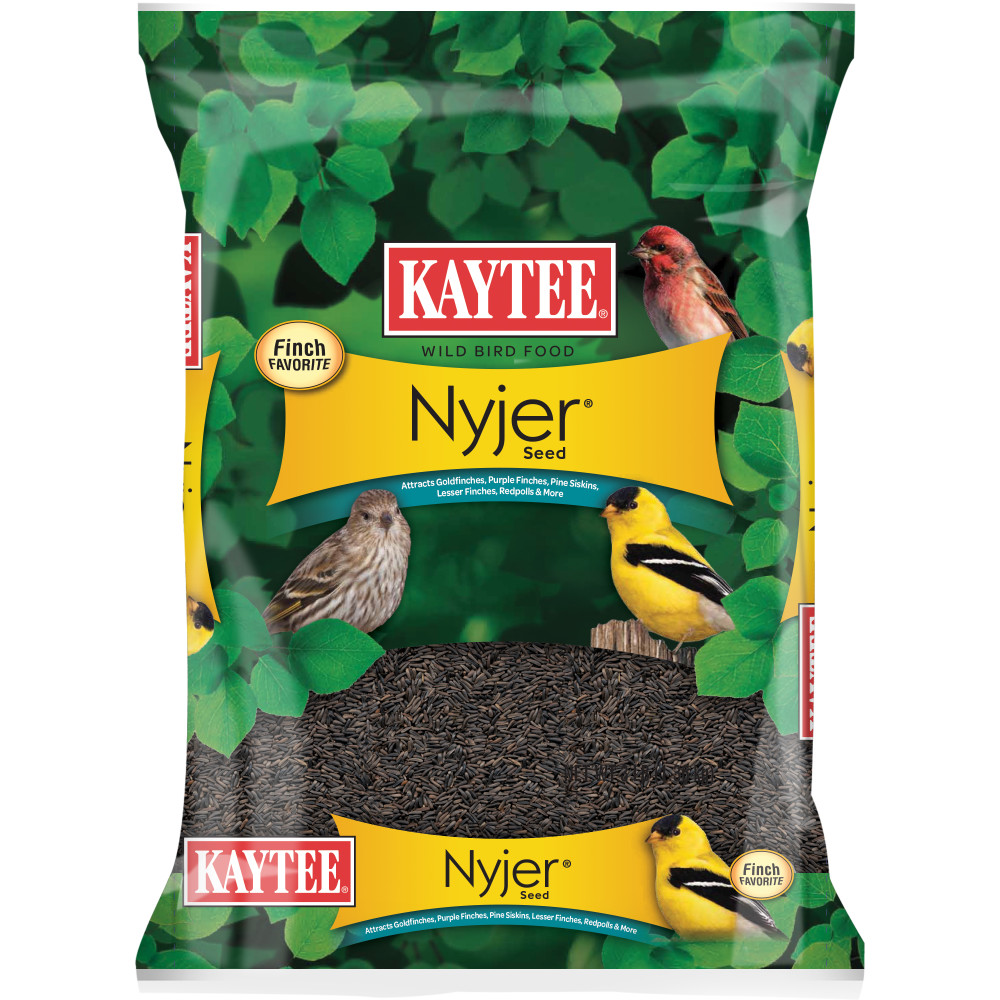
- Nyjer (thistle) – preferred by finches
- Peanuts – enjoyed by jays and woodpeckers
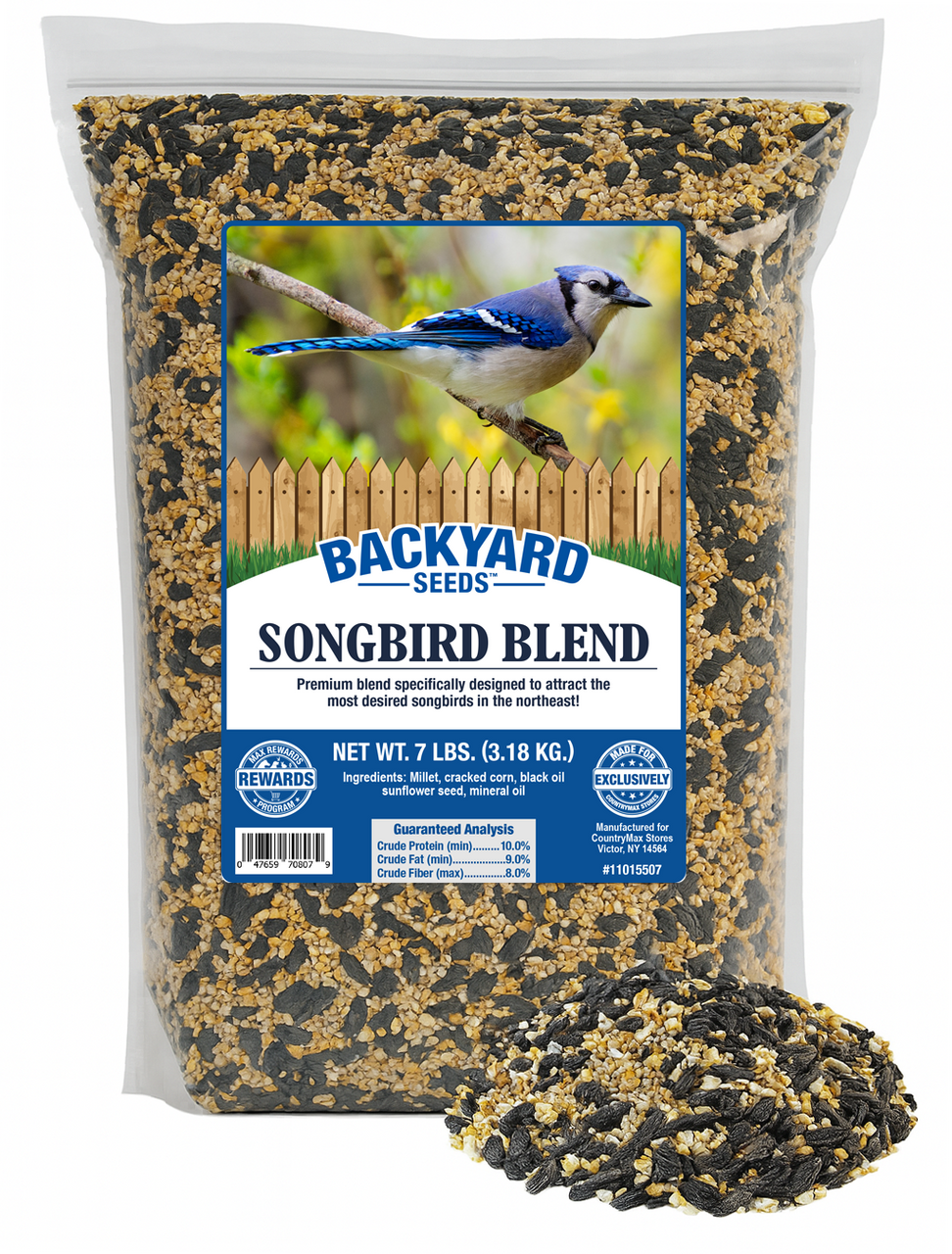
Mixing seeds can attract a wider range of birds. Avoid cheap seed mixes with fillers like red millet, which few songbirds eat. Fresh, high-quality seed ensures happy visitors and fewer waste piles under feeders.
Credit: www.countrymax.com
Best Seeds For Songbirds
If you want to attract vibrant songbirds to your yard, choosing the right type of seed is crucial. Different seeds appeal to different bird species, so knowing which ones work best can make your bird feeder a hotspot for feathered visitors. Below are some of the best seeds to help you welcome a variety of songbirds.
Black Oil Sunflower Seeds
Black oil sunflower seeds are a favorite among many songbirds because of their thin shells and high oil content. Birds like cardinals, chickadees, and finches find these seeds easy to crack open and highly nutritious. You’ll notice more activity around your feeder when you offer black oil sunflower seeds, as they attract a wide range of species.
Nyjer Seeds
Nyjer seeds are tiny but pack a punch in attracting finches such as goldfinches and redpolls. These seeds require a special feeder with small holes, but the effort is worth it if you want to see vibrant finch flocks. Have you tried placing nyjer seeds in different spots? Sometimes, a little experimentation reveals where your finch friends prefer to feed.
Safflower Seeds
Safflower seeds are less popular with squirrels but loved by cardinals and grosbeaks. Their tough shells help keep unwanted guests away, making them a smart choice if you want to focus on songbirds. Including safflower seeds in your mix can help you enjoy beautiful birds without the distraction of other critters.
Millet And Cracked Corn
Millet and cracked corn attract ground-feeding songbirds like sparrows, doves, and juncos. These seeds are great if you want to diversify the types of birds visiting your yard. Spread them on the ground or use a platform feeder to invite these charming birds to your outdoor space.
Seed Mixes And Blends
Seed mixes and blends offer a convenient way to attract a variety of songbirds. They combine different seeds to meet the needs of many bird species. Choosing the right mix can bring colorful birds to your yard and keep them coming back. Understanding the options helps create a welcoming environment for songbirds.
Choosing Quality Mixes
Quality seed mixes contain fresh, clean seeds without fillers. Seeds like black oil sunflower, millet, and nyjer are popular in good blends. Avoid mixes with too many cheap fillers such as red millet or wheat. These fillers often attract unwanted birds and waste your money. Look for mixes labeled for songbirds or wild birds. Check the packaging date to ensure freshness. Fresh seeds attract more birds and stay nutritious longer.
Tailoring Mixes For Specific Birds
Different songbirds prefer different seeds. Customizing your mix can attract the birds you want most. For example:
- Finches and chickadees:Nyjer and sunflower seeds are favorites.
- Sparrows and doves:Millet and cracked corn work well.
- Cardinals and grosbeaks:Sunflower hearts and safflower seeds attract them.
Mix seeds based on local bird species and seasons. Changing blends through the year can keep birds visiting. Offer variety to meet the tastes of many songbirds in your area.
Feeding Tips For Songbirds
Feeding songbirds is a rewarding activity that brings nature closer to your home. Choosing the right seed is important, but how you feed them matters too. Proper feeding habits help keep birds healthy and encourage them to return often.
Feeder Types And Placement
Different birds prefer different feeders. Tube feeders attract small songbirds like finches and chickadees. Platform feeders work well for larger birds such as cardinals and jays. Suet feeders provide energy-rich food in colder months.
Place feeders in quiet areas away from heavy traffic. Near shrubs or trees offers shelter and cover for birds. Keep feeders high enough to avoid cats and other predators. A spot with some sunlight helps keep seed dry and fresh.
Maintaining Freshness And Cleanliness
Fresh seed attracts more birds and prevents disease. Change seed every few days, especially in warm weather. Remove moldy or wet seed immediately to avoid harm.
Clean feeders regularly using hot water and mild soap. Rinse well and dry completely before refilling. Clean surroundings by removing fallen seed and bird droppings. This reduces pests and keeps birds safe.
Seasonal Seed Choices
Choosing the right bird seed changes with the seasons. Different seeds attract different songbirds throughout the year. Offering seasonal seed options helps keep your feeder busy and lively. Birds’ food needs shift with weather and migration patterns. Adjusting seed types invites a variety of colorful songbirds to your yard.
Spring And Summer Options
Spring and summer bring many songbirds back to your area. They need seeds that provide energy for nesting and raising chicks. Black oil sunflower seeds are a top choice. They have thin shells and high oil content. White proso millet also works well, especially for ground feeders. Nyjer seed attracts finches like goldfinches and siskins. These seeds support active birds during breeding season.
- Black oil sunflower seeds
- White proso millet
- Nyjer seed
Fall And Winter Favorites
Fall and winter bring colder weather and fewer natural food sources. Birds need high-fat seeds to stay warm and maintain energy. Sunflower seeds remain popular, especially striped sunflower seeds with thicker shells. Safflower seeds offer good nutrition and deter squirrels. Cracked corn attracts larger birds like jays and doves. These seeds help birds survive harsh conditions and prepare for migration.
- Striped sunflower seeds
- Safflower seeds
- Cracked corn

Credit: www.amazon.com
Avoiding Unwanted Visitors
Selecting the right bird seed draws songbirds while keeping unwanted visitors away. Opt for seeds like sunflower hearts, nyjer, and millet. These attract colorful songbirds while deterring pests.
Attracting songbirds to your backyard is a delightful pursuit, but it often comes with a challenge—unwanted visitors. Squirrels, larger birds, and even some rodents can swoop in, gobbling up bird seed meant for your melodious guests. But fear not, with the right approach, you can keep these critters at bay.
Seeds That Deter Pests
Certain types of bird seeds are less appealing to pests. Safflower seeds are a great choice for this purpose. While songbirds like cardinals and chickadees enjoy them, squirrels and larger birds often find them unpalatable. Consider mixing safflower seeds with other types, like black oil sunflower seeds, to attract a variety of songbirds while keeping unwanted visitors away. Nyjer seeds, loved by finches, are tiny and less likely to attract larger birds or squirrels due to their size and taste.
Feeder Design To Limit Squirrels And Larger Birds
Feeder design plays a crucial role in attracting the right visitors. Invest in squirrel-proof feeders with weight-sensitive mechanisms that close access to seed when heavier animals try to feed. Tube feeders with small perches can also be effective, as they deter larger birds that need more space to land and feed. Place feeders away from trees and structures that squirrels can use as launching pads. Could a few simple changes transform your backyard into a songbird haven? With the right seeds and feeder designs, you can enjoy the cheerful tunes of songbirds without the interruption of uninvited guests.
Frequently Asked Questions
What Type Of Bird Seed Attracts The Most Songbirds?
Black oil sunflower seeds attract the most songbirds. They have thin shells, making them easy to crack. These seeds appeal to many species, including finches and chickadees. Using black oil sunflower seeds increases your chances of attracting diverse songbirds.
Can Mixed Bird Seed Attract More Songbird Species?
Yes, mixed bird seed attracts more songbird species. It contains various seeds like millet, sunflower, and cracked corn. Different birds prefer different seeds, so mixes cater to diverse tastes. Offering mixed seed can bring a wider variety of songbirds to your feeder.
Are Nyjer Seeds Good For Attracting Finches?
Nyjer seeds are excellent for attracting finches. They are tiny, oily seeds favored by finches like goldfinches and siskins. Nyjer requires special feeders with small holes to prevent seed loss. Using nyjer seeds is effective for drawing finches to your yard.
Should I Avoid Certain Seeds For Songbird Feeding?
Yes, avoid seeds like wheat and red millet for songbirds. These seeds have hard shells and less nutritional value. Many songbirds find them less appealing. Sticking to sunflower, nyjer, and millet seeds ensures better attraction and bird health.
Conclusion
Choosing the right bird seed brings songbirds to your yard. Black oil sunflower seeds attract many common songbirds. Nyjer seed is perfect for finches and small birds. Offer a variety to invite different species. Keep feeders clean and fresh for healthy birds.
Watching birds brings joy and peaceful moments. Start feeding today and enjoy nature’s music nearby.




