
Have you ever paused to listen to the beautiful melodies filling the air around you? Those captivating tunes come from a special group of birds known as songbirds.
But what kind of birds are songbirds exactly? Understanding who these feathered musicians are can change the way you experience nature every day. You’ll discover the unique traits that make songbirds stand out, why their songs matter, and how to spot them wherever you go.
Get ready to see—and hear—the world of birds in a whole new way.

Credit: www.allaboutbirds.org
Songbird Families
Songbirds belong to a large group of birds known for their beautiful songs. They are part of the order Passeriformes and include many families. These families vary in size, shape, color, and song style. Understanding songbird families helps identify different types of birds and their habits. Many songbirds are familiar backyard visitors, while others live in forests or grasslands.
Common Songbird Groups
Songbirds belong to several key families. Each family has unique traits and song styles. Some common groups include:
- Thrushes:Known for clear, melodious songs. Examples: American Robin, Wood Thrush.
- Warblers:Small, active birds with fast, high-pitched songs. Examples: Yellow Warbler, Black-throated Green Warbler.
- Finches:Seed-eaters with sweet, varied songs. Examples: House Finch, Goldfinch.
- Wrens:Tiny birds with loud, complex songs. Examples: Carolina Wren, Bewick’s Wren.
- Sparrows:Often have simple, repetitive songs. Examples: Song Sparrow, White-throated Sparrow.
Geographic Distribution
Songbird families live all over the world. They adapt to different climates and habitats. Many families thrive in North America, Europe, Asia, and Africa. Tropical areas have the highest diversity of songbirds. Forests, wetlands, and grasslands provide homes for many species. Some songbirds migrate long distances to breed or find food. Others stay in one area year-round.

Credit: www.capradio.org
Distinctive Features
Songbirds stand out in the bird world because of their unique traits that make them fascinating to watch and listen to. Their distinctive features go beyond just their pretty melodies. Understanding these traits helps you appreciate why they occupy such a special place in nature.
Vocal Abilities
Songbirds have an impressive ability to produce complex sounds. Their syrinx, a vocal organ located where the trachea splits into the lungs, allows them to create a wide range of notes and melodies.
Many species use their songs to mark territory, attract mates, or communicate danger. Some can even mimic other sounds, including human-made noises, which shows their adaptability.
Have you ever paused to listen carefully to a bird’s song and noticed how the tune changes throughout the day? This variation often reflects different messages or moods.
Physical Characteristics
Physically, songbirds tend to be small to medium-sized with slender bodies. Their feet are adapted for perching, featuring three toes pointing forward and one backward, giving them a strong grip on branches.
Most have sharp, pointed bills suited for eating insects, seeds, or fruit, depending on their diet. Their feathers often display bright colors or patterns that can help with camouflage or attracting partners.
When you spot a bird flitting among branches with quick, precise movements and a melodic song, chances are it’s a songbird showing off its distinctive features.
Behavioral Traits
Songbirds show many interesting behaviors. Their actions help them survive and thrive. These behaviors include how they sing and protect their space. Each trait plays a key role in their daily life.
Mating Calls And Songs
Male songbirds use songs to attract mates. Their calls vary in tone and length. Each song is unique to the species. These songs show strength and health to females. Singing also helps males stand out among rivals.
Songbirds learn their calls by listening. Young birds practice to match the adult songs. This learning helps keep the species’ songs alive. Songs can change slightly over time within a group.
Territorial Habits
Songbirds are very protective of their territory. They use songs to mark their area. Singing warns other males to stay away. They may also use visual displays to defend space.
Territories provide food and nesting spots. Birds often patrol their boundaries daily. Fights happen if another bird enters. Strong territory holders have better chances to reproduce.
Habitat Preferences
Songbirds choose their habitats carefully to meet their needs for food, shelter, and nesting. Their preferences vary widely, reflecting the diversity of species within this group. Understanding where these birds thrive can help you spot them more easily and appreciate their role in different environments.
Forest Dwellers
Many songbirds favor dense forests where trees offer abundant food and safe nesting spots. Species like the wood thrush and various warblers rely on the thick canopy and understory for protection and insects.
Have you noticed how the sounds change as you walk deeper into the woods? That’s often where these birds sing the loudest and most complex songs. Forest habitats provide a quiet stage for their vocal performances, away from the noise of open areas.
- Prefer mature trees and dense foliage
- Feed on insects, berries, and seeds found in forests
- Build nests high in trees or hidden in shrubs
Urban Songbirds
Some songbirds have adapted remarkably well to city life, making urban parks, gardens, and even rooftops their homes. Species like house sparrows and northern cardinals show how flexible songbirds can be.
Have you ever paused to listen to birdsong amidst the city noise? Urban songbirds often sing at higher pitches or during quieter times of day to be heard. Their presence brings a touch of nature into your daily routine, even in busy places.
- Use human-made structures for nesting
- Feed on food scraps, insects, and planted flowers
- Adapt songs to cut through background noise
Role In Ecosystems
Songbirds, known for their melodic tunes, play vital roles in ecosystems. They control insect populations, aiding plant health. Through seed dispersal, they contribute to forest growth and diversity.
Songbirds are more than just nature’s musicians. They play a vital role in maintaining the balance of our ecosystems. Their daily activities contribute significantly to various ecological processes that benefit other species, including humans. Have you ever wondered how these small creatures impact the world around us?
Pollination And Seed Dispersal
Songbirds are essential agents of pollination and seed dispersal. As they flit from flower to flower in search of nectar, they inadvertently transfer pollen, aiding in plant reproduction. Some songbirds, like the honeyeaters, are particularly adept at this task. When it comes to seed dispersal, songbirds often consume fruits and later deposit the seeds elsewhere, promoting plant diversity. This natural process helps forests regenerate and supports biodiversity. Next time you enjoy a lush forest walk, remember the small birds that helped shape that landscape.
Pest Control
Songbirds also play a crucial role in controlling pest populations. They feed on insects that could otherwise wreak havoc on crops and gardens. Think of them as nature’s pest control team, working tirelessly to maintain ecological balance. For gardeners and farmers, having a healthy songbird population can reduce the need for chemical pesticides. Encouraging these birds to visit your garden by providing feeders or nesting sites can be a simple yet effective way to protect your plants naturally. Have you noticed fewer pests in gardens where birds are frequent visitors?
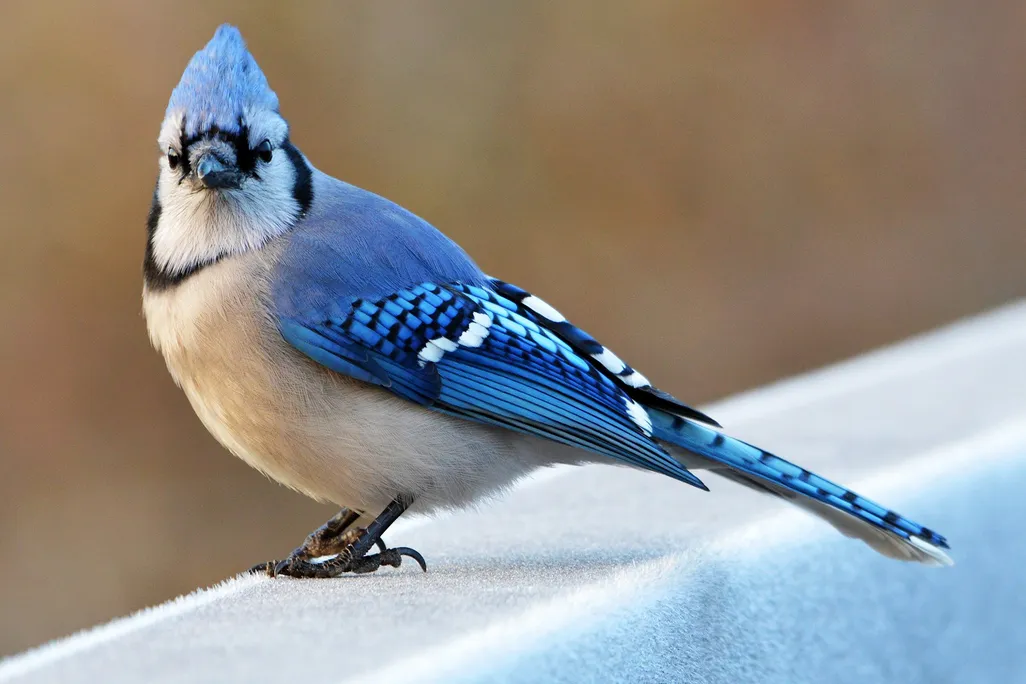
Credit: www.smithsonianmag.com
Conservation Status
Songbirds, with their melodious tunes, face a variety of challenges that affect their survival. Understanding their conservation status helps you see the risks these birds face and the steps being taken to protect them. Your awareness can make a difference in preserving these beautiful creatures for future generations.
Threats To Songbirds
Songbirds encounter many dangers in the wild. Habitat loss is a major issue as forests and grasslands are cleared for farming and urban development.
Pollution also harms their health and food sources. Chemicals and plastic waste can poison birds or reduce the insects and plants they rely on.
Predators like domestic cats and invasive species add extra pressure. Even changes in climate disrupt migration patterns and breeding cycles.
Conservation Efforts
People around the world work hard to protect songbirds. Creating and preserving natural habitats helps provide safe places for nesting and feeding.
Many organizations run bird monitoring programs. These efforts track population changes and guide conservation actions.
You can help by planting native trees, reducing pesticide use, and supporting local wildlife groups. Have you noticed songbirds in your area? Taking small actions can have a big impact on their survival.
Frequently Asked Questions
What Defines A Bird As A Songbird?
Songbirds belong to the suborder Passeri. They have specialized vocal organs for complex songs. These birds use songs for communication and mating.
Which Birds Are The Most Common Songbirds?
Common songbirds include robins, sparrows, and finches. They are found worldwide in various habitats. Their songs vary widely in tone and complexity.
How Do Songbirds Produce Their Melodies?
Songbirds use a syrinx, a vocal organ, to create sounds. They control muscles to produce diverse notes. This allows them to sing complex and varied melodies.
Why Do Songbirds Sing So Much?
Songbirds sing to attract mates and mark territory. Singing helps them communicate with other birds. It also plays a role in social bonding.
Conclusion
Songbirds are a special group of birds known for their beautiful songs. They live in many places around the world. These birds use their songs to find mates and protect their homes. Many people enjoy listening to their melodies every day.
Learning about songbirds helps us appreciate nature more. Their songs bring peace and joy to many hearts. Watching and hearing them can be a simple, happy experience. Songbirds remind us how nature shares its beauty through sound.




