
Are you struggling to capture the perfect shot of a bird in flight? Choosing the best camera for bird photography can make all the difference between blurry, distant images and stunning, close-up photos full of detail.
Whether you’re a beginner or looking to upgrade your gear, finding the right camera tailored to your needs will help you see your bird photos come to life. Keep reading, and you’ll discover exactly what features to look for and which cameras deliver the sharpness, speed, and clarity you need to take your bird photography to the next level.

Credit: www.nickdalephotography.com
Key Features For Bird Cameras
Choosing the right camera for bird photography means focusing on specific features. Birds move fast and often appear in tricky light. Your camera must capture sharp, clear images quickly and reliably. Understanding key features helps pick a camera suited for this unique task.
Sensor Size And Resolution
Sensor size affects image quality and detail. Larger sensors capture more light and produce clearer photos. Full-frame sensors often perform better in low light. Resolution matters too. Higher megapixels provide sharper details and allow cropping without losing quality.
Autofocus Speed And Accuracy
Birds move quickly. Autofocus must be fast and precise to catch them in action. Cameras with advanced autofocus systems track moving subjects smoothly. Look for models with many focus points and good subject tracking features.
Lens Compatibility
Long lenses are essential for bird photography. Your camera should support telephoto lenses easily. Check lens options and availability. Good lenses help capture distant birds with sharp focus and rich detail.
Image Stabilization
Image stabilization reduces blur from hand shake. It is crucial when using heavy telephoto lenses. Cameras with built-in stabilization help keep images sharp. This feature improves photo quality during handheld shooting.
Weather Sealing
Bird photography often happens outdoors in tough conditions. Cameras with weather sealing resist dust, moisture, and rain. This protection helps your gear last longer and perform well in nature.
Burst Mode And Frame Rate
Burst mode lets you take many photos quickly. High frame rates increase chances of capturing the perfect moment. Look for cameras that shoot multiple frames per second smoothly. This feature is vital for fast-moving birds.
Credit: shreyas-yadav.com
Top Cameras For Bird Photography
Choosing the right camera is crucial for capturing sharp, vibrant images of birds in action. Your gear can make a significant difference in how easily you snap those fleeting moments. Let’s look at some top cameras that cater specifically to bird photographers, covering DSLR, mirrorless, and compact options.
Best Dslr Cameras
DSLRs remain favorites among bird photographers for their durability and extensive lens options. The Canon EOS-1D X Mark III offers fast autofocus and excellent low-light performance, perfect for early morning or late evening shoots. Nikon’s D500 stands out with its high frame rate and rugged build, allowing you to track fast-moving birds without missing a shot.
Why choose a DSLR? You get an optical viewfinder, which can be easier on your eyes during long shoots. Plus, DSLRs often have longer battery life, so you won’t worry about running out of power in the field.
Best Mirrorless Cameras
Mirrorless cameras have grown popular for their compact size and advanced technology. The Sony A9 II impresses with its silent shooting mode and incredibly fast autofocus, reducing disturbance to wildlife. Fujifilm X-T4 combines high-quality images with impressive video capabilities if you want to capture bird behavior in motion.
Mirrorless cameras usually offer faster live view and better video features compared to DSLRs. They also tend to be lighter, which helps when you’re hiking to remote birdwatching spots.
Best Compact Cameras
If you prefer something small and easy to carry, compact cameras with zoom lenses can still deliver great results. The Sony RX10 IV features a powerful 24-600mm equivalent lens, letting you get close-up shots without changing lenses. Panasonic Lumix FZ1000 II offers good image quality and manual controls in a pocket-friendly body.
Compact cameras are perfect when you want to travel light or don’t want to carry bulky gear. They’re also great for beginners who want to try bird photography without a big investment.
Lens Recommendations For Birds
Choosing the right lens is as important as picking the best camera for bird photography. Your lens determines how close you can get to your subject without disturbing it and how sharp your images will be. Understanding lens options helps you capture stunning bird photos with vibrant detail and clarity.
Telephoto Lenses
Telephoto lenses are essential for bird photography because birds are often far away and easily spooked. These lenses let you zoom in close while staying at a respectful distance. Lenses with focal lengths of 300mm and above are commonly preferred.
Using a 400mm or 600mm lens can bring you detailed shots of birds in flight or perched high in trees. However, longer lenses can be heavy and may require a tripod or monopod for stability. Have you tested how comfortable you are carrying a big lens during long shoots?
Zoom Vs Prime Lenses
Zoom lenses offer flexibility by covering a range of focal lengths, so you can quickly adjust framing without changing lenses. They’re great when birds move unpredictably or when you’re in varied environments.
Prime lenses, on the other hand, have a fixed focal length but often provide sharper images and wider apertures. This means better performance in low light and more background blur, which isolates your bird from distractions.
Think about your shooting style: do you prefer the convenience of zoom or the sharpness of prime? Many photographers carry both to maximize their options.
Recommended Lens Brands
Several brands stand out for producing quality lenses suited for bird photography. Canon and Nikon offer excellent telephoto zooms and primes with reliable autofocus, crucial for capturing fast-moving birds.
Sony’s mirrorless lens lineup is gaining popularity, especially for its lightweight design and advanced image stabilization. Sigma and Tamron provide cost-effective alternatives with impressive optics, allowing you to get closer to birds without breaking your budget.
- Canon:EF 100-400mm f/4.5-5.6L IS II USM
- Nikon:AF-S 200-500mm f/5.6E ED VR
- Sony:FE 200-600mm f/5.6-6.3 G OSS
- Sigma:150-600mm f/5-6.3 DG OS HSM Contemporary
- Tamron:SP 150-600mm f/5-6.3 Di VC USD G2
What lens fits your budget and shooting needs? Test different options to see which feels right for your bird photography adventures.
Budget Options For Beginners
Starting bird photography does not require expensive cameras. Beginners can find great options that balance price and performance. Choosing the right budget camera helps capture sharp images of birds in action. It also builds skills without a big financial risk.
Many affordable cameras offer good autofocus and decent zoom. These features matter for photographing birds up close or at a distance. A lightweight camera makes it easier to carry during long outdoor sessions.
Affordable Cameras With Good Performance
- DSLRs like Canon EOS Rebel series provide solid image quality and autofocus.
- Mirrorless options such as Sony Alpha a6000 offer fast shooting and compact size.
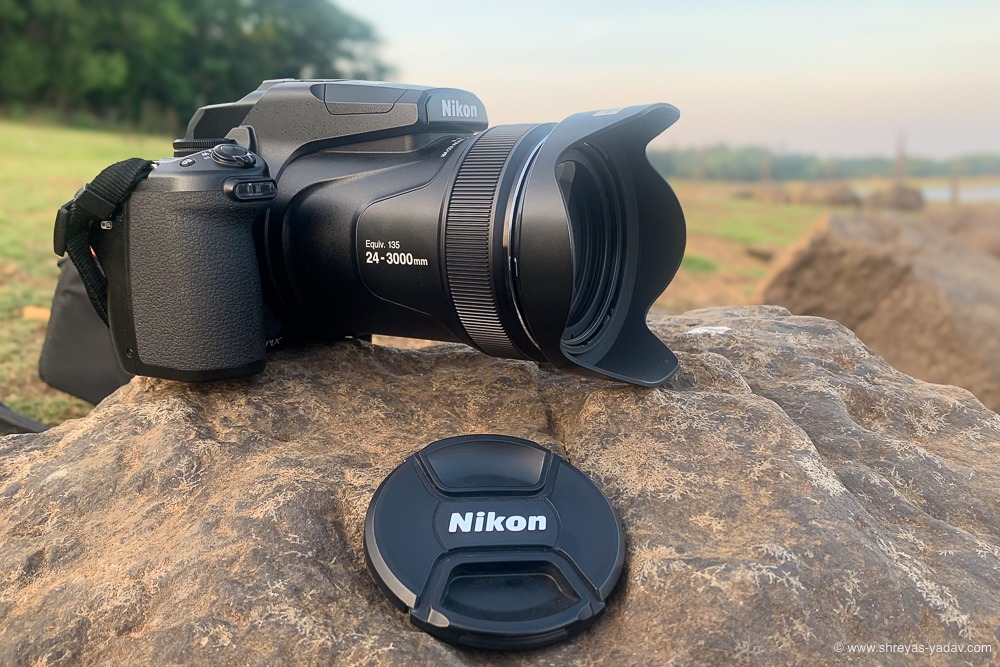
- Bridge cameras like Nikon Coolpix P900 have built-in long zoom lenses, ideal for distant birds.
- Look for cameras with at least 20x optical zoom for better reach.
- Models with good battery life support longer shooting times in the field.
Used And Refurbished Gear Tips
Buying used or refurbished cameras cuts costs significantly. Many sellers offer gear in excellent condition. Check for warranty or return policy to stay safe.
Inspect the camera for scratches, sensor dust, or shutter count. Ask for sample images to judge image quality. Purchase from reputable stores or trusted online platforms.
Used lenses can improve photo quality without extra body upgrades. Consider prime lenses with wide apertures for sharper bird photos. This saves money while boosting performance.
Tips For Choosing The Right Camera
Choosing the right camera for bird photography can make a huge difference in your results and overall experience. It’s not just about the specs on paper but how well the gear fits your unique shooting style and goals. Let’s break down some key tips that help you select a camera that truly works for you.
Matching Gear To Your Style
Think about how you like to shoot birds. Do you prefer quick, spontaneous shots or do you spend hours setting up the perfect frame? Cameras with fast autofocus and high burst rates suit action-packed styles well.
If you enjoy capturing birds in low light or want detailed close-ups, prioritize a camera with excellent sensor performance and good ISO capabilities. Your style will guide you to the features that matter most.
Portability And Weight Considerations
Bird photography often means hiking into natural habitats. A bulky camera might slow you down or tire you out quickly. Ask yourself how far you’re willing to carry your gear and how much weight you can handle comfortably.
Compact mirrorless cameras with lightweight lenses can be a great choice if you prioritize mobility. But if you don’t mind the extra weight, DSLRs often offer more robust build and longer battery life.
Future-proofing Your Investment
Will your camera still meet your needs a few years from now? Look for models with upgrade paths like interchangeable lenses and firmware updates. This helps you extend your gear’s life without a full replacement.
Consider the availability and cost of lenses and accessories. Choosing a camera from a well-supported brand ensures you won’t get stuck with outdated technology or limited options down the line.

Credit: www.thephoblographer.com
Accessories To Enhance Bird Photography
Accessories can elevate your bird photography experience. The right tools make capturing stunning shots easier. Equip your camera with helpful accessories for better results.
Tripods And Monopods
Stability is vital for sharp images. A sturdy tripod provides a stable base. It helps reduce camera shake. Monopods offer support with flexibility. They are lighter and easier to move. Choose based on your mobility needs.
External Flashes And Remote Triggers
Lighting can make a big difference. External flashes help in low-light conditions. They provide extra light without harsh shadows. Remote triggers let you capture shots from a distance. These tools expand your shooting options.
Camera Bags And Protective Gear
Protecting your gear is essential. A good camera bag offers storage and safety. Look for waterproof and padded bags. Protective gear keeps your camera safe from the elements. Invest in lens covers and screen protectors. Ensure your equipment stays in top condition.
Frequently Asked Questions
What Camera Features Are Best For Bird Photography?
A camera with fast autofocus, high frame rate, and good image stabilization is ideal. A telephoto lens is essential for close-up shots without disturbing birds.
Which Camera Brand Is Preferred For Bird Photography?
Brands like Canon, Nikon, and Sony are popular among bird photographers. They offer excellent image quality and reliable autofocus systems.
Is A Dslr Or Mirrorless Camera Better For Birds?
Mirrorless cameras are lighter, faster, and quieter, making them better for bird photography. However, DSLRs still offer great performance and battery life.
What Lens Specifications Suit Bird Photography Best?
A lens with a focal length between 300mm and 600mm works well. Fast apertures like f/4 or f/5. 6 help capture sharp images in low light.
Conclusion
Choosing the best camera for bird photography depends on your needs and budget. Focus on features like fast autofocus and good zoom. A lightweight camera helps when you travel or hike. Don’t forget to practice often to improve your shots.
Great photos come from patience and knowing your gear. Keep exploring and enjoy capturing birds in their natural beauty. Your perfect camera is the one that fits your style and helps you see the world clearly.




