
Have you ever paused to watch the birds visiting your backyard and wondered who they really are? Those colorful feathers and cheerful songs might be more familiar than you think.
Knowing the names and habits of the birds around you can turn your outdoor space into a lively classroom full of surprises. You’ll discover simple ways to identify the birds in your backyard, learn interesting facts about them, and find out how to attract even more feathered friends.
Ready to become the expert on your own backyard birds? Let’s dive in!

Credit: natureinnovato.com
Common Backyard Birds
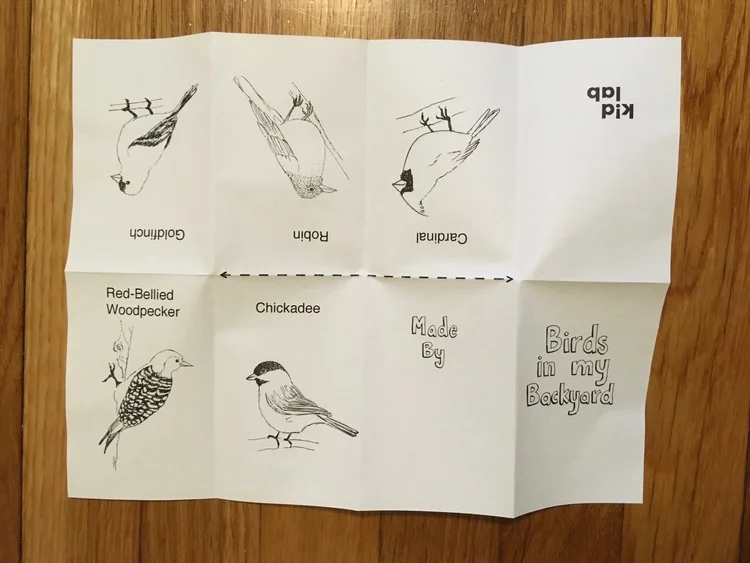
Backyards host a variety of common birds that bring life and color to outdoor spaces. These birds are easy to spot and often visit feeders, trees, and gardens. Knowing their names and habits helps enjoy nature right at home. Here are some frequent backyard visitors you might see daily.
Sparrows And Finches
Sparrows and finches are small, active birds. They often gather in flocks. Sparrows have brown and gray feathers, blending well in bushes. Finches show brighter colors like yellow, red, or orange. Both love seeds and visit feeders regularly.
Robins And Thrushes
Robins stand out with their red or orange chest. They search lawns for worms and insects. Thrushes have spotted breasts and sing sweet songs. These birds prefer open spaces and trees. They are signs of spring and summer in many areas.
Woodpeckers
Woodpeckers tap on tree trunks to find insects. They have strong beaks and stiff tail feathers. Their drumming sound is hard to miss. Common species include the Downy and Hairy Woodpecker. They also visit suet feeders in winter.
Doves And Pigeons
Doves and pigeons are calm and gentle birds. They have smooth, soft feathers in gray or tan shades. Doves coo softly, adding peaceful sounds to the yard. Pigeons are larger and often seen in urban areas. Both feed on seeds and grains.
Blue Jays And Cardinals
Blue Jays are bright blue with white and black markings. They are noisy and curious birds. Cardinals are famous for their vibrant red color. Female cardinals are brown with red hints. Both birds eat seeds, nuts, and fruits. They often visit feeders and trees.
Bird Identification Tips
Identifying birds in your backyard can be fun and rewarding. It helps you connect with nature and learn about different species around you. Use simple tips to spot unique features that set each bird apart. Focus on colors, shapes, sounds, and behaviors to recognize birds accurately.
Recognizing Colors And Patterns
Colors and patterns are the first clues for bird identification. Notice the main body color and any distinctive marks. Look for stripes, spots, or patches on wings and chest. Bright or dull colors both give important hints. Some birds have unique color combinations that make them easy to spot.
Observing Size And Shape
Size tells a lot about the bird species. Compare the bird’s size to common objects like a sparrow or a robin. Shape matters too. Look at the beak, tail, and body shape. A long, thin beak means different feeding habits than a short, thick one. Tail shape can show if the bird is a strong flyer or a ground feeder.
Noting Bird Calls And Songs
Sounds help identify birds even when they hide in trees. Listen for chirps, whistles, or calls. Each bird has a unique song pattern. Some sing loudly, others softly. Try to remember the rhythm and pitch. Bird calls tell about their mood or if they signal danger.
Watching Behavior And Movement
Bird behavior gives many hints about their identity. Notice if they hop, fly, or walk on the ground. Some birds catch insects mid-air while others peck seeds on the ground. Observe how they interact with other birds. Movement style often links to their feeding and living habits.
Creating A Bird-friendly Backyard
Creating a bird-friendly backyard transforms your outdoor space into a lively sanctuary where birds feel safe and welcomed. It takes a thoughtful mix of food, shelter, and water to attract different species and keep them coming back. Small changes in how you set up your yard can lead to delightful visits from colorful birds and cheerful songs.
Choosing The Right Feeders
Different birds prefer different types of feeders and food. Tube feeders work well for small songbirds like finches and chickadees, while platform feeders attract a variety of birds including cardinals and jays.
Consider feeders that are easy to clean to prevent mold and disease. If squirrels are a problem, try squirrel-proof designs or place feeders away from jumping points.
Have you noticed that some birds prefer seeds while others like suet or nectar? Offering a mix can bring a wider range of visitors to your yard.
Selecting Plants For Shelter And Food
Native plants provide the best natural food and shelter for backyard birds. Shrubs like serviceberry and elderberry offer berries that many birds love to eat.
Evergreens give year-round cover and protection from predators. Adding a variety of plants with different heights creates safe nesting spots and hiding places.
Think about how your plant choices can attract insects too, which are a vital protein source for many birds during breeding season.
Providing Water Sources
Birds need fresh water for drinking and bathing. A shallow birdbath with gently sloping sides is perfect for small birds to hop in and out safely.
Keep the water clean and change it frequently to prevent mosquito breeding and algae growth. Adding a dripper or fountain can catch birds’ attention with the sound of moving water.
Do you remember the last time you saw a bird joyfully splashing in water? That simple pleasure can make your yard a favorite spot.
Avoiding Common Hazards
Windows are a major hazard causing bird collisions. Applying decals or screens can reduce reflections that confuse birds.
Keep cats indoors or supervise them outside to prevent hunting. Pesticides and herbicides can poison birds and reduce their insect food, so try natural pest control methods.
What small hazard in your yard might be keeping birds away without you realizing it?
Seasonal Bird Visitors
Seasonal bird visitors bring life and color to your backyard at different times of the year. These birds change with the seasons, offering a chance to observe unique species during migration. Spotting them helps you learn about nature right outside your door.
Every season brings a unique parade of feathered friends to your backyard. These seasonal bird visitors not only add vibrant colors and delightful songs, but they also highlight the wonder of nature’s cycles. Understanding which birds grace your garden at different times of the year can deepen your appreciation for these winged wonders.
Spring And Summer Guests
As the chill of winter fades, the air fills with the cheerful melodies of spring and summer guests. Birds like the American Robin and the Ruby-throated Hummingbird are common visitors during these warmer months. Their presence is often marked by the vivid splashes of color they bring to your garden. During these seasons, you might notice nests tucked away in trees or shrubs. Watching these birds build their homes and raise their young can be a truly rewarding experience. Have you ever seen a tiny hummingbird flit from flower to flower, sipping nectar with incredible precision?
Fall Migrants
When the leaves begin to change, your backyard becomes a pit stop for fall migrants. Birds such as the White-throated Sparrow and the Yellow-rumped Warbler are just passing through, stopping for a short refuel on their long journey south. This is a great time to set up feeders with high-energy foods like seeds and suet. You’ll be amazed at the variety of species that can appear during this transitional time. Have you ever wondered how these tiny creatures navigate such long distances with such accuracy?
Winter Residents
As temperatures drop, some birds settle in for the colder months, becoming your winter residents. Species like the Northern Cardinal and the Dark-eyed Junco are often seen flitting about, adding a splash of color to the stark winter landscape. Providing food and water during winter can significantly help these birds. Birdwatching during this season can be particularly rewarding as the bare branches make it easier to spot your feathered visitors. What measures are you taking to ensure your backyard is a welcoming refuge during the cold months? Embrace the changing seasons and the birds that come with them. Each visit is a chance to learn and enjoy the natural beauty right outside your door.
Tools For Birdwatching
Birdwatching becomes more rewarding when you have the right tools. These tools help you see birds clearly, identify them accurately, and remember your encounters. Whether you are a beginner or an experienced bird lover, equipping yourself properly can change how you connect with the feathered visitors in your backyard.
Using Binoculars
Binoculars bring distant birds right into your view. A good pair with 8x or 10x magnification helps you see details like feather patterns and colors. Look for lightweight models with a wide field of view so you can track moving birds without straining your eyes.
Remember how you struggled to spot a tiny warbler last spring? A decent binocular would have made that moment unforgettable instead of frustrating. Try holding your binoculars steady by resting your elbows on a fence or tree branch to avoid shaky images.
Bird Identification Apps
Smartphones open up a world of bird knowledge at your fingertips. Apps like Merlin Bird ID or Audubon Bird Guide offer photos, sounds, and tips to help you quickly identify unfamiliar birds. They often allow you to enter characteristics such as size, color, and behavior, narrowing down options instantly.
Have you ever wondered about a bird’s call echoing in your yard? These apps often include sound libraries to match those calls, turning mystery into discovery. Using an app also makes it easy to log your sightings and learn about migration patterns.
Keeping A Bird Journal
Writing down your birdwatching experiences sharpens your observation skills. Note the species, time of day, weather, and any interesting behavior you notice. Over time, your journal becomes a personal archive of nature’s changes right outside your window.
Think about the last time you spotted a rare bird. Recording that moment helps you remember what made it unique and can guide future searches. You don’t need fancy notebooks; even a simple app or notebook works as long as you keep it consistent.

Credit: x.com
Credit: kidlabraleigh.com
Frequently Asked Questions
What Common Birds Visit My Backyard?
Common backyard birds include robins, sparrows, blue jays, cardinals, and finches. These species adapt well to urban and suburban areas. They feed on seeds, insects, and fruits. Recognizing their colors and calls helps identify them easily.
How Can I Attract More Birds To My Backyard?
To attract birds, provide fresh water, bird feeders, and native plants. Planting shrubs and trees offers shelter and nesting sites. Avoid pesticides to keep insects available as food. Regularly clean feeders to prevent diseases among visiting birds.
Why Do Birds Visit My Backyard Regularly?
Birds visit backyards for food, water, shelter, and nesting spots. Your yard may offer abundant resources or safe resting places. Seasonal migrations also increase backyard visits as birds stop to rest and refuel.
How Do I Identify Birds By Their Sounds?
Listening carefully to bird calls and songs helps identification. Each species has unique sounds for communication. Use bird sound apps or guides to match calls. Early morning is the best time to hear diverse bird songs.
Conclusion
Birds bring life and color to your backyard every day. Watching them helps you learn about nature close by. Each bird has unique sounds and habits to discover. Feeding birds can invite more species to visit often. Enjoy their presence and feel connected to the world outside.
Keep observing, and your backyard becomes a small wildlife haven. Nature’s beauty is just outside your door.




