
Have you ever found a bird that looks hurt or sick and wondered what you should do? Knowing how to treat a bird can make a big difference in its chances of recovery.
Whether it’s a wild bird or your pet, acting quickly and correctly is key. You will learn simple, clear steps to help a bird in need. By the end, you’ll feel confident in giving your feathered friend the care it deserves.
Keep reading to discover how you can be a lifesaver for birds around you.
Credit: pethelpful.com
Signs Of A Sick Bird
Birds cannot tell us when they feel unwell. Watching their behavior and body closely helps catch sickness early. Early care can save a bird’s life.
Look for changes in how your bird acts or looks. Knowing these signs helps you act fast and get your bird help.
Behavioral Changes
Sick birds often act differently. They may be less active or hide more than usual. Pay attention to any sudden changes in how your bird behaves.
- Lack of energy or sleeping more
- Loss of appetite or refusing food
- Less vocal or silent
- Fluffed up feathers for long periods
- Hiding or staying alone
Physical Symptoms
Physical signs often show when a bird is sick. Check your bird’s eyes, beak, feathers, and droppings for anything unusual.
| Symptom | What to Look For |
| Eyes | Redness, swelling, discharge, or closed eyes |
| Beak and Nostrils | Crusts, discharge, or overgrown beak |
| Feathers | Ruffled, dull, missing, or broken feathers |
| Breathing | Labored breathing, tail bobbing, or wheezing sounds |
| Droppings | Changes in color, consistency, or frequency |
Common Illness Indicators
Some illnesses cause specific signs in birds. Knowing these helps you describe symptoms to a vet clearly.
- Swollen joints or limping
- Sudden weight loss or thin body
- Frequent sneezing or coughing
- Loss of balance or falling from perches
- Unusual drooling or difficulty swallowing
Immediate Care Steps
When a bird needs help, quick care is very important. You must act gently and calmly to avoid stress.
Follow these steps to give your bird the best chance to recover fast and safely.
Isolating The Bird
Keep the injured bird away from other pets and loud noises. This helps reduce stress and prevents more harm.
Place the bird in a quiet, safe box or cage with soft bedding. Make sure the space is not too small or crowded.
- Use a ventilated box or cage
- Line the bottom with a soft towel or cloth
- Keep the box in a calm, quiet place
Providing Warmth And Comfort
Birds get cold quickly when they are hurt. Provide warmth to keep the bird comfortable and safe.
Use a heating pad on low or a warm water bottle wrapped in a cloth. Avoid direct heat to prevent burns.
- Check the temperature often
- Keep the bird away from drafts
- Cover the cage lightly to keep warmth
Ensuring Proper Hydration
Water is very important for the bird’s recovery. Make sure the bird drinks enough fluids.
If the bird cannot drink by itself, use a dropper to give small amounts of water slowly.
- Offer fresh water in a shallow dish
- Use a clean dropper for feeding water
- Do not force water if the bird resists
Nutrition For Recovery
Good nutrition helps birds heal faster after illness or injury.
Providing the right foods supports their immune system and energy.
Balanced Diet Options
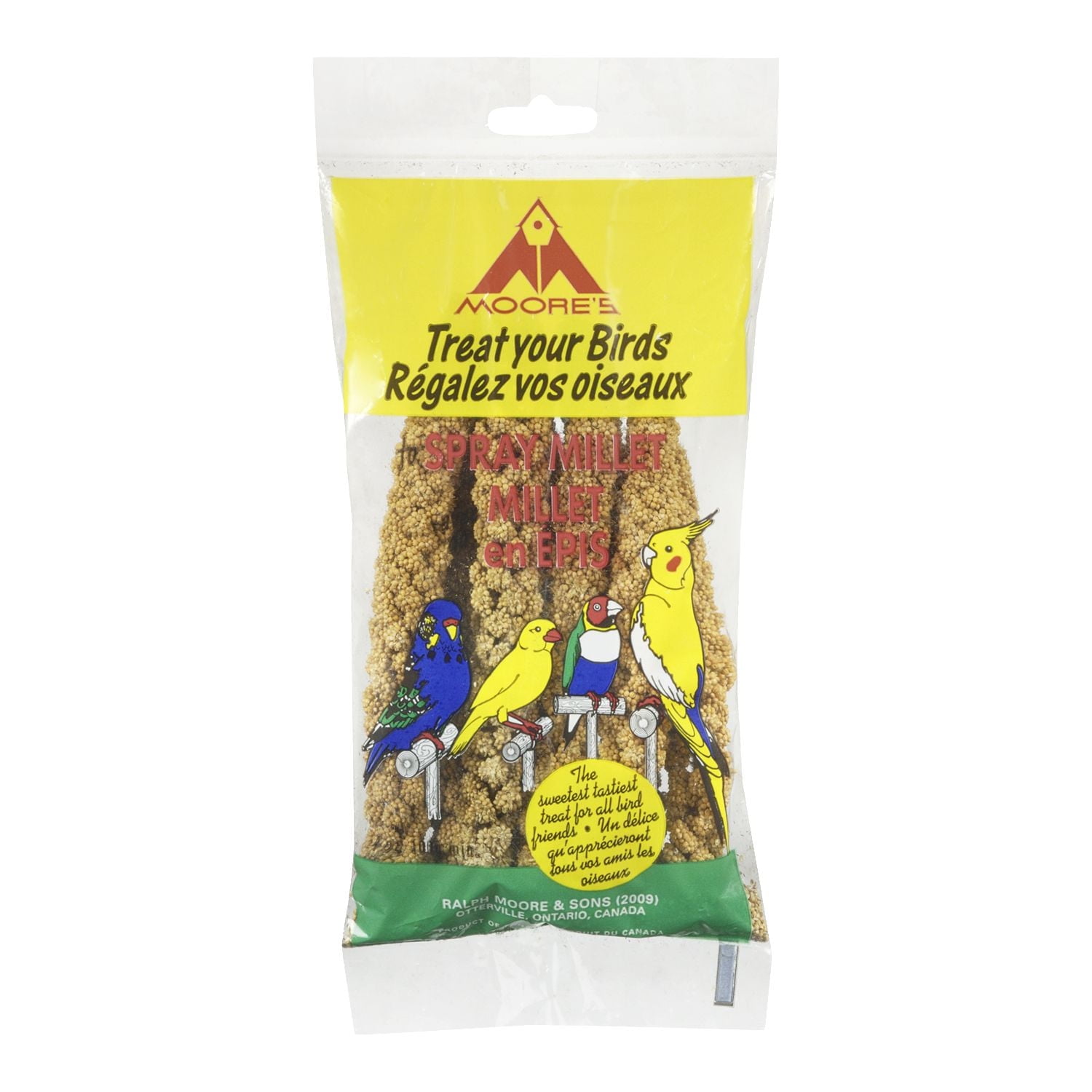
A balanced diet includes seeds, fruits, vegetables, and protein.
- Offer a mix of fresh fruits like apples and berries.
- Include leafy greens such as spinach and kale.
- Provide cooked eggs or mealworms for protein.
- Supply fresh water daily for hydration.
Supplements And Vitamins
Supplements help fill nutritional gaps during recovery.
| Supplement | Benefit | How to Use |
| Calcium | Strengthens bones and beak | Mix with food or provide cuttlebone |
| Vitamin A | Supports skin and feathers | Add to water or food as directed |
| Probiotics | Improves digestion | Give in small doses daily |
Foods To Avoid
Some foods can harm a bird’s recovery and should be avoided.
- Do not give chocolate or caffeine.
- Avoid salty or sugary snacks.
- Stay away from avocado and onion.
- Do not feed moldy or spoiled food.
Credit: www.walmart.ca
When To Consult A Vet
Birds can hide signs of illness well. It is important to know when to see a vet. Early care helps your bird stay healthy.
Knowing the right time to get professional help can save your bird’s life. Watch for signs and act fast.
Emergency Situations
Some bird problems need immediate vet care. Do not wait if your bird shows serious signs. Quick action is key.
Look for these urgent symptoms:
- Difficulty breathing or gasping for air
- Bleeding that does not stop
- Broken bones or sudden limp
- Seizures or loss of balance
- Unconsciousness or extreme weakness
- Swelling or sudden lumps on the body
Regular Health Checkups
Birds need regular vet visits to stay well. Checkups help find problems early before they get worse.
Plan visits at least once a year. Your vet will examine your bird and give advice on care and diet.
- Weight and feather condition check
- Beak and nail health assessment
- Testing for common diseases
- Advice on nutrition and housing
Choosing The Right Avian Vet
Not all vets treat birds. Find a vet with special training in bird care. This improves your bird’s treatment.
Ask these questions when choosing a vet:
- Do they have experience with birds?
- Are they familiar with bird diseases?
- Is their clinic equipped for bird exams?
- Do they offer emergency care?
- Can they provide nutritional advice?
Preventing Future Illness
Keeping your bird healthy means stopping illness before it starts. A clean home, less stress, and checking health often help birds stay well.
These simple steps protect your bird and make its life better.
Clean Living Environment
Birds need a clean cage and safe space to avoid sickness. Clean their home often and remove waste daily.
- Change cage lining every day
- Wash food and water dishes daily
- Remove old food to stop mold growth
- Disinfect cage weekly with bird-safe cleaner
- Keep the area dry and free from drafts
Stress Reduction Techniques
Stress weakens a bird’s immune system. Quiet, safe spaces help your bird feel calm.
| Stress Cause | How to Reduce |
| Loud noises | Keep cage away from loud areas |
| Too much handling | Let bird rest between interactions |
| New pets or people | Introduce slowly and calmly |
| Bright lights | Use soft lighting near cage |
Routine Health Monitoring
Watch your bird every day for signs of illness. Early care stops problems from growing.
- Check feathers for damage or dirt
- Look at eyes and nose for discharge
- Observe eating and drinking habits
- Notice changes in droppings
- Keep a health diary for vet visits

Credit: www.reddit.com
Frequently Asked Questions
How Do I Safely Handle An Injured Bird?
Gently approach the bird without sudden movements. Use a soft cloth to wrap and secure it. Avoid applying pressure to wings or legs. Place the bird in a ventilated box for transport. Seek professional help immediately for proper care.
What Basic First Aid Can I Give A Bird?
Keep the bird warm and calm. Stop bleeding using gentle pressure with a clean cloth. Do not give food or water unless advised by a vet. Avoid handling the bird excessively to reduce stress. Contact a wildlife rehabilitator or avian vet promptly.
When Should I Take A Bird To The Vet?
If the bird shows signs of injury, weakness, or unusual behavior. Immediate vet care is needed for bleeding, broken wings, or difficulty breathing. Early intervention improves recovery chances. Always seek professional advice for proper diagnosis and treatment.
Can I Treat A Bird’s Broken Wing At Home?
No, do not attempt to treat broken wings at home. Improper care can worsen injuries. Stabilize the bird gently and transport it to an avian vet. Professional treatment ensures the best chance for healing.
Conclusion
Caring for a bird requires patience and knowledge. Remember to provide a clean environment. Fresh food and water daily. Observe their behavior closely. Look for signs of distress or illness. A happy bird sings and plays often. Spend time interacting with them.
This builds trust and comfort. Regular vet visits are essential. They keep your bird healthy and happy. Small actions make a big difference. With love and attention, your bird can thrive. Enjoy the joy they bring to your life. They’re delightful companions.
Treat them well, and they’ll return the affection.




