
Are birds making a mess in your pole barn? You’re not alone, and it can be frustrating to deal with constant chirping, droppings, and damage.
But don’t worry—there are simple, effective ways to get rid of birds and keep them from coming back. You’ll discover practical tips that work, so you can protect your space and enjoy a cleaner, quieter pole barn. Keep reading to find out how to take control and say goodbye to unwanted feathered guests for good.

Credit: www.reddit.com
Common Bird Problems In Pole Barns
Birds often find pole barns a perfect place to settle. Their presence can lead to several problems that affect the structure and the people using it. Understanding these common bird issues helps in taking the right steps to keep them away effectively.
Types Of Birds That Invade
Some bird species prefer pole barns for shelter and nesting. Pigeons are the most common invaders. Sparrows and starlings also like these spaces. Woodpeckers may cause damage by pecking at the wood. Each bird has unique habits and reasons for choosing barns.
Damage Caused By Birds
Birds can cause physical damage to pole barns. Their droppings are acidic and can harm wood and metal surfaces. Nesting materials block ventilation systems. This blockage may lead to moisture buildup. Woodpecker holes weaken wooden beams. Over time, these damages become costly to fix.
Health Risks Associated With Birds
Bird droppings carry harmful bacteria and fungi. These can cause respiratory problems in humans. Parasites like mites and ticks often come with birds. Their presence increases the risk of disease spread. Dust from dried droppings can become airborne. This dust is a serious health hazard in enclosed spaces.
Preventing Birds From Entering
Preventing birds from entering your pole barn is the best way to keep them away. Stopping birds before they get inside avoids damage and mess. It also keeps the barn cleaner and safer for your tools and animals.
Focus on blocking all possible entry points. Use physical barriers that birds cannot bypass. Choose options that fit your barn’s design and budget. Consistent effort helps maintain a bird-free environment.
Sealing Entry Points
Check for gaps, cracks, and holes around doors, windows, and vents. Use durable materials like metal flashing, caulk, or wire mesh to close openings. Make sure sealing materials fit tightly to stop birds from squeezing through.
Inspect the barn regularly. Small openings can grow larger over time. Fix new gaps immediately to maintain protection.
Installing Bird Netting
Bird netting creates a physical barrier that keeps birds out while letting air flow. Attach netting over open areas such as rafters and large vents. Use strong, weather-resistant netting for long-lasting results.
Secure net edges firmly to prevent birds from slipping underneath. Regularly check for tears or loose spots and repair them quickly.
Using Bird Spikes And Wire
Bird spikes block birds from landing on ledges, beams, and rafters. Install spikes along popular perching spots inside and outside the barn. Choose plastic or metal spikes that are durable and easy to install.
Wire barriers also deter birds by creating unstable landing surfaces. Attach thin wires close to each other on surfaces where birds try to settle. This method is low maintenance and effective for most bird types.
Deterring Birds With Visual And Sound Devices
Deterring birds from settling in a pole barn can be tricky. Visual and sound devices offer a humane way to keep birds away. These tools tap into birds’ natural fears and instincts. They create an environment that feels unsafe for roosting or nesting.
Using visual devices can confuse or scare birds visually. Sound devices disrupt their comfort with noise. Combining both types increases the chances of success. Let’s explore some effective options.
Reflective Objects And Decoys
Reflective objects work by dazzling birds with moving light. Shiny strips, old CDs, or mirrors catch sunlight. The reflections create flickering patterns that birds find threatening. Hanging these objects near entrances or common perches helps keep birds away.
Decoys also trick birds into thinking predators are nearby. Fake owls, hawks, or snakes placed around the barn scare off smaller birds. Change their positions often. Birds quickly learn if decoys stay still.
Ultrasonic Bird Repellents
Ultrasonic repellents emit high-frequency sounds. These sounds are unpleasant to birds but usually silent to humans. The noise causes birds to avoid the area. Many models have sensors to activate only when birds approach. This saves energy and reduces disturbance.
Effectiveness varies by bird species. Some birds may get used to the noise. Use ultrasonic devices along with other methods for better results.
Noise Makers And Distress Calls
Noisemakers create sudden or continuous sounds that birds dislike. Options include wind chimes, bells, and electronic sound machines. Distress calls mimic bird alarm sounds. They signal danger to nearby birds.
Playing these sounds at different times confuses birds. Avoid constant noise, which birds may ignore. Alternating sound patterns keeps birds alert and discouraged from settling.
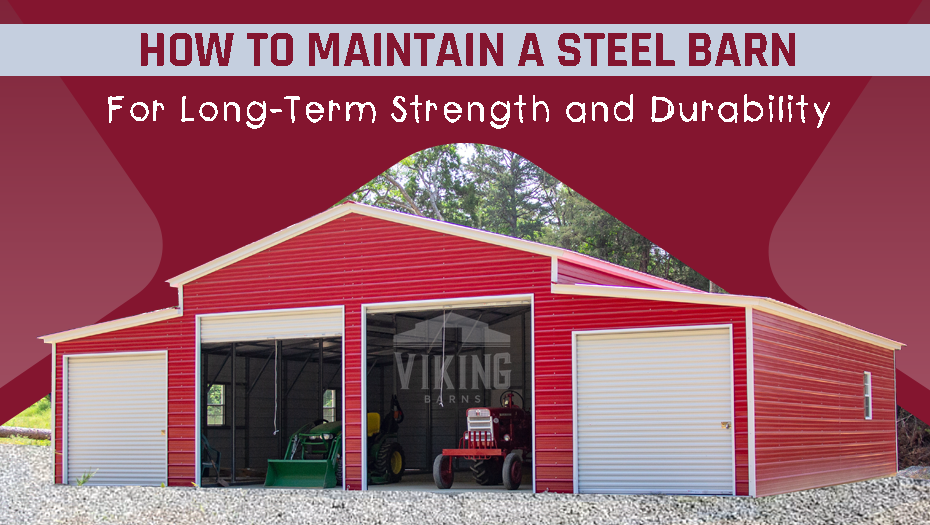
Credit: www.vikingbarns.com
Safe And Humane Bird Removal Techniques
Removing birds from a pole barn requires care to avoid harm. Safe and humane techniques protect both the birds and your property. Using gentle methods prevents injury and stress to the animals. These approaches also comply with local wildlife laws and promote kindness.
Trapping And Relocation
Trapping birds carefully helps move them without injury. Use humane traps that do not hurt the birds. Check traps often to reduce stress. After capture, release birds far from your barn. This stops them from returning quickly. Avoid harming nests or young birds during this process.
Using Non-toxic Repellents
Non-toxic repellents keep birds away without danger. These include natural sprays and gels safe for animals. Place repellents on surfaces where birds land or perch. The taste or smell discourages birds from staying. Reapply repellents regularly for best results. These products do not harm birds or the environment.
Professional Bird Control Services
Experts handle bird problems with care and skill. They know how to remove birds safely and legally. Professionals use advanced tools and techniques for humane control. They also advise on long-term prevention to protect your barn. Hiring a service saves time and ensures proper bird removal.
Cleaning And Maintenance After Bird Removal
Cleaning and maintaining your pole barn after bird removal is crucial. Birds leave behind droppings and nests that can damage structures. These residues carry germs and cause bad smells. Proper cleanup keeps the barn safe and ready for use. Regular maintenance prevents birds from returning and causing more problems.
Removing Droppings And Nests
Wear gloves and a mask before cleaning. Use a broom or brush to remove droppings carefully. Collect nests using a long stick or tool. Place all waste in sealed bags to avoid contamination. Dispose of the bags according to local regulations. Avoid dry sweeping to reduce dust and germs.
Sanitizing The Area
Apply a disinfectant designed for outdoor use. Spray all surfaces where birds stayed, including beams and corners. Let the disinfectant sit for the recommended time. Rinse the area with water if needed. Sanitizing kills bacteria and stops odors. Repeat the process if signs of contamination remain.
Preventing Future Infestations
Inspect your pole barn for entry points. Seal holes, cracks, and gaps with caulk or mesh. Install bird deterrents like spikes or netting. Keep the barn clean and dry to avoid attracting birds. Regularly check for new nests or droppings. Early action helps keep birds away for good.

Credit: www.youtube.com
Frequently Asked Questions
How Can I Prevent Birds From Nesting In My Pole Barn?
Seal all entry points and gaps to block bird access. Use bird spikes or netting on ledges. Keep the barn clean to remove nesting materials and food sources that attract birds.
What Are The Best Bird Deterrents For Pole Barns?
Visual deterrents like reflective tape, fake owls, and balloons work well. Ultrasonic bird repellers and sound devices also help. Combining multiple methods increases effectiveness.
Is It Safe To Use Bird Spikes Inside A Pole Barn?
Yes, bird spikes are safe and humane. They prevent birds from landing without harming them. Install spikes on beams, rafters, and ledges to deter roosting.
How Often Should I Clean My Pole Barn To Avoid Birds?
Clean your pole barn at least once a month. Remove droppings, nests, and food debris promptly. Regular cleaning discourages birds from settling and keeps the barn hygienic.
Conclusion
Keeping birds out of your pole barn takes patience and the right steps. Use nets, spikes, or noise devices to stop them from settling. Clean the area often to remove nests and droppings. Seal any holes or gaps where birds can enter.
Regular checks help catch problems early. Protect your pole barn and enjoy a cleaner, safer space. Small efforts make a big difference over time. Stay consistent, and birds will find other places to roost.




