
Are you ready to bring more life and color to your outdoor space? Building your own bird feeders is a simple and rewarding way to attract beautiful birds right to your backyard.
Imagine watching your favorite feathered friends up close, enjoying their visits every day. In this guide, you’ll discover easy steps to create bird feeders that suit your style and invite nature in. Keep reading, and you’ll soon have a lively garden filled with chirping visitors you helped welcome.

Credit: www.youtube.com
Choosing Materials
Choosing the right materials is a key part of building a bird feeder that lasts and attracts feathered friends. The type of materials you pick affects durability, safety, and even how easy the project will be. Think about where your feeder will hang and what kind of birds you want to invite.
Wood Options
Wood is a classic choice for bird feeders because it looks natural and blends well with outdoor settings. Cedar and pine are popular because they resist rot and are safe for birds. Avoid treated wood or those with paint that might be toxic to birds.
Have you considered how the weight of your wood affects hanging? Lighter woods like pine are easier to work with but might not last as long outdoors. Thicker wood pieces give sturdiness but need stronger support.
Recycled Items
Using recycled materials is not only eco-friendly but also budget-friendly. Old teacups, tin cans, or even plastic bottles can become unique feeders with a bit of creativity. Make sure to clean these items thoroughly and remove any sharp edges that might hurt birds.
Do you have unused household items that could get a second life in your garden? Sometimes the most unexpected objects attract the most curious birds.
Tools You’ll Need
Having the right tools on hand makes the building process smoother and safer. Basic tools include a saw, drill, hammer, nails or screws, and sandpaper to smooth rough edges. If you’re working with recycled materials, strong scissors or tin snips might be necessary.
Would investing in quality tools speed up your project and improve the final product? It’s worth considering if you plan to build multiple feeders or keep crafting as a hobby.
Simple Designs
Simple bird feeder designs are perfect for anyone looking to start attracting birds without spending too much time or money. These easy projects use materials you likely already have at home. You can create feeders that are both functional and charming, helping you enjoy nature right outside your window.
Jar Feeders
Jar feeders are a fantastic way to reuse glass jars while feeding your feathered friends. You only need a jar, some wire or twine, and a wooden spoon or small stick.
- Fill the jar with birdseed.
- Attach the wooden spoon through the jar lid to act as a perch and seed holder.
- Use wire or twine to hang the jar from a tree branch or hook.
This design is simple but very effective. Once hung, birds can perch on the spoon and eat seeds that fall out around it. Have you tried this and noticed different bird species visiting your garden?
Bottle Feeders
Plastic bottle feeders are lightweight and easy to make. Cut small holes near the base of the bottle and insert wooden dowels or sticks for perches.
- Fill the bottle with birdseed.
- Hang it upside down or horizontally using string or wire.
- The seeds will slowly spill out of the holes as birds feed.
This design is great if you want a feeder that dispenses seeds over time. Plus, it’s a smart way to recycle plastic bottles. Could this be the simple solution your backyard needs to keep birds coming back?
Pine Cone Feeders
Pine cone feeders are one of the easiest to make and are perfect for small birds. All you need is a pine cone, peanut butter, and birdseed.
- Spread peanut butter all over the pine cone’s scales.
- Roll the pine cone in birdseed until it sticks well.
- Attach a string to hang it from a tree.
This natural feeder blends beautifully into your garden. It’s a great way to engage kids in bird watching and crafts. Have you noticed how birds eagerly pick at the seeds on pine cones more than other feeders?
Advanced Projects
Ready to take your bird feeder building skills to the next level? Advanced projects let you combine creativity with functionality, making your garden a haven for more bird species. These designs require a bit more effort but offer greater reward in attracting feathered friends and adding charm to your outdoor space.
Wooden House Feeders
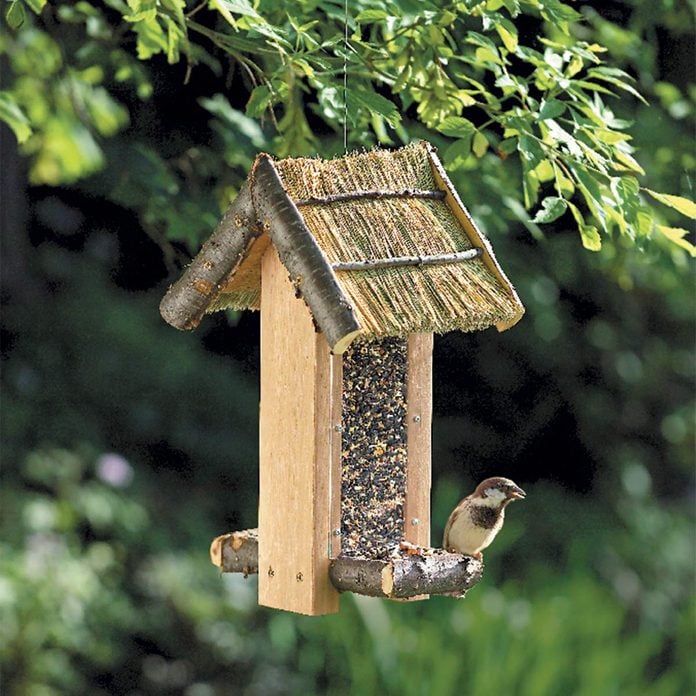
Building a wooden house feeder gives birds shelter while they eat, protecting them from wind and rain. Use durable, untreated wood like cedar or pine to ensure longevity and safety for the birds. Design it with a sloped roof and drainage holes to keep the seeds dry.
Think about adding small perches around the feeder’s entrance. These help different birds land comfortably without crowding each other. You can personalize your feeder with non-toxic paint to blend with your garden or stand out as a colorful feature.
Hanging Tray Feeders
Hanging tray feeders are perfect if you want an open, accessible feeding spot for larger birds. Use a sturdy wooden or metal tray with raised edges to keep seeds from spilling. Attach it with strong ropes or chains to a branch or hook where you can easily refill it.
Try placing your feeder near shrubs or trees for natural cover, which encourages shy birds to visit. You might notice different species coming to feed compared to tube feeders. How does the change in feeder style affect your birdwatching experience?
Window Feeders
Window feeders bring birdwatching right to your fingertips, literally. These feeders attach directly to your window with suction cups, allowing close-up views of birds as they eat. Opt for acrylic or clear plastic models to ensure durability and easy cleaning.
Placing a window feeder on a quiet side of your house can reduce disturbances. Have you ever watched a bird’s behavior up close and noticed details you missed before? This type of feeder transforms your window into a front-row seat for nature’s daily show.
Decorating Tips
Decorating your bird feeder adds charm and makes it stand out in your garden. Simple touches can make your feeder inviting to birds and pleasant to look at. Choose designs that suit your outdoor space and reflect your style. Use safe materials and colors that do not harm birds.
Painting Ideas
Bright colors attract birds and make feeders easy to spot. Use weather-resistant paint to protect wood from rain and sun. Paint simple patterns like stripes, dots, or leaves for a lively look. Consider soft colors like blue or green to blend with nature. Avoid shiny or metallic paints, as birds dislike reflective surfaces.
Natural Finishes
Keep the wood’s natural look by using clear sealants. These protect the feeder and show off the grain. Use linseed oil or beeswax for a warm, natural shine. Natural finishes blend well in any garden style. They are safe for birds and eco-friendly.
Adding Personal Touches
Add small decorations like tiny wooden shapes or painted stones. Attach shells, pinecones, or twigs for a rustic feel. Use waterproof markers to write bird names or short messages. Personal touches make your feeder unique and special. Make sure decorations do not block the bird’s access to food.
Placement Strategies
Choosing the right spot for your bird feeder is just as important as building it. Placement strategies affect how often birds visit and how safe they feel. You want to create a welcoming space that attracts birds while keeping them secure from predators.
Safe Locations
Pick a location away from busy footpaths or places where pets roam freely. Birds need a safe zone to eat without feeling threatened. Placing feeders near shrubs or trees provides quick escape routes if danger approaches.
Try to avoid spots near windows to reduce the risk of bird collisions. If you must place feeders there, consider adding decals or screens to make the glass visible to birds. Safety doesn’t just protect birds—it gives you peace of mind too.
Visibility Tips
Place your feeder where you can see it easily from inside your home. This increases your chances of watching your feathered visitors without disturbing them. A window seat or porch works perfectly for this.
Bright colors attract certain birds, so consider adding colorful elements near your feeder. Position the feeder so it catches natural light, making it easier for both you and birds to spot. Have you noticed how some birds prefer feeders that stand out while others like to blend in?
Seasonal Considerations
Adjust feeder placement based on the season. During winter, position feeders in sheltered spots to protect birds from harsh winds. A south-facing location can provide extra warmth and sunlight.
In summer, shade becomes important to keep seed fresh and prevent overheating. Moving feeders closer to water sources during dry months can also increase visits. Think about how changing weather affects bird behavior and respond accordingly.
Credit: www.familyhandyman.com
Maintaining Feeders
Building bird feeders can be a fun and rewarding activity. Use simple materials like wood, plastic bottles, or pinecones. Hang them in your garden to attract a variety of bird species. Keep feeders clean and stocked with fresh seeds to ensure regular visits from feathered friends.
Maintaining your bird feeders is crucial to ensuring that they remain a safe and welcoming place for your feathered friends. A well-maintained feeder not only attracts more birds but also helps prevent the spread of diseases. With just a little effort and attention, you can keep your feeders in excellent condition and enjoy the vibrant activity of birds year-round.
Cleaning Methods
Regular cleaning is essential to maintaining a healthy environment for the birds. Use a simple solution of one part white vinegar to nine parts water to clean the feeders. Rinse thoroughly to ensure no residue remains, which could harm the birds. If you notice stubborn grime, consider using a gentle brush to scrub the surfaces. Aim to clean your feeders at least once every two weeks, or more frequently in humid weather, to prevent buildup.
Preventing Mold
Mold can be a serious issue in bird feeders, leading to illness in birds. To keep mold at bay, ensure your feeders are well-ventilated and dry. Remove uneaten food regularly, especially after rain, as moisture can promote mold growth. You might wonder if placing feeders in direct sunlight helps; it does! Sunlight can aid in drying out any damp seeds quickly, reducing the risk of mold.
Regular Upkeep
Beyond cleaning, regular upkeep involves inspecting your feeders for wear and tear. Check for any sharp edges or damage that could harm birds. Simple repairs can prolong the life of your feeders and keep them safe. Make it a habit to refill feeders with fresh seeds and remove any spoiled food. This not only keeps the birds coming but also ensures their health and safety. Are you ready to make your backyard a haven for birds? With these simple maintenance steps, you can create a thriving environment that attracts a variety of bird species, bringing joy and color to your outdoor space.

Credit: www.youtube.com
Frequently Asked Questions
What Materials Are Best For Building Bird Feeders?
Wood, plastic, and metal are popular materials for bird feeders. Wood is durable and natural-looking. Plastic is lightweight and weather-resistant. Metal offers strength and longevity. Choose materials based on bird types and weather conditions for best results.
How Do I Attract More Birds To My Feeder?
Use a variety of seeds like sunflower, millet, and nyjer. Place feeders in quiet, sheltered spots. Clean feeders regularly to prevent disease. Adding water sources nearby also helps attract more birds.
What Is The Easiest Bird Feeder Design For Beginners?
A simple platform or tube feeder is ideal for beginners. These designs are easy to build and maintain. They attract many common bird species and require minimal tools or materials.
How Often Should Bird Feeders Be Cleaned?
Clean bird feeders every two weeks or more often in wet weather. Use warm, soapy water and rinse thoroughly. Regular cleaning prevents mold, bacteria, and disease spread among birds.
Conclusion
Building bird feeders brings joy and helps local birds thrive. Choose simple materials and designs that suit your space. Enjoy watching birds visit your feeder every day. Keep feeders clean and filled to support their health. Sharing this hobby can create lasting memories and connections.
Start small, learn, and grow your bird-friendly garden. Nature is closer than you think.




