
Are you ready to welcome the beautiful cardinal bird right to your backyard? Building a cardinal bird house is easier than you might think, and it’s a rewarding way to bring nature closer to you.
Imagine watching those bright red feathers flutter just outside your window. In this guide, you’ll discover simple steps to create a perfect home that cardinals will love. Keep reading, and soon you’ll have your own little slice of wildlife right at your doorstep.
Credit: www.gardeningcharlotte.com
Choosing The Right Location
Choosing the right location for your cardinal bird house is key. Cardinals are particular about where they live. Picking a good spot helps keep them safe and comfortable. It also increases the chances they will visit and nest.
Ideal Spot For Cardinals
Place the bird house near dense shrubs or small trees. Cardinals like areas with plenty of cover. They prefer spots about 5 to 10 feet above the ground. Avoid open spaces with little protection. Look for quiet places away from heavy foot traffic.
Avoiding Predators
Keep the bird house out of reach from cats and raccoons. Avoid locations near thick vines or fences where predators can hide. Use a metal predator guard on the pole or tree if possible. Keep the area around the house clear of low branches. This limits easy access for climbing predators.
Sunlight And Shelter Considerations
Face the bird house entrance away from harsh afternoon sun. East or north-facing entrances work best. This keeps the house cooler during hot days. Ensure the spot offers some protection from strong winds and heavy rain. Partial shade during the day helps cardinals stay comfortable.
Selecting Materials
Choosing the right materials is key to building a cardinal bird house that lasts and keeps your feathered visitors comfortable. The materials you pick affect the house’s durability, safety, and how inviting it feels to cardinals. Before you start cutting and assembling, think about what will work best for your local climate and the birds’ needs.
Best Wood Types
Wood is the top choice for bird houses because it breathes well and provides natural insulation. Cedar and pine are popular options. Cedar resists rot and insects, making it ideal for outdoor use without needing extra treatment.
Pine is easier to work with and more affordable, but it might need some protection against moisture. Avoid treated wood or plywood with harmful chemicals; cardinals are sensitive to toxins. A smooth finish without splinters will keep the birds safe and happy.
Essential Tools
Having the right tools makes your project smoother and safer. You’ll need a saw for cutting wood pieces accurately. A drill helps with making entrance holes and assembling parts securely.
Sandpaper is essential to smooth rough edges that could harm birds. Don’t forget a hammer or screwdriver for nails and screws. If you want, a measuring tape and pencil will help keep your dimensions precise.
Additional Supplies
Besides wood and tools, some extra supplies make your bird house more functional. Use galvanized nails or screws to avoid rusting over time. Hinges can be handy if you want a clean-out door for easy maintenance.
Non-toxic wood glue adds strength without posing risks to birds. You might also add a simple roof covering, like shingles or a waterproof sealant, to protect against rain. Think about ventilation holes for airflow—small drilled holes near the top work well.
Designing The Bird House
Designing the bird house is where your creativity meets the practical needs of cardinals. A well-thought-out design keeps these beautiful birds safe and comfortable while encouraging them to make your birdhouse their home. Let’s dive into the key details that make a cardinal bird house inviting and functional.
Size And Dimensions
Cardinals are medium-sized birds, so the birdhouse should match their needs precisely. A good size for the interior is about 8 inches wide, 8 inches deep, and 12 inches tall. This space gives the birds enough room to move around without feeling cramped.
Think about the roof, too—it should extend beyond the walls to protect against rain. A slanted roof helps water run off easily, preventing leaks inside. Have you noticed how cardinals prefer nesting in dense shrubs? Your birdhouse should mimic that cozy feeling.
Entrance Hole Specifications
The entrance hole size is crucial. A hole about 1.5 inches in diameter works best for cardinals. This size keeps larger birds and predators out while allowing cardinals to enter comfortably.
Place the hole about 6 to 7 inches above the floor inside the house. This height ensures the nest stays safe from ground predators and gives cardinals enough space to build their nest below. Have you thought about how the shape of the hole can affect accessibility? Stick with a simple round hole to keep things straightforward.
Ventilation And Drainage
Good airflow keeps the birdhouse from getting too hot during summer and prevents moisture buildup. Drill small ventilation holes near the top on the sides or back to allow fresh air to circulate.
Drainage is just as important. Drill a few holes in the bottom of the birdhouse to let any rainwater escape. Without proper drainage, the nest could become soggy, and that’s harmful for the eggs and chicks.
Have you noticed how a dry, cool nest is vital for baby cardinals? Proper ventilation and drainage are simple steps that make a big difference in their survival.
Step-by-step Construction
Building a cardinal bird house is a rewarding project that brings you closer to nature. Paying attention to each construction phase ensures your bird house is safe, durable, and inviting for cardinals. Let’s walk through the process carefully to help you create a perfect home for these beautiful birds.
Cutting The Wood Pieces
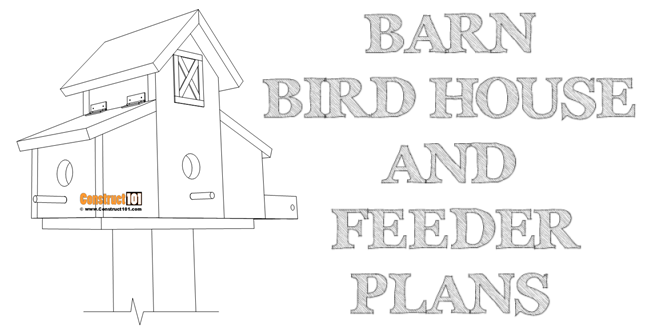
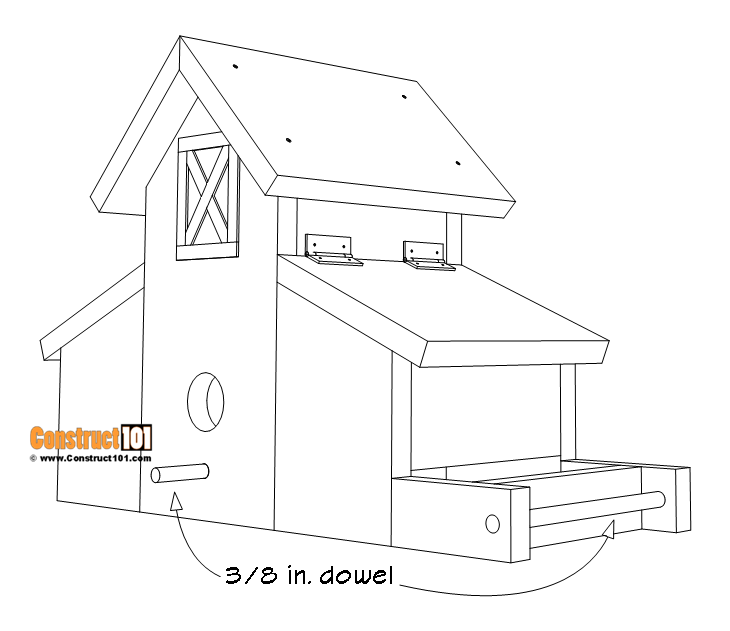
Start with cedar or pine wood, which withstands weather well and is safe for birds. Cut the wood into specific parts: two side walls, a front wall with an entrance hole, a back wall, a floor, and a roof.
Measure twice, cut once. Precise cuts make assembly easier and the house sturdier. Use a jigsaw or handsaw, and always wear safety goggles.
Assembling The Walls And Floor
Lay the side walls flat on a work surface. Attach the front and back walls using galvanized nails or screws to prevent rust. Secure the floor piece inside the four walls, ensuring it sits flush and stable.
Make sure the entrance hole faces away from prevailing winds to protect the birds. Have you considered drilling small ventilation holes near the top of the walls? This helps keep the interior cool during hot days.
Attaching The Roof
Fix the roof piece on top of the walls, creating a slight overhang on all sides. This overhang protects the entrance from rain and sun. You can hinge one side of the roof for easy cleaning access later.
Think about adding a small perch below the entrance hole. While not necessary for cardinals, it can add charm and help you observe the birds closely.
Sanding And Finishing
Sand all edges and surfaces to remove splinters and rough spots. Smooth surfaces prevent injuries to the birds and give your bird house a polished look.
A natural, non-toxic finish is ideal. Avoid paints or stains that contain harmful chemicals. If you want extra protection, apply a light coat of boiled linseed oil, letting it dry thoroughly before placing the house outside.
Mounting The Bird House
Mounting the bird house is a key step to attract cardinals safely. The right placement and secure attachment help protect the birds from predators and harsh weather. A well-mounted house also encourages cardinals to visit and nest.
Choosing A Mounting Method
Choose a sturdy pole or a tree for mounting. Poles are easier to place at the correct height. Trees offer natural shelter but may cause instability. Use brackets or straps to fix the house without damaging the tree. Avoid nails in living trees to keep them healthy.
Height And Placement Tips
Place the bird house 4 to 6 feet above the ground. Cardinals prefer lower heights for safety. Face the entrance away from strong winds and direct sunlight. Choose a quiet spot with some nearby shrubs or trees. This offers cover and comfort to the birds.
Securing The House Safely
Use screws or strong nails to attach the house firmly. Make sure the house does not wobble or tilt. Check the mounting regularly for wear and tear. Avoid loose fittings that can fall or harm the birds. Keep the area around the house clear of obstacles.
Credit: www.construct101.com
Maintaining The Bird House
Building a cardinal bird house involves selecting weather-resistant materials like cedar or pine. Ensure the entrance hole is 1. 5 inches wide to accommodate cardinals. Place the house at least 6 feet above ground, away from predators, for optimal safety and comfort.
Regular maintenance ensures a welcoming environment for these vibrant birds.
Maintaining a bird house is as important as building it. Proper care ensures that your cardinal visitors feel at home, safe, and comfortable. It also increases the longevity of your bird house, making it a welcoming haven for generations of cardinals.
Regular Cleaning
Regular cleaning is crucial to prevent the build-up of parasites and bacteria. Aim to clean your bird house at least once a month. Simply remove any old nesting materials and scrub the interior with a mild soap solution, ensuring it’s thoroughly rinsed and dried before reassembly. It’s amazing how a simple cleaning routine can make a big difference. Imagine a fresh, inviting space free of clutter and grime—your cardinals will appreciate it. Have you ever noticed how much more you enjoy a tidy home? Birds are no different.
Seasonal Care
Different seasons bring unique challenges and opportunities. In winter, ensure the bird house is secure and well-insulated to provide warmth. During rainy seasons, check for leaks and repair any damage promptly. Spring cleaning isn’t just for your home. It’s a great time to spruce up the bird house, preparing it for new arrivals. By adapting your care routine to the seasons, you can provide a consistent and safe environment year-round.
Monitoring Bird Activity
Keeping an eye on bird activity is both rewarding and insightful. Observe the comings and goings of your feathered friends to understand their needs better. This can alert you to issues such as predators or the need for more frequent cleaning. Engage with your bird house by noting when new nests appear or when fledglings take their first flights. This connection enriches your experience and ensures you’re providing the best possible habitat. Have you ever wondered what stories unfold in your backyard? Monitoring bird activity brings those stories to life. By taking these steps, you ensure your cardinal bird house remains a welcoming sanctuary, year after year. Each visit becomes a testament to your dedication and care. So, how will you transform your maintenance routine to make a difference?
Credit: www.construct101.com
Frequently Asked Questions
What Materials Are Best For Building A Cardinal Bird House?
Use untreated wood like cedar or pine for durability and safety. Avoid pressure-treated wood as it can harm birds. Include ventilation holes and drainage to keep the house dry and comfortable for cardinals.
How Big Should A Cardinal Bird House Be?
A cardinal bird house should have an inside floor space of about 6×6 inches. The entrance hole should be around 1. 5 inches in diameter, allowing cardinals easy access while keeping predators out.
Where Is The Best Place To Hang A Cardinal Bird House?
Place the bird house 5 to 10 feet above the ground in a quiet, sheltered location. Position it near shrubs or trees to provide cover and easy access for cardinals.
How Do I Maintain A Cardinal Bird House?
Clean the bird house annually, preferably in late fall. Remove old nesting materials and scrub the interior with a mild bleach solution to prevent parasites and mold growth.
Conclusion
Building a cardinal bird house is a fun and rewarding project. It gives birds a safe place to live and grow. Using simple tools and materials makes the process easy. Watching cardinals visit your house brings joy and life to your yard.
Remember to place the house in a quiet, sheltered spot. Regular cleaning keeps it fresh for new birds. Enjoy the beauty and sounds of cardinals every day. Start building today and connect with nature in your own backyard.




