
Have you ever wished you could see everything around your car without turning your head? The Toyota Bird’s Eye View Camera gives you exactly that—an easy way to spot obstacles and park with confidence.
Imagine having a clear, 360-degree view right on your screen, helping you avoid scratches, bumps, and blind spots. You’ll discover how this smart camera system works and why it can make your driving safer and stress-free. Keep reading to unlock the secrets behind this amazing technology that’s changing the way you drive.
Toyota Bird’s Eye View Camera Basics
The Toyota Bird’s Eye View Camera system gives you a unique perspective of your vehicle’s surroundings. It combines images from multiple cameras to create a single, top-down view. This helps you park with confidence and avoid obstacles that might be hidden from your direct line of sight.
Understanding the basics of how this system works can help you appreciate its value. Let’s break down the camera placement and the types of cameras Toyota uses to give you this clear, comprehensive view.
Camera Placement And Setup
The system uses several cameras placed strategically around your vehicle. Typically, there’s one mounted at the front grille, another on the rear near the license plate, and one under each side mirror.
These cameras capture wide-angle views of the areas around your car. Their images are then stitched together by the vehicle’s computer to create the seamless bird’s eye view you see on your display.
Have you noticed how this setup eliminates blind spots? It’s designed so you can see what’s happening right beside and behind you without turning your head.
Types Of Cameras Used
Toyota uses high-resolution wide-angle cameras to cover a broad field of view. These cameras have fisheye lenses that capture more than what a standard lens sees, essential for the overlapping views needed for stitching.
Each camera is equipped to perform well in different lighting conditions. Infrared sensors and special coatings help maintain clarity during nighttime or bad weather.
By using these specialized cameras, Toyota ensures that you get sharp, clear images no matter the environment. How much easier would your daily parking be with this much visibility?

Credit: www.fjcruiserforums.com
Image Stitching Technology
The Toyota Bird’s Eye View Camera uses advanced image stitching technology. This tech blends images from several cameras placed around the vehicle. It creates one clear, wide picture that shows the car’s surroundings. This helps drivers see obstacles and park safely.
Combining Multiple Camera Feeds
The system gathers video from cameras on the front, back, and sides of the vehicle. Each camera captures a different angle. The software then processes these feeds simultaneously.
It aligns the images by matching edges and shapes. This removes overlaps and gaps. The result is one smooth image without visible breaks or mismatches.
Creating A 360-degree View
After merging camera feeds, the system forms a full 360-degree view. This view shows the vehicle from above, as if seen by a bird. The driver gets a clear picture of all nearby objects and road features.
This wide perspective makes tight parking easier. It also reduces blind spots and improves safety in crowded places.
Real-time Processing
The Toyota Bird’s Eye View Camera relies heavily on real-time processing to deliver a clear, accurate image around your vehicle. This system collects video feeds from multiple cameras and quickly combines them. It transforms separate views into one seamless bird’s eye perspective. This process happens instantly, allowing drivers to see their surroundings without delay. The real-time aspect is crucial for safety and ease of parking.
How The System Handles Data
The system receives video from four cameras placed around the car. Each camera sends a constant stream of images to a central computer. This computer processes the data using advanced software. It stitches the images together to create a unified view. The software corrects distortions caused by camera lenses. It also aligns each image to match the vehicle’s position and angle. This data handling ensures the picture is smooth and accurate.
Latency And Image Updates
Latency means the delay between capturing and showing the image. Toyota’s system keeps this delay very low, usually less than a second. This near-instant update helps drivers react to changing surroundings immediately. The image refreshes constantly, often 30 times per second or more. This fast update rate prevents lag and keeps the view current. The combination of low latency and high update speed makes the system reliable for quick decisions.
User Interface Features
The user interface of the Toyota Bird’s Eye View Camera makes parking and driving easier. It shows a clear, combined view of the car’s surroundings. The system uses multiple cameras around the vehicle to create a 360-degree image. This image appears on the dashboard screen. The interface is simple and intuitive. It helps drivers avoid obstacles and park safely.
Display Options On The Dashboard
The main screen shows different views to help with parking. Drivers can switch between these options:
- Top-down 360-degree view
- Front camera view
- Rear camera view
- Side camera views for blind spots
Each view helps drivers see areas that are hard to check. The screen is bright and clear for all lighting conditions. Icons and menus are easy to read and use.
Guidelines And Alerts
The system adds helpful lines on the screen. These guidelines show the car’s predicted path. They move as the steering wheel turns. This feature helps drivers judge distances better.
Alerts warn drivers about nearby obstacles. The system uses sounds and visual signals. It detects objects close to the vehicle. The alerts get stronger as the car gets nearer to obstacles.
Benefits For Drivers
The Toyota Bird’s Eye View Camera offers many benefits for drivers. It helps make driving and parking easier and safer. This system shows a clear view around the car, reducing blind spots. Drivers gain better control and confidence behind the wheel. The following sections explain key advantages for drivers using this technology.
Enhanced Parking Accuracy
The camera system creates a 360-degree view around the vehicle. It combines images from multiple cameras into one clear picture. This helps drivers see the exact position of their car. Parking in tight spaces becomes less stressful and more precise.
- Shows obstacles near the car from all sides
- Helps align the vehicle perfectly in parking spots
- Reduces the chance of hitting curbs or other vehicles
Drivers can park confidently without constantly checking mirrors or turning their heads. The clear top-down view simplifies complex parking maneuvers.
Improved Safety Measures
The Bird’s Eye View Camera increases overall safety on the road. It alerts drivers to hidden objects or pedestrians near the vehicle. This reduces the risk of accidents in crowded or narrow areas.
- Detects small children or pets around the car
- Helps avoid collisions in parking lots
- Enhances visibility during low light or bad weather
By providing a full view of the surroundings, the camera system helps drivers react faster. It supports safer driving habits and protects both the vehicle and others nearby.

Credit: www.youtube.com
Limitations And Challenges
The Toyota Bird’s Eye View Camera can struggle in low light or bad weather, reducing image clarity. Small objects may be missed, and camera lenses can get dirty easily, affecting the view. These issues can make parking or maneuvering less precise.
The Toyota Bird’s Eye View Camera is a remarkable technology that enhances your driving experience by providing a comprehensive view around your vehicle. However, like any technology, it has its limitations and challenges. Understanding these can help you maximize its benefits and prepare for any potential drawbacks.
Weather And Lighting Conditions
Weather can significantly impact the effectiveness of the Bird’s Eye View Camera. Rain, fog, or snow may obscure the cameras, affecting visibility and accuracy. During a heavy downpour, have you noticed how the view gets distorted? Lighting conditions also play a crucial role. Nighttime or low-light conditions can reduce the clarity of the images. While the system tries to compensate, the output may not always be optimal.
System Maintenance And Repairs
Regular maintenance is crucial to keep the system functioning well. Dirty lenses can blur the camera’s view, necessitating frequent cleaning. Have you checked the condition of your camera lenses recently? Repairs can be challenging if the system malfunctions. Specialized parts and skilled technicians may be required, which can be costly. Keeping the system in good shape helps avoid unexpected expenses. Understanding these challenges helps you use the Bird’s Eye View Camera more effectively, ensuring a safer driving experience. Are you ready to tackle these limitations head-on?
Future Developments
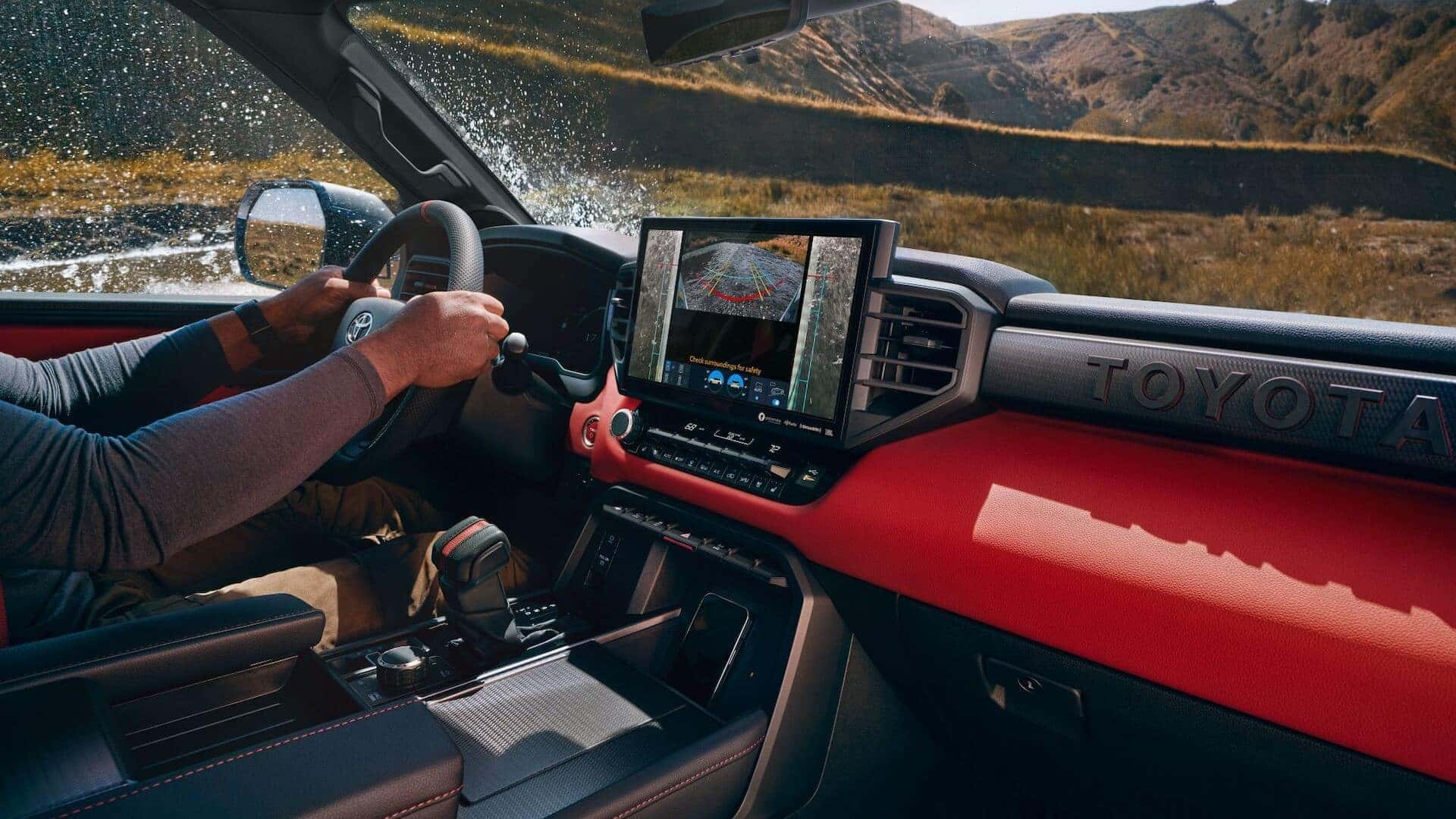
The future of the Toyota Bird’s Eye View Camera is an exciting prospect filled with potential advancements. As technology continues to evolve, this feature is expected to integrate more seamlessly with other systems, offering drivers an even more comprehensive driving experience. Imagine a world where your vehicle not only provides a bird’s eye view but also communicates with other safety systems to enhance your driving safety and convenience.
Integration With Advanced Driver Assistance Systems
One of the most promising developments is the integration of the Bird’s Eye View Camera with Advanced Driver Assistance Systems (ADAS). This collaboration can provide drivers with enhanced situational awareness. For instance, the camera could work alongside lane departure warnings and blind-spot monitoring to give you real-time feedback and suggestions.
Picture driving in heavy traffic: the camera and ADAS can team up to alert you of potential hazards, making your drive smoother and safer. This synergy not only enhances your safety but also adds a layer of convenience. Wouldn’t you feel more at ease knowing your car is watching out for you?
Potential Upgrades In Camera Technology
Camera technology is advancing rapidly, and the Bird’s Eye View Camera is poised to benefit from these innovations. Future upgrades may include higher resolution cameras, offering clearer and more detailed images. This can make parking and maneuvering in tight spaces even easier.
Additionally, the introduction of night vision capabilities could transform the way you drive after dark. Enhanced visibility in low-light conditions means increased safety and confidence. How might this change your nightly commutes or road trips?
These developments promise to make the Toyota Bird’s Eye View Camera an even more integral part of your driving experience. As these technologies advance, the possibilities are truly endless. Are you ready to embrace the future of driving?
Credit: www.toyotaofnorthcharlotte.com
Frequently Asked Questions
What Is Toyota Bird’s Eye View Camera?
Toyota Bird’s Eye View Camera uses multiple cameras around the car. It creates a 360-degree, top-down view. This helps drivers see obstacles and park safely. The system improves awareness and reduces blind spots.
How Does The Bird’s Eye View Camera Work?
The system combines images from four cameras placed at front, rear, and sides. It stitches these images into one seamless 360-degree view. This real-time view is shown on the car’s display screen. It assists in tight parking and maneuvering.
Is The Bird’s Eye View Camera Available On All Toyota Models?
No, the Bird’s Eye View Camera is available on select Toyota models. It often comes in higher trims or as an optional package. Availability varies by region and model year. Check with your local Toyota dealer for details.
Can The Bird’s Eye View Camera Improve Parking Safety?
Yes, it significantly improves parking safety. The camera helps detect obstacles and pedestrians around the vehicle. It reduces the chances of collisions in tight spaces. Drivers gain better spatial awareness during parking.
Conclusion
The Toyota Bird’s Eye View Camera shows your car from above. It helps you see all sides clearly. You can park safely in tight spaces. The system combines images from several cameras. This creates a full view around your vehicle.
Drivers feel more confident and avoid accidents. Using this camera makes driving easier every day. It’s a smart tool for better safety. Try it to understand its true value. It helps you drive with less stress. Simple, clear, and useful for all drivers.




