
Are you wondering if you can place hummingbird feeders near your regular bird feeders? It’s a common question for anyone who loves watching different birds visit their yard.
You want to attract as many feathered friends as possible, but you might worry about competition or safety. The good news is, with the right setup, you can enjoy both hummingbirds and other birds without problems. Keep reading to discover the best tips and tricks to make your backyard a welcoming haven for all your favorite birds.
Credit: www.birdwatchingdaily.com
Placing Hummingbird Feeders
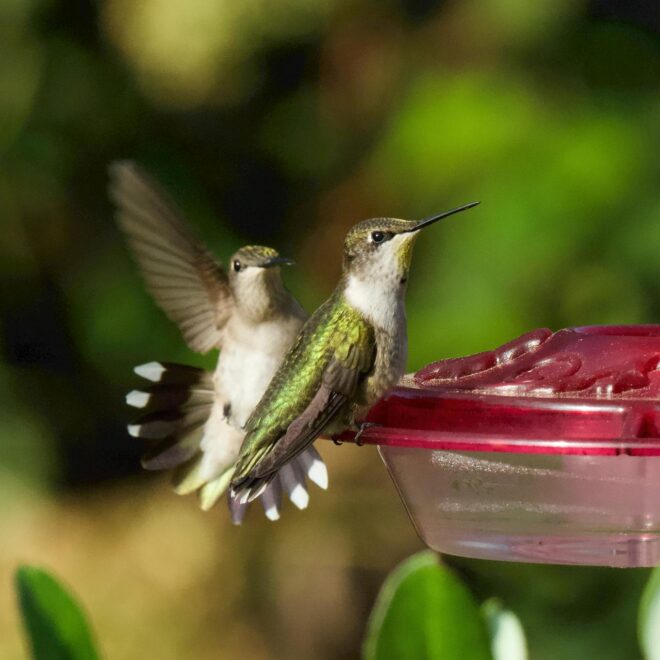
Placing hummingbird feeders correctly helps attract these tiny birds to your garden. Proper placement ensures hummingbirds feel safe and find food easily. It also reduces conflicts with other birds. Careful planning of feeder locations supports hummingbirds’ feeding habits and keeps your yard lively.
Ideal Locations For Hummingbird Feeders
Choose a quiet spot where hummingbirds can rest nearby. Place feeders near flowers or shrubs for shelter. A location with some wind protection is best. Avoid busy or noisy areas that may scare the birds.
Distance From Other Feeders
Keep hummingbird feeders at least 10 feet away from other bird feeders. This space reduces competition and aggression. Hummingbirds are territorial and prefer their own feeding spot. Separate feeders help all birds feed peacefully.
Sunlight And Shade Considerations
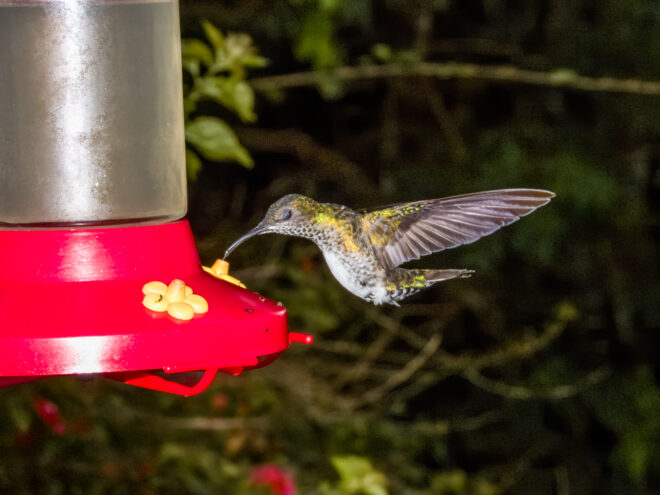
Place feeders where they get morning sun and afternoon shade. Sunlight warms the nectar, making it more attractive. Shade prevents the nectar from spoiling too fast. A balance of sun and shade keeps nectar fresh longer.
Credit: www.birdwatchingdaily.com
Choosing Bird Feeders Nearby
Choosing bird feeders nearby hummingbird feeders can create a lively backyard scene. It needs thoughtful planning. The right feeders attract various birds without causing stress or fights. Placement and feeder type matter a lot. This helps both hummingbirds and other birds enjoy feeding safely.
Types Of Bird Feeders That Work Well
Choose feeders that suit different bird types. Tube feeders attract small birds like finches. Hopper feeders serve larger birds such as cardinals. Platform feeders work for ground-feeding birds. Nectar feeders are perfect for hummingbirds. Mixing feeder types supports many species in one area.
Attracting Different Bird Species
Offer diverse food to attract many birds. Seeds like sunflower and millet bring songbirds. Nectar feeders invite hummingbirds. Suet feeders attract woodpeckers and nuthatches. Place feeders at varied heights. This invites different species to visit without crowding.
Avoiding Competition Between Feeders
Keep feeders spaced apart to reduce fights. Place hummingbird feeders at least 10 feet from seed feeders. This gives hummingbirds space to feed calmly. Avoid placing feeders too close to windows. It prevents bird collisions and stress. Clean feeders regularly to keep birds healthy and happy.
Feeding Tips For Hummingbirds
Feeding hummingbirds properly helps keep them healthy and happy. Their tiny bodies need fresh, clean nectar often. Careful feeding attracts them to your garden and lets you enjoy their bright colors and fast wings. Here are key tips to feed hummingbirds well.
Sugar Water Recipes
Make a simple sugar water mix for hummingbirds. Use four parts water to one part white granulated sugar. Boil the water first to remove impurities. Stir the sugar until fully dissolved. Let the mix cool before filling feeders. Avoid honey, artificial sweeteners, or red dye. These can harm hummingbirds.
Cleaning And Maintenance
Clean feeders regularly to stop mold and bacteria growth. Rinse feeders with hot water every three days. Use a bottle brush to clean inside tubes and corners. Avoid soap or harsh chemicals. They can leave harmful residues. Sunlight helps dry feeders quickly and prevents mold.
Refilling Frequency
Refill hummingbird feeders often to keep nectar fresh. Warm weather speeds up fermentation and spoilage. Check feeders every two to three days. Replace the nectar if it looks cloudy or smells sour. Fresh nectar gives hummingbirds energy and reduces illness risk.
Managing Wildlife Interactions
Placing hummingbird feeders near regular bird feeders can invite a lively mix of wildlife to your yard. However, managing the interactions between different species is key to keeping your backyard a peaceful haven. Understanding how to prevent conflicts and protect your feeders makes your efforts more rewarding and enjoyable.
Preventing Aggression
Hummingbirds are territorial and may feel threatened by larger birds visiting nearby feeders. To minimize aggression, try spacing the feeders at least 10 feet apart. This distance allows hummingbirds to defend their nectar without constant confrontations.
Watching your feeders, you might notice how some birds chase others away. Providing multiple feeding spots helps reduce competition and keeps all your visitors happy. Have you seen how a simple change in feeder placement calms down aggressive behavior?
Deterring Ants And Insects
Ants and other insects love the sweet nectar in hummingbird feeders. To stop them from invading, use ant moats—small water-filled barriers placed above the feeder. These act like natural traps, preventing ants from reaching the nectar without harming the birds.
You can also clean feeders regularly to avoid sticky buildup that attracts insects. Adding a tiny bit of vegetable oil around feeder hooks creates a slippery surface ants avoid. Have you tried these tricks to keep your feeders insect-free?
Protecting Feeders From Squirrels
Squirrels are clever and persistent when it comes to bird feeders. To protect your hummingbird feeders, consider using squirrel baffles—barriers that block squirrels from climbing or jumping onto feeders. Positioning feeders on thin poles or hanging them from wires can also deter these agile visitors.
Sometimes, squirrels learn to bypass barriers, so switching feeder locations regularly keeps them guessing. Have you noticed how squirrels adapt quickly? Staying one step ahead makes feeding your birds a smoother experience.
Seasonal Considerations
Seasonal changes play a big role in how you should place hummingbird feeders near regular bird feeders. Different birds have different needs throughout the year, and your feeder setup can either help or confuse them. Understanding these seasonal considerations can make your backyard a welcoming spot for more bird species.
Adjusting Feeder Placement By Season
In spring and summer, hummingbirds are highly active and need easy access to nectar. Placing their feeders in open, sunny spots near flowers works best. Regular bird feeders can be set a bit farther away to reduce competition for space and food.
During fall, as hummingbirds prepare to migrate, you might notice less frequent visits. Moving feeders closer together can help conserve energy for these long journeys. But keep an eye on the types of birds visiting to avoid overcrowding.
Migratory Patterns Impact
Hummingbirds often migrate earlier than many songbirds. This means their feeders might need to be up and running before your other bird feeders are fully stocked. Are you ready to provide fresh nectar as soon as they arrive?
Knowing the migration timing in your area helps you plan feeder placement. You can prioritize nectar feeders in early spring and late summer to match hummingbird movement. Meanwhile, seed feeders can stay consistent for resident birds.
Winter Feeding Tips
Most hummingbirds leave for warmer areas in winter, but some species stay in mild climates. If you live where hummingbirds overwinter, keep feeders clean and filled with fresh nectar to support them.
Regular bird feeders become more important in winter. Place them in sheltered spots to protect birds from harsh weather. Would you consider adding a heated perch or windbreak to make your feeders more inviting during cold months?
Credit: www.outdoorguide.com
Frequently Asked Questions
Can Hummingbird Feeders Be Placed Near Bird Feeders?
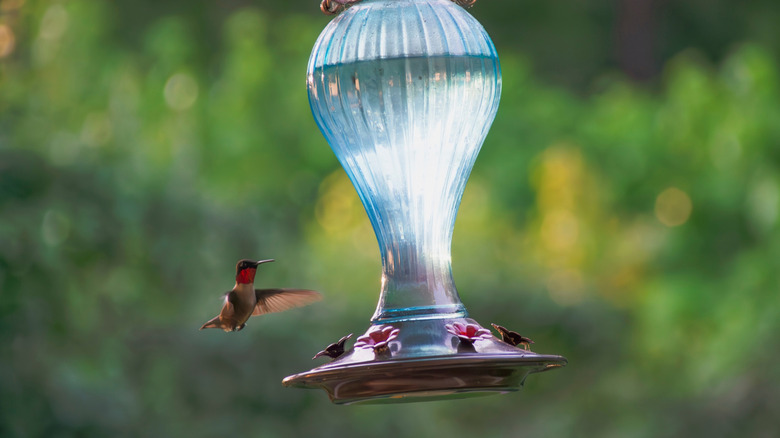
Yes, hummingbird feeders can be placed near bird feeders. Keep a few feet of distance to avoid competition and aggression. This spacing helps both species feed comfortably without stress.
Does Proximity Affect Hummingbird Feeder Safety?
Placing hummingbird feeders too close to bird feeders can attract aggressive birds. This may scare hummingbirds away. Maintain a safe distance to protect the delicate hummingbirds.
How Far Should Hummingbird Feeders Be From Bird Feeders?
It’s best to place hummingbird feeders at least 10 to 15 feet away from bird feeders. This distance reduces territorial disputes and encourages peaceful feeding for all birds.
Will Other Birds Eat Hummingbird Nectar?
Most birds do not prefer hummingbird nectar, but some aggressive species might try. Keep feeders clean and well-maintained to discourage unwanted visitors. Proper placement also helps minimize this issue.
Conclusion
Placing hummingbird feeders near bird feeders can work well with care. Keep them a few feet apart to avoid crowding and stress. Clean both feeders often to keep birds healthy and happy. Watch how birds use the feeders and adjust if needed.
This way, you enjoy many types of birds in your yard. Simple steps help create a safe and lively bird space. Try it and see which birds visit your garden!




