
Are you worried that your feathered friend might be suffering from mites? These tiny pests can cause your bird discomfort, itching, and even health problems if left untreated.
But don’t worry—you can take action now to protect your bird and bring back its happiness. You’ll learn simple and effective ways to spot, treat, and prevent mites in birds. Keep reading, and discover how to keep your bird healthy and comfortable every day.
Credit: www.bedbugbarrier.com.au
Identifying Bird Mites
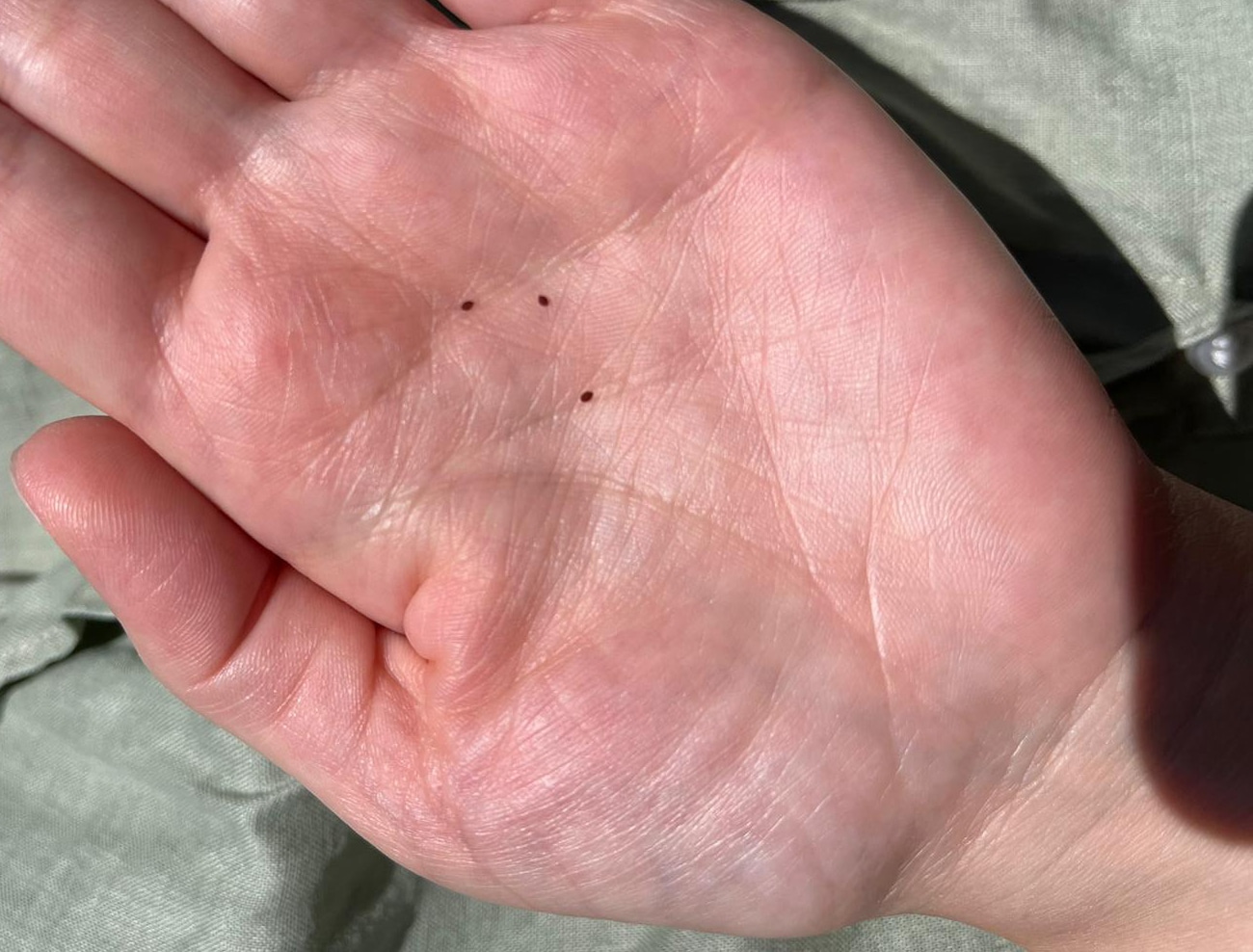
Bird mites are tiny pests that live on birds and their nests. They can cause discomfort and health problems for your birds.
Knowing how to identify bird mites helps you treat them quickly. This guide explains common mites, signs of infestation, and effects on birds.
Common Mite Species
Several mite species affect birds. Each type has different habits and impacts.
- Ornithonyssus sylviarum: Also called the northern fowl mite. It feeds on blood and moves quickly.
- Dermanyssus gallinae: Known as the red mite. It hides in nests during the day and feeds at night.
- Knemidokoptes mutans: Causes scaly leg disease by burrowing into skin on bird legs.
- Ornithonyssus bursa: The tropical fowl mite, common in warm climates and affects poultry.
Signs Of Mite Infestation
Birds with mites show clear signs. These symptoms help you detect mites early.
- Birds scratch or bite their feathers often.
- Feathers look ruffled or missing in spots.
- Birds seem restless or agitated.
- Small dark spots or moving dots appear on skin or feathers.
- Birds lose weight or stop eating well.
- Scaly or crusty skin, especially on legs or around the beak.
Impact On Bird Health
Mites can harm birds in many ways. They cause stress and can spread diseases.
Heavy infestations lead to blood loss and weak birds. This lowers their ability to fight other illnesses.
- Increased stress and discomfort.
- Skin irritation and feather damage.
- Possible anemia from blood loss.
- Lowered immune response.
- Reduced egg production in laying birds.
Preventing Mite Infestations
Mites can cause serious health problems for birds. Preventing infestations helps keep birds happy and healthy.
Good habits and careful care reduce the chances of mites spreading. These tips can help bird owners avoid problems.
Maintaining Clean Habitats
Keeping bird cages and living areas clean is key to stopping mites. Dirt and waste attract these pests.
Clean cages at least once a week. Remove old food, droppings, and feathers to lower mite risks.
- Use mild soap and warm water for cleaning
- Disinfect cage bars, perches, and toys regularly
- Replace bedding or lining material often
- Keep the habitat dry and well-ventilated
Regular Bird Inspections
Look at your birds closely every day. Early signs of mites include itching, feather loss, or scabs.
Check under wings and around the eyes where mites often hide. Notice any changes in behavior or health.
- Watch for constant scratching or shaking
- Look for tiny moving dots on feathers or skin
- Notice if birds become less active or lose weight
Quarantine New Birds
Keep new birds separate for at least two weeks. This stops mites from spreading to your healthy birds.
Observe new birds during quarantine. Treat any signs of mites before mixing them with others.
- Use a separate cage in a different room
- Monitor health daily and check for mites
- Clean and disinfect cages before use
- Only introduce birds once they are mite-free
Home Remedies For Mite Control
Mites can cause discomfort and health problems in birds. Treating mites at home helps protect your pet without harsh chemicals. Using natural remedies is gentle and effective for mite control.
These home treatments focus on oils, cleaning, and caring for the bird’s environment. Each method helps reduce mites and keeps birds healthy and comfortable.
Natural Oils And Sprays
Natural oils can repel and kill mites on birds safely. They soothe irritated skin and keep feathers healthy. Use diluted oils to avoid harming your bird.
Common oils include neem oil, coconut oil, and tea tree oil. Mix a few drops with water to create a spray. Spray lightly on feathers and skin, avoiding eyes and nostrils.
- Neem oil: natural insect repellent
- Coconut oil: moisturizes and suffocates mites
- Tea tree oil: strong mite killer, use carefully
- Lavender oil: calming and repels mites
Safe Cleaning Solutions
Cleaning bird cages and accessories regularly helps remove mites and eggs. Use mild, non-toxic cleaning solutions to keep your bird safe.
Soap and warm water work well for routine cleaning. Vinegar diluted with water kills germs and mites without chemicals. Avoid harsh cleaners that can harm birds.
- Use dish soap and warm water for washing cages
- Mix one part vinegar with three parts water for a spray
- Rinse well and dry all items before use
- Clean perches, toys, and feeders often
Environmental Treatments
Treat the bird’s environment to stop mites from returning. Mites hide in bedding, cracks, and corners. Cleaning the area reduces their numbers greatly.
Replace or wash bedding regularly. Use natural powders like diatomaceous earth around the cage base to kill mites. Keep the area dry and well-ventilated.
- Change bedding weekly to remove mite eggs
- Sprinkle food-grade diatomaceous earth near cage
- Vacuum and clean floors and walls near bird area
- Keep the cage dry to prevent mite growth
Using Commercial Mite Treatments
Mites can cause discomfort and health problems in birds. Using commercial mite treatments helps control and remove these pests. These products are designed for safe and effective mite removal.
It is important to follow instructions carefully. Proper use ensures the safety of your birds and the success of the treatment.
Types Of Medications
There are several types of commercial mite treatments. Each type works differently to kill mites on birds and in their environment.
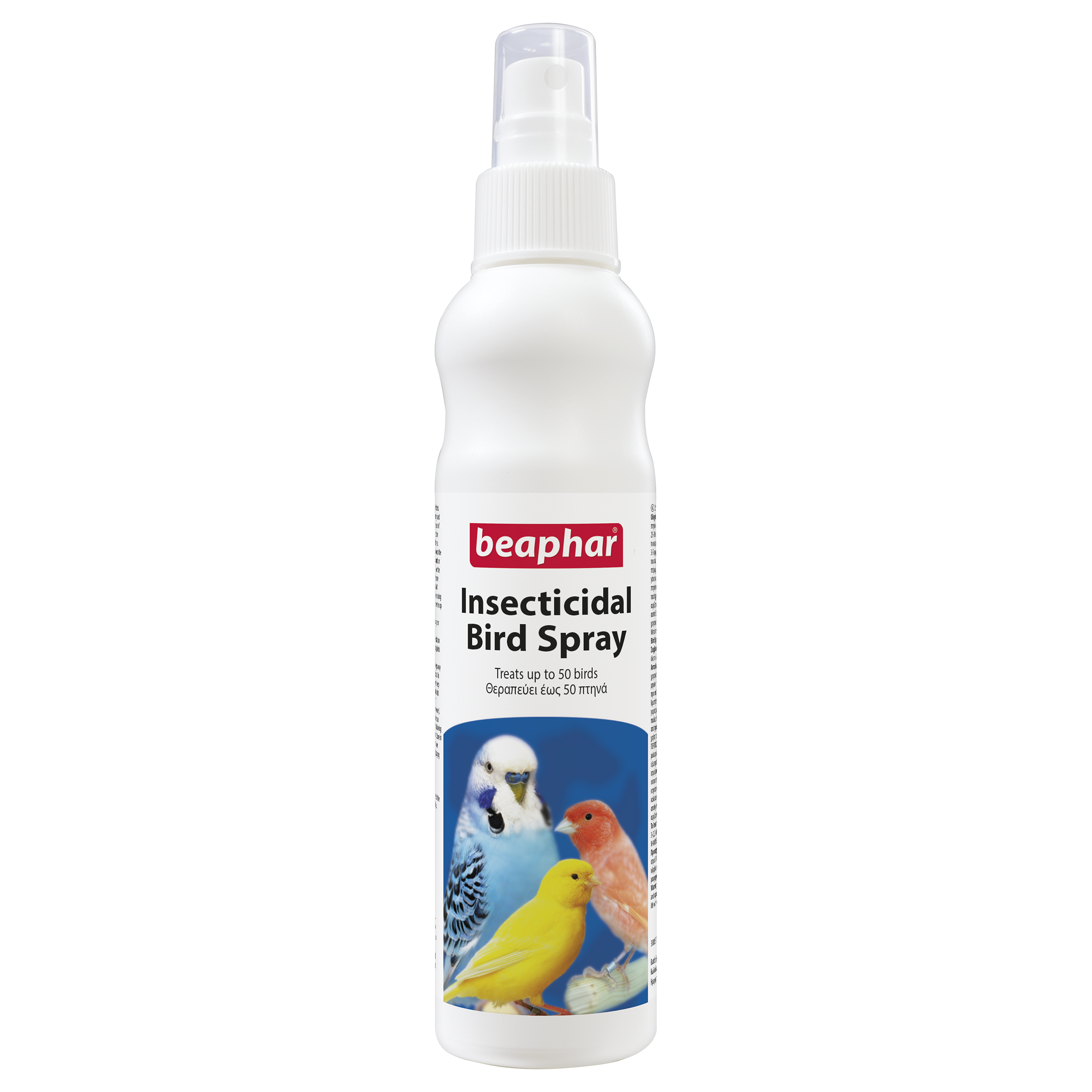
- Sprays: These are applied directly to birds or cages. They kill mites on contact.
- Dips: Birds are dipped into a solution that removes mites from feathers.
- Powders: These are dusted onto birds or nests to kill mites.
- Spot-on treatments: A liquid is placed on the bird’s skin to kill mites over time.
- Environmental sprays: Used to treat cages and nesting areas to stop mites from returning.
Application Guidelines
Apply commercial mite treatments carefully for the best results. Follow the instructions on the product label exactly.
- Wear gloves to protect your skin.
- Use the correct dose to avoid harming birds.
- Apply treatments in a well-ventilated area.
- Treat all birds and cages at the same time to prevent mites from spreading.
- Repeat treatment as directed, usually after 7 to 10 days.
Safety Precautions
Safety is important when using mite treatments. Some chemicals can be harmful if used wrong.
- Keep treatments away from children and pets.
- Do not use products not made for birds.
- Avoid contact with the bird’s eyes and mouth.
- Wash hands after applying treatment.
- Watch birds for signs of stress or reaction after treatment.
Caring For Birds During Treatment
Treating mites in birds needs careful care. Birds need support while healing.
Good care helps birds stay strong and recover fast. Watch them closely every day.
Monitoring Bird Behavior
Watch your bird’s actions carefully during treatment. Look for signs of pain or discomfort.
Note changes in eating, sleeping, or movement. Early problems need quick attention.
- Check if the bird scratches less or more
- Observe if the bird eats normally
- Look for unusual hiding or restlessness
Supporting Bird Immunity
Strong immunity helps birds fight mites and heal faster. Good food is key.
Give fresh fruits, vegetables, and seeds. Fresh water must be available all day.
- Include vitamin-rich foods like carrots and leafy greens
- Provide clean water daily
- Avoid sudden changes in diet
Avoiding Stress
Stress slows healing and lowers immunity. Keep your bird calm and safe.
Limit loud noises and sudden movements near the bird. Provide a quiet, cozy space.
- Place the cage in a calm area
- Handle the bird gently and less often
- Keep temperature steady and comfortable
Credit: www.beaphar.com
When To Consult A Veterinarian
Mites can cause serious problems for your bird’s health. Knowing when to see a vet is very important. Early care can stop the issue from getting worse.
Some signs mean you should get professional help right away. This guide explains key situations to contact a veterinarian.
Persistent Infestations
If mites keep coming back after home treatment, it is time to see a vet. Persistent infestations may mean the treatment was not strong enough or the mites are resistant.
- Your bird still scratches and shows skin irritation.
- Mites reappear within a few days of treatment.
- Cleaning and treating the cage does not stop the problem.
- Other birds in the same area get mites too.
Severe Symptoms
Some symptoms need urgent veterinary care. Severe reactions can harm your bird’s health quickly.
- Heavy feather loss or bald patches.
- Open sores or wounds from scratching.
- Changes in eating or drinking habits.
- Visible mites on the skin or feathers in large numbers.
- Signs of weakness or difficulty breathing.
Professional Treatment Options
Veterinarians offer treatments that you cannot get at home. They can choose the best method to clear mites safely and fully.
| Treatment Type | Description | Purpose |
| Prescription Medications | Special insecticides or sprays | Kill mites effectively and prevent return |
| Systemic Treatments | Medicine given orally or by injection | Reach mites hiding deep in the skin |
| Professional Cleaning | Thorough cage and environment sanitizing | Remove mites and eggs from habitat |
| Follow-Up Exams | Check bird’s recovery after treatment | Ensure mites are gone and bird is healthy |

Credit: www.chewy.com
Frequently Asked Questions
What Are Common Symptoms Of Mites In Birds?
Common symptoms include itching, feather loss, scaly skin, and restlessness. Birds may also show redness or swelling around eyes and beak. Early detection helps in effective treatment and prevents severe infestations.
How Do Mites Spread Among Pet Birds?
Mites spread through direct contact with infected birds or contaminated cages. Shared feeders, perches, and bedding can also transmit mites. Proper hygiene and quarantine new birds to reduce spreading risks.
What Are The Best Treatments For Bird Mites?
Topical insecticides and mite sprays are effective for treating bird mites. Regular cleaning of cages and replacing bedding is essential. Consult a vet for safe, bird-friendly treatments and follow instructions carefully.
Can Mites Harm My Bird’s Health Long-term?
Yes, untreated mite infestations can cause anemia, stress, and secondary infections. Severe cases may lead to weakened immune systems and even death. Prompt treatment ensures your bird stays healthy and comfortable.
Conclusion
Treating mites in birds requires patience and care. Regular cleaning of cages helps. Use vet-recommended mite treatments for safety. Check your bird’s feathers often. Healthy diet boosts their immune system. A vet visit ensures proper treatment. Stay vigilant with hygiene practices.
Keep your bird’s environment clean and stress-free. A happy bird is a healthy bird. Remember, early action prevents bigger problems. Mites can harm your bird’s health. Protect your feathered friend today. Follow these steps to ensure their well-being. Your bird deserves a comfortable, mite-free home.




