
Your bird is more than a pet—it’s a cherished part of your life. When you notice your feathered friend looking weak or unwell, it can be heartbreaking and confusing.
You want to help, but don’t know where to start. How do you nurse a bird back to health safely and effectively? You’ll discover simple, practical steps that can make a huge difference. Whether your bird is showing signs of illness or recovering from injury, these tips will guide you through the process with confidence.
Keep reading to learn how you can give your bird the care it needs to thrive again.
Credit: besgroup.org
Recognizing Bird Health Issues
Birds cannot tell us when they feel sick. We must watch them closely. Knowing the signs of illness helps us act fast.
Early detection can save a bird’s life. Learn what to look for in your pet’s health and behavior.
Common Signs Of Illness
Birds show illness in many ways. Some signs are easy to see, others are subtle. Check your bird daily for changes.
- Fluffed up feathers for long periods
- Loss of appetite or refusal to eat
- Difficulty breathing or wheezing sounds
- Discharge from eyes or nose
- Swollen or red areas on the body
- Loose droppings or change in droppings
- Sudden weight loss or weakness
Behavioral Changes To Watch
Birds act differently when they are sick. Watch for changes in how your bird moves and interacts. This can tell you a lot.
- Less active or sleeping more than usual
- Hiding or staying quiet away from others
- Less interest in toys or socializing
- Repeated scratching or biting at feathers
- Unusual aggression or fearfulness
- Changes in vocal sounds or silence
Setting Up A Safe Recovery Space
Nursing a bird back to health requires a quiet and safe place. This space should protect the bird from stress and dangers. A calm environment helps the bird rest and heal faster.
Setting up the right recovery space means controlling the environment carefully. You need to think about temperature, lighting, and safety. These factors affect the bird’s comfort and recovery.
Choosing The Right Environment
Choose a spot away from noise and strong smells. Keep the bird away from other pets and children. The area should be clean and free of drafts. Use soft bedding to keep the bird comfortable.
- Place the cage in a quiet room
- Keep away from windows and doors that open often
- Use a cage with secure bars to prevent escapes
- Line the bottom with soft towels or paper
- Check the area daily for cleanliness
Maintaining Proper Temperature And Lighting
Birds need warmth but not too much heat. Keep the temperature steady between 75°F and 85°F. Avoid cold drafts or direct sunlight that can stress the bird. Use a lamp if the room is too cool.
| Temperature Range | Lighting Condition | Notes |
|---|---|---|
| 75°F to 85°F (24°C to 29°C) | Soft, indirect light | Use a heat lamp if needed |
| Below 75°F (24°C) | Dim, avoid drafts | Use a cover to keep warmth |
| Above 85°F (29°C) | Natural shade | Ensure good air flow |
Feeding And Hydration Tips
Nursing a bird back to health needs care in feeding and hydration. Proper food and water help the bird regain strength.
Understanding what to feed and how to keep your bird hydrated is key for its recovery.
Nutritious Diet Options
Offer a variety of foods to meet your bird’s nutritional needs. A balanced diet helps healing and boosts the immune system.
- Soft fruits like banana, apple, and pear without seeds
- Cooked vegetables such as carrots and peas
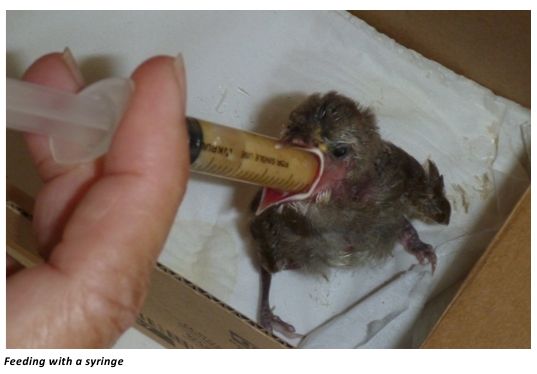
- Small amounts of cooked rice or pasta for energy
- Specialized bird pellets or seed mixes recommended by a vet
- Avoid fatty or salty foods that may harm recovery
Ensuring Adequate Water Intake
Water keeps your bird hydrated and supports all body functions. Fresh water must be available at all times.
| Water Source | Tips |
| Clean bowl | Change water twice daily |
| Drip bottle | Check flow to ensure bird can drink |
| Fruit water | Add small pieces of fruit for taste |
| Warm water | Offer at room temperature, not cold |

Credit: www.reddit.com
Administering Basic First Aid
Helping an injured bird can be a delicate task. It is important to know basic first aid to assist the bird safely.
Understanding when to administer aid and when to seek help is crucial for the bird’s recovery.
Handling Minor Injuries
Minor injuries like small cuts or bruises can often be treated at home. Clean the wound gently and keep it dry.
- Use a clean cloth to apply gentle pressure to stop bleeding.
- Apply a small amount of antiseptic cream.
- Monitor the bird for signs of infection.
When To Seek Professional Help
Some situations require the expertise of a veterinarian. Knowing when to seek help can save the bird’s life.
| Symptom | Action |
| Heavy bleeding | Contact a vet immediately |
| Broken wing or leg | Do not attempt to fix, seek professional help |
| Unresponsive | Get emergency care |
Monitoring Progress And Adjusting Care
Caring for a sick bird needs close watching every day. You must see if the bird gets better or worse. Checking its health helps you give the right care.
Birds can change quickly, so you must change your care plan too. This keeps the bird comfortable and safe while it heals.
Tracking Health Improvements
Watch for signs that show the bird’s health is improving. These signs help you know if the treatment works.
- Check if the bird eats and drinks normally
- Notice if it is more active and alert
- Look for brighter eyes and cleaner feathers
- Observe normal breathing without wheezing or coughing
- Track weight gain or stable weight over time
Modifying Care As Needed
If the bird does not improve or gets worse, change the care steps. Adjust food, medicine, or rest times to fit its needs.
| Condition | Care Adjustment |
| Refuses Food | Offer favorite treats or hand-feed carefully |
| Breathing Problems | Keep bird in a warm, quiet space and consult vet |
| Low Energy | Increase rest time and reduce handling |
| Weight Loss | Provide high-calorie foods and monitor closely |

Credit: birdsupplies.com
Preventing Future Health Issues
Taking care of a bird after it gets sick is very important. You can help your bird stay healthy by stopping new problems from starting.
Good habits and regular care keep your bird strong and happy for a long time.
Hygiene Practices
Keeping your bird’s space clean helps stop germs and infections. Change the cage lining often and clean food and water dishes daily.
Wash your hands before and after handling your bird. This keeps both you and your bird safe from illness.
- Clean the cage every week with bird-safe cleaners
- Remove uneaten food daily to avoid mold
- Keep water fresh and change it twice a day
- Wash toys and perches regularly
- Keep your bird’s feathers dry and clean
Regular Checkups And Vaccinations
Take your bird to the vet often for checkups. Early visits catch problems before they get worse.
Ask your vet about vaccines that protect your bird. Vaccinations help keep serious diseases away.
- Schedule vet visits at least once a year
- Watch for changes in your bird’s behavior or appearance
- Keep a health record to track vaccines and treatments
- Ask the vet about new vaccines or health advice
Frequently Asked Questions
How Can I Tell If A Bird Needs Nursing?
Look for signs like lethargy, fluffed feathers, or labored breathing. These indicate illness or injury requiring care and attention.
What Is The Best Diet For A Sick Bird?
Offer a balanced diet of seeds, fruits, vegetables, and protein. Hydration with fresh water is essential for recovery.
How Do I Create A Safe Environment For Healing?
Keep the bird in a quiet, warm, and stress-free space. Avoid loud noises and sudden movements to promote rest.
When Should I Seek A Vet For My Bird?
If symptoms worsen or persist beyond a few days, consult a vet. Immediate care is critical for serious injuries or infections.
Conclusion
Nursing a bird back to health takes patience and care. Watch for signs of improvement every day. Provide fresh food and clean water often. Keep the bird warm and quiet to heal. Avoid sudden movements that may scare it. Small steps lead to big progress.
Your gentle care makes a big difference. Stay calm and keep trying. Soon, your bird will feel better and stronger. Caring hands help birds fly again.




