
Are you concerned about your feathered friend’s health? If you’ve noticed unusual white patches in your bird’s mouth or throat, they might be dealing with a condition known as thrush.
This common ailment can cause discomfort and, if left untreated, could lead to more serious health issues. But don’t worry—you can help your bird feel better with the right care. In this guide, you’ll discover simple and effective ways to treat thrush in birds, ensuring your pet returns to its chirpy, vibrant self.
Dive into these essential tips and give your bird the relief it needs to thrive.
Credit: www.youtube.com
Causes Of Thrush In Birds
Thrush is a common fungal infection that affects birds’ mouths and digestive tracts. It happens when certain fungi grow too much inside the bird’s body. Understanding the causes can help prevent and treat this disease effectively.
Many factors lead to thrush in birds. These include the types of fungi involved and the conditions that allow fungi to grow unchecked. Let’s look at common fungal infections and risk factors that trigger thrush.
Common Fungal Infections
Thrush in birds is mainly caused by fungi like Candida species. These fungi are usually harmless in small amounts but can become harmful if they grow too much. Candida albicans is the most frequent cause of thrush in birds.
- Candida albicans:The main fungus causing thrush.
- Aspergillus:Can also cause fungal infections in the respiratory system.
- Malassezia:Sometimes found on bird skin and can cause problems.
Risk Factors And Triggers
Several conditions make birds more likely to develop thrush. These include poor hygiene, weak immune systems, and bad diet. Stress and antibiotic use also increase risk by upsetting natural balance.
| Risk Factor | How It Triggers Thrush |
|---|---|
| Poor Cage Cleanliness | Allows fungi to grow and spread easily. |
| Weakened Immune System | Bird cannot fight fungal growth effectively. |
| Unbalanced Diet | Low nutrients reduce bird’s natural defenses. |
| Stress | Weakens immune response, encouraging fungal growth. |
| Antibiotic Use | Kills good bacteria that control fungi naturally. |
Credit: www.merckvetmanual.com
Identifying Thrush Symptoms
Thrush is a common infection in birds caused by yeast. Spotting symptoms early helps with quick treatment.
Look closely at your bird’s health and behavior. Knowing the signs can protect your pet.
Physical Signs To Watch For
Thrush often shows through changes in your bird’s mouth and feathers. Check for these physical signs:
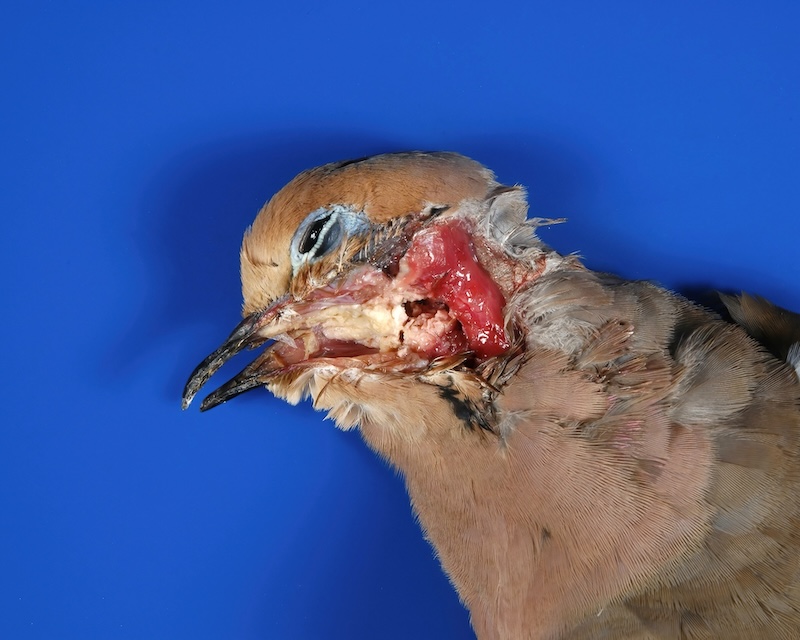
- White or yellow patches inside the mouth or throat
- Swollen or red areas in the beak or tongue
- Loss of appetite or difficulty eating
- Fluffed-up feathers and dull plumage
- Weight loss or weakness
Behavioral Changes
Besides physical signs, watch how your bird acts. Thrush can change normal behavior in these ways:
| Behavior | What to Look For |
| Eating Habits | Less interest in food or water |
| Activity Level | Less active or more tired than usual |
| Vocalization | Reduced chirping or unusual sounds |
| Preening | Less grooming or over-preening |
Home Remedies For Thrush
Thrush in birds is a common fungal infection. It affects their mouth and throat. Treating it early helps your bird recover faster.
Many home remedies can support healing. These include natural treatments and diet changes that help fight the infection.
Natural Treatments
Natural remedies can soothe your bird’s thrush and reduce fungal growth. Always check with a vet before trying new treatments.
- Use diluted apple cider vinegar in the bird’s drinking water to create an acidic environment.
- Apply coconut oil gently inside the beak to help fight fungi.
- Give chamomile tea as a mild mouth rinse to reduce inflammation.
- Keep the bird’s cage clean and dry to prevent fungus spread.
Dietary Adjustments
A healthy diet boosts your bird’s immune system. Certain foods can help fight thrush and improve recovery.
| Food Type | Benefit |
| Fresh fruits (like apples) | Provide vitamins and antioxidants |
| Plain yogurt | Contains probiotics to balance mouth flora |
| Leafy greens | Boost immune response |
| Clean, fresh water | Prevents dehydration and flushes toxins |
Medications And Veterinary Care
Thrush in birds is a fungal infection that needs proper treatment. Using the right medications helps your bird heal faster.
Veterinary care is important to diagnose and treat thrush correctly. A vet can recommend the best medicines and care steps.
Antifungal Treatments
Antifungal medicines fight the fungus that causes thrush in birds. These medicines can be given as drops, sprays, or oral doses.
Common antifungal drugs include nystatin, itraconazole, and fluconazole. Your vet will decide which one is best for your bird.
- Nystatin is often used for mild cases and is safe for many birds.
- Itraconazole treats more severe infections and is given by mouth.
- Fluconazole works well for some resistant fungal infections.
- Always follow the vet’s instructions on dosage and duration.
When To See A Vet
See a vet if your bird shows signs of thrush, like white patches in the mouth or trouble eating. Early care prevents serious problems.
If your bird does not improve with home care or medication, visit the vet again. The infection may need stronger treatment or tests.
- White or yellow patches in the beak or mouth
- Loss of appetite or weight
- Breathing problems or coughing
- Changes in behavior or activity
- Bird seems weak or sick
Preventing Thrush Recurrence
Thrush in birds can come back if not managed well. Preventing it helps keep birds healthy and happy.
Good care and clean surroundings lower the chance of thrush returning. Let’s look at key ways to do this.
Hygiene Practices
Keeping your bird and its environment clean stops thrush germs from spreading. Clean feeding and water dishes daily.
Remove leftover food and droppings often. Regularly wash your hands before and after handling birds.
- Disinfect cages and perches weekly
- Use bird-safe cleaning products
- Keep feathers dry and clean
- Trim nails and beak to avoid injury
Environmental Controls
Control the bird’s environment to reduce thrush risk. Avoid damp and drafty places where yeast grows easily.
Provide good ventilation and keep the temperature steady. Limit stress by giving birds quiet and safe areas.
- Change bedding regularly to keep it dry
- Keep cage away from other sick birds
- Offer fresh water daily
- Ensure a balanced diet to support immunity
Supporting Bird Recovery
Thrush in birds is a fungal infection that needs careful care. Supporting your bird’s recovery helps it heal faster.
Good care includes proper nutrition and a calm environment. These help the bird fight infection and regain strength.
Nutrition Tips
Healthy food helps your bird’s immune system. Offer fresh, high-quality food that is easy to digest.
Include soft foods if your bird has mouth soreness. Avoid sugary or fatty treats as they slow healing.
- Provide fresh fruits and vegetables daily
- Offer cooked grains like rice or oats
- Give clean water at all times
- Use supplements only if recommended by a vet
Stress Reduction Techniques
Stress weakens your bird’s recovery. Keep the cage in a quiet, safe spot away from loud noises.
Limit handling to only what is necessary. A calm bird recovers faster and feels more comfortable.
- Maintain a consistent daily routine
- Use soft lighting near the cage
- Reduce sudden movements around the bird
- Provide familiar toys or perches for comfort

Credit: www.ladygouldianfinch.com
Frequently Asked Questions
What Are The Common Symptoms Of Thrush In Birds?
Thrush in birds often causes white patches in the mouth and throat. Birds may show difficulty swallowing, decreased appetite, and lethargy. Early detection is crucial for effective treatment.
How Can I Effectively Treat Thrush In My Bird?
Treat thrush with antifungal medications prescribed by a vet. Maintain good hygiene and clean the bird’s living environment regularly to prevent recurrence.
Can Diet Changes Help Prevent Thrush In Birds?
Yes, a balanced diet boosts immunity and reduces thrush risk. Avoid sugary and moldy foods that promote fungal growth. Fresh fruits, vegetables, and clean water are essential.
Is Thrush Contagious Between Birds?
Thrush can spread through direct contact or contaminated surfaces. Quarantine infected birds and sanitize cages to protect healthy birds and control infection spread.
Conclusion
Treating thrush in birds requires prompt care and attention. Clean the bird’s environment regularly to prevent infections. Use recommended medicines as directed by a vet. Watch your bird’s eating and behavior closely. Early treatment helps your bird heal faster. Keep your pet comfortable and stress-free.
Healthy habits reduce the risk of thrush returning. Caring for your bird well ensures a happy life. Stay patient and consistent with the treatment process. Your efforts make a big difference in your bird’s health.




