
Have you ever paused to wonder how something as simple as a mirror could become a deadly trap for our feathered friends? As surprising as it may sound, mirrors can pose a significant threat to birds, leading to unfortunate and often fatal collisions.
You’re about to uncover the unseen perils lurking in reflective surfaces, and why they become invisible predators in the skies above. This isn’t just a random occurrence—it’s a pressing issue that affects bird populations worldwide. Delving into the mystery of how mirrors can kill birds not only enhances your awareness but also empowers you to make small, meaningful changes in your environment.
Ready to discover the hidden danger and learn how you can help? Keep reading to find out more.

Credit: www.cbc.ca
Mirror Reflections And Bird Behavior
Birds often see their reflection in mirrors or glass. They may react strongly to these reflections.
Understanding how birds respond to mirrors helps explain some unusual bird behaviors.
Birds And Their Perception Of Reflections
Birds do not recognize themselves in mirrors. They think the reflection is another bird.
This can cause confusion or stress when they see their reflection repeatedly.
- Reflections look like real birds
- Birds cannot tell the difference
- They may try to interact or attack the reflection
Territorial Reactions To Mirror Images
Many birds are very territorial. They see their reflection as a rival bird.
This causes them to attack the mirror to defend their space.
- Birds may peck or hit the mirror repeatedly
- They try to chase the “intruder” away
- Repeated attacks can injure the bird or cause exhaustion

Credit: www.discovermagazine.com
Why Birds Attack Mirrors
Birds often see their reflections in mirrors or windows. They think another bird is in their space. This causes them to attack the mirror.
These attacks can be harmful to the birds. The mirror confuses them, making them act aggressively.
Mistaking Reflections For Rivals
Birds see their reflection and believe it is a rival bird. They try to defend their territory. This causes repeated attacks on the mirror.
The reflection looks like a real bird that will not leave. Birds do not realize it is just an image.
- Reflections show the bird’s shape and movements
- Birds think the reflection is a threat
- They try to scare off the “intruder”
- They may peck or hit the mirror hard
Impact Of Aggressive Behavior On Birds
Attacking mirrors can hurt birds physically. They may injure their beak or head. The stress can also affect their health.
Repeated attacks waste energy and time. This can make it hard for birds to find food or care for their young.
- Physical injuries from hitting hard surfaces
- Increased stress levels
- Reduced time for feeding and resting
- Distraction from important tasks like nesting
Fatal Consequences Of Mirror Collisions
Birds often fly into mirrors because they see their reflection. They mistake it for another bird or open space. These collisions can cause serious injuries or death.
This article explains the injuries caused by mirror strikes and how repeated attacks can lead to death.
Injuries Caused By Mirror Strikes
When birds hit mirrors, they can suffer from many injuries. These injuries affect their ability to survive.
- Broken bones from the impact
- Damaged wings that stop flying
- Internal bleeding from sudden hits
- Head trauma causing disorientation
- Crushed feathers reducing insulation
How Repeated Attacks Lead To Death
Birds may strike mirrors many times, trying to fight their reflection. This repeated trauma worsens their condition.
| Effect | Description |
| Fatigue | Birds lose energy after constant collisions |
| Infection | Open wounds can get infected without care |
| Starvation | Injured birds may not find food easily |
| Predation | Weak birds become easy targets for predators |
| Death | Severe injuries and stress lead to death |
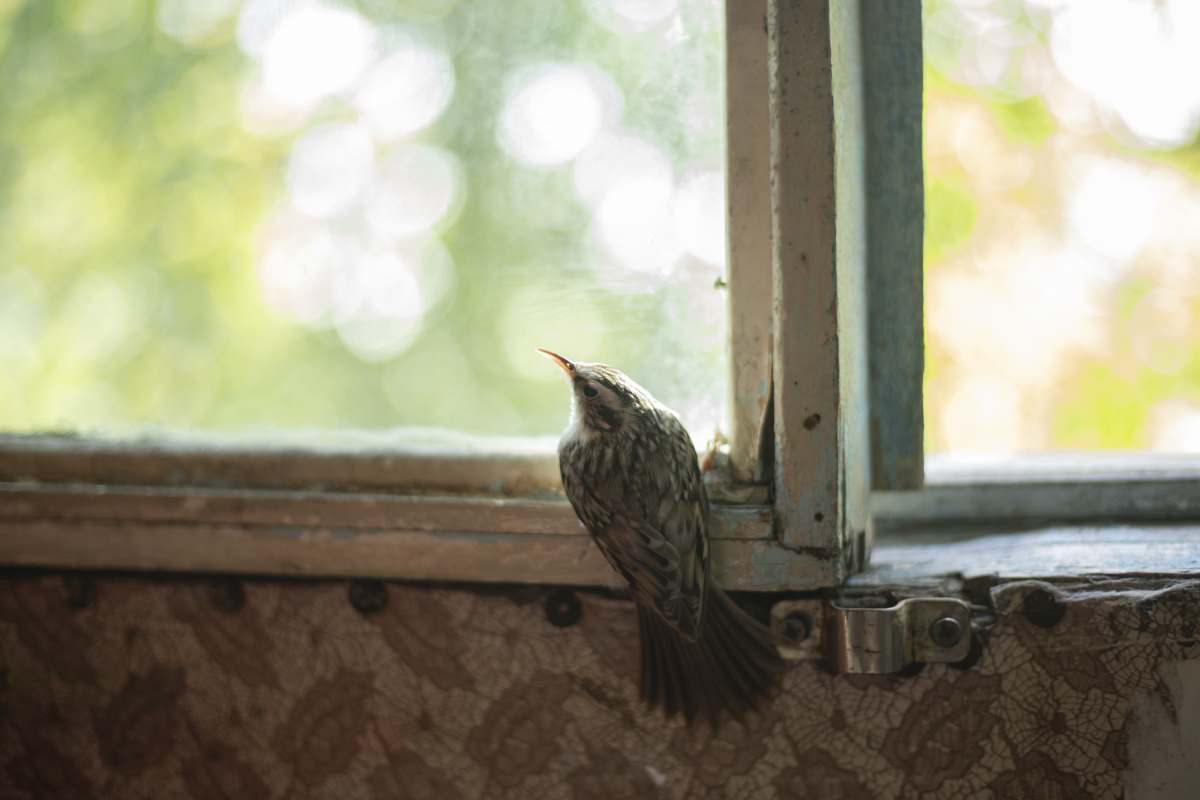
Credit: www.greenmatters.com
Preventing Bird Deaths From Mirrors
Birds often fly into mirrors because they see reflections of the sky or trees. These collisions can hurt or kill birds.
We can stop these accidents by changing how mirrors reflect light and images. This helps birds recognize glass as a barrier.
Effective Ways To Reduce Reflections
Reducing the reflection on mirrors makes them less confusing for birds. Here are some easy ways to do this:
- Place decals or stickers on the glass to break up reflections.
- Use external shading like awnings or screens to limit mirror shine.
- Angle mirrors slightly downward so they reflect less open sky.
- Install netting or bird tape over glass surfaces.
- Keep plants or bushes away from mirrors to reduce reflected images.
Using Bird-safe Mirror Designs
Some mirrors are made to be safe for birds. These designs reduce reflections or make glass visible.
| Design Type | Description | Benefit for Birds |
| Frosted Glass | Blurs reflections | Birds see less clear images |
| Patterned Films | Dots or lines on glass | Breaks up mirror image |
| UV-Reflective Coating | Reflects ultraviolet light | Visible to birds, invisible to humans |
| Angled Glass | Slants mirror surface | Reduces sky reflections |
Real-life Cases And Studies
Birds sometimes fly into mirrors because they see their reflection. They think it is another bird or open space. This can cause serious injury or death.
Scientists and bird watchers have studied these cases to understand why mirrors are dangerous for birds. Below are real examples and research findings.
Documented Incidents Of Mirror-related Bird Deaths
Many reports show birds dying after hitting mirrors. Some happen near homes with large windows or mirrored surfaces.
For example, a study in the United States found that birds often hit mirrored office buildings. The mirrors reflect sky and trees, tricking birds into flying into them.
- In one case, a blue jay died after flying into a large garden mirror.
- Another report described hummingbirds repeatedly hitting small mirrors on balconies.
- Birds in urban areas face more risk due to glass and mirrors on buildings.
Scientific Research On Bird-mirror Interactions
Scientists study why birds react to mirrors. Birds see reflections and think they are real birds or open space. This causes them to fly toward the mirror.
Research shows that some bird species are more affected than others. Male birds may attack their reflection during breeding season.
- Birds use sight to find mates and territory. Reflections confuse this behavior.
- Mirrors reflect the environment, making birds think they can pass through.
- Researchers use experiments to test how birds respond to mirrors and glass.
Frequently Asked Questions
Why Do Birds Collide With Mirrors?
Birds often mistake mirrors for open sky or habitat. They fly towards reflections, causing fatal collisions due to impact.
Can Mirror Reflections Confuse Birds?
Yes, mirror reflections trick birds into thinking they see rivals or mates. This confusion leads to aggressive or territorial behavior.
How Can Mirrors Be Made Bird-safe?
Using decals, films, or patterns on mirrors breaks reflections. This reduces bird collisions by making mirrors visible as solid objects.
What Types Of Birds Are Most Affected?
Territorial and fast-flying birds are most prone. Species like hummingbirds and songbirds often collide with reflective surfaces.
Conclusion
Mirrors can confuse birds and cause harm. Birds see their reflection and think it is a rival. They may fly into the mirror, hurting themselves. This is why placing mirrors carefully is important. Using decals or covering mirrors can help.
Protecting birds keeps nature safe and peaceful. Small actions can make a big difference for wildlife. Remember, awareness helps prevent accidental harm to birds. Be mindful of reflections around your home. Caring for birds shows respect for the environment.




