
Have you ever noticed a bird fiercely attacking its own reflection in a window or car mirror? It’s a puzzling behavior that leaves many of us wondering what’s really going on.
You might be surprised to learn that mirrors can trigger aggressive reactions in birds, leading to a whirlwind of squawks and flutters. But why does this happen? Is your garden’s charming visitor turning into an unexpected adversary? Understanding this behavior can help you create a more peaceful environment for both you and your feathered friends.
Dive into this article to discover the fascinating reasons behind this intriguing phenomenon and learn how you can make a difference.

Credit: www.reddit.com
Bird Behavior And Mirrors
Birds sometimes react strongly to mirrors. They see their reflection and think it is another bird. This can cause different behaviors.
Some birds become aggressive when they see their reflection. Others may show curiosity or try to communicate. Understanding this helps bird owners and watchers.
Why Birds React To Their Reflection
Birds often see their reflection as a rival bird. They do not know it is just an image. This makes them defend their space or territory.
Some birds try to attract the “other bird” in the mirror. They may sing or show off their feathers. This shows they want to be friends or mates.
- Territorial birds attack reflections to protect their area.
- Some birds display courtship behaviors toward mirrors.
- Others may become confused and stressed by the reflection.
Species Most Affected By Mirrors
Certain bird species are more likely to react strongly to mirrors. These birds are usually territorial or social. They see reflections as threats or companions.
Common species affected include small songbirds and some parrots. These birds spend much time defending their space or seeking mates.
- Robins often attack mirrors during breeding season.
- Sparrows may peck at their reflections aggressively.
- Parrots show curiosity and sometimes aggression.
- Finches can become stressed by mirror images.

Credit: www.reddit.com
Aggression Triggers In Birds
Birds can show aggression for many reasons. Their actions may seem strange to us.
Understanding what makes birds aggressive helps us take better care of them.
Territorial Instincts
Birds often guard their space from intruders. They see mirrors as other birds.
This makes them act aggressively to protect their territory. They may peck or flap wings.
- Mirror reflections look like rivals
- Birds try to scare off their reflection
- Territorial behavior is natural in many bird species
Mating Season And Rivalry
During mating season, birds become more aggressive. They compete for mates and space.
Mirrors can confuse birds, making them think a rival is nearby. This causes fights or loud calls.
- Birds show stronger aggression in mating season
- Reflections may be mistaken for competitors
- More rivalry leads to more aggressive actions
Scientific Studies On Mirrors And Birds
Birds often react to their reflections in mirrors. Scientists study if mirrors make birds aggressive. Understanding this helps with bird care and behavior.
Some birds see their reflection as a rival. This can cause them to act aggressively. Research explores these behaviors in detail.
Key Research Findings
Studies show that some bird species become aggressive when they see mirrors. They may attack their reflection, thinking it is another bird. Aggression levels differ by species and individual bird.
Birds often try to defend territory against their reflection. This can lead to repeated aggressive behavior. Some birds calm down after time, while others stay alert.
- Male birds usually show more aggression toward mirrors.
- Species that defend territory tend to react stronger.
- Repeated mirror exposure may reduce aggression.
Experiments In Captivity Vs. Wild
Captive birds often face mirrors in small spaces. This makes aggressive behavior easier to observe. Studies in labs find clear signs of mirror-induced aggression.
Wild birds show mixed reactions to mirrors. They may avoid mirrors or react less aggressively. Natural environments offer more distractions and escape options.
- Captive birds attack mirrors more often than wild birds.
- Wild birds may use mirrors to explore rather than fight.
- Stress levels rise more in captive birds around mirrors.
Impact Of Mirrors On Bird Welfare
Mirrors are often used with birds to provide stimulation or company. It is important to understand how mirrors affect bird welfare. Some birds may react differently to their reflection.
We explore how mirrors influence birds’ stress, anxiety, and behavior over time. This helps bird owners make better decisions about using mirrors.
Stress And Anxiety Levels
Birds may feel stress or anxiety when they see their reflection. Some birds think the mirror shows another bird. This can cause worry or excitement.
- Mirrors can cause confusion and increased alertness.
- Some birds may become aggressive toward their reflection.
- Others may feel comforted by the mirror’s presence.
- Stress levels vary by bird species and individual traits.
- Long-term exposure may reduce or increase anxiety.
Behavioral Changes Over Time
Birds may change how they act after seeing mirrors for some time. They might get used to the reflection or show new behaviors.
| Behavior | Short-Term Effect | Long-Term Effect |
|---|---|---|
| Aggression | May increase when first exposed | Can decrease with familiarity or stay high |
| Social Interaction | Bird may try to communicate with reflection | May reduce loneliness or cause frustration |
| Activity Level | Bird may become more active or restless | Activity may normalize or lead to boredom |
Using Mirrors Safely With Birds
Mirrors are common in bird cages. They can keep birds busy and curious. But mirrors can also cause problems.
Knowing how to use mirrors safely helps protect your bird’s health and mood. Not all birds react the same to mirrors.
When Mirrors Help
Some birds enjoy mirrors because they see their reflection as a friend. This can reduce loneliness in single birds.
Mirrors can encourage birds to be more active and playful. They may sing, talk, or interact with their reflection.
- Birds feel less alone with a mirror
- Mirrors can stimulate play and exercise
- Some birds learn new sounds from their reflection
Avoiding Negative Effects
Birds may get aggressive if they think the mirror is a rival. They might peck or attack the mirror.
Too much time with a mirror can cause stress or frustration. Some birds may ignore real friends outside the cage.
- Watch your bird’s behavior around the mirror
- Limit mirror time to short periods daily
- Remove the mirror if the bird shows aggression
- Offer toys and social time to balance mirror use
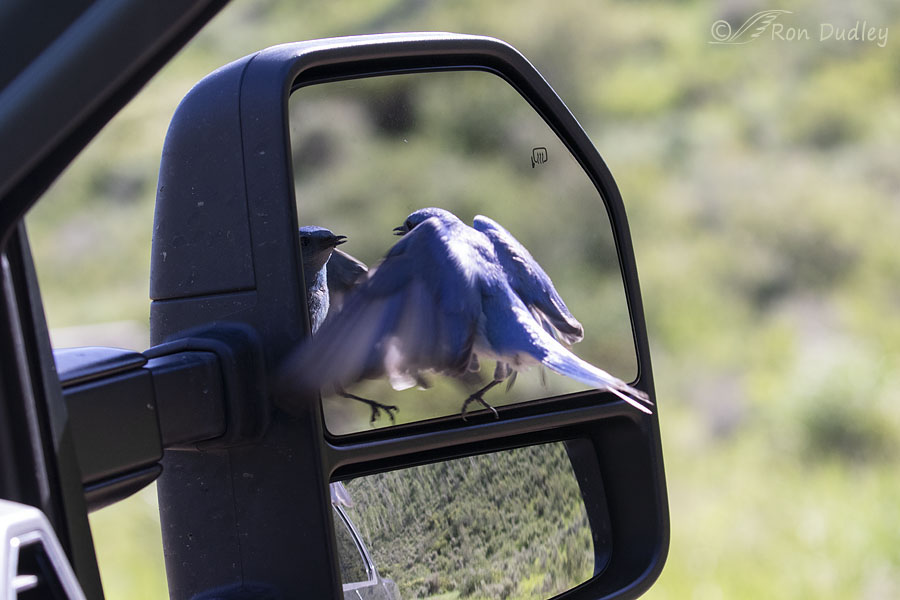
Credit: www.featheredphotography.com
Alternatives To Mirrors For Bird Enrichment
Mirrors can sometimes make birds feel stressed or aggressive. Birds may think their reflection is a rival bird. This can cause fights or anxiety.
There are better ways to keep birds happy and active. Using toys and social time helps birds stay calm and entertained.
Toys And Environmental Enhancements
Toys are great for bird enrichment. They give birds something fun to do and keep their minds busy. Different toys can target chewing, climbing, or problem-solving skills.
Environmental enhancements improve the bird’s living space. Adding perches, swings, and natural branches makes the cage more interesting. This helps reduce boredom and aggression.
- Chewable wooden toys
- Foraging toys that hide treats
- Swings and ladders for climbing
- Natural branches for perching
- Shreddable paper or palm leaves
Social Interaction Benefits
Birds are social animals. Spending time with other birds or people helps reduce stress. Social interaction keeps birds calm and less aggressive.
Talking, playing, and gentle handling build trust. Birds that feel safe are less likely to act out. They enjoy company more than mirrors.
- Regular time with other birds
- Daily gentle talking and play
- Training sessions with treats
- Safe supervised out-of-cage time
Frequently Asked Questions
Do Mirrors Cause Birds To Become Aggressive?
Yes, mirrors can trigger aggression in birds. They often see their reflection as a rival, leading to defensive or territorial behavior.
Why Do Birds Attack Their Reflections In Mirrors?
Birds attack reflections because they perceive them as intruders. This behavior is a natural response to protect their territory from competitors.
Can Mirrors Stress Birds Or Affect Their Behavior?
Mirrors can stress birds by causing confusion or frustration. Prolonged exposure may lead to repeated aggressive actions or anxiety in some species.
How Can I Reduce Bird Aggression Caused By Mirrors?
To reduce aggression, cover mirrors or use non-reflective surfaces. Providing visual barriers or distractions can also help calm territorial birds.
Conclusion
Mirrors can sometimes make birds act more aggressive. Birds see their own reflection and think it is a rival. This can lead to pecking or attacking the mirror. Not all birds react the same way, though. Some ignore mirrors completely.
Understanding bird behavior helps keep them calm and safe. Using mirrors carefully can avoid stress for your birds. Observing your bird’s response is important. This way, you know if mirrors cause trouble or not.




