
Have you ever wanted to see the bigger picture, to understand something clearly from above? The idiom “A Bird’s Eye View” can help you do just that.
It’s a simple phrase, but it holds powerful meaning that can change how you look at situations in your life. You’ll discover what this idiom really means, where it comes from, and how you can use it to improve your thinking and communication.
Keep reading, and you’ll soon gain a fresh perspective that makes complex things easier to grasp.

Credit: dictionary.cambridge.org
Origin Of The Idiom
The idiom “A Bird’s Eye View” means seeing something from above. It gives a clear and wide perspective.
This phrase comes from the idea of looking at a place or object as a bird would from the sky. It shows the whole area at once.
Historical Background
The phrase dates back to the 18th century. It was used to describe maps and drawings made from high above.
Early artists and mapmakers tried to show lands and cities as if seen from the air. This helped people understand locations better.
Use In Cartography
Cartographers used “bird’s eye views” to create detailed maps. These views were not from real flights but imagined from above.
- Showed streets and buildings clearly
- Helped travelers and traders find routes
- Made city layouts easier to understand
Modern Usage
Today, the idiom means getting a quick overview of a subject. It is used in many fields like business and education.
Fun Fact:The “bird’s eye view” inspired the first aerial photographs in the 19th century. These photos changed how people saw the world.
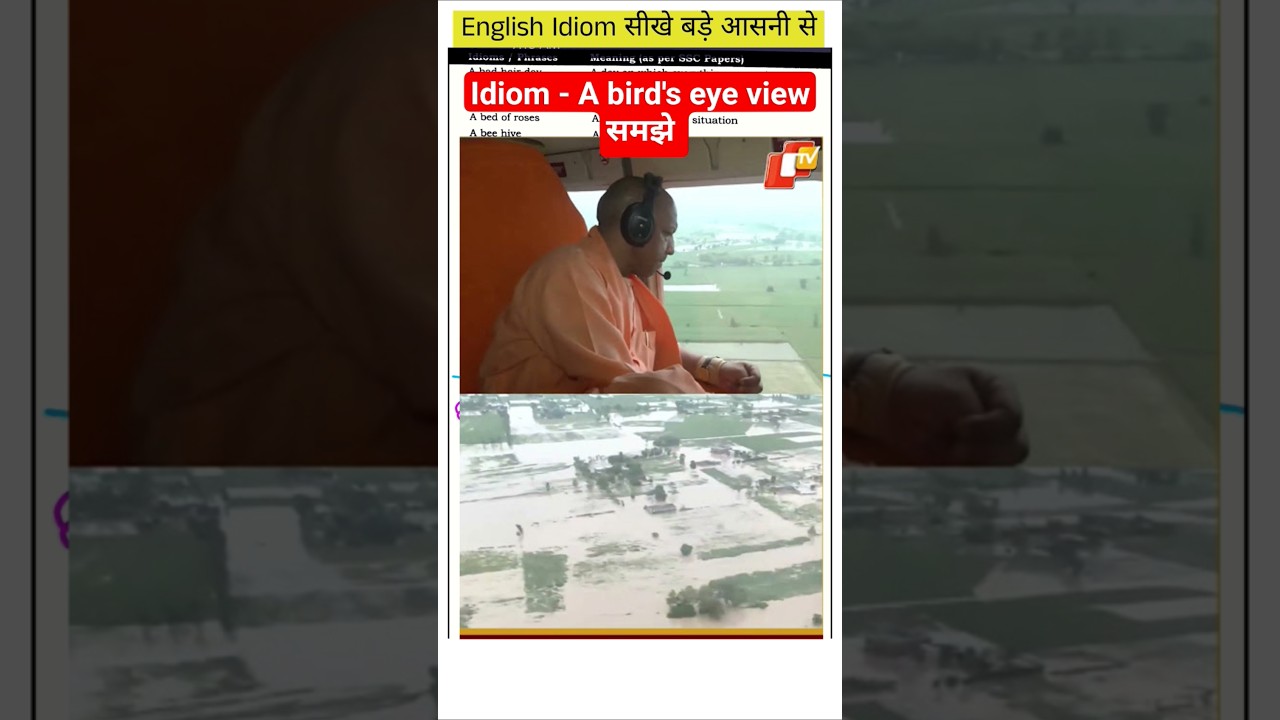
Credit: www.youtube.com
Literal Vs Figurative Meaning
The idiom “a bird’s eye view” is often used in English. It can mean two different things: literal and figurative.
Understanding both meanings helps you use the phrase correctly in speech and writing.
Literal Meaning
The literal meaning of “a bird’s eye view” is the view from high above, like a bird flying in the sky.
It describes what you see when you look down from a great height.
- Seeing the land, buildings, or roads from above
- Used by pilots, drone operators, or in maps
- Shows the big picture from a high position
Figurative Meaning
The figurative meaning means looking at a situation from a broad or overall perspective.
It helps people understand the main idea without focusing on small details.
- Seeing the whole problem instead of just parts
- Used in business, education, and daily life
- Helps make better decisions with a clear view
Common Contexts For Usage
The idiom “a bird’s eye view” means seeing something from above. It helps people understand the whole picture quickly.
This phrase is used in many situations to describe a broad or general perspective. Below are some common contexts.
Business And Management
In business, “a bird’s eye view” describes looking at a project or company as a whole. It helps managers plan and make decisions.
- Reviewing overall company performance
- Planning new business strategies
- Understanding market trends
- Coordinating teams and departments
Education And Learning
Teachers and students use this idiom to talk about understanding a topic broadly before learning details.
| Use Case | Description |
| Study Planning | Looking at the entire syllabus before exams |
| Teaching | Explaining main ideas before details |
| Research | Surveying all sources before deep study |
Everyday Conversations
People use “a bird’s eye view” in daily talks to mean seeing the big picture or general idea.
Common examples include:
- Describing a city map from above
- Summarizing a story without details
- Talking about plans without specific steps
Examples In Sentences
The idiom “a bird’s eye view” means to see something from above or to get a general idea. It helps describe a clear overview of a place or situation.
This phrase is often used in writing and speaking to explain seeing things broadly or from a distance.
Formal Writing
In formal writing, “a bird’s eye view” is used to describe an overall summary or perspective. It helps readers understand the big picture clearly.
- The report provides a bird’s eye view of the company’s financial status.
- We need a bird’s eye view of the project before making decisions.
- The map offers a bird’s eye view of the entire city layout.
Casual Speech
People use “a bird’s eye view” in casual talk to mean seeing the whole thing quickly or simply. It is easy to use when explaining plans or places.
- Can you give me a bird’s eye view of what happened at the meeting?
- From the hill, we got a bird’s eye view of the festival.
- Let me give you a bird’s eye view before we start the game.
Similar Idioms And Phrases
The idiom “A bird’s eye view” means seeing something from above. It shows a wide or complete look at a place or situation.
Many idioms and phrases give a similar idea of looking at things broadly or from a distance. These expressions help describe how we understand or observe situations.
Overview Idioms
These idioms focus on seeing the whole picture or getting a general idea.
- Big picture view
- Taking a step back
- Seeing the forest for the trees
- Zooming out
Seeing From Above Phrases
These phrases talk about looking down from a high place or having a high viewpoint.
| Phrase | Meaning |
| From the top of the hill | Looking from a high place |
| From a helicopter view | Seeing the whole area clearly |
| From cloud nine | Feeling very happy, often with a broad view |
| Overlooking the scene | Watching something from above |
Related Expressions For Clarity
These expressions relate to clear understanding or gaining insight.
- Clear as day
- In broad daylight
- See the light
- Eye-opener

Credit: dictionary.cambridge.org
Tips For Using The Idiom Correctly
The idiom “a bird’s eye view” means seeing something from above. It also means looking at the big picture or overall view of a situation.
Using this idiom correctly helps you express ideas clearly. Here are some tips to use it the right way.
Use It To Show A General Overview
Use “a bird’s eye view” when you want to describe seeing all parts of something together. It shows you understand the whole, not just small details.
For example, say, “Let me give you a bird’s eye view of the project.” This means you will explain the main points, not every detail.
Avoid Using It For Close Or Detailed Looks
Do not use this idiom when talking about close or detailed views. It means the opposite of looking closely at something.
For example, saying “I have a bird’s eye view of the small parts” is wrong. Use it only for wide or general views.
Use It In Both Literal And Figurative Ways
You can use the idiom to mean seeing from high above, like from a plane. It can also mean understanding a situation fully.
Example literal use: “The drone gave us a bird’s eye view of the forest.” Figurative use: “She has a bird’s eye view of the business plan.”
Match The Idiom With The Context
Make sure the idiom fits the topic you talk about. It works well in business, planning, and describing physical views from above.
Using it in the wrong context can confuse people. Think about what you mean before using the phrase.
Pair It With Clear Explanations
Sometimes people might not know this idiom. After using it, explain what you mean in simple words.
- Say what the big picture includes
- Give examples to show the overview
- Keep explanations short and clear
Frequently Asked Questions
What Does The Idiom “a Bird’s Eye View” Mean?
“A Bird’s Eye View” means seeing something from a high or overall perspective. It helps understand the bigger picture without focusing on details.
When Should I Use “a Bird’s Eye View” Idiom?
Use this idiom when describing an overview or general understanding of a situation or place, avoiding intricate details.
How Is “a Bird’s Eye View” Useful In Communication?
It simplifies complex information by providing a clear, broad perspective. This makes explanations easier to grasp quickly.
Can “a Bird’s Eye View” Apply To Problem-solving?
Yes, it helps analyze problems broadly before focusing on specifics. It aids in strategic planning and decision-making.
Conclusion
Understanding “a bird’s eye view” is essential for clear perspectives. This idiom helps in visualizing the bigger picture. It offers insight beyond the immediate surroundings. Use it to describe wide-ranging views or broad understandings. Its meaning is easy to grasp and apply.
Many find it useful in discussions and writing. Remember, seeing things from above gives clarity. It helps in making informed decisions. Next time, think about this idiom. It might provide the perspective you need. A simple phrase, yet powerful in thought.




