
Have you ever heard a sudden thud against your window and wondered what it was? Chances are, a bird just flew straight into your mirrored glass.
It might sound surprising, but this happens more often than you think. Birds can mistake reflections of the sky or trees for the real thing, leading to unfortunate collisions. You might be curious about why this happens and what you can do to prevent it.
With an increasing number of homes and offices featuring large, mirrored windows, this issue is more common than ever. Stick around to discover how you can protect these beautiful creatures while still enjoying the aesthetics of your space. Understanding the reasons behind these collisions could make a significant difference in the lives of our feathered friends—and perhaps bring a little peace of mind to you, too.
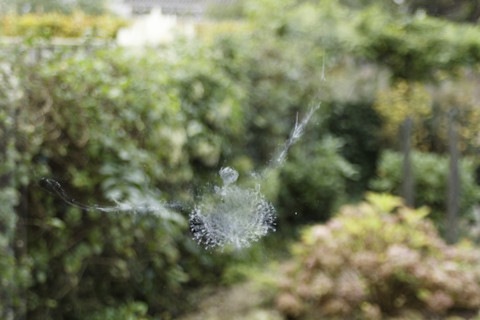
Credit: www.discovermagazine.com
Why Birds Collide With Windows
Birds often crash into windows because they cannot tell the glass is there. The reflections on the glass confuse them. This causes many accidents every year.
Understanding why birds fly into windows helps us find ways to stop it. Three main reasons explain these collisions: reflection illusions, territorial behavior, and flight patterns near buildings.
Reflection Illusions
Windows reflect the sky, trees, and open spaces. Birds see these reflections and think they are real. They try to fly through the glass to reach what they see.
Because glass is clear and shiny, birds do not understand it is a solid barrier. This causes many collisions, especially on sunny days when reflections are strong.
Territorial Behavior
Many birds are very protective of their territory. They see their reflection in the window and think it is another bird. They try to fight or chase the “intruder.”
This behavior makes birds hit windows while attacking their own reflection. Mating season increases these attacks because birds defend their space more.
Flight Patterns Near Buildings
Birds often fly close to buildings during travel or while searching for food. Windows in these areas can catch birds by surprise. They do not have time to avoid the glass.
Some buildings have many windows that confuse birds. Bright lights and reflections change how birds fly near these structures, increasing collision risk.

Credit: www.reddit.com
Impact On Bird Populations
Birds often cannot see glass and fly into mirrored windows. This causes many injuries and deaths every year. Understanding the impact on bird populations is important for conservation.
Many birds die or get hurt by hitting windows. This problem affects different species differently. Some birds are more at risk than others.
Injury And Mortality Rates
Bird collisions with mirrored windows cause serious injuries. Many birds die instantly or suffer from broken bones. Some survive but have lasting damage.
- Millions of birds die yearly due to window collisions.
- Injuries include broken wings, head trauma, and internal damage.
- Mortality rates vary by location and window type.
- Birds often hit windows during flight at high speeds.
Species Most At Risk
Certain bird species are more prone to hitting mirrored windows. These species tend to be more active near buildings or migrate at night.
| Species | Reason for Risk | Common Areas |
| American Robin | High flight activity | Urban and suburban areas |
| Hummingbird | Attracted to reflections | Gardens and parks |
| Warblers | Migration routes cross cities | Forested city edges |
| Woodpeckers | Territorial behavior near windows | Residential neighborhoods |
How Mirrors Increase Risks
Birds often fly into mirrored windows because they cannot tell the difference between real space and reflections. Mirrors can show clear images of the sky or trees, which birds think they can fly into.
Understanding how mirror placement and types affect bird collisions helps reduce accidents. Certain angles and mirror styles increase the risk of birds hitting windows.
Mirror Placement And Angle
Mirrors placed at certain heights and angles can confuse birds. If mirrors reflect open sky or greenery, birds will try to fly through the reflection.
- Mirrors angled to reflect trees or plants attract birds.
- Low mirrors near ground level may reflect bushes, causing confusion.
- Mirrors facing open sky can look like open flight paths.
- Placing mirrors on busy bird flight routes increases risks.
Common Mirror Types Involved
Not all mirrors cause the same level of risk. Some types are more likely to lead to bird collisions because of their reflectivity and size.
| Mirror Type | Risk Level | Reason |
|---|---|---|
| Large flat mirrors | High | Show wide reflections of sky and trees |
| Concave mirrors | Medium | Distort images but still attract birds |
| Convex mirrors | Low | Show smaller, less clear reflections |

Credit: www.reddit.com
Preventing Bird Collisions
Birds often fly into mirrored or glass windows because they see reflections of trees or sky. These collisions cause many bird injuries and deaths every year. We can use simple methods to help birds avoid these accidents.
Preventing bird collisions protects wildlife and makes buildings safer. Below are ways to reduce risks using window treatments, building designs, and landscaping.
Window Treatments And Decals
Applying special treatments to windows helps birds recognize glass as a barrier. Decals and films break up reflections that confuse birds.
- Use patterned decals spaced no more than 2 inches apart.
- Apply frosted or translucent films to reflect less light.
- Install external screens or netting over windows.
- Close blinds or curtains when not in use to reduce reflections.
- Place feeders and bird baths either very close or far from windows.
Designing Bird-friendly Buildings
Architects can design buildings that limit glass reflections and bird strikes. Using bird-safe glass and thoughtful layouts reduces hazards.
| Design Feature | Description |
| Angled Glass | Slants glass downward to reduce reflections. |
| Bird-Safe Glass | Glass with visible patterns or UV coatings. |
| Reduced Glass Area | Limits large glass surfaces facing green areas. |
| Window Screens | External mesh to soften reflections and cushion impacts. |
Landscaping Tips To Reduce Risks
Proper landscaping can lower bird collisions by changing how birds approach windows. Plant placement and types matter.
Try these landscaping tips:
- Place shrubs and trees either very close (within 3 feet) or far (more than 30 feet) from windows.
- Avoid planting large trees directly in front of glass surfaces.
- Use less reflective ground covers near windows.
- Keep bird feeders and baths away from windows to prevent birds flying fast near glass.
Scientific Studies And Findings
Birds sometimes fly into mirrored windows because they see reflections of the sky or trees. Scientists have studied this behavior to understand why it happens and how to stop it.
Research shows that birds cannot tell the difference between real space and reflected images. This causes many collisions, which can harm or kill birds.
Research Methods
Scientists use several methods to study bird collisions with mirrored windows. These include field observations, experiments, and data collection from bird rescue groups.
- Watching bird behavior near different types of windows
- Using cameras to record collisions
- Testing how birds react to window treatments like decals or films
- Collecting data on injured or dead birds found near buildings
Key Discoveries
Studies have found several important facts about birds and mirrored windows. Some window types cause more collisions than others. Reflective glass is especially dangerous.
| Finding | Details |
| Reflection Confusion | Birds mistake reflections for real open space |
| Collision Risk | Mirrored and large glass surfaces cause more crashes |
| Time of Day | Birds hit windows most during dawn and dusk |
| Preventive Measures | Decals and films reduce collisions by making glass visible |
What You Can Do To Help
Birds often fly into mirrored windows because they see reflections of the sky or trees. This can hurt or kill many birds every year. You can take simple actions to protect them.
Below are ways to monitor collisions and support efforts that save birds from these accidents.
Monitoring And Reporting Collisions
Watching for bird collisions helps gather data to understand the problem better. Reporting these incidents can lead to changes that protect birds.
- Check windows regularly for injured or dead birds.
- Record the date, time, and location of each collision.
- Take photos if possible for clear documentation.
- Report findings to local wildlife groups or online databases.
- Share information with neighbors to raise awareness.
Supporting Conservation Efforts
Helping conservation groups can reduce bird collisions over time. Your support can fund research and promote safe building designs.
| Action | How It Helps |
| Install window decals or films | Makes windows visible to birds |
| Use bird-friendly glass in new buildings | Reduces reflections that confuse birds |
| Plant native trees and shrubs | Provides safe habitats away from windows |
| Support local bird rescue groups | Helps injured birds recover |
Frequently Asked Questions
Why Do Birds Fly Into Mirrored Windows?
Birds fly into mirrored windows because they see reflections of the sky or trees. They mistake these reflections for open space. This confusion leads to collisions, as birds try to reach what appears to be a clear path or habitat.
How Can Mirrored Windows Harm Birds?
Mirrored windows can cause serious injuries or death to birds. When birds collide at high speeds, they often suffer broken wings or fatal trauma. These collisions significantly contribute to bird mortality worldwide.
What Are Effective Ways To Prevent Bird Collisions?
To prevent collisions, use window decals, screens, or external shades. These break up reflections and make glass visible to birds. Adjusting window angles or using UV-reflective glass can also reduce accidents.
Are Some Bird Species More Prone To Window Collisions?
Yes, migratory and territorial birds are more prone to window collisions. Species like warblers and thrushes often fly at window height during migration. Their natural behaviors increase the risk of hitting mirrored surfaces.
Conclusion
Birds often fly into mirrored windows by mistake. They see reflections of sky or trees and think they are real. This causes many bird injuries and deaths every year. You can help by using stickers or screens on windows. These make the glass visible to birds.
Protecting birds is easy and important for nature. Small changes at home can save many lives. Keep your windows safe and help birds fly free.




