
If you raise chickens or care about their health, you’ve probably wondered: Can bird flu be treated in chickens? This question matters because bird flu can spread quickly and cause serious problems for your flock.
You want to protect your birds and keep them safe. Understanding whether treatment is possible will help you make smart decisions and act fast if bird flu strikes. Keep reading to find out what you need to know about bird flu treatment and how you can best protect your chickens.
Bird Flu Basics
Bird flu is a disease that affects chickens and other birds. It can cause serious health problems and death in birds.
Understanding bird flu helps farmers protect their flocks and stop the disease from spreading.
What Causes Bird Flu
Bird flu is caused by a virus called avian influenza. This virus infects birds like chickens, ducks, and wild birds.
Different types of avian influenza viruses exist. Some cause mild illness, while others cause severe disease and death.
Symptoms In Chickens
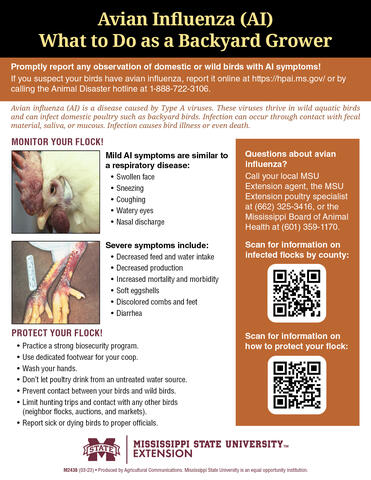
Chickens with bird flu show many signs of illness. Some symptoms appear quickly and are easy to notice.
- Sudden death without signs
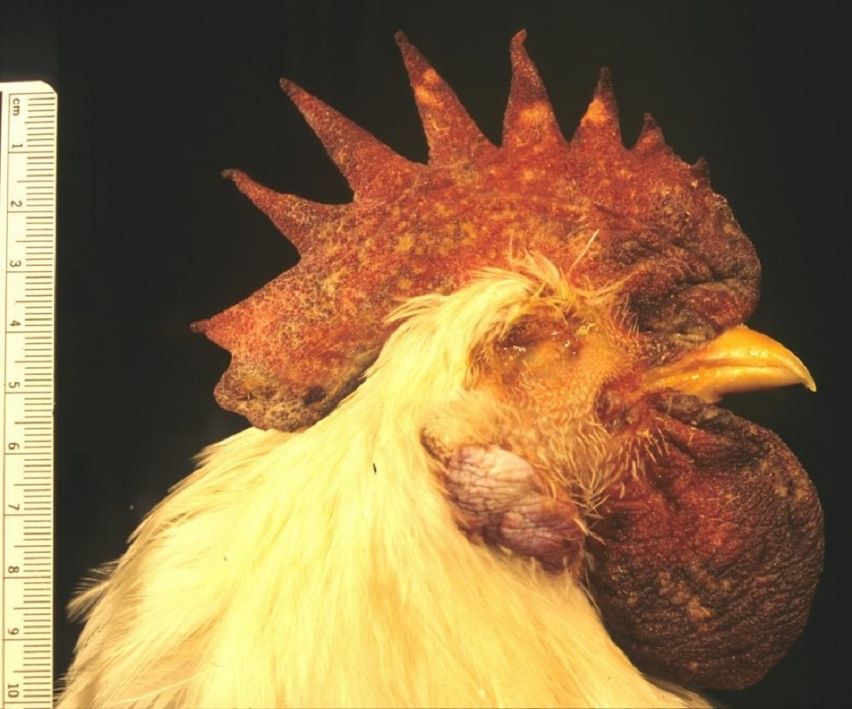
- Swelling of the head and neck
- Discharge from eyes and nose
- Reduced egg production
- Weakness and loss of appetite
How It Spreads
Bird flu spreads fast among birds. The virus passes through saliva, nasal secretions, and droppings.
- Direct contact with infected birds
- Contact with contaminated surfaces
- Sharing food and water sources
- Wild birds carrying the virus
Credit: www.merckvetmanual.com
Diagnosis Methods
Diagnosing bird flu in chickens is important to stop the disease. Early detection helps protect the flock. Several methods are used to find infected birds.
This guide explains how to identify infected birds, laboratory tests, and field observations used in diagnosis.
Identifying Infected Birds
Look for signs that show a chicken might have bird flu. Sick birds show changes in behavior and health. Farmers and vets watch for these signs closely.
- Sudden death without signs
- Swelling of the head, comb, and wattles
- Blue discoloration of the face or legs
- Difficulty breathing or coughing
- Loss of appetite and weakness
- Diarrhea or greenish droppings
Laboratory Testing
Lab tests confirm bird flu. Samples like blood, swabs, or tissues are sent to labs. These tests detect the virus or antibodies.
| Test Type | Purpose | Sample Needed |
| RT-PCR | Detects viral RNA | Swabs (throat, cloaca) |
| Virus Isolation | Grows the virus in eggs | Tissue samples |
| Serology | Checks for antibodies | Blood samples |
Field Observations
Farmers and vets use field observations to spot outbreaks fast. They watch bird behavior, deaths, and the environment. This helps decide if lab tests are needed.
- High death rates in a short time
- Birds showing respiratory distress
- Unusual changes in egg production
- Contact with wild birds or other flocks
Current Treatment Options
Bird flu in chickens is a serious illness caused by avian influenza viruses. Treating this disease is challenging because of how fast it spreads and the harm it causes.
Farmers and vets use different methods to manage infected birds and try to reduce losses. These methods focus on medicines and care to support the chickens.
Antiviral Medications
Antiviral drugs can help fight bird flu in chickens by stopping the virus from growing. These medicines are not very common in poultry farming due to cost and availability.
Some antivirals used include oseltamivir and amantadine. Farmers must use these drugs carefully to avoid resistance and side effects.
Supportive Care Practices
Supportive care helps infected chickens stay stronger while their bodies fight the virus. This care includes good nutrition, clean water, and warm shelter.
- Provide fresh food and water regularly
- Keep the coop clean and dry
- Isolate sick birds to prevent spread
- Maintain comfortable temperature and ventilation
Limitations Of Treatments
Treating bird flu in chickens has many limits. Medicines may not always work well. The virus can change and become resistant.
| Challenge | Effect on Treatment |
|---|---|
| Virus Mutation | Reduces drug effectiveness |
| High Cost | Limits use of antivirals |
| Rapid Spread | Makes control difficult |
| Lack of Approved Drugs | Few treatment options |
Credit: extension.msstate.edu
Prevention Strategies
Bird flu in chickens is a serious disease that can spread fast. Preventing it is the best way to protect your flock.
Using strong prevention strategies helps keep chickens healthy and reduces the risk of outbreaks.
Biosecurity Measures
Biosecurity means keeping the virus away from your chickens. It stops the disease from entering your farm.
Simple actions can make a big difference in biosecurity.
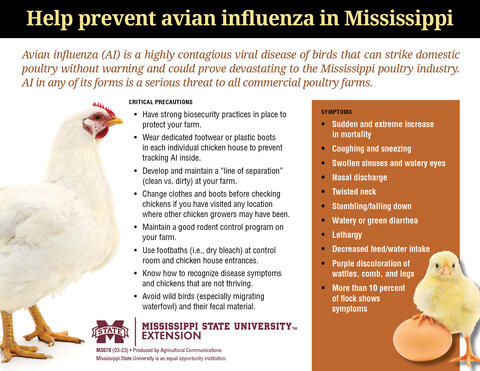
- Keep visitors away from chicken areas.
- Clean and disinfect shoes and equipment.
- Use protective clothing when handling birds.
- Control pests like rodents and wild birds.
- Isolate new birds before adding them to the flock.
Vaccination Programs
Vaccines help chickens build defense against bird flu. They lower the chance of serious illness.
Following a vaccination schedule is key to protect the flock.
- Use vaccines approved by animal health experts.
- Vaccinate all birds in the flock at the right age.
- Keep records of vaccination dates and types.
- Consult a vet for the best vaccine options.
Farm Management Tips
Good farm management lowers stress and improves chicken health. Healthy birds resist infections better.
Simple daily habits help keep bird flu away.
- Provide clean water and fresh feed every day.
- Keep chicken houses dry and well-ventilated.
- Remove dead birds quickly and safely.
- Limit mixing of different bird species.
- Monitor birds regularly for any signs of sickness.
Controlling Outbreaks
Bird flu spreads quickly among chickens. Controlling outbreaks is important to stop the disease.
Farmers must act fast to protect healthy birds and prevent more infections.
Quarantine Procedures
Quarantine means keeping sick birds away from healthy ones. This stops the virus from spreading.
Farmers should isolate new birds before adding them to the flock. Watch for signs of illness.
- Separate sick birds in a different area
- Limit contact between flocks
- Use separate tools and equipment
- Keep visitors away from the farm
Culling Infected Birds
Culling means humanely removing infected birds. It helps stop the disease from spreading fast.
Only trained workers should handle culling. Proper disposal of birds is needed to avoid contamination.
- Identify and remove sick birds immediately
- Use safe and humane methods
- Dispose of carcasses by burial or incineration
- Follow local animal health regulations
Disinfection Techniques
Cleaning and disinfecting kill the bird flu virus on surfaces. This lowers the chance of infection.
Use approved disinfectants on floors, tools, and equipment. Clean before you disinfect for best results.
- Remove manure and dirt first
- Apply disinfectant according to instructions
- Disinfect cages, feeders, and waterers
- Wear protective gear during cleaning
Future Research Directions
Scientists continue to study bird flu treatment in chickens. New ideas aim to stop the disease faster and better.
Research looks at medicines, vaccines, and chicken genetics. These areas show promise for future solutions.
New Treatment Developments
Researchers test new drugs to reduce bird flu effects. These treatments may work faster and cause less harm.
- Antiviral medicines that target the flu virus directly
- Natural compounds from plants to boost chicken immunity
- Combination therapies to improve recovery rates
Vaccine Innovations
New vaccines aim to protect chickens better and longer. Scientists want vaccines that are easier to give and store.
| Vaccine Type | Benefit | Challenge |
| Live Attenuated | Strong immunity | Storage needs |
| Recombinant | Safe for all chickens | Higher cost |
| DNA Vaccines | Fast production | Delivery method |
Genetic Resistance In Chickens
Scientists study chicken genes to find flu resistance. Breeding resistant chickens could lower disease spread.
Key research goals include:
- Identifying genes linked to flu resistance
- Developing breeding programs for strong chickens
- Using gene editing to improve immunity
Credit: extension.msstate.edu
Frequently Asked Questions
Can Bird Flu Be Cured In Chickens?
No, bird flu cannot be cured in chickens. Treatment focuses on prevention and control. Infected birds are usually culled to stop the spread. Vaccination and biosecurity measures help reduce outbreaks.
How Is Bird Flu Diagnosed In Chickens?
Bird flu is diagnosed through lab tests on bird samples. Symptoms alone are not conclusive. Tests include PCR, virus isolation, and antibody detection. Early diagnosis helps in quick containment.
Are There Vaccines For Bird Flu In Chickens?
Yes, vaccines exist for bird flu in chickens. Vaccination helps reduce severity and spread but does not fully prevent infection. It is part of a comprehensive control strategy including hygiene and monitoring.
What Treatments Are Available For Infected Chickens?
There is no effective treatment for infected chickens. Supportive care is limited, and antibiotics do not cure viral infections. Prevention and culling remain the best control methods.
Conclusion
Treating bird flu in chickens requires diligence and care. Quick action is crucial. Vaccines help prevent outbreaks. Regular monitoring keeps flocks healthy. Isolate infected birds immediately. Consult a vet for guidance. Biosecurity measures limit disease spread. Clean equipment and hands often.
Educate farm workers on protocols. Awareness leads to better management. Protect your chickens and livelihood. Every small step makes a difference. Stay informed and prepared. Healthy chickens ensure a thriving farm.




