
Did you know that bird flu isn’t just a concern for birds? If you have a furry friend at home, it’s crucial to understand that this virus can also affect dogs.
You might be wondering how to keep your beloved pet safe and healthy. That’s exactly what we’ll explore. Imagine the peace of mind you’ll feel knowing exactly how to spot symptoms and take immediate action if your dog shows signs of bird flu.
By understanding the treatment options available, you can ensure your pup gets the care they need. Keep reading to discover practical steps and expert advice that will empower you to protect your dog from this unexpected threat. Your pet’s health is too important to leave to chance.
Recognizing Bird Flu Symptoms In Dogs
Bird flu can affect dogs and cause serious health issues. Early detection helps treat the disease better. Knowing the symptoms is important for dog owners.
This guide explains the signs to watch for if your dog might have bird flu. Pay attention to any unusual behavior or health changes.
Common Signs To Watch For
Bird flu symptoms in dogs can vary. Some dogs show mild signs, while others get very sick. Watch for these common signs:
- Fever and lethargy
- Loss of appetite
- Vomiting or diarrhea
- Swelling of the face or eyes
- Weakness or difficulty walking
Behavioral Changes
Bird flu can make dogs act differently. They may seem tired or less interested in play. Watch for these behavior changes:
- Less active than usual
- Hiding or avoiding people
- Unusual aggression or irritability
- Restlessness or pacing
- Excessive sleeping
Respiratory Issues
Bird flu often affects the dog’s breathing. Respiratory problems can get worse fast. Watch for these signs closely:
| Symptom | Description |
| Coughing | Dry or wet cough that lasts |
| Labored breathing | Breathing hard or fast |
| Nasal discharge | Runny nose with clear or thick mucus |
| Wheezing | Whistling sound when breathing |
| Gagging or choking | Trying to clear throat often |

Credit: www.goodrx.com
Immediate Actions After Diagnosis
Bird flu in dogs is a serious illness that needs quick care. Acting fast helps your dog get better and stops the disease from spreading.
After a diagnosis, follow these steps to protect your dog and others around it.
Isolating The Infected Dog
Keep the sick dog away from other pets and people. This limits the chance of spreading the flu.
Use a separate room or area with good airflow for the infected dog. Clean the space regularly to keep it safe.
- Keep the dog in a quiet, comfortable room
- Limit contact with other animals and people
- Use separate food and water bowls
- Clean bedding and toys often
Consulting A Veterinarian
Contact your vet right away after diagnosis. They will guide you on the best treatment plan for your dog.
The vet may suggest medicines and care routines. Follow their advice closely to help your dog recover.
- Describe symptoms clearly to the vet
- Ask about medication and dosage
- Schedule follow-up visits if needed
- Report any changes in your dog’s condition
Monitoring Vital Signs
Watch your dog’s health closely. Check for breathing, temperature, and energy levels often.
Keep a daily record of these signs. This helps the vet see how your dog is doing and decide on care.
- Measure temperature twice a day
- Notice if the dog breathes fast or has coughing
- Look for weakness or lack of appetite
- Contact the vet if signs get worse
Medical Treatments For Bird Flu
Bird flu in dogs is a serious illness caused by avian influenza viruses. Treating it quickly helps dogs recover faster.
Medical treatments focus on stopping the virus, easing symptoms, and supporting the dog’s health.
Antiviral Medications
Veterinarians may use antiviral drugs to fight the bird flu virus in dogs. These medicines reduce virus growth.
Common antivirals include oseltamivir, but vets choose drugs based on the dog’s condition and virus type.
- Start treatment early for best results
- Follow vet instructions carefully
- Watch for side effects like vomiting
Supportive Therapies
Supportive care helps dogs stay strong while fighting the virus. It includes fluids and nutrition support.
Oxygen therapy may be needed if breathing is hard. Rest and a calm space also help recovery.
- Provide fresh water often
- Feed soft, easy-to-digest food
- Keep the dog warm and comfortable
Pain And Fever Management
Bird flu can cause pain and fever in dogs. Vets use safe medicines to reduce these symptoms.
Common pain relievers include non-steroidal anti-inflammatory drugs (NSAIDs). These help dogs feel better.
- Only use vet-approved medications
- Monitor the dog for side effects
- Adjust doses as the vet advises
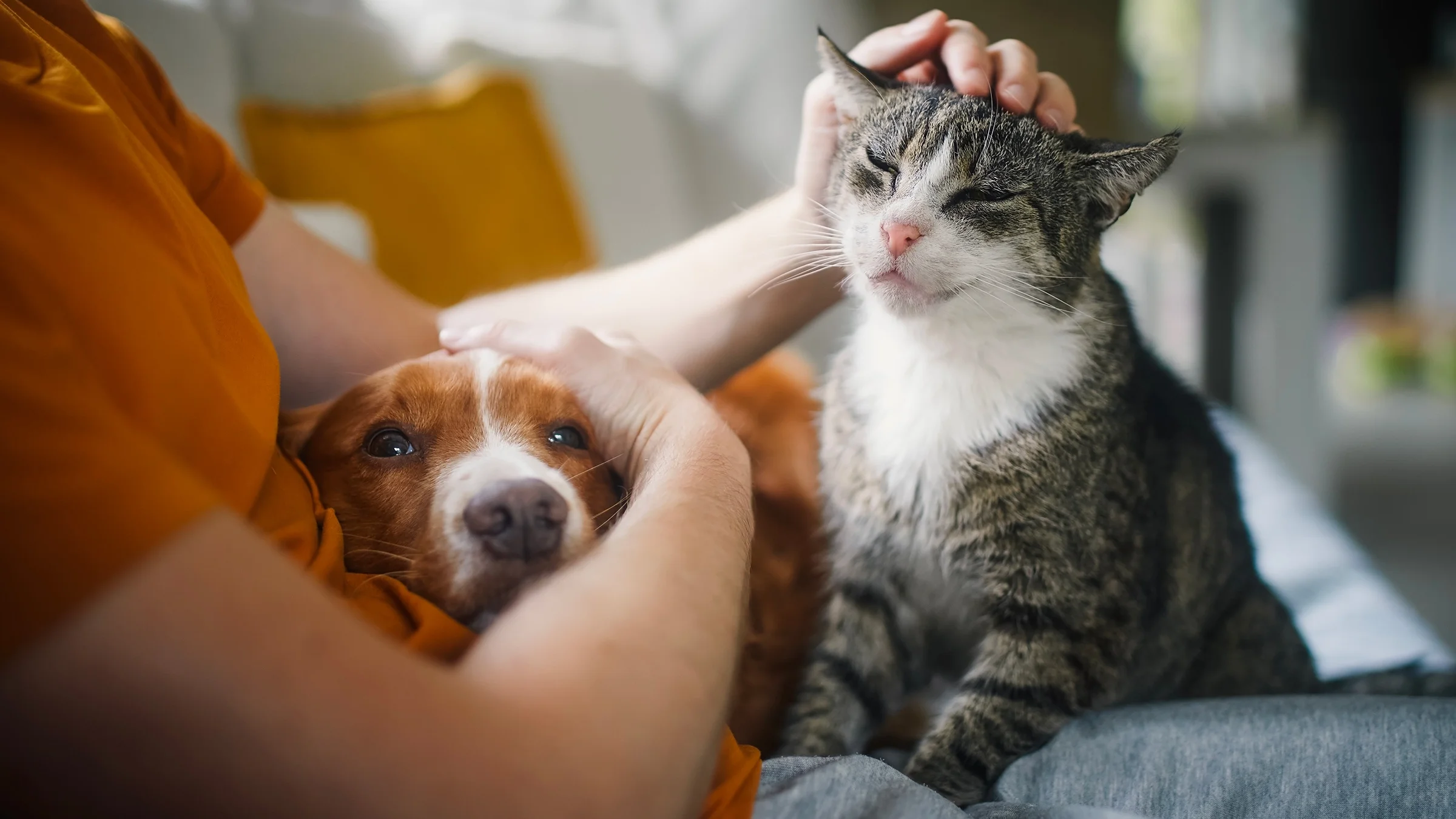
Credit: www.goodrx.com
Home Care And Recovery Tips
Bird flu in dogs can be serious, but careful home care helps recovery. You must watch your dog closely and support its health every day.
This guide shares easy ways to care for your dog at home. Focus on good nutrition, comfort, and preventing other infections.
Nutrition And Hydration
Keep your dog well-fed with nutritious food. Offer small, frequent meals that are easy to digest. Always provide fresh water to avoid dehydration.
- Feed soft, bland foods like boiled chicken and rice.
- Use a shallow bowl for easy eating and drinking.
- Encourage water intake by adding ice cubes or broth.
- Avoid giving treats or fatty foods during recovery.
Creating A Comfortable Environment
Make a quiet, warm spot for your dog to rest. Limit noise and activity to reduce stress. Keep the area clean and free from drafts.
| Need | Tips |
| Temperature | Keep between 70-75°F (21-24°C) |
| Bedding | Use soft, washable blankets |
| Lighting | Dim lights to help rest |
| Noise | Low or no noise; avoid loud sounds |
Preventing Secondary Infections
Bird flu weakens your dog’s immune system. Watch for signs of other infections like coughing or discharge. Keep your dog’s area clean and dry.
- Clean bedding daily with mild detergent.
- Disinfect food and water bowls regularly.
- Avoid contact with other animals until fully recovered.
- Follow your vet’s advice on medications carefully.
Preventing Bird Flu In Dogs
Bird flu can affect dogs if they come in contact with infected birds. Preventing the disease helps keep your dog healthy.
Taking simple steps can reduce the risk of bird flu. These steps include avoiding exposure to birds, regular health checkups, and vaccination options.
Limiting Exposure To Birds
Keep your dog away from wild birds and areas where birds gather. This lowers the chance of catching bird flu.
- Do not let your dog roam near bird farms or wetlands
- Keep bird feeders and bird baths away from your yard
- Clean up bird droppings promptly and safely
- Avoid contact with dead or sick birds
Regular Health Checkups
Take your dog to the vet for regular checkups. Early signs of bird flu can be spotted and treated quickly.
| Checkup Item | Purpose |
| Physical exam | Detect illness signs early |
| Temperature check | Spot fever from infection |
| Respiratory assessment | Check breathing and coughing |
| Blood tests | Identify infections or immune response |
Vaccination Options
Vaccines can help protect your dog against some strains of bird flu. Talk to your vet about available vaccines.
Vaccination advice:
- Discuss your dog’s risk with a vet
- Follow the vaccination schedule
- Keep vaccination records updated
- Watch for any side effects after shots
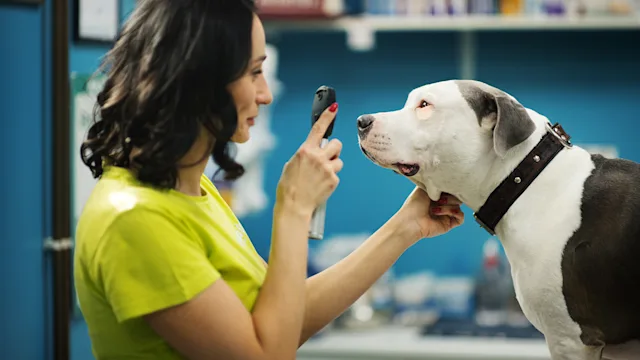
Credit: www.goodrx.com
Frequently Asked Questions
What Are Common Symptoms Of Bird Flu In Dogs?
Common symptoms include coughing, sneezing, nasal discharge, fever, lethargy, and loss of appetite. Early detection is vital for effective treatment.
How Is Bird Flu Diagnosed In Dogs?
Veterinarians diagnose bird flu through physical exams, blood tests, and nasal or throat swabs. Accurate diagnosis helps guide proper treatment.
Can Bird Flu In Dogs Be Treated At Home?
Home care focuses on supportive treatments like hydration and rest. However, veterinary care and antiviral medications are often necessary for recovery.
How Can I Prevent Bird Flu In My Dog?
Prevent bird flu by avoiding contact with infected birds, practicing good hygiene, and keeping your dog away from high-risk areas.
Conclusion
Treating bird flu in dogs requires quick action and care. Watch your dog closely for any signs of illness. Contact your vet as soon as you notice symptoms. Follow all treatment steps given by the vet carefully. Keep your dog comfortable and isolated from other pets.
Good hygiene helps stop the spread of the virus. Early treatment can help your dog recover faster. Stay calm and patient through the healing process. Protect your dog by avoiding contact with wild birds. Taking these steps helps keep your dog safe and healthy.




